When Does an Auto Insurance Policy Go Into Effect
An auto insurance policy typically goes into effect immediately upon online purchase, at 12:01 AM the following day if specified by the insurer, or at a future date selected by the policyholder. The exact start time depends on the chos...
An auto insurance policy typically goes into effect immediately upon online purchase, at 12:01 AM the following day if specified by the insurer, or at a future date selected by the policyholder. The exact start time depends on the chosen effective date, the payment method used, and whether underwriting verification is required.
Contents
Navigating the exact timing of when an auto insurance policy goes into effect is a critical operational detail for drivers. Whether you are purchasing a brand-new vehicle from a dealership, switching providers to secure a lower rate, or reinstating a lapsed policy, understanding the precise moment your coverage becomes active prevents legal liability and financial exposure. Insurance contracts are legally binding agreements governed by strict underwriting rules, state regulations, and precise time clocks. Knowing how these policies activate ensures you are never driving uninsured.
Understanding Policy Activation Timelines
When you finalize an auto insurance contract, the policy does not always trigger instantaneously. Insurers operate on specific administrative schedules, and policyholders frequently select custom start dates. Comprehending these standard timelines helps clarify the gap between paying a premium and driving legally.
Immediate Coverage vs. Scheduled Activation
In many standard consumer scenarios, an auto insurance policy can go into effect immediately. When you purchase coverage online or via telephone and complete the initial payment using a credit card or electronic funds transfer, the system often generates a temporary binder or digital insurance card with a timestamp showing the exact minute coverage begins. This is common when buying a car at a dealership and needing immediate proof of insurance to drive the vehicle off the lot.
Conversely, policyholders often select a future start date. For instance, if your current policy expires on the last day of the month, you can configure your new policy to begin at 12:01 AM on the first day of the next month to avoid a coverage gap or paying for overlapping days. In these instances, the insurer legally binds the contract at the time of purchase, but the actual liability protection does not trigger until the designated calendar date and time.
The Role of 12:01 AM and Standard Time Zones
Insurance contracts traditionally use precise temporal markers to avoid ambiguities regarding accidents that occur near transition periods. Most standard policies state that coverage begins and ends at 12:01 AM standard time at the address of the named insured.
This specific minute prevents disputes over whether a policy was active on a given day. If your policy expires at 12:01 AM on October 10, an accident occurring at 1:00 AM on October 10 falls outside the active coverage window. When purchasing a policy with a same-day start, insurers may specify that coverage begins immediately upon payment processing rather than waiting for the midnight hour, overriding the standard 12:01 AM rule for initial binder issuance.
Factors That Influence When Coverage Begins
Several operational, financial, and regulatory variables dictate the exact moment an auto insurance policy becomes active. Insurers evaluate risk dynamically, and certain conditions can delay the binding process.
Payment Processing and Binding
A legally binding insurance contract requires consideration, which in financial terms means the payment of a premium. Until the insurer processes your down payment or initial monthly premium, the policy generally remains unconfirmed.
- Credit and Debit Cards: Electronic payments process almost instantly, allowing the insurer to issue an immediate binding receipt and active insurance cards.
- Electronic Checks (ACH): Bank routing transactions can take two to three business days to clear. Some insurers issue conditional coverage immediately, while others wait for funds clearance, creating a potential window of vulnerability.
- Cash or Money Orders: Requiring physical delivery or in-person processing at an agent's office, these payment methods mean coverage begins only when the agent physically receives and receipts the funds.
Underwriting Verification and Waiting Periods
While straightforward consumer profiles receive instant activation, complex risk profiles trigger manual underwriting. If an applicant has a history of major traffic violations, multiple at-fault accidents, or a severe lapse in prior coverage, automated systems may flag the application for human review.
During this review period—which can last anywhere from a few hours to several business days—the insurer may decline to offer immediate coverage. Instead, they might issue a temporary binder subject to final approval or delay policy activation until an underwriter formally signs off on the risk profile. Driving during an unapproved waiting period without a binding receipt can leave you entirely uninsured.
State Regulations and Mandatory Coverages
Insurance is heavily regulated at the state level. State minimum liability limits, mandatory personal injury protection (PIP), and uninsured motorist requirements dictate the baseline standards an insurer must meet before issuing a policy.
Certain jurisdictions impose strict reporting requirements on insurers, mandating that electronic proof of coverage be transmitted to the Department of Motor Vehicles (DMV) or Bureau of Motor Vehicles almost instantaneously upon policy activation. If a state requires a physical inspection of the vehicle for comprehensive and collision coverage—often mandated for older used cars to verify pre-existing damage—coverage for physical damage may be withheld until the inspection report is completed and submitted.
Common Scenarios Impacting Policy Activation Timings
Different life events require specific approaches to timing auto insurance coverage. Miscalculating these timelines can result in costly penalties or uncovered claims.
| Scenario | Typical Activation Speed | Key Consideration |
|---|---|---|
| Buying a New Car | Immediate to 24 Hours | Existing policies often extend temporary coverage (e.g., 14 to 30 days) to a newly acquired vehicle, but a new standalone policy requires immediate binder issuance. |
| Switching Providers | Scheduled Future Date | Align the new policy start date with the exact expiration minute of the old policy to prevent coverage gaps or double-billing. |
| Reinstating Lapsed Policy | Varies (Instant to 48 Hours) | Requires payment of back-due premiums and sometimes a vehicle inspection; coverage does not apply retroactively to accidents during the lapse. |
| Adding a Driver | Immediate upon request | Usually effective the moment the insurance company or agent processes the addition, often confirmed via an updated endorsement page. |
Purchasing a New Vehicle at a Dealership
When acquiring a vehicle from a licensed auto dealer, proof of insurance is mandatory before driving off the premises. If you already own an auto insurance policy, most standard contracts include a grace period—frequently ranging from 14 to 30 days—that automatically extends your existing coverage to a newly purchased vehicle.
However, this grace period assumes you will notify the insurer promptly. If you are buying your very first car or establishing a new policy, you must contact an insurance agent or bind coverage online while at the dealership. The insurer will email or fax an official binder directly to the dealer, confirming that the policy is active and satisfying state legal requirements.
Switching Between Insurance Providers
Switching auto insurance companies requires careful synchronization. Consumers often make the mistake of canceling their old policy before the new one officially goes into effect, or conversely, allowing both policies to run concurrently for weeks, resulting in wasted premium payments.
To execute a seamless transition, contact your new insurer, select a start date that matches the exact expiration date and time of your current policy, and finalize the payment. Only after the new policy's effective date and time have passed should you formally notify your previous insurer to cancel your old contract, ensuring zero minutes of uncovered exposure.
Reinstating a Lapsed Policy
If your auto insurance policy lapses due to non-payment, coverage terminates entirely at the designated cancellation hour. Paying the overdue balance later does not make coverage retroactive.
When a policy is reinstated, the new active status begins either at the moment the payment is processed or at a specified future date determined by the carrier. Any traffic accident, citation, or property damage that occurred during the window of lapse remains entirely uninsured, exposing the driver to severe personal financial liability and potential state penalties, such as license suspension or registration revocation.
Verifying Your Policy Status and Next Steps
Assuming an insurance policy is active without verification is a risky gamble. Drivers should take proactive steps to confirm their coverage status before operating a motor vehicle.
- Check Digital Portals: Log into your insurer’s mobile application or online customer portal to verify that the policy status reads "Active" and that current digital insurance cards are accessible.
- Review Policy Declarations Page: Examine the "Policy Period" section on your declarations page to confirm the exact start and end dates, ensuring the current timestamp falls within the authorized window.
- Contact Your Agent: If you purchased coverage through an independent broker or captive agent, request a signed binder or certificate of insurance via email for your immediate records.
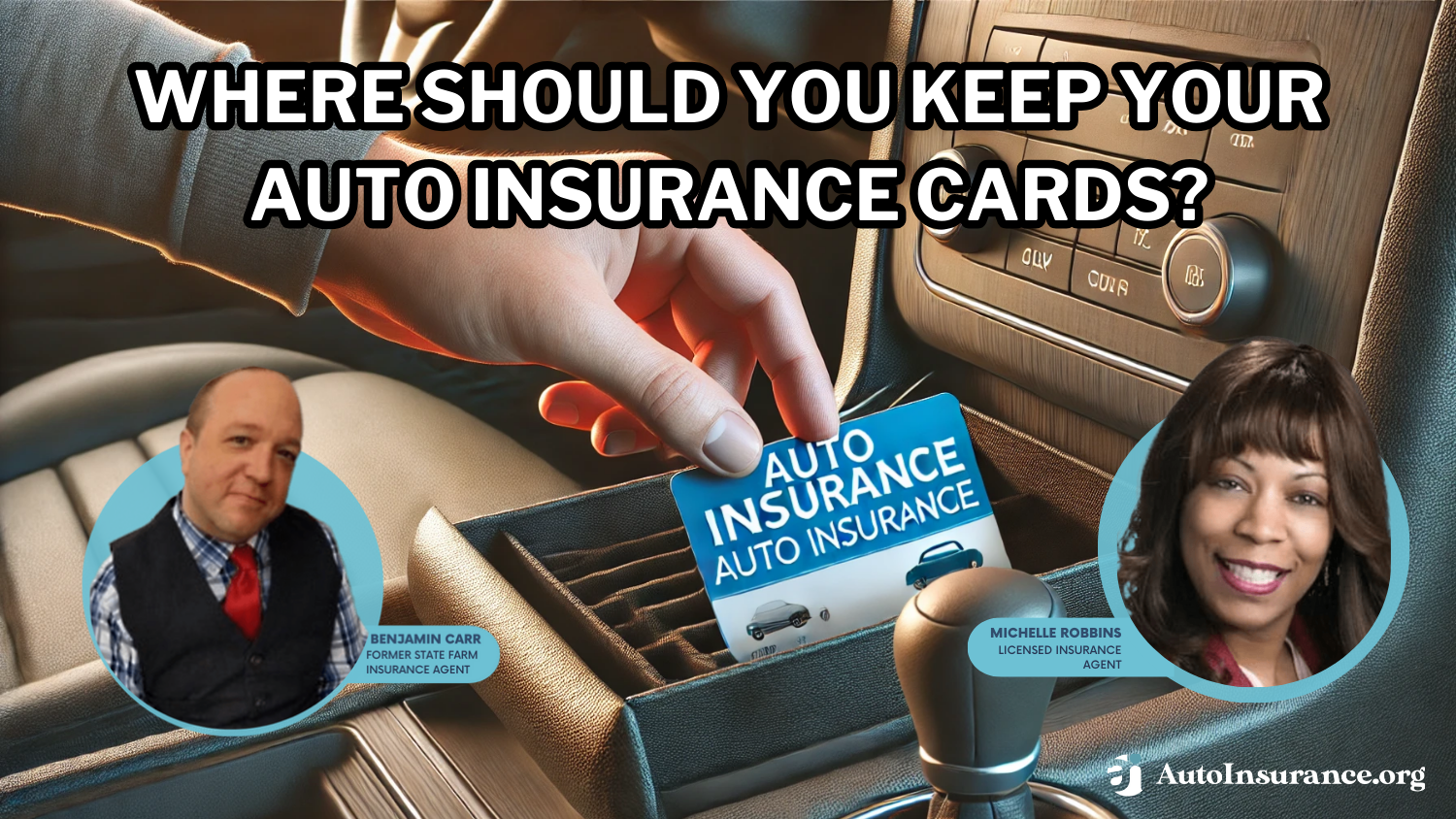
- Carry Physical or Digital Proof: Ensure you have access to valid insurance proof—either printed in your glove compartment or saved on your smartphone—to present to law enforcement or state officials if requested.
If you encounter discrepancies or notice that your payment has not cleared, contact your insurance provider’s customer service department immediately to resolve billing issues and secure formal confirmation of your active policy status.
Image Gallery