Understanding the Different Types of Capricorn in Astrology: A Comprehensive Guide
While many recognize Capricorn as the disciplined, mountain-climbing goat of the zodiac, there is no single way to "be" a Capricorn. In astrology, the "types" of Capricorn are primarily determined by the three decans—ten-day subdivisio...
While many recognize Capricorn as the disciplined, mountain-climbing goat of the zodiac, there is no single way to "be" a Capricorn. In astrology, the "types" of Capricorn are primarily determined by the three decans—ten-day subdivisions of the sign—along with the influence of the ruling planet Saturn and the unique interplay between the Sea-Goat and Mountain Goat archetypes.
Contents
Capricorn, the tenth sign of the zodiac, spans from December 22 to January 19. As a Cardinal Earth sign, it is associated with leadership, structure, and material manifestation. However, depending on when a person was born within that window, their personality may lean more toward the traditional Saturnian taskmaster, the Venusian-influenced aesthete, or the Mercurial intellectual. Understanding these nuances is essential for anyone looking to go beyond surface-level sun sign descriptions in 2026.
The Foundation of Capricorn Types: The Three Decans
In astrology, each 30-degree zodiac sign is divided into three 10-degree segments called decans. Each decan is influenced by a different planet within the same element (Earth). This system explains why a December Capricorn often feels significantly different from a late-January Capricorn.
The First Decan: The Traditionalist (December 22 – December 31)
The first decan is ruled entirely by Saturn, the planetary ruler of Capricorn. Individuals born during this period are often considered the "purest" form of the sign. They embody the classic traits of discipline, patience, and a stoic approach to life’s challenges.
These Capricorns are the architects of the zodiac. They possess an innate understanding of time and consequence, often appearing "old" when they are young and "young" when they are old. Their primary motivation is security and legacy. Because Saturn’s influence is undiluted here, these individuals may struggle more with self-criticism or a tendency toward melancholy, but they are also the most resilient when it return to long-term goals.
The Second Decan: The High Achiever (January 1 – January 10)
The second decan is sub-ruled by Venus (and associated with Taurus, the next Earth sign). This adds a layer of charm, social awareness, and a desire for the "finer things" to the typical Capricorn ambition.
While the first decan works for the sake of duty, the second-decan Capricorn often works for the sake of quality. They are frequently more concerned with their public image and the aesthetic value of their achievements. The Venusian influence makes them slightly more approachable and appreciative of art, nature, and physical comfort. They are the "executive" type—efficient and hardworking, but with a refined taste that demands a beautiful home and a prestigious social standing.
The Third Decan: The Intellectual Strategist (January 11 – January 19)
The third decan is sub-ruled by Mercury (associated with Virgo). This produces a Capricorn who is highly analytical, communicative, and detail-oriented.
These individuals are often the "thinkers" of the sign. While all Capricorns are practical, the third-decan type excels at processing complex data and organizing systems. They are less interested in raw power and more interested in the efficiency of the machine. This influence can make them more restless or anxious than other Capricorns, as Mercury’s fast-moving energy clashes with Saturn’s slow, deliberate pace. They are excellent writers, researchers, and strategists.
The Dual Archetypes: The Sea-Goat vs. The Mountain Goat
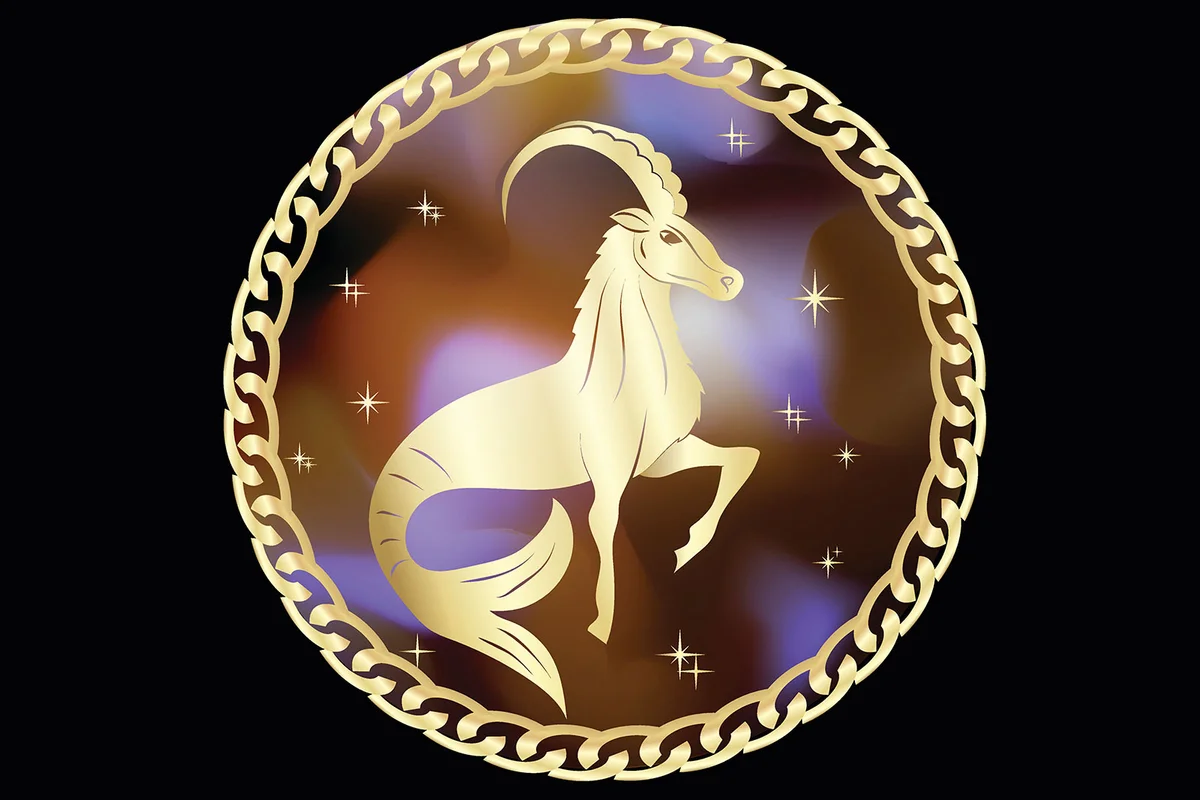
Beyond the decans, Capricorn is represented by the Sea-Goat—a mythical creature with the upper body of a goat and the tail of a fish. This duality creates two distinct "modes" or types of Capricorn energy that an individual might oscillate between.
The Mountain Goat: The External Climber
The Mountain Goat represents the terrestrial side of Capricorn. This type is focused on the physical world, social hierarchy, and tangible success. They are the ones who set a goal, put their heads down, and refuse to stop until they reach the summit. This archetype is characterized by:
- Pragmatism: Decisions are based on what works, not what feels good.
- Endurance: The ability to withstand harsh conditions to achieve a long-term objective.
- Structure: A preference for rules, traditions, and clear boundaries.
The Sea-Goat: The Internal Seeker
The fish tail of the Sea-Goat represents the emotional and spiritual depths that many people overlook in Capricorn. This "type" is more introspective and intuitive. While they still seek to build, they are building something for the soul or the collective. The Sea-Goat type is:
- Empathetic: Possessing a deep understanding of human suffering and the weight of responsibility.
- Creative: Able to channel Earth-bound discipline into artistic or spiritual practices.
- Resilient: Using emotional intelligence to navigate the "deep waters" of life’s setbacks.
Most Capricorns have both elements, but one usually dominates based on the rest of their birth chart, particularly the placement of the Moon and Neptune.
Technical Comparison of Capricorn Decans
The following table provides a quick reference for the specific influences that differentiate the three primary types of Capricorn.
| Feature | Decan 1 (The Pure) | Decan 2 (The Social) | Decan 3 (The Analytical) |
|---|---|---|---|
| Dates | Dec 22 – Dec 31 | Jan 1 – Jan 10 | Jan 11 – Jan 19 |
| Sub-Ruler | Saturn | Venus | Mercury |
| Core Motive | Legacy & Integrity | Value & Aesthetics | Efficiency & Logic |
| Shadow Side | Pessimism / Rigidity | Materialism / Vanity | Overthinking / Anxiety |
| Best Career | Government, Law, History | Finance, Arts, Management | Media, Science, Logistics |
The Influence of the Rising Sign (Ascendant)
To truly understand a Capricorn "type," one must consider the Rising Sign (Ascendant). The Rising sign acts as the filter through which the Capricorn sun is expressed.
- Capricorn with Fire Rising (Aries, Leo, Sagittarius): This creates a "Dynamic Leader" type. The usual Capricorn caution is tempered by a need for speed and visibility. They are more likely to take risks and may appear more extroverted than the typical earth sign.
- Capricorn with Air Rising (Gemini, Libra, Aquarius): This creates a "Social Architect" type. These Capricorns are highly communicative and focused on networking. They use their intellectual prowess to build social structures or community organizations.
- Capricorn with Water Rising (Cancer, Scorpio, Pisces): This creates the "Intuitive Professional." These individuals are deeply sensitive and often use their Capricorn discipline to provide emotional or physical security for others. They are the most likely to embody the Sea-Goat archetype.
- Capricorn with Earth Rising (Taurus, Virgo, Capricorn): This is the "Double Earth" or "Super Capricorn." These individuals are exceptionally grounded, practical, and perhaps a bit stubborn. They are the masters of the physical realm but must work harder to stay flexible.
Evolution of the Capricorn Type Over Time
In 2026, many astrologers emphasize that Capricorn is a sign that "ages backward." This means that the "type" of Capricorn a person is in their 20s may be vastly different from who they are in their 50s.
During the first 29 years of life (leading up to the first Saturn Return), most Capricorns are in the "Restricted" phase. They feel the weight of the world, take on too much responsibility, and may seem overly serious. After the Saturn Return, many transition into the "Mastery" phase, where they become more playful, confident, and willing to enjoy the fruits of their labor. Understanding this progression is vital: a Capricorn’s type isn’t just about their birth date; it’s about where they are in their chronological journey with Saturn.
Common Misconceptions About Capricorn Types
There are several myths that lead to a misunderstanding of how Capricorn functions.
- Myth: All Capricorns are cold. In reality, the Sea-Goat archetype is deeply emotional but chooses to express that emotion through acts of service and protection rather than verbal outbursts.
- Myth: They only care about money. While they value financial security, most Capricorns are actually motivated by competence. They want to be the best at what they do; the money is simply a metric of that success.
- Myth: They are boring. Because they value structure, they may seem predictable, but their dry, "Saturnian" wit is often one of the sharpest in the zodiac.
FAQs
Can a Capricorn be creative?
Yes, particularly those born in the Second Decan (Venus-ruled) or those with strong Sea-Goat tendencies. Their creativity is often "applied"—meaning they create things that are both beautiful and functional, such as architecture, professional photography, or high-end craftsmanship.
Which type of Capricorn is the most ambitious?
While all are ambitious, the First Decan (Saturn-ruled) often has the most endurance for long-term, decades-long goals. The Second Decan is more ambitious regarding social status, and the Third Decan is ambitious regarding intellectual mastery.
Why do some Capricorns seem more like Virgos?
This is usually a Third-Decan Capricorn. Because they are sub-ruled by Mercury (the ruler of Virgo), they share the Virgoan traits of meticulousness, health-consciousness, and a love for lists and organization.
Is the "Sea-Goat" a real thing?
The Sea-Goat is the ancient Babylonian representation of the constellation Capricornus, known as Enki, the god of water and wisdom. It symbolizes the sign’s ability to navigate both the highest mountains of achievement and the deepest waters of the human psyche.
How does 2026 affect the different Capricorn types?
By 2026, Saturn will have moved into Aries, which creates a "square" aspect to Capricorn. This means all Capricorn types—regardless of decan—will be feeling a push to innovate and act more impulsively. The challenge for the "Traditional" type will be handling this friction, while the "Strategic" type may find it an exciting time for new projects.
Practical Next Steps for Identifying Your Type
To determine which "type" of Capricorn you or someone else embodies, follow these steps:
- Check the birth date: Identify the Decan (1, 2, or 3) to find the primary planetary sub-influence.
- Calculate the full birth chart: Use a reliable tool like Astro-Seek or Astro.com to find the Rising and Moon signs.
- Analyze Saturn’s placement: See which house Saturn occupies in the chart. A Saturn in the 10th house reinforces the "CEO" type, while Saturn in the 4th house might lean toward the "Family Protector" type.
- Reflect on the Life Stage: Consider if the individual has passed their Saturn Return (age 27–30). This significantly shifts their personality from the "struggling climber" to the "established authority."
By looking at these layers, you can move past the stereotypes and appreciate the complex, multi-faceted nature of the tenth sign of the zodiac.
Image Gallery