Driving License Test Cost: Complete Breakdown of Fees and Pricing Factors
Obtaining a driver's license typically involves total expenses ranging from $50 to over $1,000, depending on government administrative fees, mandatory driver education, and professional instruction. Direct state or agency charges for w...
Obtaining a driver's license typically involves total expenses ranging from $50 to over $1,000, depending on government administrative fees, mandatory driver education, and professional instruction. Direct state or agency charges for written knowledge and road tests generally range between $30 and $150, while underlying factors like driver training, vehicle rentals, and re-test fees heavily dictate final out-of-pocket costs.
Contents
Core Fee Components: What You Pay at Every Stage
The overall expenditure required to earn a driver's license is rarely limited to a single flat fee. Motor vehicle authorities divide the testing and credentialing process into separate administrative stages. Understanding how these individual fees accumulate helps candidates budget effectively for both mandatory statutory costs and optional supporting expenses.
Application and Learner's Permit Fees
Before taking any practical driving exam, candidates must obtain a learner's permit or provisional license. State motor vehicle agencies—such as the Department of Motor Vehicles (DMV), Bureau of Motor Vehicles (BMV), or national licensing entities—charge an initial application fee. This fee covers identity verification, background system checks, vision screening, and the physical issuance of the temporary permit document.
Permit application fees typically range from $15 to $60, depending on the jurisdiction. In some regions, this initial payment includes one or two attempts at the written knowledge test, whereas in other jurisdictions, the permit fee is strictly administrative and separate from testing fees.
Knowledge (Written) Test Charges
The written knowledge examination tests an applicant's comprehension of traffic laws, road signs, right-of-way rules, and safe driving protocols.
- Bundled Jurisdictions: Many state authorities incorporate the cost of the first written exam attempt directly into the learner's permit application fee.
- Unbundled Jurisdictions: Licensing agencies that charge separately for written exams typically assess a fee of $10 to $35 per attempt.
- Third-Party Testing: When written exams are administered online via proctored third-party platforms or at commercial testing centers, candidates may encounter an additional remote-proctoring technology fee of $5 to $15.
Practical Road Test Fees
The practical behind-the-wheel exam evaluates a driver's operational capability, vehicle control, spatial awareness, parking proficiency, and adherence to live traffic rules. Because road tests require dedicated time from a certified government examiner or accredited third-party evaluator, they carry higher administrative fees than written tests.
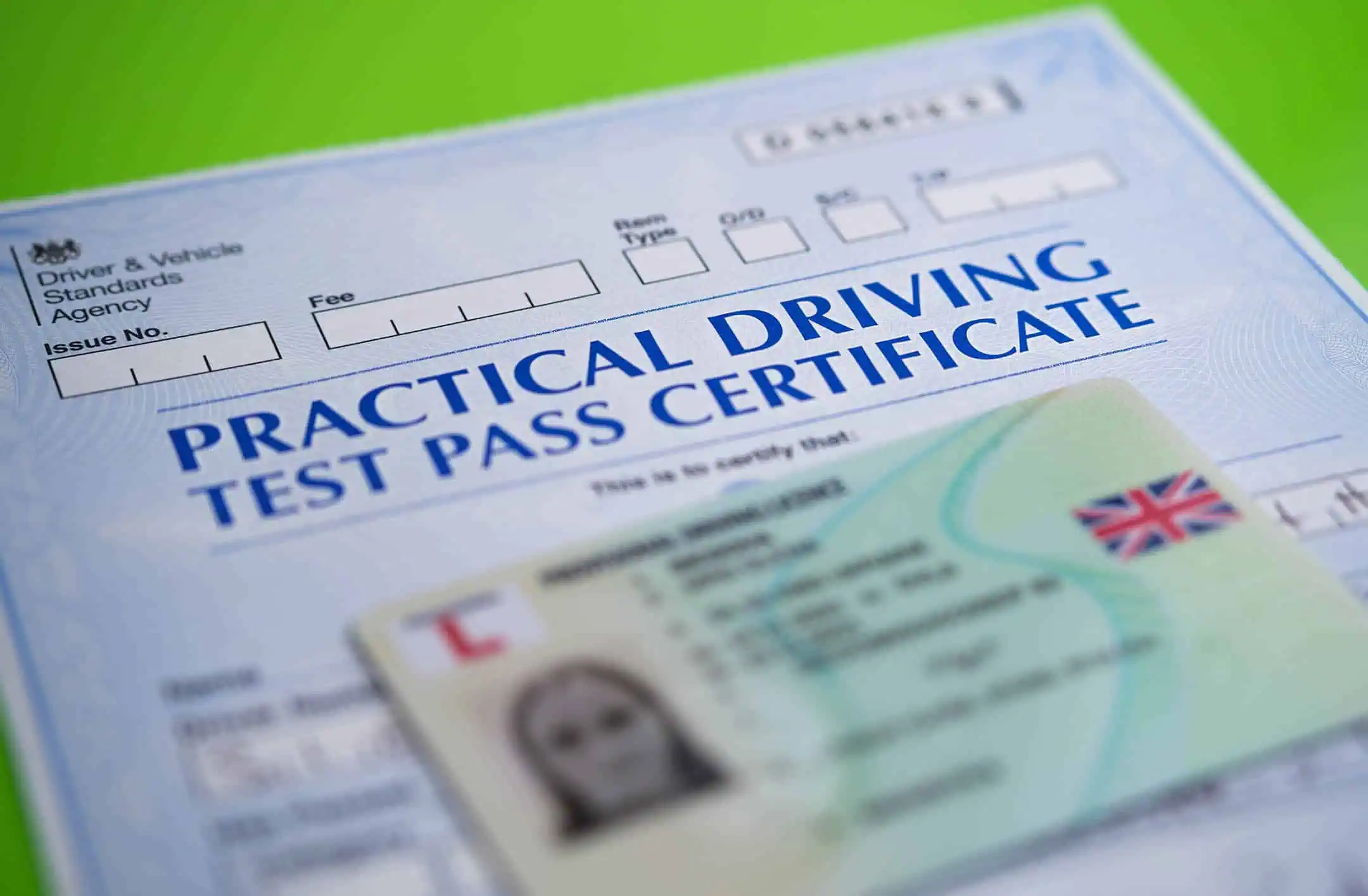
Direct road test fees assessed by government licensing agencies generally fall between $20 and $80 for standard passenger vehicles (Class D or equivalent non-commercial licenses). However, where national transport departments oversee testing—such as the Driver and Vehicle Standards Agency (DVSA) in the United Kingdom—practical test fees are standardized nationally (for example, £62 for weekday appointments and £75 for evening, weekend, or bank holiday slots).
License Issuance and Administrative Surcharges
Once a candidate successfully passes both the written knowledge and practical road tests, licensing authorities collect a final credentialing fee to issue the official driver's license card.
Issuance fees usually range from $25 to $100, directly influenced by the duration of the license validity period (such as 4-year versus 8-year renewal cycles). Candidates upgrading to biometric security standards, such as REAL ID compliance in the United States, may face a minor administrative processing surcharge of $5 to $15.
Major Factors That Influence Driving License Test Costs
The baseline administrative fees published by licensing portals represent only a fraction of what most applicants ultimately spend. Several structural, legal, and operational factors create significant variation in total expenses.
Total Licensing Cost = Administrative Fees + Mandatory Driver Ed + Retake Charges + Vehicle/Logistical Costs
Applicant Age and Mandatory Driver Education
Age is the single largest variable determining the total cost of obtaining a license.
- Minors and Teen Drivers: Most jurisdictions enforce Graduated Driver Licensing (GDL) systems. GDL regulations require applicants under the age of 18 (and under 21 in certain regions) to complete an approved driver education program. These programs mandate a minimum of 30 hours of theoretical classroom or online instruction and 6 to 10 hours of behind-the-wheel training with a certified instructor. Mandatory teen driver education packages generally cost between $200 and $800.
- Adult Applicants: In many regions, adult applicants over 18 or 21 can bypass formal driver education requirements and proceed directly to permit testing and road exams. While adult candidates can self-study state driver manuals to pass the written test, many still opt for private behind-the-wheel lessons, which typically run $40 to $90 per hour.
License Classification and Special Endorsements
The class of license being sought directly impacts application, testing, and credentialing costs:
- Class D / Operator (Standard Passenger Car): Standard passenger car testing remains the least expensive category, with primary government fees usually staying under $150 total.
- Commercial Driver's License (CDL - Class A, B, C): Licensing commercial truck and bus operators involves rigorous theoretical and practical evaluations. Mandatory Entry-Level Driver Training (ELDT) compliance in the United States requires accredited vocational training that costs between $1,500 and $6,000. CDL government testing and permit fees alone often range from $100 to $300.
- Motorcycle Endorsements (Class M): Adding a motorcycle endorsement typically requires a specialized written exam and a skills test, costing $25 to $75 in state fees. Alternatively, completing a recognized safety foundation course (such as the MSF Basic RiderCourse, costing $150 to $350) often waives the state practical exam requirement while providing practical training.
Retakes and Re-examination Requirements
Failing a test component instantly increases the total cost of getting licensed. Licensing bodies enforce strict re-examination fee schedules:
- Written Test Retakes: Re-attempting a failed written test generally incurs a modest fee of $10 to $30 per attempt.
- Road Test Retakes: Failing a practical exam requires re-booking an appointment and paying a re-test fee ranging from $20 to $75.
- Mandatory Wait Periods and Retraining: Certain states mandate that applicants who fail a practical test three consecutive times complete a mandatory remedial driver training course (costing $100 to $250) before scheduling another exam attempt.
Geographic Location and Regional Rates
Licensing fee schedules are established at the state, provincial, or national legislative level. As a result, geographic location leads to marked variations in base fees:
- United States: State DMVs operate independently. For example, a complete permit-to-license transition in states like Maryland or California may cost under $50 in direct state fees (excluding driver ed), whereas other states levy higher multi-tier processing fees.
- Canada: Provincial systems like Ontario's Ministry of Transportation (MTO) utilize bundled package rates (such as the G1/G2 licensing package, which bundles the knowledge test, initial road test, and five-year license fee for around $160 CAD).
- United Kingdom & Europe: State-regulated national testing frameworks maintain fixed test rates, but extensive mandatory instruction hours elevate the total path-to-licensure cost to between £1,000 and £2,500.
Professional Driving School and Vehicle Reservation Costs
State motor vehicle agencies generally do not provide test vehicles for practical road exams. Applicants must supply an operational, insured, and road-legal vehicle that meets strict agency standards.
Candidates who do not have access to a qualified family or friend vehicle often rent a test-vehicle service from a local driving school. Driving schools typically charge $75 to $200 for a package that includes a 45-minute warm-up lesson, vehicle usage during the official road test, and insurance coverage during the examination.
Comparative Overview of Testing Fees Across Key Jurisdictions
The table below outlines standard administrative and practical testing fees across select primary jurisdictions. Figures represent typical baseline costs for standard non-commercial passenger vehicle licenses (Class D or equivalent) as set by regional motor vehicle authorities.
| Jurisdiction / Region | Learner's Permit / Application Fee | Written Knowledge Test Fee | Practical Road Test Fee | Standard License Issuance Fee | Mandatory Driver Ed (Teen Average) |
|---|---|---|---|---|---|
| California, USA (DMV) | $45 (includes initial permit & tests) | Included in application | Included (Retakes: $9) | Included in initial fee | $250 – $600 |
| New York, USA (NY DMV) | $77.50 – $107.50 (varies by age) | Included in application | Included in application | Included in application | $300 – $700 |
| Texas, USA (DPS) | $16 (Under 18) / $25 (Adult) | $0 (if taken at DPS) | $0 (included) / $50+ (Third-party) | Included in application | $150 – $400 |
| Ontario, Canada (MTO) | $160 CAD (G1 Package) | Included in G1 package | Included (Retakes: $53.75 CAD) | Included (5-year term) | $600 – $1,200 CAD |
| United Kingdom (DVSA) | £34 (Online provisional) | £23 (Theory Test) | £62 (Weekday) / £75 (Weekend) | Free (upgrade from provisional) | £1,000 – £2,000 (Private lessons) |
| Australia (NSW TfNSW) | $27 – $50 AUD (Learner licence) | $50 AUD (Driver Knowledge Test) | $64 AUD (Driving Test) | $64 – $197 AUD (1 to 5 yrs) | Variable / Logbook requirement |
Note: Administrative fee schedules are subject to statutory adjustments by municipal, state, or national transport departments. Candidates should verify current rate tables directly with their local licensing authority.
Hidden and Indirect Expenses in the Driving Test Process
Focusing exclusively on published government fee schedules often leads to underbudgeting. Candidates frequently encounter hidden operational and indirect costs during their licensing journey.
Vehicle Inspection and Compliance Costs
If an applicant brings a personal vehicle to the road test, it must pass a pre-test safety inspection conducted by the examiner on-site. If the vehicle displays cracked windshield glass in the driver's field of view, expired registration, non-functional brake lights, worn tire treads, or an active dashboard warning light (such as a Check Engine or ABS light), the examiner will reject the vehicle.
Rejection results in an automatic cancellation of the test slot, requiring the candidate to pay a rescheduling or missed-appointment fee ($20 to $50) in addition to servicing the vehicle repairs.
Permit Extensions and Expiration Penalties
Learner's permits carry strict expiration dates, usually valid for 6 to 24 months depending on the jurisdiction. If an applicant fails to pass their road test before the permit expires, they must pay a permit renewal fee ($15 to $40) and, in some states, retake the written knowledge test.
Identity Documentation and Administrative Verification Costs
Obtaining federal-standard identity credentials (such as REAL ID compliant licenses in the United States) requires submitting certified original documents. Obtaining replacement copies of lost birth certificates, marriage licenses, or citizenship documents from vital statistics registries adds secondary processing fees ranging from $15 to $50 per document.
How to Minimize Expenses and Avoid Unnecessary Re-test Fees
While administrative government fees are non-negotiable legal requirements, applicants can take concrete steps to avoid compounding charges and unnecessary retakes.
- Leverage Free Official Practice Exams: Avoid paying third-party study sites for materials. State motor vehicle departments and transport ministries provide free official driver handbooks and online practice tests. Thoroughly studying these resources ensures a passing mark on the first written attempt.
- Conduct a Thorough Pre-Test Vehicle Inspection: Before driving to the test site, inspect all exterior lights, turn signals, horn functionality, windshield wipers, seatbelts, and parking brakes. Ensure both the vehicle registration and auto insurance card are physical, valid, and unexpired.
- Master Low-Speed Maneuvers Independently: Parallel parking, three-point turns, and reverse line parking account for a significant portion of practical exam failures. Practicing these maneuvers extensively in empty parking lots using cones reduces the likelihood of paying road test retake fees.
- Take Advantage of Certified High School Courses: Many public high school systems offer accredited driver education courses at reduced rates or fully subsidized as part of the standard curriculum, saving families hundreds of dollars compared to private commercial driving academies.
- Review Retake and Rescheduling Timelines: If you must reschedule a practical driving exam, cancel at least 24 to 48 hours in advance through the official portal. Late cancellations or no-shows typically forfeit the prepaid testing fee, requiring full repayment to secure a new appointment.
Frequently Asked Questions About Driving License Test Fees
How much does it cost to retake a failed driving test?
Retaking a failed written knowledge exam typically costs between $10 and $30, depending on your local motor vehicle agency's fee schedule. Retaking a practical road test usually ranges from $20 to $75 per attempt. In jurisdictions where initial application fees cover multiple test attempts, retake charges only apply after exhausting your allotted attempts.
Are driver's education courses mandatory for taking the road test?
Mandatory driver education requirements depend heavily on applicant age and local legislation. For candidates under 18 years old, most states and provinces enforce mandatory Graduated Driver Licensing (GDL) laws requiring certified classroom instruction and professional behind-the-wheel training. For adult applicants (over 18 or 21), formal driver education is often optional, allowing candidates to proceed directly to testing.
Why do driving test fees vary so significantly between states and countries?
Licensing fees are determined by state legislatures or national transport ministries based on regional operational costs, cost-of-living adjustments, budget recovery models, and administrative overhead. Nationalized testing bodies (like the UK's DVSA) maintain single standard fee structures, whereas decentralized federal systems (like the United States) allow each state to independently legislate fee tables.
Can I use my own car for the practical driving test, or must I pay for a rental?
In most jurisdictions, applicants are permitted—and expected—to provide their own operational vehicle for the road test. The vehicle must be fully registered, insured, safe, and clean. If you do not own a vehicle or lack access to a personal car, you can hire a vehicle reservation service from an accredited local driving school, which typically costs $75 to $200. Commercial rental cars are generally prohibited unless the test applicant is explicitly named as an authorized driver on the rental contract.
What happens to your paid test fees if you need to cancel or reschedule?
Most motor vehicle agencies permit candidates to reschedule or cancel a booked exam without penalty if the change is submitted within a specified advance notice window (typically 24 to 48 hours before the scheduled appointment). Failing to provide timely notice or missing the appointment results in a forfeited fee, requiring you to purchase a new test slot.
Recommended Next Steps for Budgeting Your Driving Test
To effectively manage the cost of earning your driver's license, begin by reviewing the official fee schedule published on your state or regional transportation department's official website. Identify your exact licensing track based on age and vehicle class to determine whether mandatory driver education applies to your situation.
Create an itemized budget that accounts for application fees, study materials, potential vehicle rental charges, and a buffer for prospective re-testing fees. Prioritize thorough practice using official driver manuals and free government practice portals to pass both the theoretical and practical examinations on your first attempt, keeping your total investment as low as possible.
Image Gallery