How Virtual Network Security Works in Cloud Environments
Virtual network security operates through a multi-layered architecture of software-defined controls, logical isolation, and identity-centric access policies. By abstracting the physical hardware layer, cloud providers allow organizatio...
Virtual network security operates through a multi-layered architecture of software-defined controls, logical isolation, and identity-centric access policies. By abstracting the physical hardware layer, cloud providers allow organizations to define granular firewall rules, encrypt data in transit, and implement micro-segmentation to prevent lateral movement of threats within a virtualized infrastructure.
Contents
In the cloud, the traditional perimeter—once defined by physical cables and on-premises firewalls—has evolved into a dynamic, programmable layer. Understanding how this security works requires a deep dive into the intersection of Software-Defined Networking (SDN) and the shared responsibility model. As of 2026, virtual network security is no longer just about blocking ports; it is an integrated ecosystem that leverages artificial intelligence, automated posture management, and zero-trust principles to protect distributed workloads.
The Foundation: Software-Defined Networking (SDN)
Virtual network security is built upon Software-Defined Networking (SDN). In a traditional data center, security is often "north-south," meaning it focuses on traffic entering or leaving the network. In the cloud, the network is virtualized, separating the control plane (which makes decisions about where traffic is sent) from the data plane (the actual movement of packets).
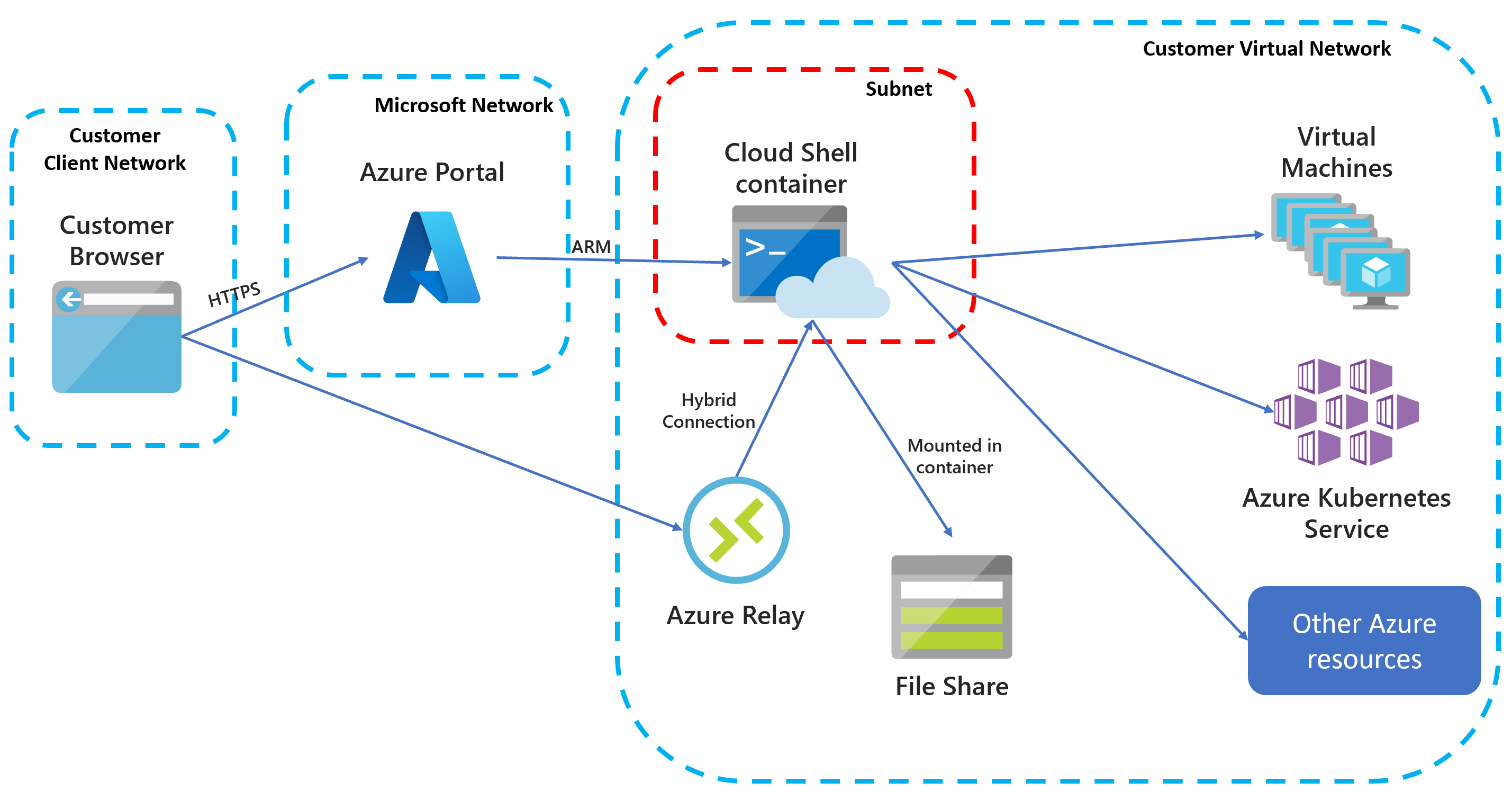
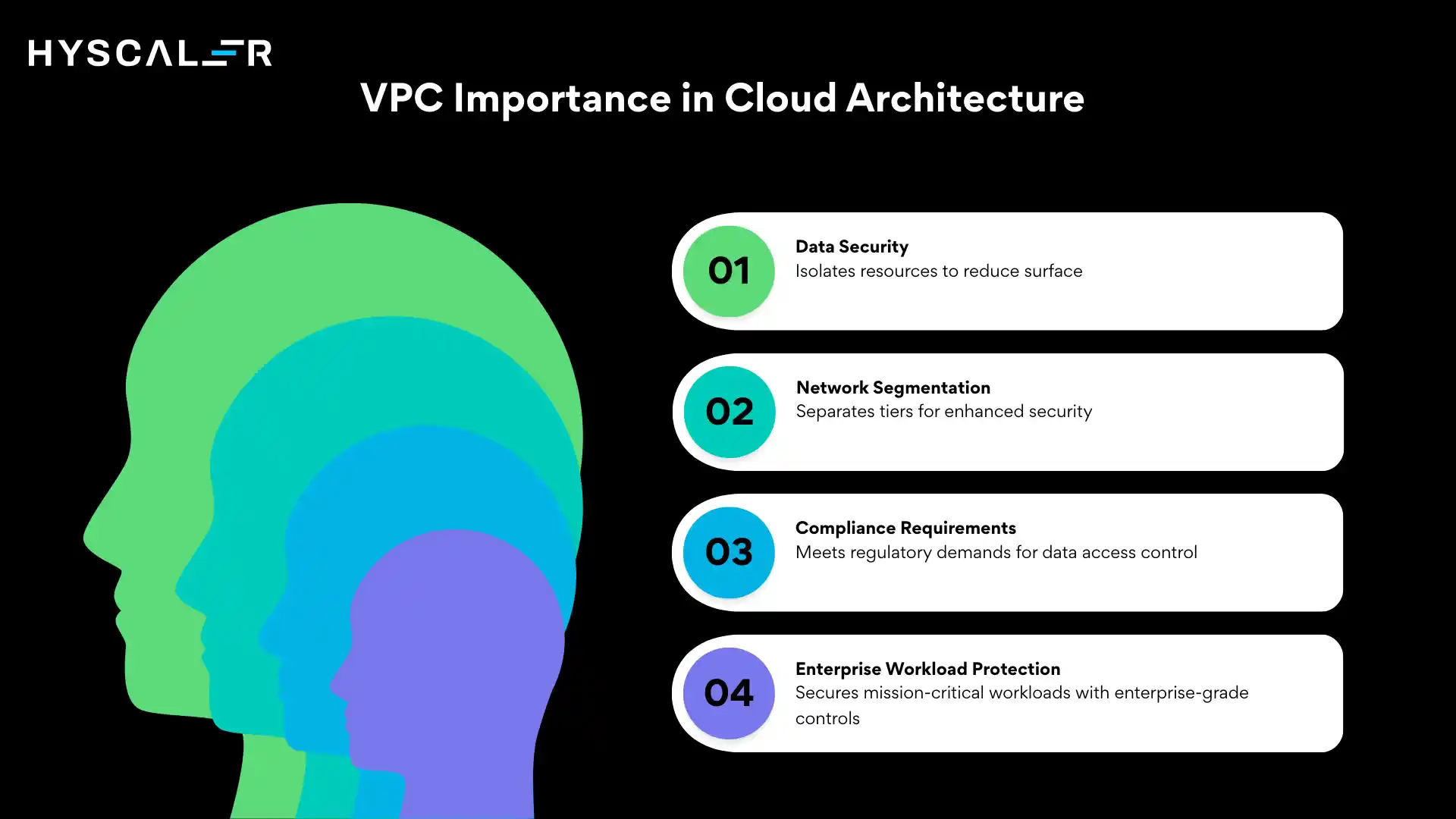
This separation allows for the creation of a Virtual Private Cloud (VPC) or Virtual Network (VNet). These are logically isolated sections of the public cloud provider’s infrastructure. Security within these environments is managed by the hypervisor—the software that creates and runs virtual machines. When a packet moves from one virtual machine (VM) to another, the hypervisor intercepts it and checks it against a set of programmed security rules before allowing it to proceed. This ensures that security is applied at the most granular level possible, rather than only at the edge of the data center.
Micro-segmentation and Granular Access Control
One of the most critical mechanisms of virtual network security is micro-segmentation. Unlike traditional flat networks where a breach of one server allows an attacker to move freely to others, micro-segmentation divides the cloud environment into small, isolated security zones.
Security Groups (Stateful Inspection)
Security Groups act as virtual firewalls for your instances (VMs or containers). They operate at the network interface level, not the subnet level. Security Groups are stateful, meaning if you send a request from your instance, the response traffic for that request is allowed to flow back in regardless of inbound security group rules. This reduces administrative overhead and ensures that established connections are not inadvertently dropped.
Network Access Control Lists (Stateless Filtering)
Network Access Control Lists (NACLs) provide a secondary layer of defense at the subnet level. Unlike Security Groups, NACLs are stateless. This means that both inbound and outbound traffic must be explicitly allowed. For example, if you allow inbound traffic on port 80, you must also create an outbound rule to allow the response to leave the subnet. NACLs are processed in a numbered order, allowing administrators to create "deny" rules that take precedence over "allow" rules, which is essential for blocking specific IP ranges or malicious actors.
| Feature | Security Groups (SG) | Network Access Control Lists (NACL) |
|---|---|---|
| Operational Level | Instance / Network Interface | Subnet Level |
| Stateful/Stateless | Stateful (Returns allowed) | Stateless (Returns must be allowed) |
| Rule Order | All rules evaluated before entry | Rules processed in numbered order |
| Support for "Deny" | Only "Allow" rules (default deny) | Supports both "Allow" and "Deny" rules |
| Application | Applied to specific resources | Applied to all resources in the subnet |
Encryption of Data in Transit
In 2026, encryption is no longer optional in cloud environments; it is a fundamental pillar of virtual network security. While cloud providers secure the underlying physical cables, the virtual network layer employs several protocols to ensure data privacy between nodes.
- TLS/mTLS: Mutual Transport Layer Security (mTLS) is frequently used in microservices architectures. It requires both the client and the server to authenticate each other via certificates, ensuring that traffic between services (east-west traffic) is encrypted and verified.
- IPsec and MACsec: For traffic moving between a corporate data center and the cloud, IPsec VPNs provide an encrypted tunnel over the public internet. Internally, many providers now offer MACsec encryption at the hardware level for dedicated connections like AWS Direct Connect or Azure ExpressRoute, protecting data as it moves through the provider’s backbone.
- VPC Peering Encryption: When two virtual networks are "peered" (connected), the traffic usually stays on the provider's private global network. Modern cloud architectures automatically encrypt this traffic at the physical layer, but users often layer additional encryption to meet regulatory compliance.
Zero Trust Architecture in the Cloud
Modern virtual network security has shifted from "trust but verify" to Zero Trust. In this model, the network location (being "inside" the VPC) is no longer a sufficient proxy for trust. Every request for access must be authenticated, authorized, and encrypted.
This is achieved through Identity-Aware Proxies and Service Meshes. Instead of opening a port for an entire subnet, security policies are tied to the identity of the application or the user. For instance, a web server might only be allowed to communicate with a database if it presents a valid cryptographic token, regardless of its IP address. This significantly reduces the blast radius of a potential credential theft, as the attacker cannot move laterally through the network without the proper identity context.
Virtual Appliances and Deep Packet Inspection
While cloud-native tools like Security Groups are powerful, they often lack the "depth" required for advanced threat detection. To solve this, organizations deploy Virtual Private Cloud (VPC) Ingress Routing and Virtual Appliances.
These appliances are essentially virtualized versions of high-end physical firewalls (such as Palo Alto, Fortinet, or Cisco). By routing all incoming or outgoing traffic through these appliances, security teams can perform Deep Packet Inspection (DPI). This goes beyond looking at ports and IP addresses; it examines the actual payload of the packet to identify signatures of malware, SQL injection attacks, or data exfiltration attempts. In 2026, these appliances are increasingly powered by machine learning models that identify "zero-day" anomalies—traffic patterns that don't match a known signature but deviate from the established baseline of the organization’s network behavior.
Observability and Automated Remediation
You cannot secure what you cannot see. Virtual network security relies heavily on VPC Flow Logs. These logs capture information about the IP traffic going to and from network interfaces in your VPC.
By streaming these logs into a Security Information and Event Management (SIEM) system, organizations can gain real-time visibility into their network posture. In a 2026 environment, this process is largely automated through Cloud Security Posture Management (CSPM) tools. If a developer accidentally opens a Security Group to the entire internet (0.0.0.0/0), the CSPM tool detects the violation of the organization's policy and automatically reverts the change, or "quarantines" the affected instance by moving it to an isolated subnet for investigation.
External Resources for Further Reading
Frequently Asked Questions
What is the difference between a Cloud WAF and a Virtual Firewall?
A Web Application Firewall (WAF) operates at Layer 7 (Application) of the OSI model and is designed specifically to filter HTTP/HTTPS traffic to prevent attacks like Cross-Site Scripting (XSS). A virtual firewall or Security Group typically operates at Layer 3 (Network) and Layer 4 (Transport), controlling traffic based on IP addresses and ports. While both are necessary, the WAF is focused on application logic, while the firewall is focused on network access.
Why do I need NACLs if I already use Security Groups?
NACLs provide a "defense-in-depth" layer. While Security Groups are highly flexible and managed by application owners, NACLs are often managed by network security teams to enforce broad organizational mandates. For example, a security team might use an NACL to block all traffic from a specific country's IP range, ensuring that even if a developer misconfigures a Security Group, the traffic is still blocked at the subnet boundary.
Does virtual network security impact application performance?
Generally, the overhead of cloud-native security controls like Security Groups is negligible because they are implemented in the hypervisor's SDN stack. However, routing traffic through third-party virtual appliances for deep packet inspection can introduce latency. Organizations in 2026 mitigate this by using "Gateway Load Balancers" that distribute traffic across multiple appliances to maintain high throughput.
What is a "Private Link" and how does it improve security?
A Private Link allows you to access cloud services (like a database or storage bucket) over the provider’s private network without the traffic ever traversing the public internet. This removes the need for public IP addresses on your resources, significantly reducing the "attack surface" available to hackers scanning the internet for vulnerabilities.
How does AI-driven security work in virtual networks?
As of 2026, AI-driven security monitors VPC Flow Logs to establish a "pattern of life" for every resource. If a database suddenly starts sending large volumes of data to an unknown external IP at 3:00 AM, the AI triggers an automated block. This is more effective than static rules because it catches "low and slow" data exfiltration that human analysts might miss.
Practical Recommendation
To effectively secure a cloud environment, start by adopting a Default-Deny posture. Ensure that all Security Groups and NACLs block all traffic by default, and only open specific ports and protocols that are strictly necessary for the application to function. Complement this with VPC Flow Logs enabled across all subnets to maintain visibility. For enterprise-grade protection, implement a Transit Gateway or Hub-and-Spoke architecture, which allows you to centralize security inspection for all traffic moving between different virtual networks and the internet.
Image Gallery