University of London Campuses: A Comprehensive Overview
As of 2026, the University of London (UoL) does not exist as a single, fenced-in campus but as a federal network of 17 independent member institutions and several central academic bodies. Its "campuses" are distributed across London, p...
As of 2026, the University of London (UoL) does not exist as a single, fenced-in campus but as a federal network of 17 independent member institutions and several central academic bodies. Its "campuses" are distributed across London, primarily clustered in Bloomsbury, the Strand, South Kensington, and Mile End, offering students a unique decentralized urban university experience.
Contents
Understanding the layout of the University of London requires a shift in perspective. Unlike traditional "campus universities" where all facilities are located behind a single gate, the University of London is a city-wide academic ecosystem. Founded by Royal Charter in 1836, it has grown into a federation where each member institution—such as UCL, King’s College London, or LSE—functions as a university in its own right, maintaining its own campus, identity, and degree-awarding powers, while sharing central resources under the UoL umbrella.
The Federal Structure: One University, Many Campuses
The "federal" nature of the University of London is its most defining characteristic. In 2026, this structure allows for a dual identity: a student is a member of their specific college (e.g., Birkbeck or Royal Holloway) and simultaneously a member of the wider University of London.
This arrangement provides a significant advantage for students. While you might attend lectures in a specific building in East London, you often have the right to access libraries, student housing, and social facilities across the entire federation. The "central" university provides the glue that holds these institutions together, managed largely from the iconic Senate House in Bloomsbury.
The Role of Member Institutions
Each member institution is responsible for its own faculty, research, and campus maintenance. Some, like Queen Mary University of London, offer a traditional self-contained campus feel in Mile End. Others, like King’s College London, are deeply integrated into the fabric of the city, with buildings lining the Thames and the busy streets of Holborn.
The Academic Heart: The Bloomsbury Cluster
Bloomsbury is the spiritual and administrative center of the University of London. Located in the West End, this area has the highest density of academic buildings in the United Kingdom. If you are looking for the "main" campus, this is as close as it gets.
Senate House and Central Services
Senate House is the administrative headquarters of the university. Completed in 1937, this Art Deco masterpiece serves as a landmark for the entire federation. It houses the Senate House Library, one of the world's largest humanities and social science circulating libraries. In 2026, it remains a vital hub for postgraduate researchers and students from all member colleges who seek a quiet, historic space to study.
UCL (University College London)
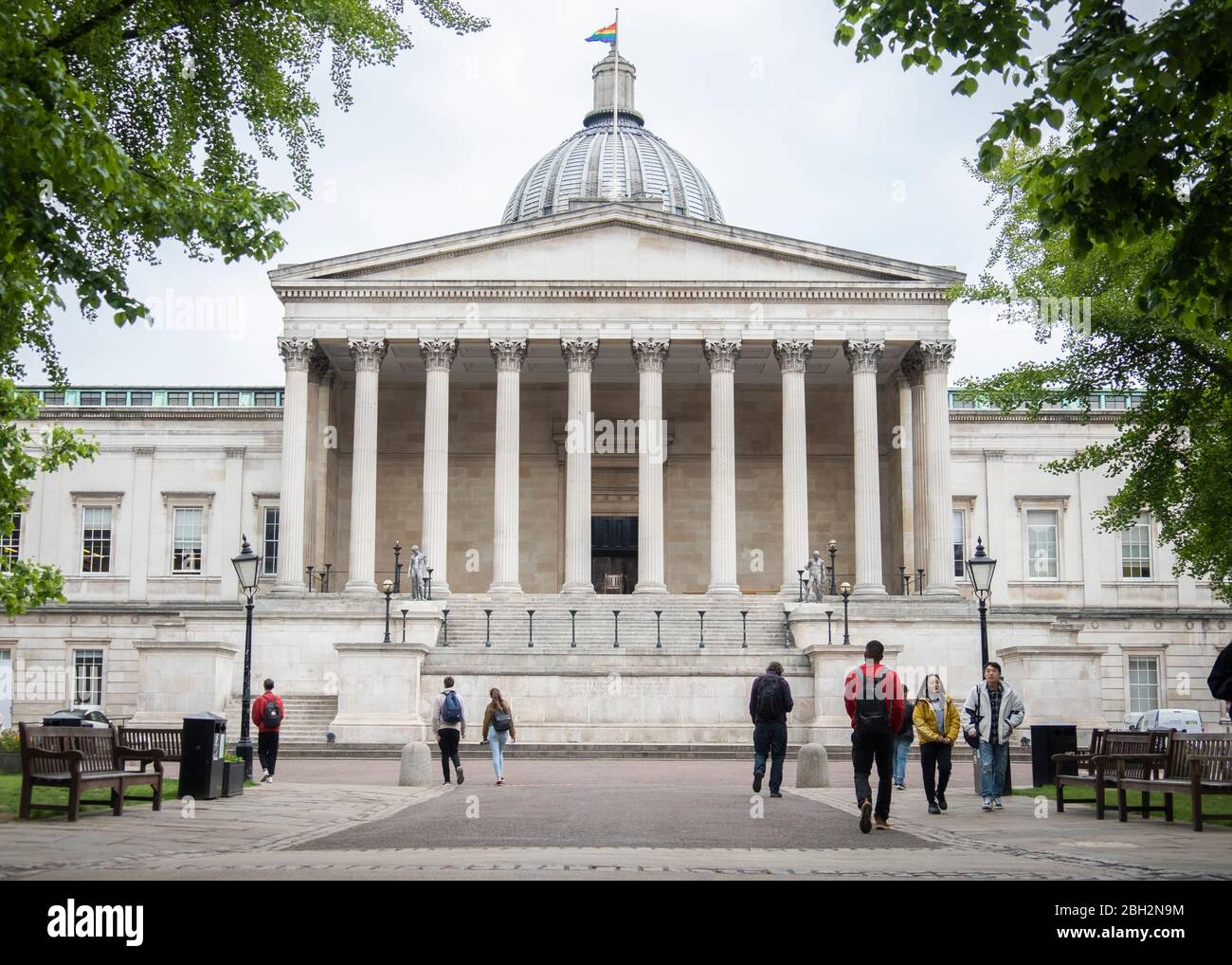
Directly adjacent to Senate House is the main campus of UCL. Centered around the Gower Street quad and the famous "Wilkins Building" with its neoclassical dome, UCL is the largest member of the federation. Its campus is a mix of historic 19th-century architecture and cutting-edge 21st-century laboratories. UCL’s footprint has expanded significantly over the last decade, including the development of UCL East at the Queen Elizabeth Olympic Park, providing a second major campus anchor.
SOAS, Birkbeck, and LSHTM
Within a five-minute walk of Senate House, you find:
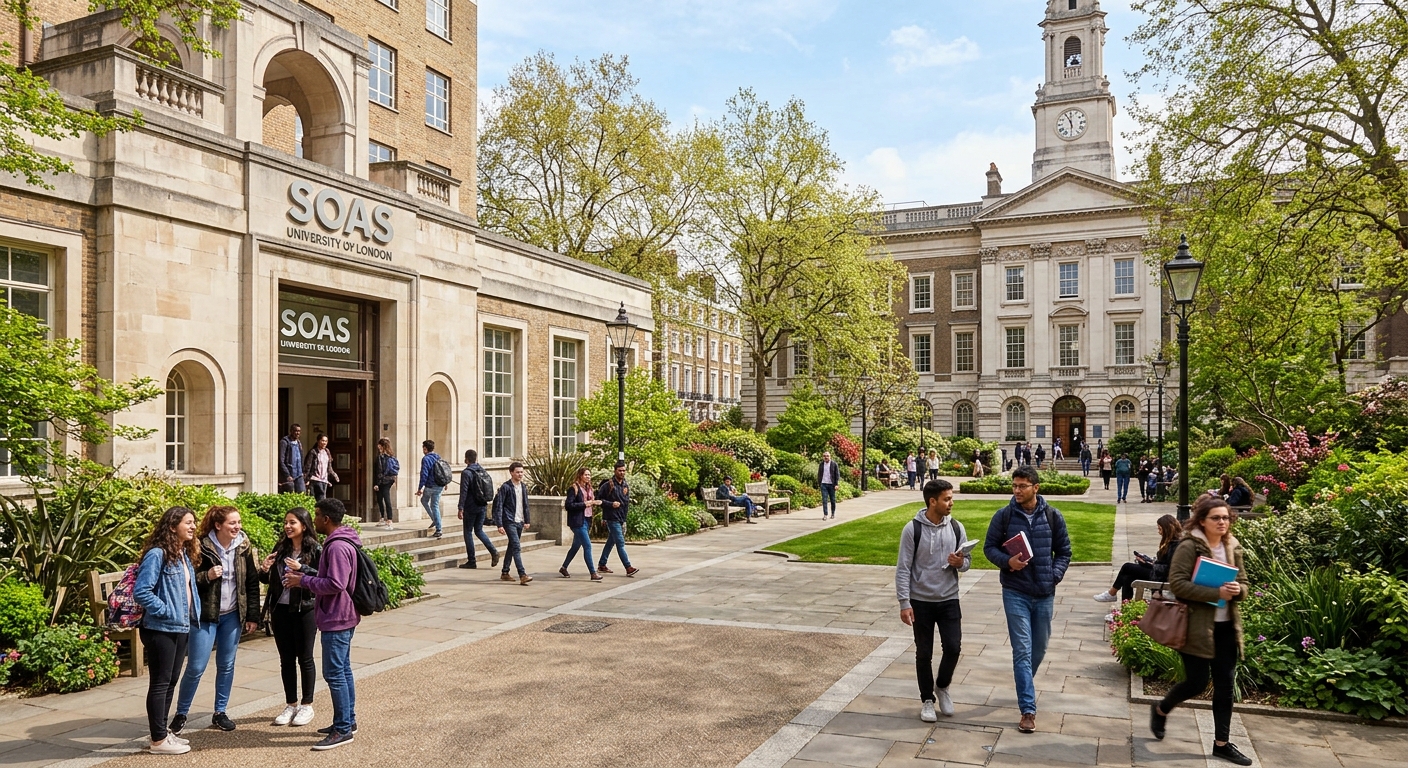
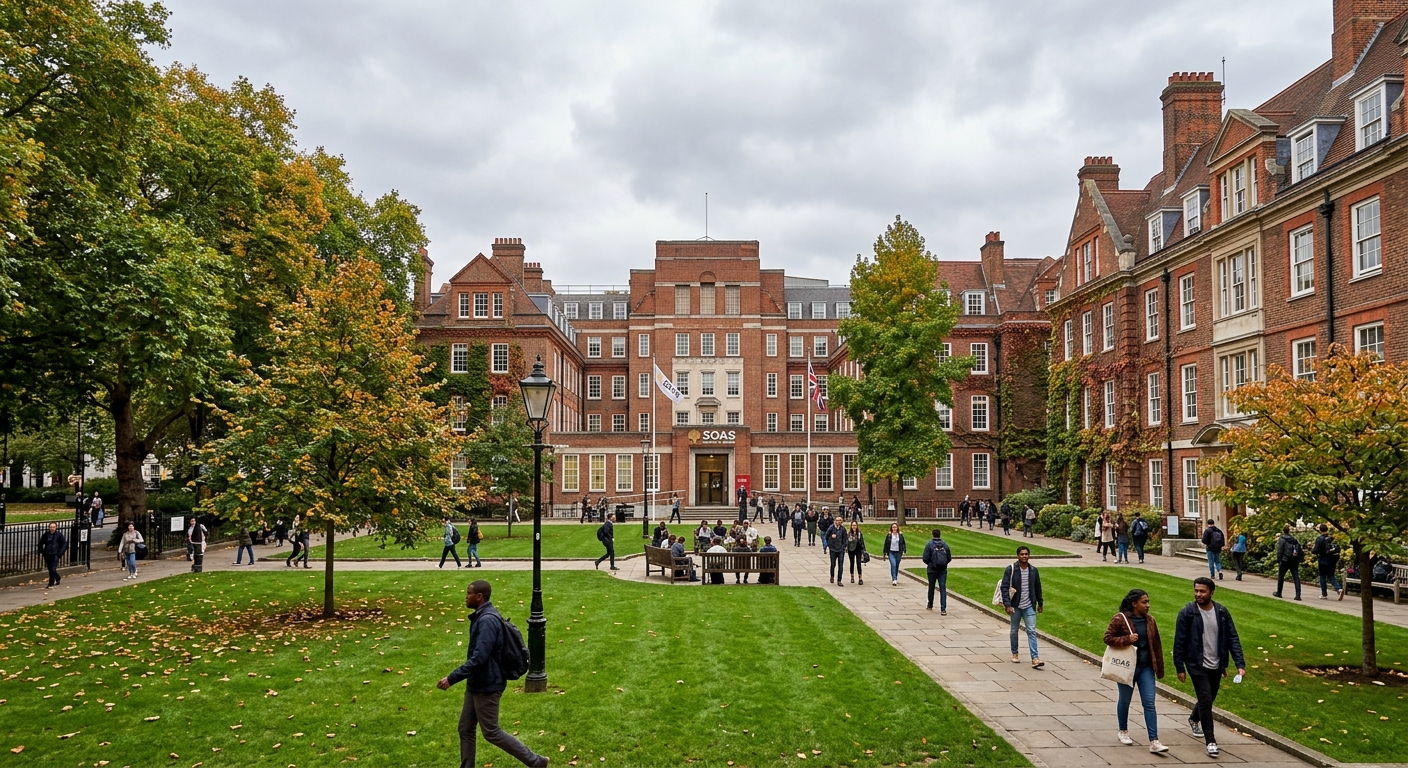
- SOAS University of London: Specialized in the study of Asia, Africa, and the Middle East, located at the northern edge of Russell Square.
- Birkbeck, University of London: Famous for its evening teaching model, its main buildings are situated on Torrington Square.
- London School of Hygiene & Tropical Medicine (LSHTM): A world leader in public health, located on Keppel Street.
Strategic Locations Across Greater London
Beyond the Bloomsbury core, the University of London institutions occupy some of the most valuable real estate in the city, each tailored to its specific academic mission.
The Strand and South Bank (King’s College London)
King’s College London (KCL) operates several campuses. The Strand Campus is perhaps the most iconic, situated next to Somerset House and overlooking the River Thames. It is the hub for arts, sciences, and law. Across the river lies the Waterloo Campus and the Guy’s Campus near London Bridge, which is the center of KCL’s world-renowned medical and dental schools.
Holborn and the London School of Economics (LSE)
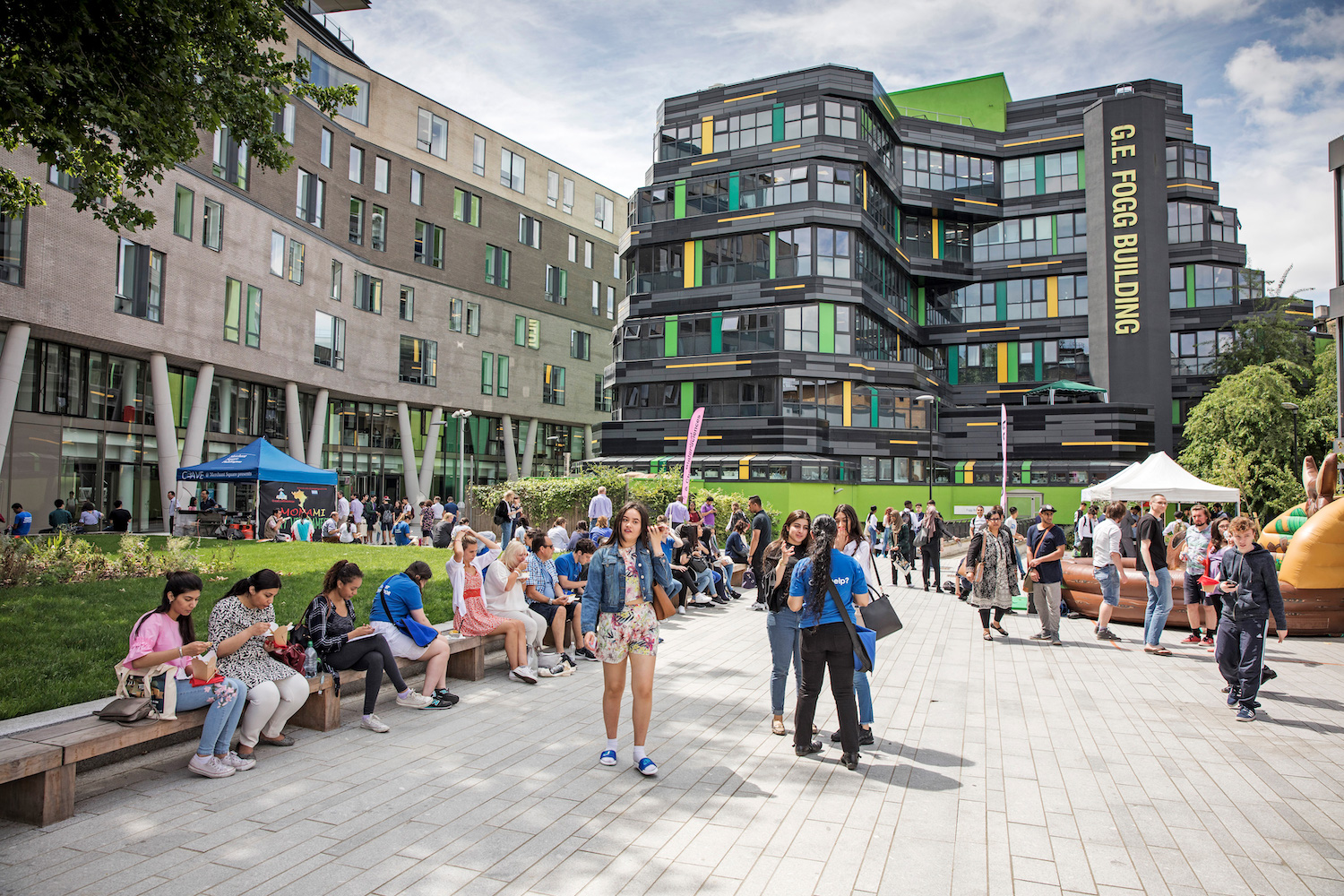
LSE is centered around Houghton Street in Holborn. Over the last several years leading into 2026, LSE has undergone a massive "campus expression" project, pedestrianizing local streets to create an integrated urban campus. Despite being in the heart of the legal and financial district, LSE has managed to create a cohesive environment that feels distinct from the surrounding city bustle.
Mile End: The Self-Contained Experience (Queen Mary)
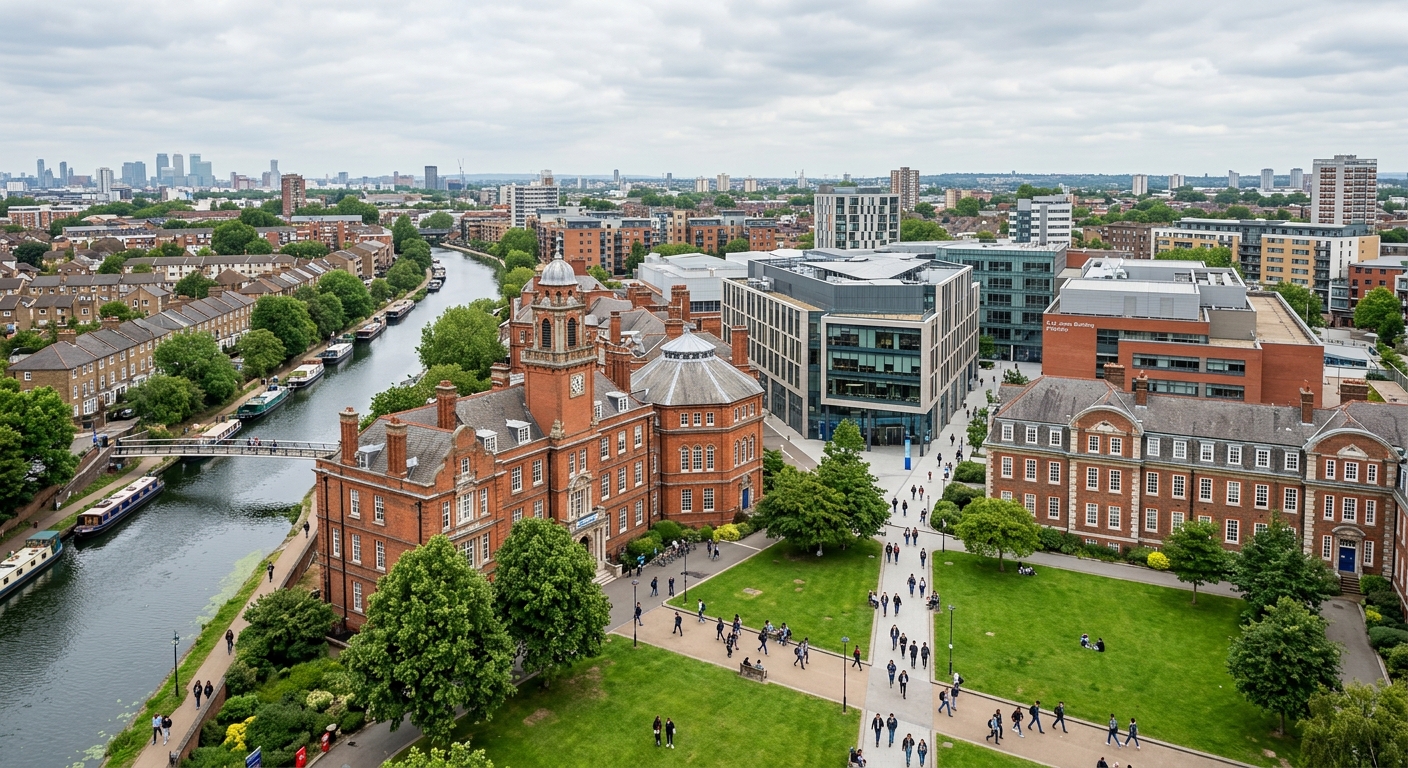
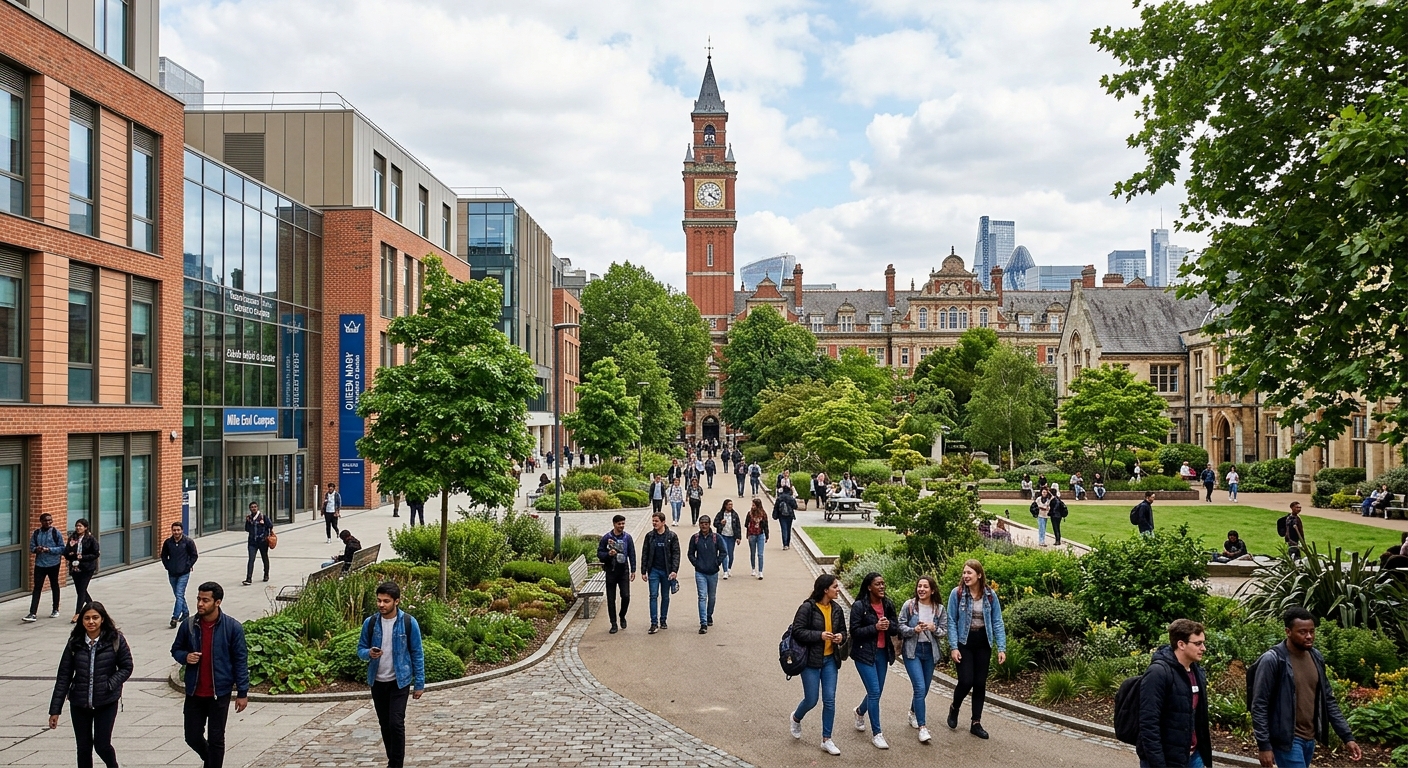
Queen Mary University of London (QMUL) offers a different experience. Its Mile End campus is one of the few in London that is truly self-contained, with student accommodation, teaching spaces, and social facilities all on one site. This provides a traditional "campus vibe" while being only a few stops away from the City and Canary Wharf on the Central Line.
The Merger of City and St George’s
By 2026, the landscape has evolved with the formal merger of City, University of London and St George’s, University of London, creating City St George’s, University of London. This institution spans from the professional and financial hub of Northampton Square in Clerkenwell to the specialized healthcare campus at St George’s Hospital in Tooting, South London.
Comparison of Major University of London Campuses
| Member Institution | Primary Location | Campus Type | Notable Specialization |
|---|---|---|---|
| UCL | Bloomsbury / Stratford | Multi-site Urban | Multidisciplinary / Medicine |
| King's College London | The Strand / Guy's | Distributed Urban | Law / Healthcare / War Studies |
| LSE | Holborn | Integrated Urban | Economics / Political Science |
| Queen Mary | Mile End | Self-contained | Sciences / Humanities / Medicine |
| City St George’s | Clerkenwell / Tooting | Split-site | Business / Journalism / Medicine |
| Goldsmiths | New Cross | Creative Hub | Arts / Design / Sociology |
| Royal Holloway | Egham (Surrey) | Traditional Estate | Victorian Gothic Architecture |
Shared Resources and Student Life
One of the primary benefits of the University of London system is the Intercollegiate nature of student life. Even if your home campus is a small college like the Royal Academy of Music, you are part of a massive community.
Intercollegiate Halls of Residence
The university operates several large halls of residence that house students from all 17 member institutions. Locations like The Garden Halls in Bloomsbury or International Hall near Russell Square allow students from LSE to live alongside students from Courtauld Institute of Art, fostering a multidisciplinary social environment.
The University of London Careers Service
Students have access to one of the UK's most comprehensive careers services. While each college has its own career office, the central UoL service provides access to a wider network of London-based employers, internships, and recruitment fairs held at Senate House.
Access to Libraries
The Senate House Library acts as the central repository, but there is also a reciprocal access agreement. Under certain conditions and schemes (such as SCONUL Access), students can often use the libraries of other member institutions, providing a vast array of study spaces across the city.
Logistics: Navigating the London "Campus"
Living and studying across a city-wide campus requires practical knowledge of London's infrastructure. In 2026, the university remains heavily integrated with the Transport for London (TfL) network.
- Transport: Most campuses are within walking distance of major London Underground stations. The Elizabeth Line has significantly reduced travel time between the central Bloomsbury hub and the eastern/western campus outposts like Queen Mary or Royal Holloway’s central London base.
- Student Discounts: Students enrolled at any UoL institution are eligible for the 18+ Student Oyster photocard, which provides a 30% discount on travelcards and bus/tram passes.
- Safety: Because the "campus" is the city itself, the university invests heavily in "SafeZone" apps and coordinated security efforts between the individual colleges and the City/Metropolitan police.
The Global Campus: Distance Learning
It is important to note that the University of London also maintains a "virtual" campus. Through the University of London Worldwide, over 40,000 students globally study for UoL degrees without ever visiting London. While they lack a physical campus footprint, these students are still considered full members of the university community, with access to digital library resources and, in 2026, increasingly sophisticated VR-enabled seminar rooms.
Common Mistakes to Avoid
- Assuming a Central Administration for Everything: Do not contact Senate House for specific course applications. You must apply directly to the individual member institution (e.g., apply to UCL, not the University of London).
- Underestimating Travel Time: While Bloomsbury is central, getting from a lecture at King’s (Strand) to a meeting at Queen Mary (Mile End) can take 30-40 minutes.
- Confusing Imperial College London: Note that Imperial College London is no longer a member of the University of London; it became fully independent in 2007.
Frequently Asked Questions
Which is the main campus of the University of London?
There is no single "main" campus. However, Senate House in Bloomsbury serves as the administrative center and contains the central library. Most people consider the Bloomsbury area (housing UCL, SOAS, and Birkbeck) to be the university's primary geographic hub.
Can a student at one UoL college use the gym at another?
Generally, no. Gym facilities are usually managed by the individual college unions. However, students at all member institutions can join Student Central (the former UoL Union) organizations and sports clubs, which often use shared facilities or the Energybase gym in Bloomsbury.
Is Royal Holloway in London?
While Royal Holloway, University of London is a member institution, its main campus is located in Egham, Surrey, about 20 miles outside central London. It is famous for its stunning Victorian Founder’s Building, modeled after the Château de Chambord. It offers a more traditional, rural campus experience while remaining part of the London federation.
Does the University of London provide its own degrees?
Yes and no. Most of the larger colleges (UCL, King’s, LSE) now have their own degree-awarding powers and issue degrees in their own name. However, some students still receive degrees "from the University of London," and all students are entitled to attend a central graduation ceremony at the Barbican or Royal Albert Hall.
How do I apply to the University of London?
Applications are made through UCAS for undergraduate courses or directly to the specific member institution for postgraduate study. There is no single application portal for the entire University of London federation.
Next Steps for Prospective Students
If you are considering studying at a University of London institution, your next action should be to identify which member college aligns with your academic interests. Visit the official University of London website to explore the list of member institutions. Once you have narrowed down a college, check their specific campus tour dates; most colleges offer virtual tours or in-person open days throughout the year to help you get a feel for their specific "slice" of London.
Image Gallery