A Comprehensive Guide to Getting Skinny Jeans: Selection, Fit, and Fabric Standards in 2026
Getting the perfect pair of skinny jeans involves evaluating three critical factors: fabric recovery, rise height, and the specific taper of the leg opening. To ensure a flattering fit that maintains its shape, prioritize denim with a...
Getting the perfect pair of skinny jeans involves evaluating three critical factors: fabric recovery, rise height, and the specific taper of the leg opening. To ensure a flattering fit that maintains its shape, prioritize denim with a 2% to 4% elastane blend and a "high-recovery" weave that prevents sagging at the knees and seat.
Contents
Skinny jeans have transitioned from a fleeting trend to a foundational wardrobe staple. While wider silhouettes have seen a resurgence in recent years, the skinny jean remains essential for its ability to create a streamlined profile and pair seamlessly with oversized layers or structured footwear. However, the technical specifications of "getting it right" have evolved. In 2026, the focus has shifted from mere tightness to engineered comfort and sustainable construction.
Understanding Modern Denim Construction
Before purchasing, it is vital to understand the technical composition of the fabric. Traditional raw denim—often 100% cotton—is rarely used for skinny cuts because it lacks the necessary "give" for a tight silhouette. Instead, modern skinny jeans utilize multi-component yarns.
Fabric Weight and Ounces
Denim is measured in ounces per square yard (oz). For skinny jeans, the ideal weight typically falls between 9 oz and 12 oz.
- Lightweight (Under 9 oz): These feel more like leggings or "jeggings." While comfortable, they often lack the structural integrity to hide undergarment lines or provide a true denim aesthetic.
- Mid-weight (10–12 oz): This is the "sweet spot" for 2026. It provides enough thickness to look like authentic denim while remaining flexible enough for a close-to-skin fit.
- Heavyweight (Over 13 oz): Generally avoided in skinny fits as the fabric is too stiff to allow for the necessary range of motion in a tapered leg.
The Science of Stretch and Recovery
The most common mistake when getting skinny jeans is ignoring "recovery." Stretch refers to how much the fabric expands, while recovery refers to its ability to snap back to its original shape. High-quality skinny jeans often incorporate Lycra DualFX technology or similar T400 polyesters. These materials involve two stretch fibers twisted together, ensuring that the jeans do not "bag out" at the knees or waist after a few hours of wear. When checking labels, look for a blend of cotton, a small percentage of polyester (for durability), and 2-4% elastane or spandex.
Determining the Ideal Fit: Rise, Inseam, and Leg Opening
A "skinny" fit is not a universal measurement. It is defined by the relationship between three key dimensions.
1. The Rise
The rise is the distance from the crotch seam to the top of the waistband.
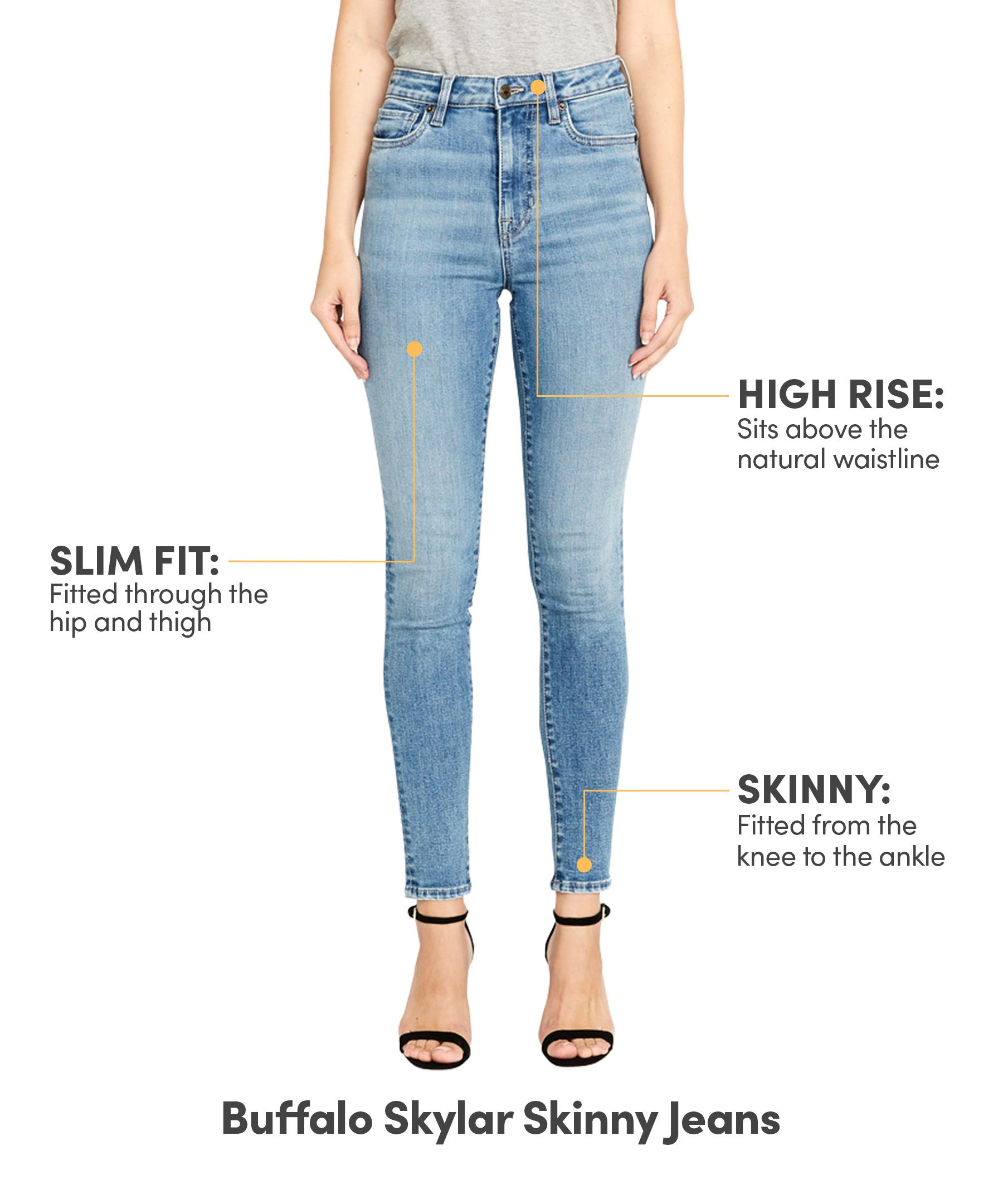
- High Rise (10+ inches): Hits above the belly button. This is the most popular choice in 2026 for skinny jeans as it provides maximum coverage and security, especially when sitting.
- Mid Rise (8–9 inches): Sits between the hips and the navel. This is the most versatile option for various body types and avoids the potential discomfort of a very high waistband.
- Low Rise (7 inches or less): Sits on the hips. While seeing a niche stylistic revival, it requires a very specific fit to ensure the jeans stay in place during movement.
2. The Inseam
Getting the length right is crucial for skinny jeans because excess fabric creates "stacking" at the ankle, which can ruin the streamlined look.
- Full Length: Should hit just at or slightly above the ankle bone.
- Cropped/Ankle: Hits 1–2 inches above the ankle bone, ideal for showcasing sneakers or loafers.
- The "Rule of Thumb": If you have more than two inches of bunched fabric at the bottom, the inseam is too long. In 2026, many premium retailers offer "bespoke-length" services to hem skinny jeans to the exact centimeter.
3. The Leg Opening
A true skinny jean should follow the contour of the calf and taper significantly toward the ankle. A standard leg opening for a skinny fit ranges from 10 to 12.5 inches in circumference. If the opening is wider than 13 inches, the garment leans more toward a "slim" or "straight" fit rather than a true skinny.
Evaluating Quality and Durability
Price does not always equate to quality, but certain construction details are non-negotiable for a pair of jeans intended to last several years.
- Stitched Reinforcements: Check the "bar tacks"—the small, dense zig-zag stitches at the corners of pockets and the base of the fly. These prevent tearing under the high tension typical of skinny fits.
- Hardware: Quality zippers (such as YKK) and copper or brass rivets are indicators of longevity. In 2026, many brands have moved toward "retraceable" hardware that can be easily removed for recycling.
- The Waistband: A "contoured waistband" is sewn in a slight arc rather than a straight line. This allows the jeans to follow the natural curve of the lower back, preventing the common "gap" at the rear of the waist.
2026 Skinny Jean Comparison Table
The following table compares the primary categories of skinny jeans available in the current market to help you decide which fits your specific needs.
| Category | Primary Benefit | Stretch Level | Typical Price Range (USD) | Best For |
|---|---|---|---|---|
| Performance Denim | High durability/recovery | 15% - 25% | $120 - $180 | Daily commuting and active use. |
| Classic Stretch | Authentic denim look | 5% - 10% | $60 - $100 | General fashion and casual wear. |
| Sculpt/Compression | Shaping properties | 30%+ | $150 - $220 | Evening wear and "dressed up" looks. |
| Sustainable/Organic | Eco-friendly footprint | Variable | $90 - $150 | Environmentally conscious shoppers. |
| Raw Skinny | Personalized fading | 0% - 1% | $200+ | Denim enthusiasts/Purists. |
Sustainable Sourcing in 2026
When getting skinny jeans today, environmental impact is a significant factor. Traditional denim production is water-intensive and often involves harsh chemicals for "distressing."
Look for brands utilizing Jeanologia EIM (Environmental Impact Measuring) scores. These scores grade a garment’s production based on water consumption, energy use, and chemical impact. A "low impact" score (0-33) is the gold standard. Additionally, many 2026 manufacturers use laser-finishing to create faded looks rather than pumice stones or bleach, which preserves the integrity of the cotton fibers and extends the life of the jeans.
Common Mistakes to Avoid
- Sizing Down Too Aggressively: While it is a common myth that you should buy skinny jeans one size too small so they "stretch out," this often leads to "fiber breakage." If the elastane is stretched to its absolute limit constantly, it will eventually snap, leading to permanent ripples in the fabric (often called "smiling" at the crotch or knees).
- Ignoring the "Yoke": The yoke is the V-shaped section at the back of the jeans. A deeper, more pronounced V-shape provides a more lifted and shaped appearance to the glutes. A flat yoke can make the fit look boxy.
- Washing Too Frequently: Heat is the enemy of elastane. To keep skinny jeans tight, wash them as infrequently as possible, always in cold water, and never put them in a high-heat dryer. Air drying is essential for maintaining the elasticity of the fibers.
FAQ
How can I tell if skinny jeans are too tight? If you see horizontal "whiskering" or pull-lines across the crotch or hips, the jeans are too tight. Furthermore, if the waistband digs into your skin to the point of discomfort while sitting, or if you cannot comfortably pinch a small amount of fabric at the thigh, you should size up. The fabric should skim the body, not compress it painfully.
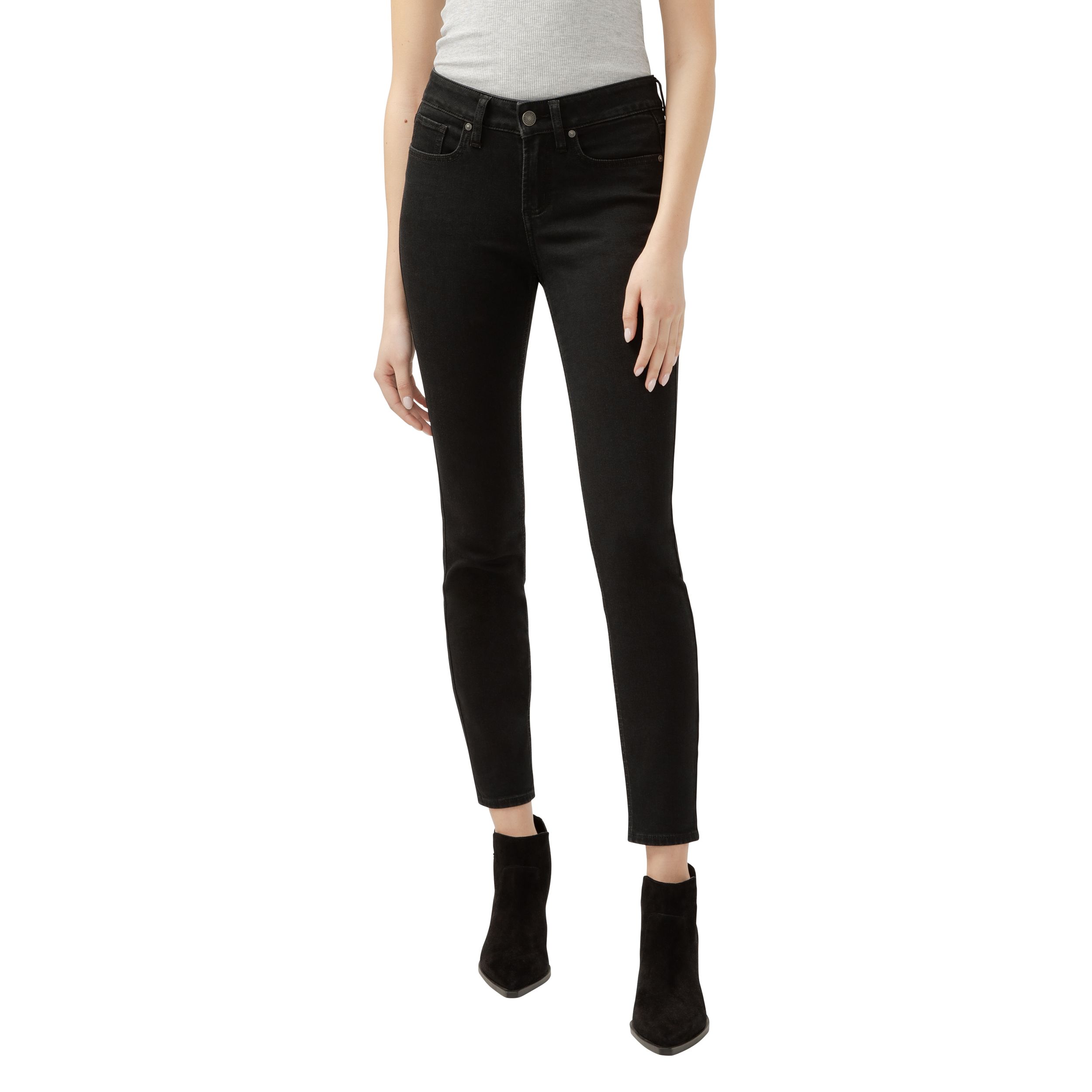
What is the best way to maintain the color of black skinny jeans? Black skinny jeans are notorious for fading into a dull grey. To prevent this, look for "stay-black" technology, which involves a specific dyeing process where the sulfur dye is deeply embedded in the core of the yarn. When washing, turn them inside out and use a detergent specifically formulated for dark colors.
Do skinny jeans work for athletic builds with large calves? Yes, but you must look for "athletic skinny" cuts. These are designed with extra room in the seat and thigh but retain the narrow leg opening. Additionally, ensure the elastane content is at least 3% to accommodate calf muscle expansion while walking.
Is there a difference between "skinny" and "super skinny"? Yes. "Skinny" jeans generally follow the leg but leave a tiny bit of breathing room at the ankle and calf. "Super skinny" or "spray-on" jeans are designed to fit like a second skin from the waist all the way to the ankle, often utilizing much higher percentages of stretch fibers to allow the foot to pass through the very narrow leg opening.
What shoes pair best with skinny jeans in 2026? The streamlined ankle of skinny jeans makes them ideal for footwear that hits at or above the ankle. Chelsea boots, high-top sneakers, and combat boots are classic pairings. For a more modern 2026 look, skinny jeans are often paired with "chunky" tech-runners to create a visual contrast between the slim leg and the substantial footwear.
Final Recommendation
When getting skinny jeans, do not prioritize the tag size over the actual feel of the fabric and the silhouette in the mirror. Visit a retailer that allows you to test the "recovery" of the denim—squat and move around in the fitting room. If the knees remain bagged out after you stand up, the quality is insufficient. Aim for a mid-to-high rise in a 10-12 oz weight for the most durable and versatile addition to your wardrobe.
Image Gallery