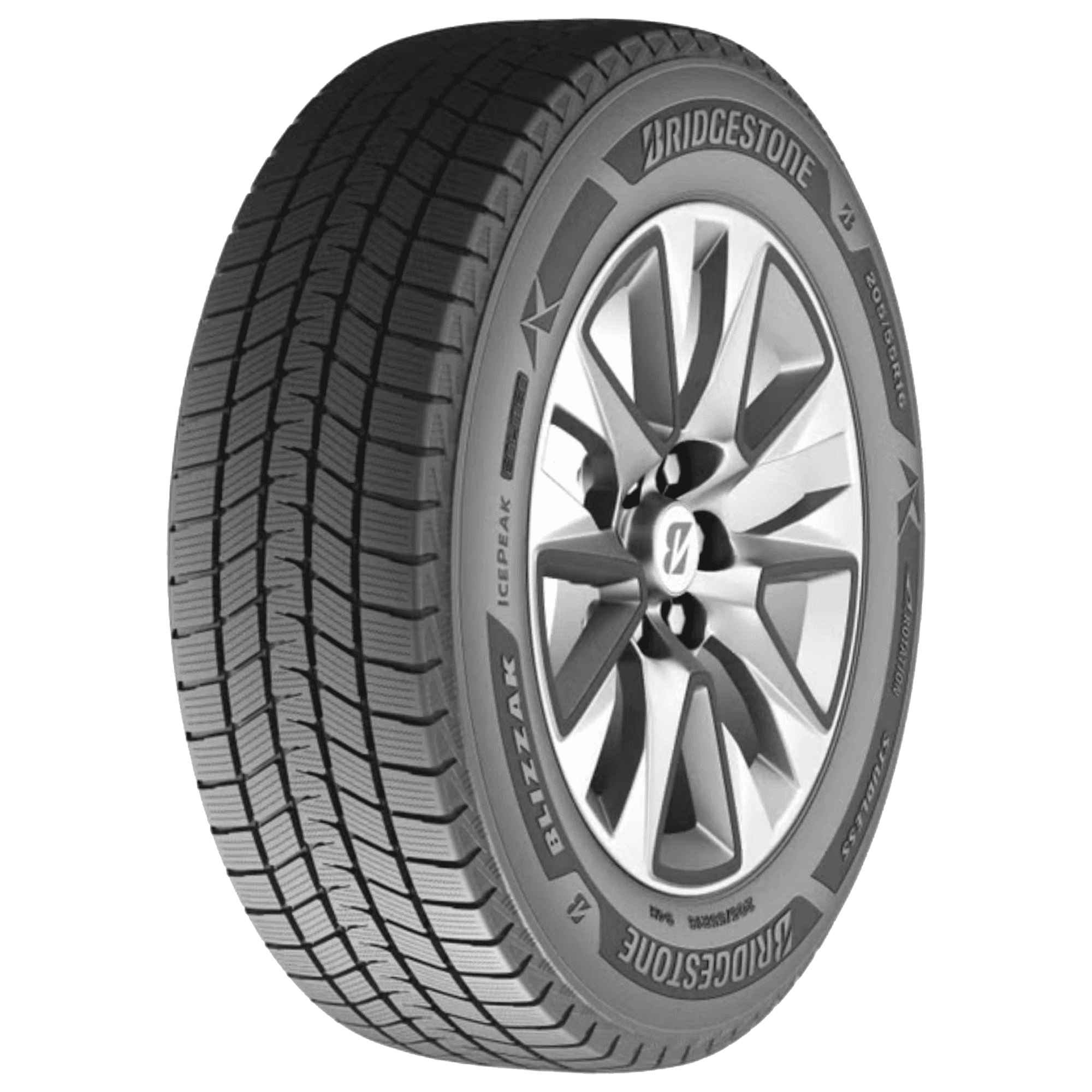
Comprehensive Bridgestone Blizzak Tire Reviews for 2026
Bridgestone Blizzak tires are widely considered the industry benchmark for non-studded winter performance, particularly in extreme ice and packed snow conditions. By utilizing proprietary Multicell technology to dissipate microscopic w...
Bridgestone Blizzak tires are widely considered the industry benchmark for non-studded winter performance, particularly in extreme ice and packed snow conditions. By utilizing proprietary Multicell technology to dissipate microscopic water films on frozen surfaces, models like the WS90 and DM-V2 provide significantly shorter braking distances and superior lateral grip compared to standard all-season or entry-level winter tires.
Contents
The Science of Winter Grip: Why Blizzak Leads the Market
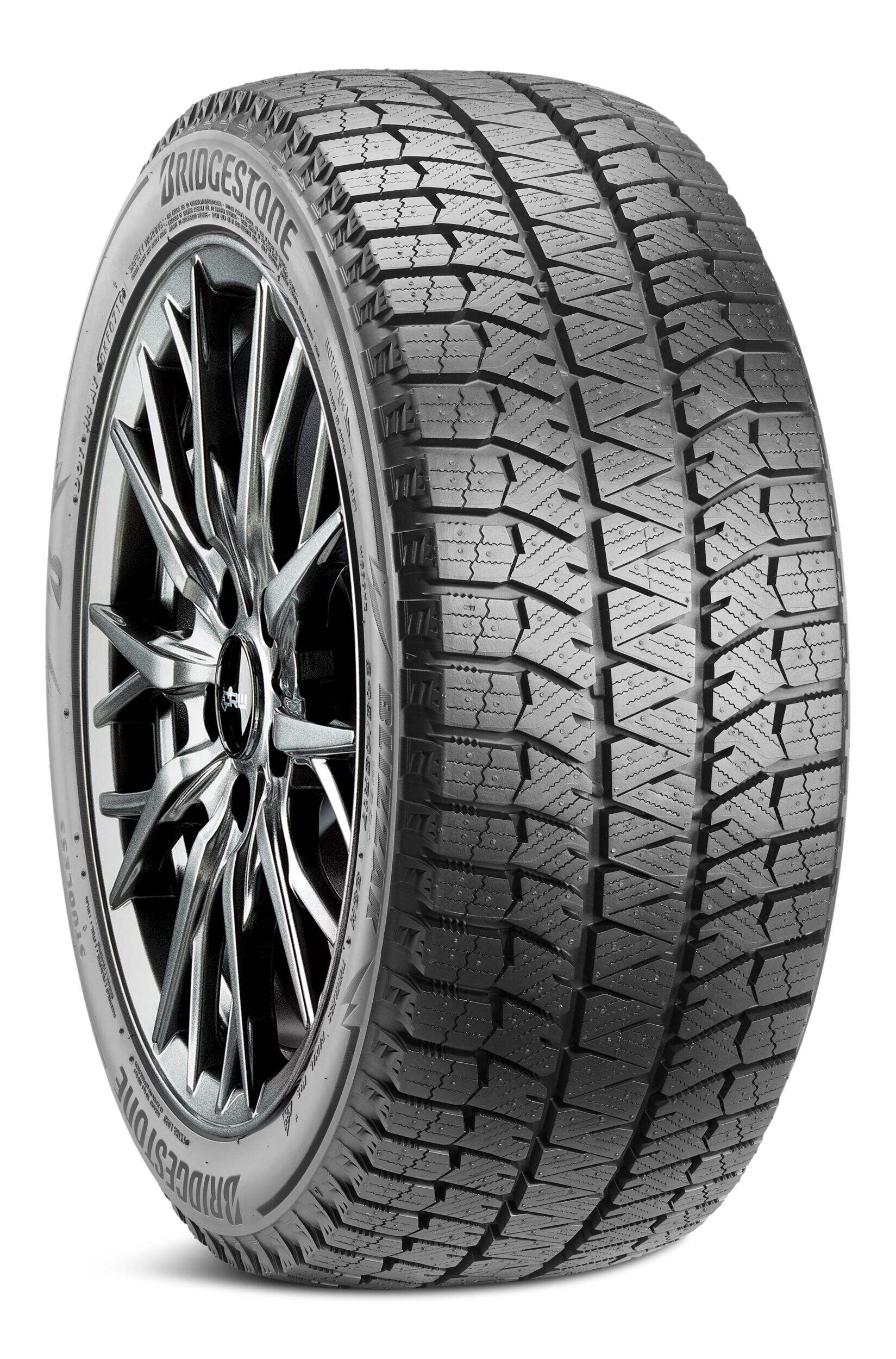
To understand any modern Blizzak tire review, one must first understand the "Multicell" compound that serves as the foundation of the brand’s reputation. When a vehicle drives over ice, the pressure and friction create a microscopic layer of water. This thin film acts as a lubricant, which is why cars often slide uncontrollably. Bridgestone’s engineers developed a specialized rubber compound containing millions of microscopic pores.
These pores act like tiny sponges, physically absorbing the water film and allowing the solid rubber to make direct contact with the ice. In 2026, while other manufacturers have developed their own "hydrophilic" coatings, Bridgestone’s Multicell remains a top-tier solution for deep-freeze environments. Furthermore, the tires contain "bite particles"—hardened elements embedded in the rubber that act like miniature studs to scratch the ice surface for additional mechanical traction.
However, potential buyers should be aware of the "compound transition." In many Blizzak models, the specialized Multicell compound makes up approximately the top 51% to 55% of the tire's tread depth. Once this layer is worn away, the tire transitions to a standard winter compound. While still capable in snow, the extreme ice-braking advantage diminishes significantly once the tire is half-worn.
Model Analysis: Choosing the Right Blizzak for Your Vehicle
The Blizzak family is segmented to cater to different vehicle classes and driving styles. Choosing the wrong model can lead to premature wear or sub-optimal handling.
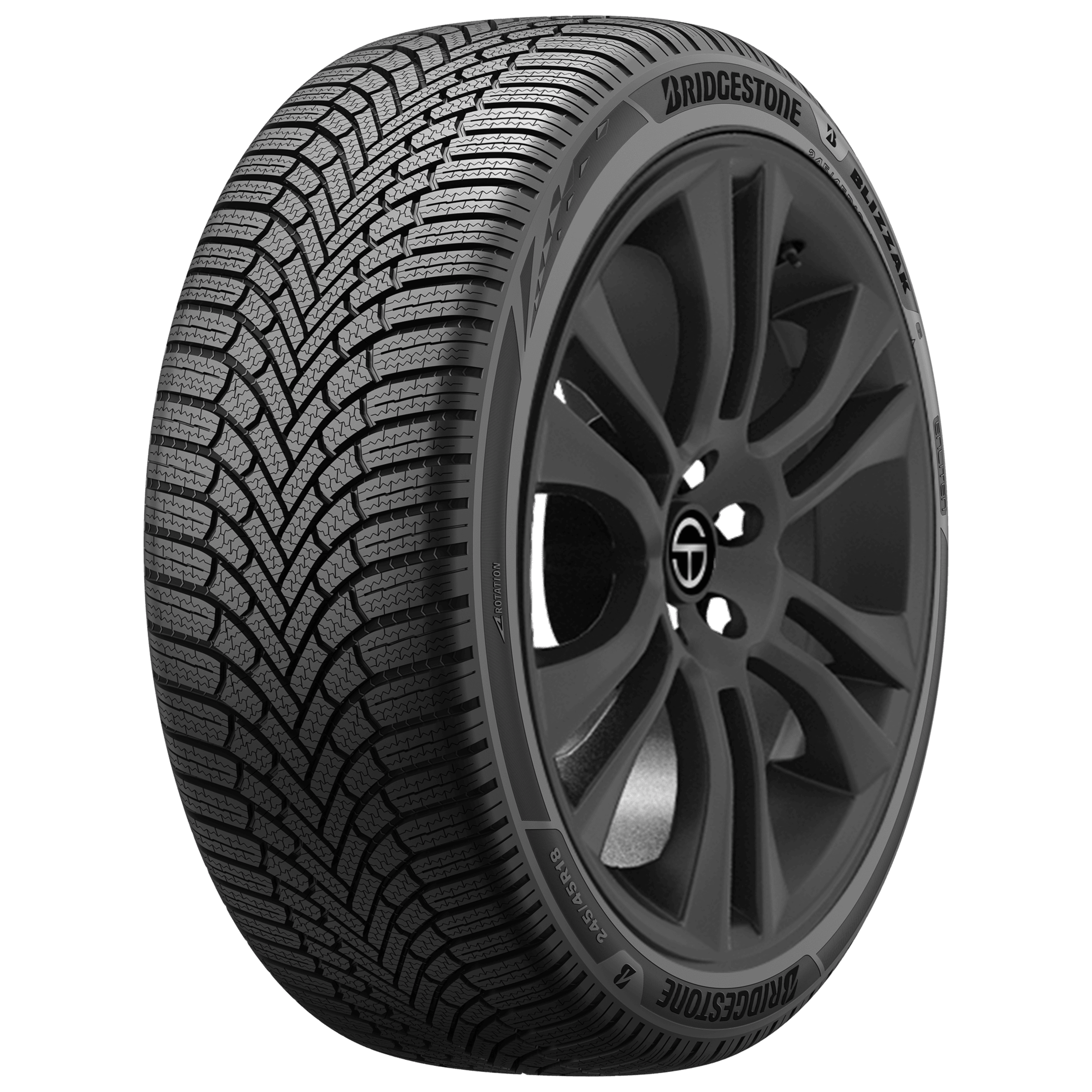
Blizzak WS90: The Passenger Car Standard
The WS90 is the successor to the legendary WS80 and remains the flagship for coupes, sedans, and minivans. Bridgestone updated the WS90 with a more rigid tread block design to improve steering response on dry pavement—a traditional weak point for winter tires.
- Ice Performance: Exceptional. It consistently ranks in the top tier for stopping distances on black ice.
- Snow Traction: The interlocking sipes (tiny slits in the tread) provide thousands of "biting edges" that grab onto snow, making it highly effective in unplowed residential streets.
- Dry Handling: Improved over older generations, though still softer than a performance winter tire.
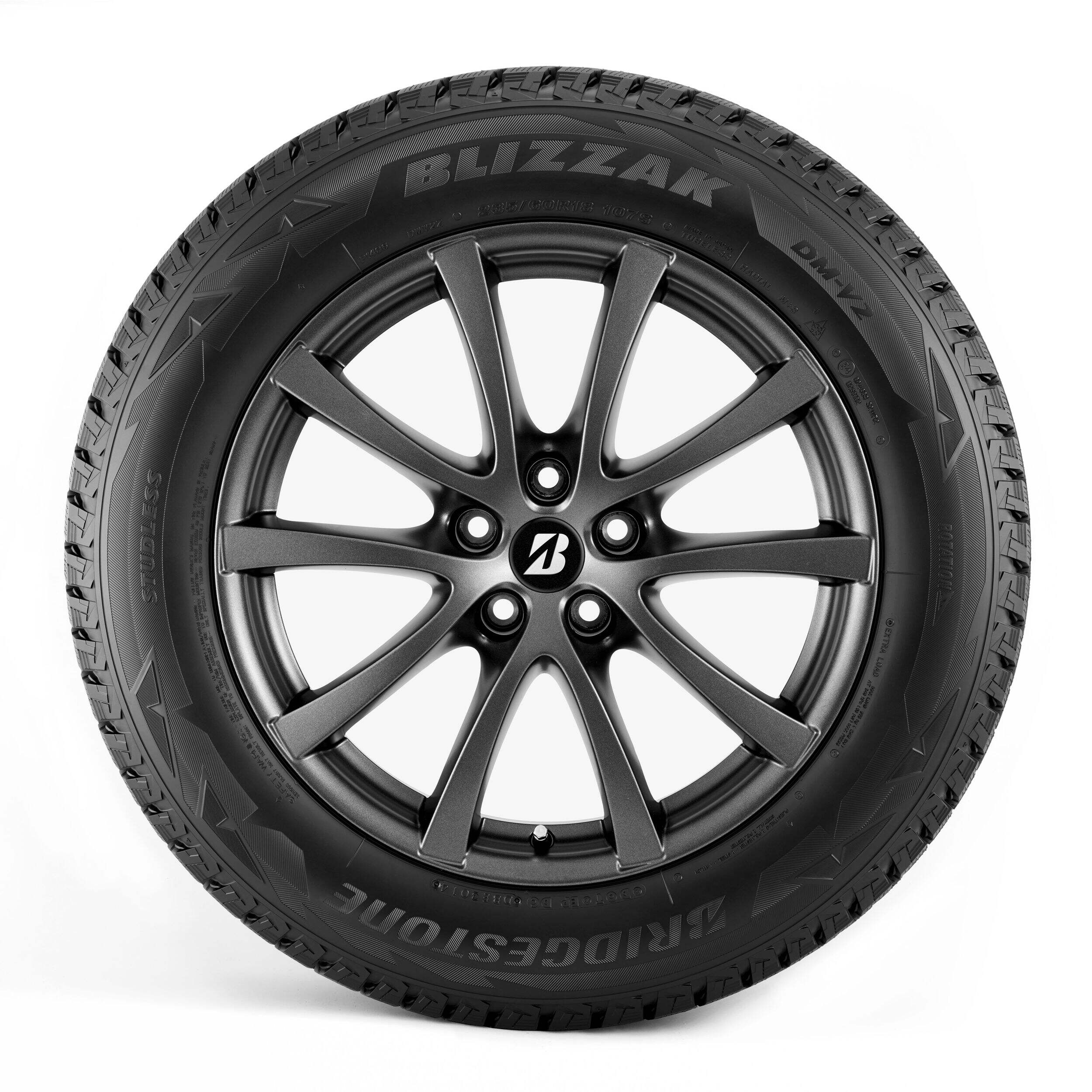
Blizzak DM-V2: Engineered for SUVs and Crossovers
The DM-V2 is designed for the heavier curb weights and higher centers of gravity found in SUVs and light trucks. It features a specialized contact patch shape that helps distribute weight evenly, preventing the "squishy" feeling often associated with winter rubber on a heavy vehicle.
- Slush Management: The tread pattern features wide circumferential grooves that excel at evacuating slush and heavy water, reducing the risk of hydroplaning during mid-winter thaws.
- Durability: Because SUVs apply more force during cornering and braking, the DM-V2 uses a slightly more robust internal structure to maintain the tire’s profile under load.
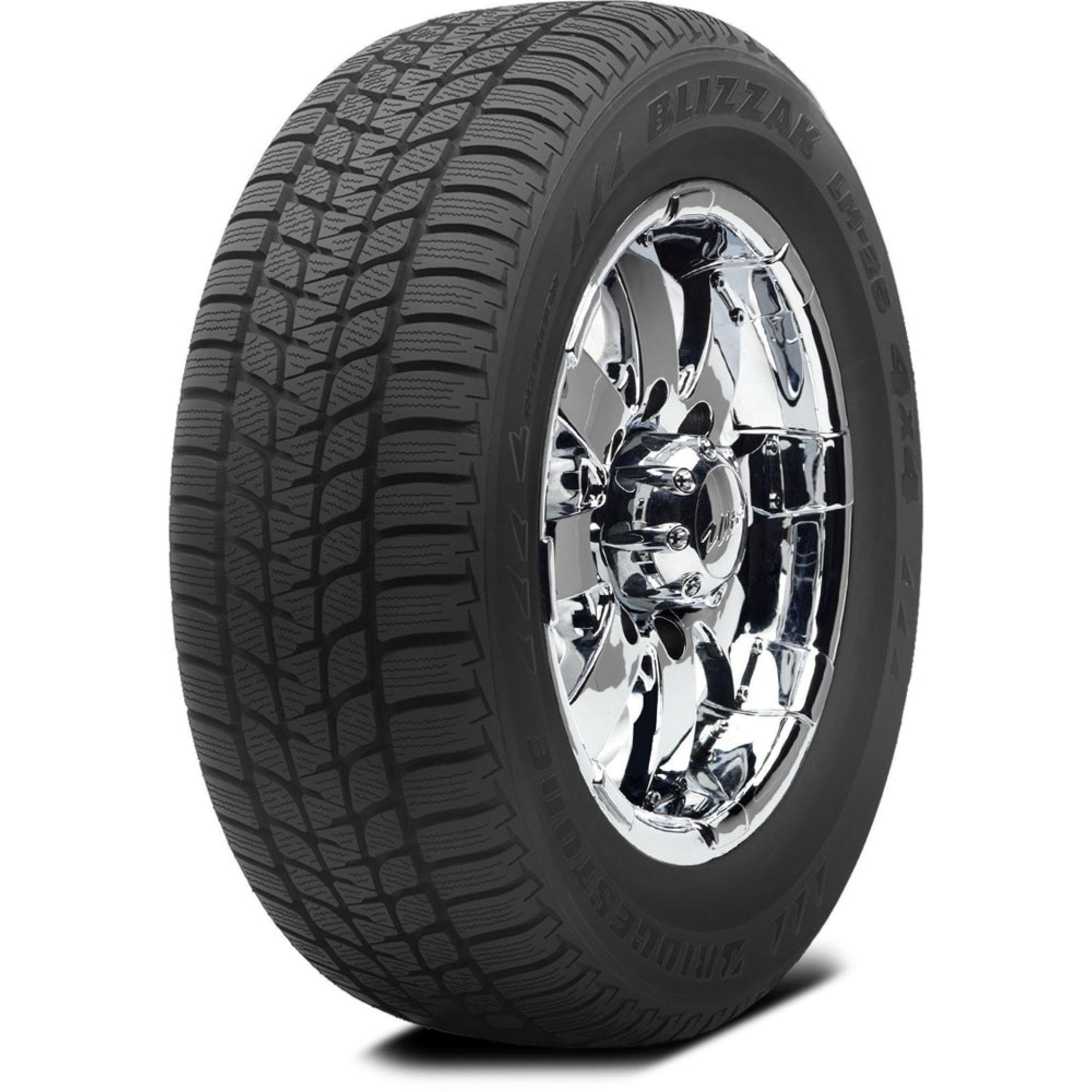
Blizzak LM-005 and the LM Series: High-Performance Winter
For drivers of sports cars or high-end European sedans, the LM (Lamellen) series offers a different priority. These tires are designed for "wet" winters—common in coastal areas or regions where roads are salted and plowed quickly. The LM-005, in particular, focuses on wet grip and high-speed stability.
- Wet Grip: Often carries an "A" rating for wet braking, making it superior to the WS90 in rainy, 35-degree weather.
- Speed Rating: These tires typically have higher speed ratings (H or V), allowing for stable highway cruising that would feel vague or "floaty" on a WS90.
Performance Comparison Table
| Feature | Blizzak WS90 | Blizzak DM-V2 | Blizzak LM-005 |
|---|---|---|---|
| Primary Vehicle Type | Sedans / Coupes | SUVs / Light Trucks | Sports / Luxury Cars |
| Ice Traction | Best-in-Class | Excellent | Good |
| Deep Snow Performance | Excellent | Best-in-Class | Moderate |
| Dry Road Handling | Moderate | Moderate | Excellent |
| Tread Life (Relative) | Average | Average | Above Average |
| Technology Focus | Multicell Compound | Load Distribution | Wet/Slush Evacuation |
Real-World Driving Impressions: What to Expect
Reviewing the Blizzak line in 2026 requires looking past the marketing and into the actual driving experience over a full winter season.
Braking and Safety
In emergency braking tests on packed snow at 30 mph, the Blizzak WS90 typically stops 10 to 15 feet shorter than a premium all-season tire. In a real-world scenario, that distance is the difference between a safe stop and a front-end collision. The lateral grip—the ability to turn while on slippery surfaces—is equally impressive. When entering a snow-covered curve, the Blizzak resists "understeer" (plowing straight) much longer than its competitors.
Noise and Comfort
Because the rubber is exceptionally soft to remain flexible in sub-zero temperatures, Blizzak tires are generally quiet and offer a "cushioned" ride. However, as the temperature rises above 45°F (7°C), you may notice a slight humming sound and a decrease in steering precision. The tires can feel "greasy" on warm, dry asphalt because the tall tread blocks flex under the weight of the car.
Longevity and Value
The most common criticism in Blizzak reviews is tread life. Because of the soft compound and the Multicell layer, these tires can wear quickly if driven on dry, warm pavement. Most users report getting 3 to 4 seasons of use (approximately 12,000 to 15,000 "winter" miles). If you live in a region where the snow is cleared quickly and you spend 90% of your time on dry highway asphalt, a Michelin X-Ice or Continental VikingContact might offer slightly better longevity, though often at the cost of that peak ice performance.
Maintenance and Installation Requirements
To get the most out of a set of Blizzaks, certain operational guidelines must be followed. Failure to do so not only voids warranties but can create safety hazards.
- Seasonal Swap-over: Blizzaks must be removed as soon as the consistent daily temperatures stay above 45°F. Using them in the summer will destroy the specialized compound in a matter of weeks.
- Four-Tire Requirement: Never install only two winter tires on the drive axle. This creates a massive traction imbalance. In a front-wheel-drive car, the rear will "fishtail" during braking; in a rear-wheel-drive car, the front will fail to steer.
- Pressure Monitoring: Cold temperatures cause tire pressure to drop. For every 10-degree drop in Fahrenheit, tire pressure can drop by 1 PSI. Checking pressures monthly is vital for maintaining the correct contact patch.
- Storage: When not in use, store Blizzaks in a cool, dry place away from direct sunlight and electric motors (which produce ozone that cracks rubber). Bagging them in airtight plastic can help preserve the oils in the rubber compound.
Common Mistakes to Avoid
Many negative reviews of Blizzak tires stem from improper application or unrealistic expectations. One common mistake is choosing a "Performance Winter" (LM series) for a region that experiences constant unplowed snow. The LM series has shallower grooves and will get "packed" with snow, losing traction.
Conversely, buying a WS90 for a high-performance BMW M3 that primarily drives on cleared, cold highways can result in a "mushy" driving experience that triggers traction control systems unnecessarily. In 2026, it is essential to match the tire's speed rating and load index exactly to the vehicle manufacturer’s specifications to ensure the electronic stability control (ESC) functions correctly.
Frequently Asked Questions
How many miles do Blizzak tires last?
Typically, Blizzak tires last between 12,000 and 15,000 miles of winter driving. This usually equates to three or four seasons for the average driver. The "Multicell" compound that provides peak ice grip is only present in the first half of the tread depth, so once the tire reaches 6/32" or 5/32" of tread, its extreme ice performance will decrease.
Are Blizzaks noisy on the highway?
Blizzaks are remarkably quiet for winter tires due to their soft compound. However, they are noisier than standard all-season tires. You may notice a low-frequency hum on concrete highways, but it is rarely intrusive enough to require turning up the radio.
Can I drive Blizzak tires year-round?
No. The rubber compound is specifically engineered to stay soft in freezing temperatures. In summer heat, the rubber becomes excessively soft, leading to rapid wear, poor handling, and increased braking distances on dry pavement. Driving them in summer effectively "melts" the tread away.
Do I need to get an alignment when I put on my Blizzaks?
While not strictly required, it is highly recommended. Winter tires are an expensive investment. If your vehicle’s alignment is off, it can cause "feathering" or uneven wear, which can ruin a set of Blizzaks in a single season.
How do Blizzaks compare to all-weather (3-Peak Mountain Snowflake) tires?
All-weather tires (like the Bridgestone WeatherPeak) are a hybrid solution. While they are legally rated for snow, they cannot compete with a dedicated Blizzak on ice. A Blizzak is a "specialist" for the worst 5% of winter days, whereas an all-weather tire is a "generalist" for the whole year.
Recommendation for 2026 Buyers
If your winter driving involves frequent encounters with black ice, freezing rain, or hard-packed snow, the Bridgestone Blizzak WS90 remains the top recommendation for 2026. Its ability to provide confidence on the most treacherous surfaces justifies the premium price and the slightly faster wear rate. For those with heavy SUVs, the DM-V2 is the appropriate choice to handle the vehicle's mass. Always ensure you purchase a full set of four and schedule your installation before the first major frost to avoid the seasonal rush and ensure peak safety throughout the winter months.
Image Gallery