Does Your Auto Insurance Cover Personal Liability When Renting a Car?
In most cases, your existing personal auto insurance policy provides liability coverage for a rental car, provided you are driving within the United States or Canada and using the vehicle for personal reasons. Your policy limits for bo...
In most cases, your existing personal auto insurance policy provides liability coverage for a rental car, provided you are driving within the United States or Canada and using the vehicle for personal reasons. Your policy limits for bodily injury and property damage typically carry over to the rental as a "temporary substitute vehicle," ensuring you are protected against third-party claims.
Contents
When you stand at a rental car counter, the representative often presents a daunting list of insurance add-ons. The most critical of these is "Liability," or "Supplemental Liability Insurance (SLI)." Understanding whether your personal policy already handles this obligation is the difference between saving hundreds of dollars and leaving yourself exposed to catastrophic financial risk. As of 2026, the structure of personal auto policies remains largely consistent with standard ISO (Insurance Services Office) forms, but the nuances of coverage limits, geographic boundaries, and vehicle types require a detailed examination.
Defining Personal Liability in the Context of Rental Cars
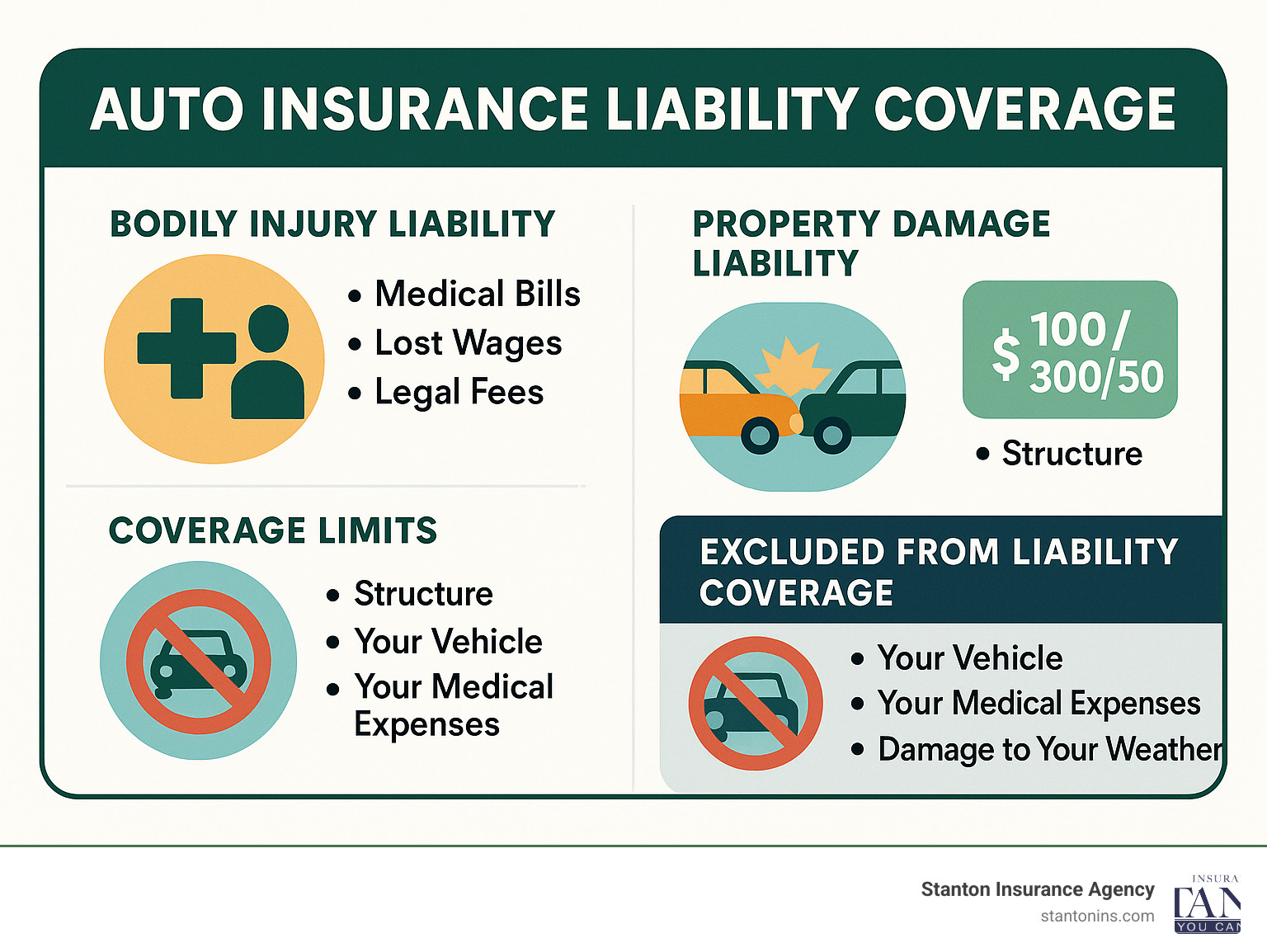
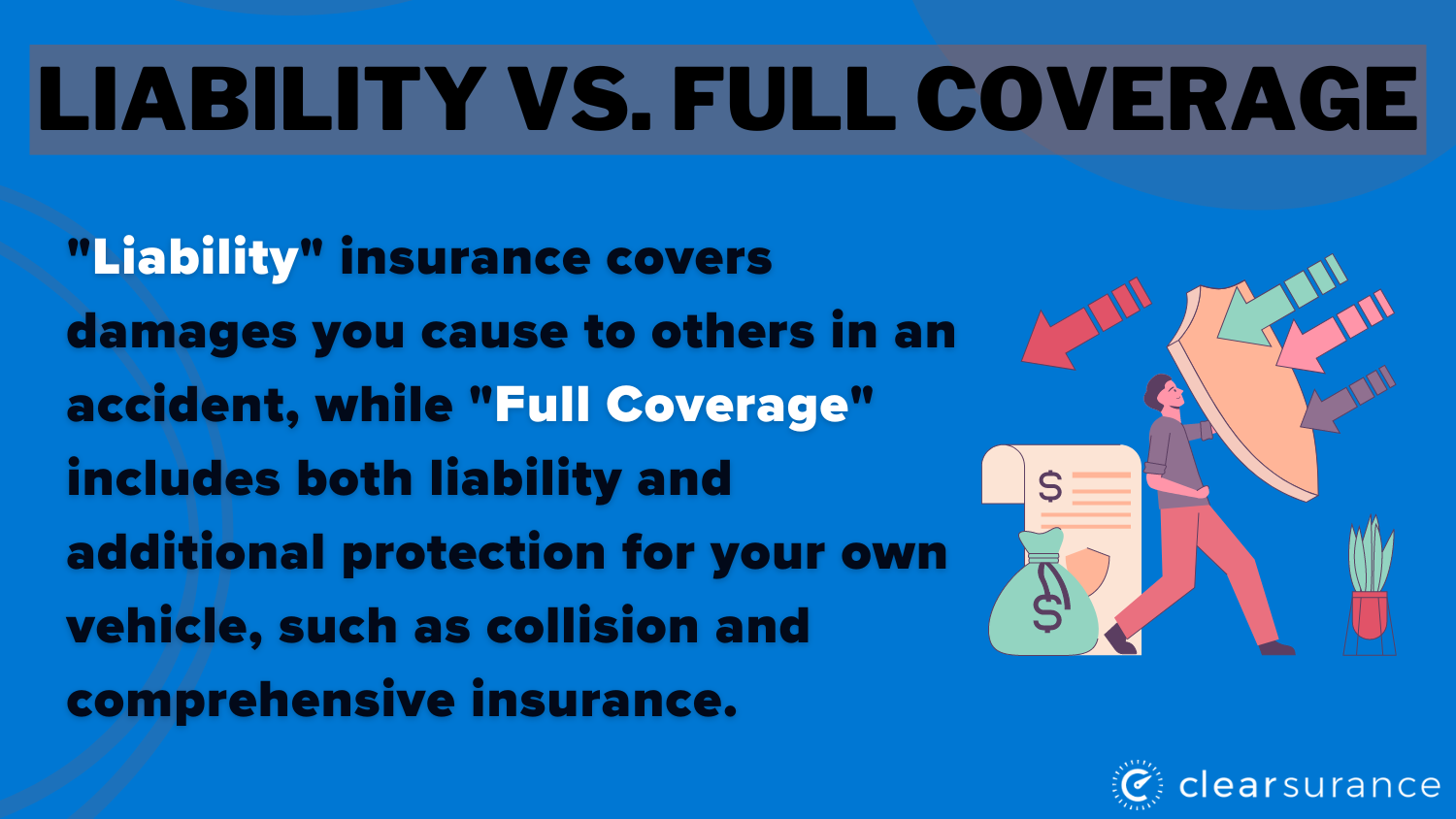
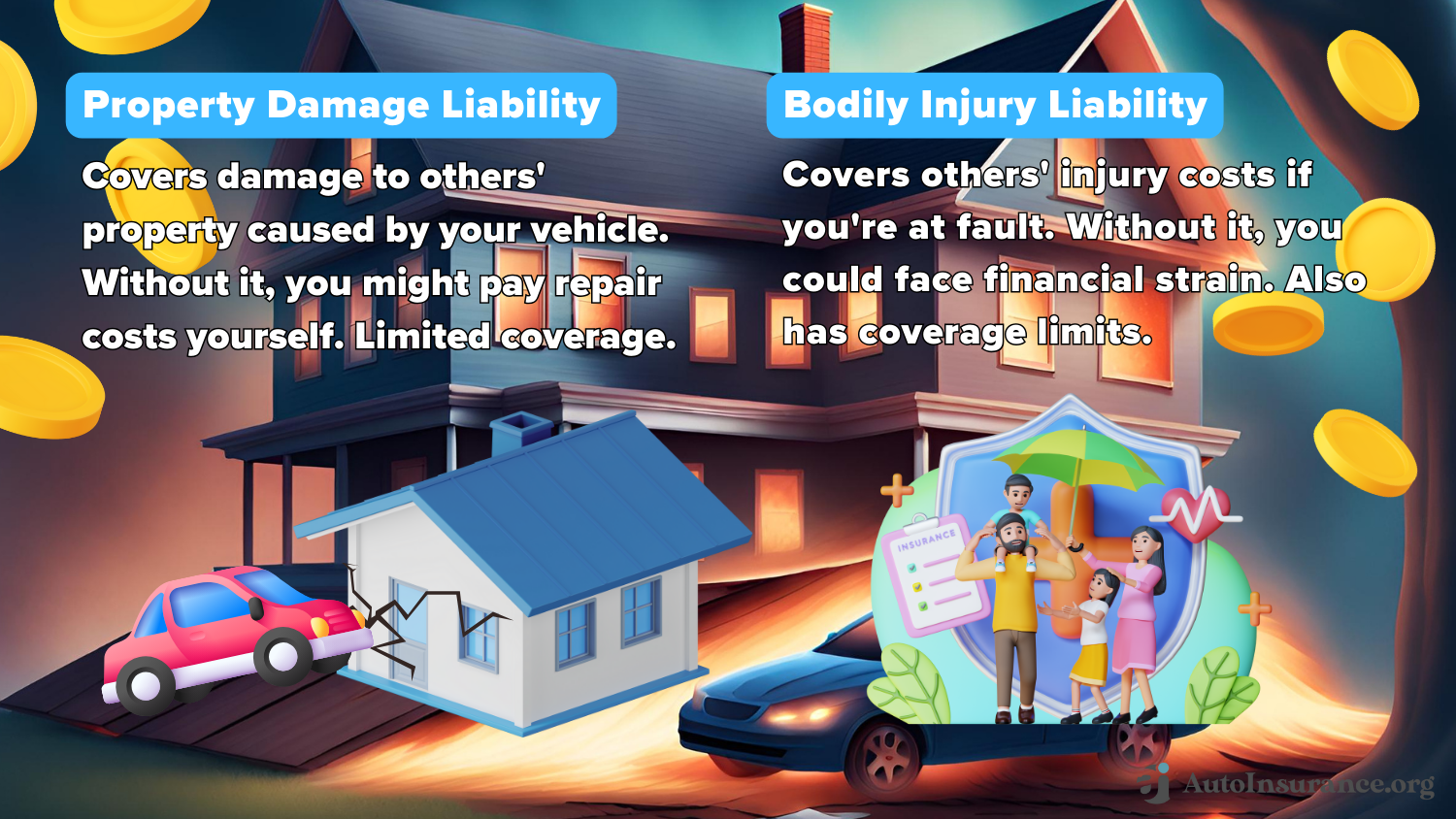
To understand if you are covered, you must first distinguish between the two primary types of "insurance" discussed at the rental counter. Liability coverage protects you if you are at fault in an accident that causes bodily injury or property damage to others. This is distinct from a Collision Damage Waiver (CDW) or Loss Damage Waiver (LDW), which protects you from paying for damages to the rental car itself.
Under a standard personal auto policy, the "Liability" section generally follows the driver to any "non-owned vehicle" or "temporary substitute" vehicle. If your policy includes $100,000 in bodily injury coverage per person and $300,000 per accident, those same limits apply while you are operating a standard rental car. However, this coverage only kicks in if the rental is being used for personal, non-commercial purposes.
How Personal Auto Insurance Extends to Rentals
Most personal auto policies are designed to protect the named insured and their family members while driving vehicles they own or occasionally drive. The mechanism that covers a rental car is usually found in the "Definitions" or "Liability" section of your policy document under the term Non-Owned Auto.
The "Temporary Substitute" Clause
A rental car is legally viewed as a temporary substitute if your primary vehicle is out of service due to breakdown, repair, servicing, loss, or destruction. Even if your car isn't in the shop—for instance, if you are simply on vacation—most insurers extend the liability portion of your policy to a standard rental passenger vehicle.
Policy Limits and Excess Coverage
It is vital to remember that your personal insurance does not provide unlimited protection. If you carry the state-mandated minimum liability limits—which can be as low as $15,000 or $25,000 in some jurisdictions—and you cause a multi-car pileup in 2026, those limits will likely be exhausted quickly. In such a scenario, the rental company’s supplemental insurance would have been beneficial, as it often provides up to $1 million in total liability protection.
When Your Personal Policy Will Not Cover You
While personal insurance is broad, it is not universal. Several specific scenarios can trigger an exclusion, leaving you personally responsible for every dollar of a legal settlement or medical bill.
1. International Travel
Standard U.S. and Canadian auto insurance policies almost never extend liability coverage to countries outside of North America. If you are renting a car in Europe, Asia, or South America, your personal policy is effectively void. Mexico is a unique case; while some U.S. policies provide limited coverage within a certain distance of the border, Mexican law requires liability insurance issued by a Mexican insurer.
2. Business Use
If you are renting a car for business purposes, your personal auto policy may exclude coverage. Most personal policies explicitly state that they do not cover "commercial use" or "delivery services." If you are an employee of a large corporation, your company likely has a corporate insurance policy that covers rentals. However, if you are a freelancer or small business owner, you must ensure your policy has a "business use" endorsement or purchase the rental company's insurance.
3. High-Value or Specialized Vehicles
Standard policies typically cover "private passenger autos." If you rent a moving truck (like a U-Haul), a large 15-passenger van, or an exotic high-performance sports car, your personal policy might exclude these based on the vehicle's weight or classification. Always check the "Exclusions" section of your policy before renting anything other than a standard sedan or SUV.
The Role of Credit Card Coverage
Many travelers believe their credit card "covers everything," but this is a dangerous misconception regarding liability.
As of 2026, the vast majority of credit card rental benefits—including those from premium cards like Chase Sapphire Reserve or American Express Platinum—provide Secondary Collision Damage Coverage. This means they help pay for repairs to the rental car after your primary insurance pays out. Critically, almost no credit card provides Liability Insurance. If you hit another person and they sue you, your credit card will not pay for your legal defense or the settlement. You must rely on your personal auto policy or the rental company’s Supplemental Liability Insurance.
Comparison of Coverage Sources
The following table outlines how different coverage sources typically behave when you are involved in an at-fault accident in a rental vehicle.
| Feature | Personal Auto Insurance | Credit Card Benefits | Rental Company (SLI/CDW) |
|---|---|---|---|
| Third-Party Liability | Yes (Up to policy limits) | Almost Never | Yes (Usually up to $1M) |
| Damage to Rental Car | Yes (If you have Collision/Comp) | Yes (Usually secondary) | Yes (Primary waiver) |
| Medical for You | Yes (If you have PIP/MedPay) | Rare / Limited | Yes (If PAI is purchased) |
| Theft of Rental Car | Yes (If you have Comp) | Yes | Yes (Under LDW/CDW) |
| Geographic Scope | US & Canada only | Varies (Check card terms) | Country of rental only |
| Deductible Apply? | Yes | No (Often covers deductible) | No |
Evaluating Supplemental Liability Insurance (SLI)
If you have a robust personal policy with high liability limits (e.g., $250,000/$500,000), purchasing the rental company’s SLI is often redundant. However, there are three specific instances where buying the counter insurance is a wise financial move:
- You Have No Personal Auto Policy: If you live in a city and don’t own a car, you likely don't have a "Non-Owned Auto" policy. In this case, you are uninsured unless you buy the rental company's liability package.
- You Have State Minimum Limits: If your policy only covers $25,000 in property damage, and you hit a $90,000 electric vehicle, you are personally on the hook for the $65,000 difference.
- You Want to Protect Your Premium: If you use the rental company's insurance, a claim won't be filed against your personal policy, which prevents your future premiums from spiking after an accident.
Verification Steps Before You Rent
Do not wait until you are at the rental counter to figure out your coverage. Follow these steps to verify your protection:
- Call Your Insurance Agent: Specifically ask, "Does my liability coverage extend to a rental car for personal use, and are there any vehicle size or value restrictions?"
- Check Your "Declarations Page": Look for the limits on Bodily Injury and Property Damage. Ensure these are high enough to protect your current assets in 2026.
- Review Your Credit Card Benefits Guide: Download the latest "Guide to Benefits" for the card you intend to use. Confirm it covers the specific country and vehicle type.
- Ask About "Loss of Use": Most personal liability policies cover the damage to other people, and the collision portion covers the car. However, rental companies also charge for "Loss of Use"—the money they lose while the car is in the shop. Many personal policies do not cover this, but premium credit cards often do.
Common Pitfalls and Troubleshooting
The "Named Driver" Issue
Your personal insurance only covers the people listed on your policy. If you allow a friend or a "secondary driver" to take the wheel and they are not listed on your personal policy AND the rental agreement, the insurance coverage may be voided entirely. Always ensure every driver is documented on both the rental contract and is a covered driver under the primary policy.
Peer-to-Peer Rentals (Turo/Getaround)
As peer-to-peer car sharing has matured in 2026, insurance remains a gray area. Many standard personal auto policies explicitly exclude "car-sharing" activities, viewing them differently than traditional rentals from companies like Hertz or Enterprise. If you are using Turo, you should almost always opt for one of their internal protection plans unless you have a specific "Car Sharing" endorsement on your personal policy.
Practical Recommendation
If you own a car and carry liability limits that exceed your total net worth, you generally do not need to purchase the Supplemental Liability Insurance offered at the rental counter for travel within the US and Canada. Your personal policy is legally sufficient and provides the same protection.
However, if you are traveling internationally, renting for business, or driving a vehicle that falls outside the "passenger car" category, the rental company's insurance is not just an option—it is a necessity. For those without a personal auto policy, look into "Non-Owner Auto Insurance" before your trip; it is often cheaper than paying the daily liability rate at the rental counter over a long duration.
Frequently Asked Questions
1. Does my personal insurance cover the rental car's "Loss of Use" fees? Usually, no. If a rental car is damaged and spends 10 days in a repair shop, the rental company will bill you for the revenue they lost during those 10 days. Most personal auto policies do not cover this administrative fee. However, many "Gold" or "Platinum" level credit cards do include Loss of Use coverage, provided you declined the rental company's CDW and paid for the rental with that card.
2. What happens if I am hit by an uninsured driver while in a rental? If you have Uninsured/Underinsured Motorist (UM/UIM) coverage on your personal policy, that coverage typically follows you to the rental car. This would pay for your medical bills and damages if the at-fault party has no insurance. If you do not have UM/UIM on your personal policy, you would have to rely on the "Personal Accident Insurance" (PAI) offered by the rental company.
3. Does my personal umbrella policy apply to rental cars? Yes, most personal umbrella policies provide an extra layer of liability protection (usually starting at $1 million) that kicks in after your primary auto insurance limits are exhausted. This makes the rental company's SLI even more unnecessary for high-net-worth individuals who already carry umbrella coverage.
4. I have "Liability Only" on my old car. Am I covered for a rental? You are covered for liability (damage to others), but you are not covered for damage to the rental car itself. If you only carry liability on your personal policy, you must either purchase the Collision Damage Waiver (CDW) from the rental company or use a credit card that provides primary or secondary collision coverage.
5. Does auto insurance cover personal liability for rentals in Mexico? Standard U.S. policies do not satisfy Mexican legal requirements. Even if your insurer says they cover you within 25 miles of the border, this is often for your own vehicle's damage, not the mandatory third-party liability required by Mexican authorities. You should always buy the local liability insurance when renting in Mexico to avoid potential legal detention after an accident.
6. Can I use my homeowner's insurance for rental car liability? No. Homeowners or renters insurance provides personal liability for incidents like someone tripping on your property or you accidentally injuring someone while golfing. It specifically excludes liability arising from the operation of a motor vehicle. You must rely on an auto-specific policy.
Image Gallery