The Death of a Mayor: Governance Protocols and Community Impact in 2026
When a sitting mayor dies, a city initiates a dual-track response involving formal legal succession and public mourning. Governance protocols, usually defined by the City Charter, elevate a designated official (often the City Council P...
When a sitting mayor dies, a city initiates a dual-track response involving formal legal succession and public mourning. Governance protocols, usually defined by the City Charter, elevate a designated official (often the City Council President) to Acting Mayor. Simultaneously, the community engages in civic rituals, including lowering flags to half-staff and organizing public memorials to ensure social and political stability.
Contents
The passing of a city’s chief executive is a rare but profound event that tests the resilience of local institutions. It creates an immediate power vacuum that must be filled within hours to maintain public safety, essential services, and administrative continuity. Beyond the bureaucratic maneuvers, the emotional reaction of the city defines the legacy of the deceased leader and often sets the tone for the upcoming political transition.
Immediate Procedural Responses and Official Notifications
The first few hours following the death of a mayor are characterized by a flurry of high-level coordination. Before the public is notified, a specific chain of communication is activated to ensure that the city’s leadership remains intact. This typically involves the City Manager, the Chief of Police, and the City Attorney.
The Role of the City Clerk and Legal Counsel
The City Clerk’s office often holds the official responsibility for certifying a vacancy in the office of the mayor. This is not merely a formality; it is the legal trigger that allows for the temporary transfer of executive power. The City Attorney must immediately review the City Charter to provide a roadmap for the transition. This is critical because any executive orders signed or appointments made during the hours of uncertainty could be subject to legal challenge if the succession protocol is not followed to the letter.
Official Announcements and Press Protocols
In 2026, the speed of information necessitates a controlled but rapid communication strategy. The Mayor’s Communications Office or the City’s Public Information Officer (PIO) is tasked with releasing a formal statement. This statement usually includes the cause of death (if appropriate), a brief tribute to their service, and an immediate reassurance that city services—such as fire, police, and sanitation—will continue without interruption.
Local news outlets and national wire services are notified simultaneously to prevent the spread of misinformation on social media platforms. The goal is to provide a central "source of truth" for a grieving or concerned populace.
The Legal Framework of Succession
How a city replaces a deceased mayor depends entirely on its form of government. Most municipalities in the United States and other democratic systems operate under one of two primary structures: the Mayor-Council system or the Council-Manager system.
The Acting Mayor
In a "Strong Mayor" system (common in large cities like New York, Chicago, or Los Angeles), the City Council President or a designated Vice Mayor typically becomes the "Acting Mayor" immediately. This individual assumes all powers of the office, including the ability to sign legislation and oversee department heads. However, their tenure is usually temporary, lasting only until a special election can be held or until the City Council appoints a permanent successor to fill the remainder of the term.
The Council-Manager Transition
In a Council-Manager system, the Mayor is often a ceremonial figurehead who chairs the City Council, while a professional City Manager handles daily operations. In these cases, the death of a mayor is less disruptive to administrative functions but remains a significant blow to the city’s political leadership. The Vice Mayor usually steps into the role of presiding officer until the council can select a new member or reorganize its leadership.
| Government Type | Immediate Successor | Scope of Power | Long-term Resolution |
|---|---|---|---|
| Strong Mayor-Council | City Council President | Full Executive Authority | Special Election (usually 60-90 days) |
| Weak Mayor-Council | Vice Mayor | Limited/Ceremonial | Council Appointment or Special Election |
| Council-Manager | Vice Mayor | Presiding Officer of Council | Selection of new Mayor from Council |
| Commission System | Fellow Commissioner | Shared Executive Authority | Appointment or Special Election |
Public Mourning and the City's Emotional Reaction
The "reaction" of the city is a multi-layered phenomenon that ranges from formal state-like ceremonies to spontaneous grassroots displays of grief. These rituals serve a vital social function: they provide a sense of closure and reinforce the collective identity of the residents.
Flag Protocols and Symbols of Remembrance
One of the most visible signs of a city in mourning is the lowering of flags to half-staff. According to standard civic protocols (such as the U.S. Flag Code), the Governor of a state usually issues the order for flags at municipal buildings to be lowered. This period of mourning typically lasts until the day of interment.
In addition to flags, many cities drape the mayor’s vacant desk or the entrance of City Hall in black bunting. In 2026, digital tributes on the city’s official website and social media profiles serve as modern "books of condolence," where citizens can share memories and messages for the mayor’s family.
Public Vigils and Memorial Sites
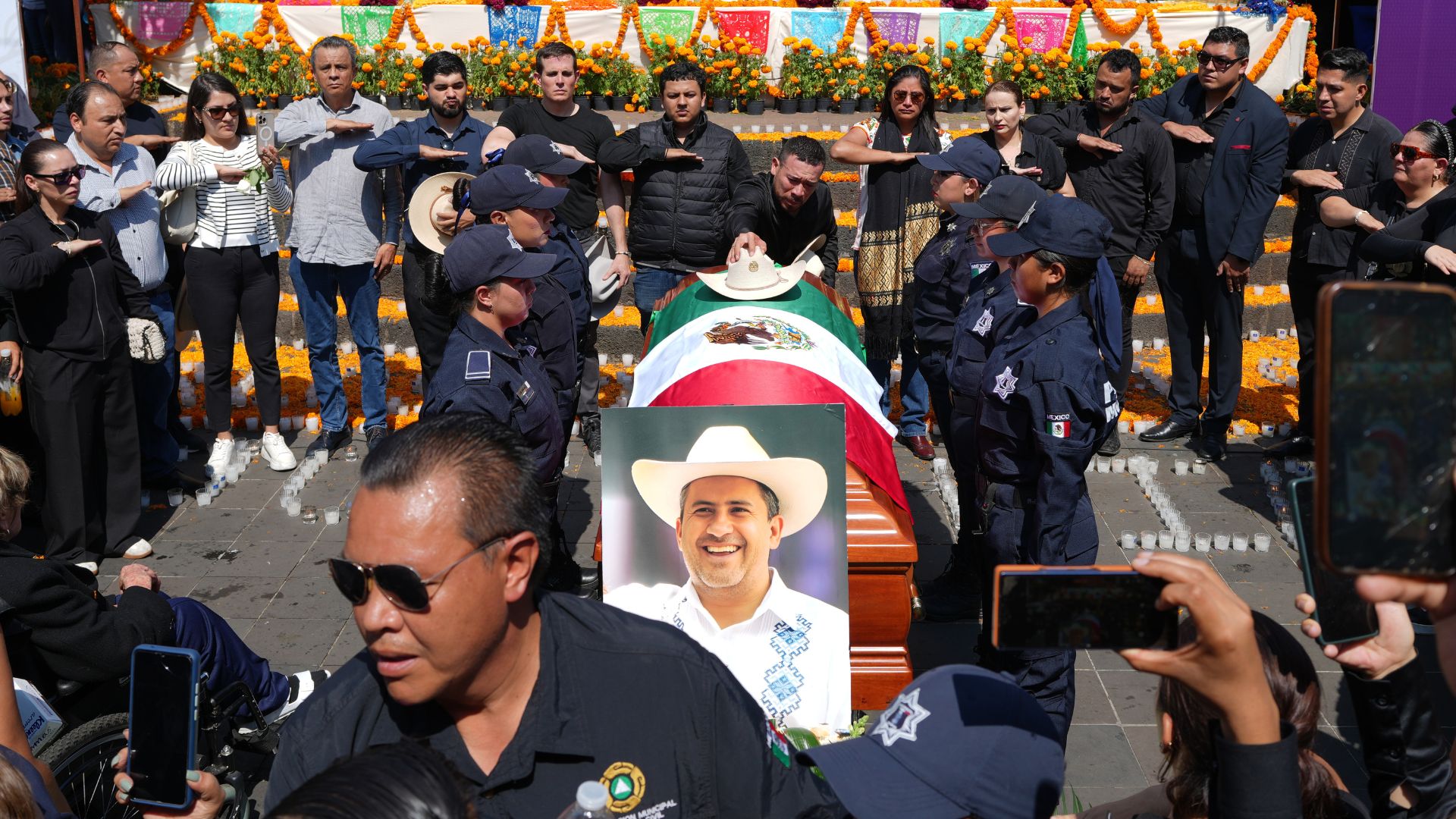
Spontaneous memorials often appear at the steps of City Hall or at locations significant to the mayor’s life and career. These sites become focal points for the "city reacts" narrative. Mourners leave flowers, candles, and handwritten notes. For the city’s administration, managing these sites requires a delicate balance; police must ensure public safety and traffic flow while respecting the community’s need to congregate and mourn.
Impact on City Operations and Legislation
The death of a mayor inevitably causes a temporary "freeze" in the legislative and political life of the city. While essential services continue, the momentum of the mayor’s specific agenda often stalls.
The Status of Pending Legislation
Legislative items that were championed by the deceased mayor may face an uncertain future. An Acting Mayor might not have the same political capital or desire to push through controversial bills. Furthermore, in many jurisdictions, executive orders signed by the deceased mayor remain in effect, but they can be rescinded or modified by the successor. This creates a period of "limbo" for developers, contractors, and advocacy groups who were working closely with the previous administration.
Continuity of Department Leadership
Department heads (such as the heads of Transportation, Parks, or Housing) are often political appointees. When a mayor dies, these individuals may feel a sense of professional instability. It is common practice for the Acting Mayor to ask all department heads to remain in their positions for a period of 90 days to ensure a "smooth transition," but the long-term future of the city’s top brass often depends on who wins the subsequent election.
Organizing the State Funeral and Final Honors
The funeral of a sitting mayor is a massive logistical undertaking that involves multiple city departments, from Public Works to the Police Department's ceremonial unit.
- Lying in State: If the mayor was particularly long-serving or beloved, their casket may "lie in state" in the rotunda of City Hall. This allows the public to pay their respects in a formal setting.
- The Procession: A funeral procession through the city streets often follows, passing by significant landmarks or the neighborhood where the mayor lived. This requires extensive road closures and security coordination.
- The Role of External Dignitaries: The death of a mayor frequently draws attendance from the Governor, members of Congress, and mayors from neighboring cities. Managing the security and seating for these high-profile guests is a primary task for the city’s protocol office.
The Special Election: Restoring Permanent Leadership
Once the initial period of mourning concludes, the city must turn its attention to the democratic process. Most city charters require a special election to be held if more than a certain amount of time (often one or two years) remains in the mayor's term.
These elections are frequently high-stakes and condensed. Candidates have a shorter window to raise funds and communicate their platforms. The "reaction" of the city during this time often shifts from grief to intense political debate, as different factions vie to either continue the deceased mayor’s legacy or take the city in a new direction. The cost of these unplanned elections can be significant, often requiring the city to dip into emergency contingency funds.
Common Challenges During the Transition
Despite clear legal frameworks, the death of a mayor can lead to several complications:
- Political Infighting: If the City Council is divided, the process of naming an Acting Mayor or scheduling a special election can become a battleground.
- Economic Uncertainty: Large-scale city projects or bond issuances may be delayed if investors perceive the leadership transition as unstable.
- Administrative Paralysis: Staff members in the Mayor’s Office, who may lose their jobs once a new mayor is elected, may begin seeking new employment, leading to a "brain drain" during a critical period.
FAQ: Navigating the Aftermath of a Mayor's Death
Who takes over if both the Mayor and the Council President are unavailable? Most city charters include a "Line of Succession" that extends beyond the Council President. Typically, the Vice President of the Council or the City Manager (in a limited capacity) would be next in line. In extreme cases, the state government or a local court might appoint an interim administrator.
How long does a city stay in official mourning? While public sentiment may last for months, "official" mourning—marked by lowered flags and black bunting—usually lasts between three and ten days, concluding after the funeral services.
Does the Mayor's family receive any benefits? Depending on the city’s employment contracts and local laws, the mayor’s family may be entitled to survivor benefits, life insurance payouts, or a continuation of health insurance for a set period. However, the office itself carries no hereditary rights.
What happens to the Mayor's social media accounts? Official city-managed accounts are usually archived or transitioned to the Acting Mayor’s team. Personal political accounts are typically managed by the deceased mayor’s family or estate, often being turned into "In Memoriam" pages.
Moving Forward: The Resilience of the City
The death of a mayor is a somber chapter in a city's history, but it is also a testament to the strength of local governance. While the person holding the office is temporary, the office itself is designed to endure. By following established protocols and allowing space for community mourning, a city can navigate the shock of loss and move toward a stable future. Residents are encouraged to stay informed through official city bulletins and to participate in the upcoming democratic processes to help shape the next chapter of their community's leadership.
Image Gallery