What Peter Thiel Owns in Tech: A Comprehensive Portfolio Analysis for 2026
Peter Thiel’s tech holdings are a sophisticated mix of multi-billion dollar foundational companies he co-founded, such as Palantir Technologies, and massive private equity stakes held through his venture capital firm, Founders Fund. Hi...
Peter Thiel’s tech holdings are a sophisticated mix of multi-billion dollar foundational companies he co-founded, such as Palantir Technologies, and massive private equity stakes held through his venture capital firm, Founders Fund. His portfolio focuses heavily on "hard tech," including aerospace (SpaceX), defense (Anduril), financial infrastructure (Stripe), and frontier biotechnology.
Contents
The Foundation of the Thiel Empire: Palantir Technologies
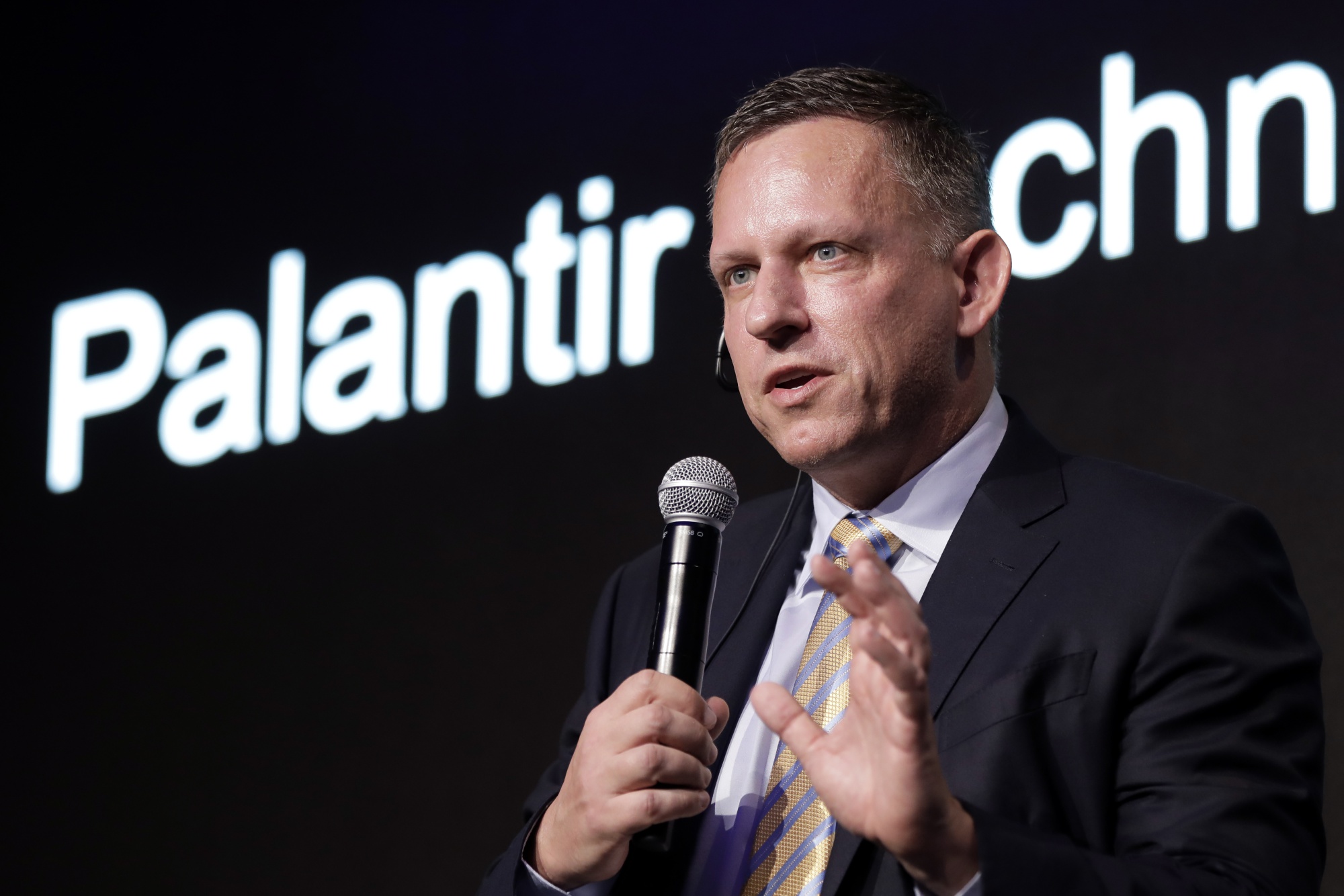
As of 2026, Palantir Technologies (PLTR) remains the crown jewel of Peter Thiel’s tech ownership. Thiel co-founded the company in 2003 with the goal of applying PayPal-style fraud detection to national security and counter-terrorism. Today, Palantir has evolved into the primary operating system for the modern enterprise and the U.S. Department of Defense.
Thiel’s ownership in Palantir is structured through various classes of stock. While he has sold significant portions of his holdings since the company’s direct listing in 2020, he retains a decisive level of control through Class B and Class F shares, which grant super-voting rights. This allows Thiel and co-founders Alex Karp and Stephen Cohen to maintain strategic direction over the company even if their economic interest fluctuates.
Palantir’s primary value in 2026 is driven by its Artificial Intelligence Platform (AIP). Unlike consumer-facing LLMs, Thiel’s Palantir provides the infrastructure for large institutions to integrate AI into private, secure datasets. This has made the company indispensable for logistics, supply chain management, and battlefield awareness. For investors and researchers, Palantir represents Thiel's most significant bet on the marriage of big data and sovereign security.
Founders Fund: The Primary Investment Vehicle
To understand what Peter Thiel "owns," one must look through the lens of Founders Fund, the venture capital firm he co-founded in 2005. Founders Fund manages tens of billions of dollars in assets, and its portfolio contains some of the most valuable private and public companies in the world. Thiel is a Partner at the firm and plays a pivotal role in its "contrarian" investment philosophy.
SpaceX (Space Exploration Technologies Corp)
Founders Fund was the first institutional investor in SpaceX, leading the company’s Series A round in 2008. By 2026, SpaceX has moved far beyond satellite launches. It is now the dominant provider of global satellite internet via Starlink and the primary transport for NASA’s lunar missions. Thiel’s indirect ownership through Founders Fund represents one of the most successful venture capital bets in history.
Stripe
Thiel was an early backer of Stripe, the financial infrastructure platform that powers payments for a significant portion of the internet. Stripe remains a massive component of the Founders Fund portfolio. As Stripe has expanded into corporate lending, tax automation, and identity verification, Thiel’s stake has benefited from the company’s transition from a simple API into a comprehensive global financial utility.
Anduril Industries
Perhaps the most "Thiel-esque" company in the current portfolio is Anduril Industries. Co-founded by Palmer Luckey and heavily backed by Thiel’s Founders Fund, Anduril focuses on autonomous defense systems. Its products, such as the Lattice OS, Ghost drones, and interceptor missiles, represent a shift toward software-defined warfare. Thiel’s ownership here reflects his long-standing belief that the U.S. defense industrial base requires radical technological disruption.
Specialized Investment Vehicles: Valar and Mithril
In addition to Founders Fund, Peter Thiel exerts influence and maintains ownership in tech through two other specialized firms: Valar Ventures and Mithril Capital.
- Valar Ventures: This firm focuses primarily on international fintech. Thiel recognized early on that the U.S. market was becoming saturated, leading him to back companies like N26 (a German neobank) and Wise (formerly TransferWise). His ownership in these entities via Valar provides him with exposure to the digitalization of banking in Europe, South America, and Southeast Asia.
- Mithril Capital: Named after the fictional metal in The Lord of the Rings, Mithril is a growth-stage firm. It focuses on companies that have moved past the "startup" phase and are ready for global scaling. Mithril’s portfolio often includes deep-tech companies involved in healthcare, robotics, and advanced manufacturing, sectors that require longer time horizons than typical software-as-a-service (SaaS) businesses.
Strategic Personal Holdings and Emerging Tech
Outside of his institutional funds, Peter Thiel maintains a portfolio of personal investments and strategic interests in "frontier" technologies.
Biotechnology and Longevity
Thiel has been a vocal proponent of "curing death" and has invested heavily in biotechnology. He was an early backer of Unity Biotechnology, which focuses on senolytic medicines to treat age-related diseases. In 2026, his interests have expanded into personalized medicine and genomic editing. These investments are often characterized by high risk and long developmental cycles, but they align with Thiel’s philosophy of using technology to solve biological limitations.
Cryptocurrency and Bitcoin
Thiel’s relationship with cryptocurrency is well-documented. Through Founders Fund and personal accounts, he began accumulating Bitcoin as early as 2014. While he has occasionally criticized the speed of Bitcoin’s adoption as a currency, he views it as a "digital gold" and a hedge against the debasement of fiat currency. In 2026, his tech holdings include stakes in crypto infrastructure providers and custody services that enable institutional participation in digital assets.
AI Infrastructure
Beyond Palantir, Thiel owns stakes in several specialized AI hardware and software companies. He has historically been skeptical of the "hype" surrounding consumer AI but has invested deeply in the physical infrastructure—the chips, data centers, and energy solutions—required to power the AI revolution. This includes indirect interests in semiconductor design and modular nuclear power startups, which aim to provide the massive energy requirements for 2026-era data centers.
Summary of Major Tech Holdings (2026)
| Company | Ownership Vehicle | Primary Tech Sector | Key Value Driver |
|---|---|---|---|
| Palantir | Direct / Founders Fund | Big Data / Defense AI | AIP (AI Platform) & Gov Contracts |
| SpaceX | Founders Fund | Aerospace | Starlink & Mars Exploration |
| Stripe | Founders Fund | Fintech | Global Payment Infrastructure |
| Anduril | Founders Fund | Defense Technology | Autonomous Systems (Lattice OS) |
| Affirm | Founders Fund | Fintech | Buy Now, Pay Later (BNPL) |
| Airbnb | Founders Fund | Consumer Tech | Global Short-term Rental Market |
| Flexport | Founders Fund | Logistics Tech | Digital Supply Chain Management |
The Philosophy Behind the Portfolio: Zero to One
To understand what Peter Thiel owns, one must understand his "Zero to One" philosophy. Thiel generally avoids "copycat" companies that offer incremental improvements (moving from 1 to n). Instead, he seeks out companies that create something entirely new (moving from 0 to 1).
This is why his portfolio is heavily weighted toward companies with high barriers to entry and "moats." Whether it is the regulatory complexity of SpaceX, the deep-coded infrastructure of Palantir, or the hardware-intensive nature of Anduril, Thiel’s tech ownership is defined by vertical progress. In 2026, this strategy has transitioned from being "contrarian" to being the blueprint for modern industrial-tech investing.
Frequently Asked Questions
Does Peter Thiel still own a significant part of Meta (Facebook)?
No. Peter Thiel was the first outside investor in Facebook in 2004, but he has sold the vast majority of his stake over the last decade. He officially stepped down from the Meta Board of Directors in 2022 to focus on other interests. While he may hold minor residual shares, he no longer has a significant ownership or leadership role in the company.
How much of Peter Thiel’s tech ownership is public vs. private?
As of 2026, a significant portion of Thiel’s wealth remains in private companies held through Founders Fund, most notably SpaceX and Stripe. However, Palantir (PLTR) and Affirm (AFRM) represent large public holdings that provide him with liquidity. His portfolio is roughly split 40/60 between public equities and private venture stakes.
What is the "PayPal Mafia" and how does it relate to his current holdings?
The "PayPal Mafia" refers to the group of former PayPal employees and founders who went on to start other major tech companies. This network is central to Thiel’s ownership because he frequently co-invests with former colleagues like Elon Musk, Reid Hoffman, and Max Levchin. This network provides him with early access to many of the tech world's most lucrative deals.
Is Peter Thiel involved in the energy sector?
Yes, but primarily through the lens of tech. Thiel has invested in "New Fusion" and modular nuclear reactor startups. He views energy as the "bottleneck" for technological progress, particularly for AI and space travel. His ownership in this sector is typically funneled through Founders Fund's "Hard Tech" initiatives.
Does Thiel own any social media companies in 2026?
Thiel has largely moved away from consumer social media. After his exit from the Meta board, his social media exposure is limited to early-stage "free speech" platforms and infrastructure plays that support decentralized web protocols, rather than mainstream advertising-driven platforms.
Practical Recommendation for Observers
For those looking to track Peter Thiel’s tech influence, the most effective method is to monitor the 13F filings of Clarium Capital (his macro hedge fund) and the periodic updates from Founders Fund. While his personal "private" ownership is not always publicly disclosed, the movements of his primary venture vehicles provide a clear roadmap of where he believes the next technological frontier lies. In 2026, the focus is clearly on the intersection of national sovereignty, AI infrastructure, and biological longevity.
Image Gallery