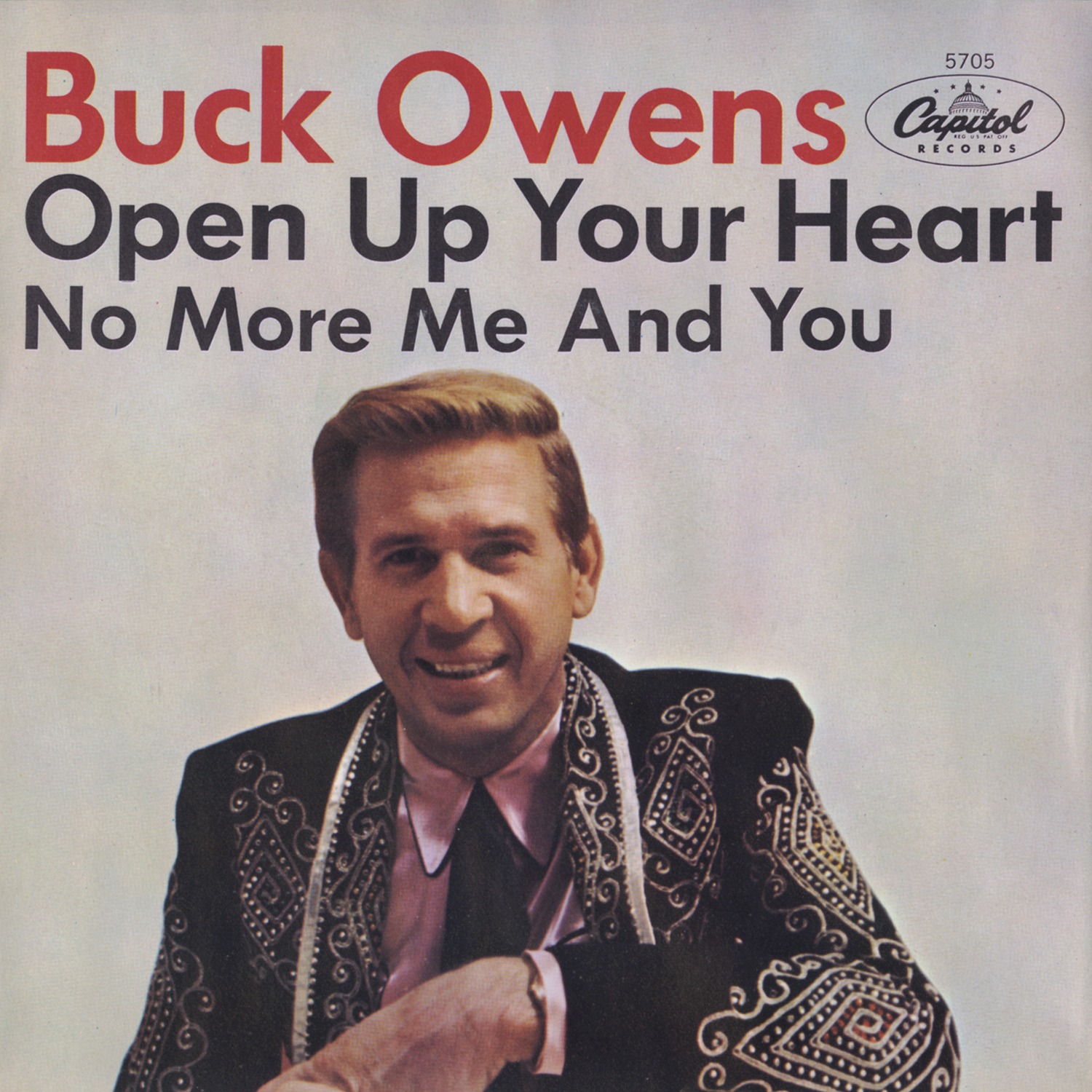
Buck Owens Died in 2006: Remembering the Pioneer of the Bakersfield Sound
Buck Owens, the legendary country music innovator and co-host of Hee Haw, died on March 25, 2006, at the age of 76. He passed away in his sleep from an apparent heart attack at his home in Bakersfield, California. His death occurred on...
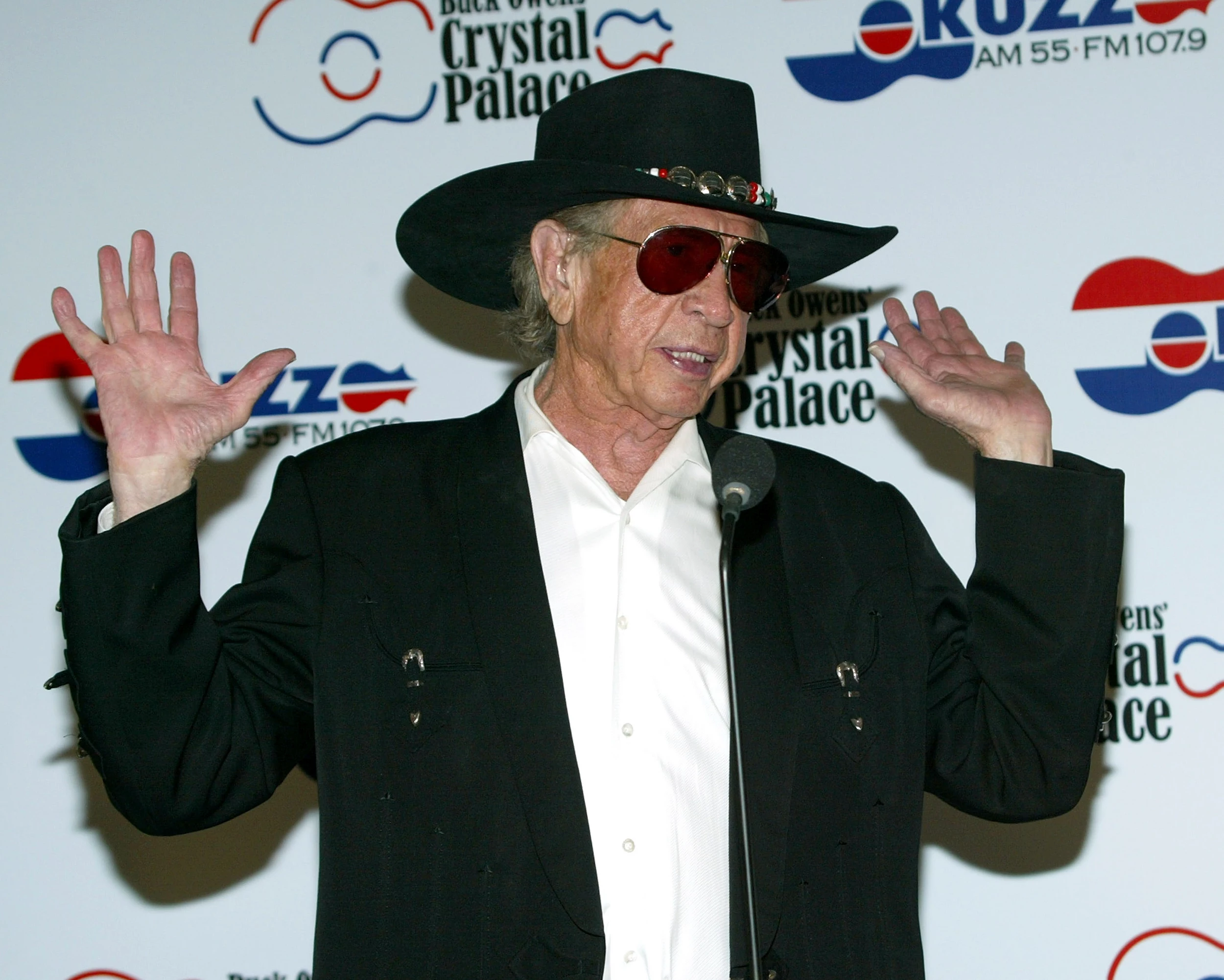
Buck Owens, the legendary country music innovator and co-host of Hee Haw, died on March 25, 2006, at the age of 76. He passed away in his sleep from an apparent heart attack at his home in Bakersfield, California. His death occurred only hours after he performed a scheduled set at his signature dinner club, the Crystal Palace.
Contents
The passing of Alvis Edgar "Buck" Owens Jr. marked the end of an era for American music. As the primary architect of the "Bakersfield Sound," Owens provided a gritty, electrified alternative to the polished "Nashville Sound" that dominated the 1960s. Even as we reflect on his legacy from the perspective of 2026, his influence remains foundational for modern country, Americana, and rock and roll.
The Final Performance: A Story of Dedication
The circumstances surrounding the night Buck Owens died in 2006 are often cited by historians as a testament to his professional character. On the evening of March 24, Owens was at his Bakersfield venue, the Crystal Palace. Reports from the time indicate that Owens was not feeling well and had initially decided to skip his performance.
According to band members and staff, Owens changed his mind after meeting a group of fans who had traveled from Oregon specifically to see him play. Despite his fatigue and underlying health concerns, he took the stage, telling his band, "If they're here to see me, I'm going to play." He performed a full set, including his signature hits, and enjoyed a chicken-fried steak dinner afterward—a meal he famously claimed was his favorite. He went home and passed away in his sleep during the early hours of March 25.
Medical History and Cause of Death
While the immediate cause of death in 2006 was a myocardial infarction (heart attack), Owens had navigated several significant health challenges in the decade leading up to his passing. Understanding his medical history provides context for his physical decline and his resilience as a performer.
- Oral Cancer (1993): Owens was diagnosed with oral cancer in the early 1990s. The surgery required to remove the malignancy was extensive and threatened his ability to speak and sing. Though the surgery was successful, it left him with a slightly altered vocal resonance and required a long period of rehabilitation.
- Pneumonia (1997): A severe bout of pneumonia further taxed his respiratory system in the late 90s, leading to a temporary hiatus from the stage.
- Minor Stroke (2004): Approximately two years before his death, Owens suffered a "mini-stroke" (Transient Ischemic Attack). This event led to a brief hospitalization and required him to scale back his rigorous business and performance schedule.
Despite these setbacks, Owens remained the active patriarch of his business empire, which included radio stations, a publishing company, and the Crystal Palace.
Defining the Bakersfield Sound
To understand why the music world mourned when Buck Owens died in 2006, one must analyze the technical and cultural impact of the Bakersfield Sound. During the 1950s and 60s, Nashville production was moving toward the "Nashville Sound"—a style characterized by lush string arrangements, background choirs, and a "smooth" vocal delivery designed to cross over into pop markets.
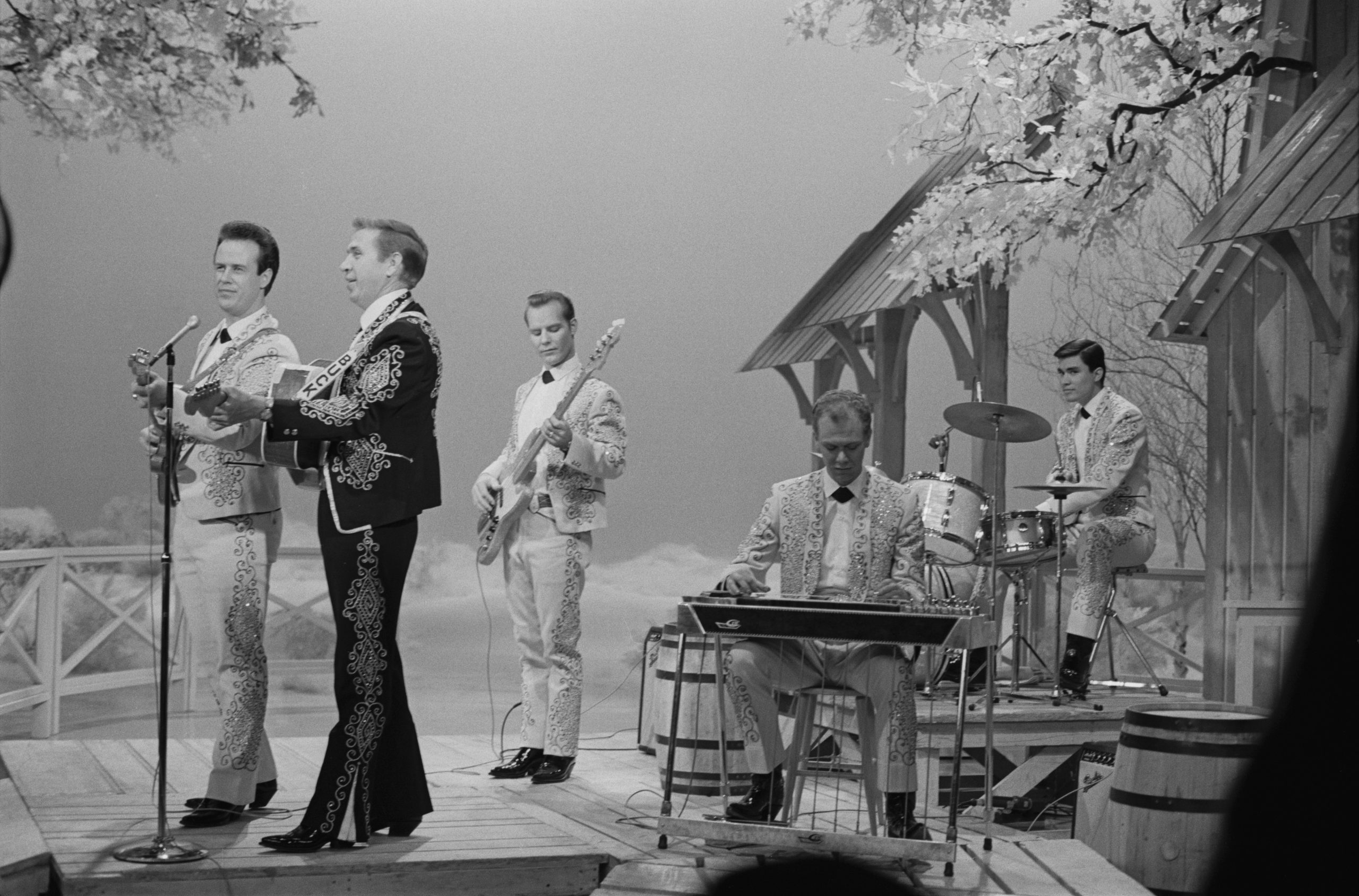
Owens, alongside his guitarist Don Rich and their band The Buckaroos, took the opposite approach. The Bakersfield Sound was defined by:
- The Fender Telecaster: Owens and Rich favored the "twang" of the solid-body electric guitar. This provided a sharp, cutting edge to the music that could be heard clearly over the noise of West Coast honky-tonks.
- Driving Rhythm: Unlike the polite percussion of Nashville, The Buckaroos utilized a heavy, "freight train" beat, often emphasizing the 2 and 4 backbeat, which shared more DNA with early rock and roll than traditional country.
- High-Treble Mixing: In the recording studio, Owens insisted on a "bright" mix. He wanted his records to sound punchy and loud on AM radio, prioritizing clarity and treble over the bass-heavy warmth of standard ballads.
- Harmony Vocals: The vocal chemistry between Owens and Don Rich created a signature "high-lonesome" harmony that became a blueprint for groups like The Eagles and The Desert Rose Band.
Comparison: Nashville Sound vs. Bakersfield Sound
| Feature | Nashville Sound (1960s) | Bakersfield Sound (Owens Style) |
|---|---|---|
| Instrumentation | Violins, cellos, polished pianos | Telecasters, steel guitar, drums |
| Vocal Style | Smooth, crooner-esque | Edgy, rhythmic, emotive |
| Production | Reverb-heavy, "wall of sound" | Dry, bright, "twangy" |
| Philosophy | Pop crossover appeal | Honky-tonk roots and grit |
| Key Entities | Chet Atkins, Owen Bradley | Buck Owens, Merle Haggard |
The "Hee Haw" Era and Mainstream Stardom
For a significant portion of the American public, Buck Owens was best known as the grinning co-host of Hee Haw, the country-themed variety show that premiered in 1969. Alongside Roy Clark, Owens became a household name, appearing in millions of living rooms every week.
While Hee Haw provided Owens with immense wealth and a permanent place in pop culture, it was a double-edged sword. Some critics felt the show’s corny, "rube" humor overshadowed his standing as a serious musical innovator. Owens himself later admitted that the show might have stalled his recording career, as the industry began to view him more as a comedian than a chart-topping artist. However, his business acumen allowed him to parlay his television fame into a massive financial portfolio, making him one of the wealthiest individuals in the music industry at the time of his death.
Business Acumen and Independence
Owens was a pioneer not just in sound, but in music business. At a time when many artists were being exploited by labels, Owens fought for and won ownership of his master recordings. This was a rare feat in the 1960s and 70s. By owning his masters, he ensured that he received the lion's share of royalties from his hits like "Act Naturally," "Together Again," and "I've Got a Tiger by the Tail."
He founded Buck Owens Enterprises, which oversaw:
- Radio Stations: He owned multiple stations, including KUZZ in Bakersfield, which remains a powerhouse in the region.
- The Crystal Palace: Opened in 1996, this $6 million venue served as a museum, restaurant, and concert hall, cementing Bakersfield's status as a country music destination.
- Publishing: He maintained control over his extensive songwriting catalog.
Historical Timeline of Buck Owens
- 1929: Born in Sherman, Texas, during the dust bowl era.
- 1951: Moves to Bakersfield, California, seeking work in the burgeoning oil and agriculture industries.
- 1963: "Act Naturally" becomes his first No. 1 hit, staying at the top for four weeks.
- 1965: The Beatles cover "Act Naturally," with Ringo Starr on lead vocals, introducing Owens to a global rock audience.
- 1969: Hee Haw debuts on CBS.
- 1974: Tragic death of Don Rich, Owens' best friend and musical partner. Owens later cited this as the moment "the music died" for him.
- 1988: Collaborates with Dwight Yoakam on "Streets of Bakersfield," returning to No. 1 and introducing a new generation to his sound.
- 1996: Inducted into the Country Music Hall of Fame.
- 2006: Dies on March 25 at age 76.
Legacy and Influence on Modern Music
The impact of Buck Owens did not end when he died in 2006. His DNA is visible across several genres. The "Brat Pack" of country in the 1980s and 90s, led by Dwight Yoakam, was essentially a revival of the Owens aesthetic. Yoakam's success proved that the Bakersfield Sound was timeless, surviving the "urban cowboy" and "stadium country" phases of the industry.
Furthermore, the rock world has long paid tribute to Owens. Beyond The Beatles, artists like Creedence Clearwater Revival, The Grateful Dead, and Elvis Costello have cited Owens' rhythmic precision and songwriting as major influences. His insistence on creative independence also served as a template for the "Outlaw Country" movement led by Willie Nelson and Waylon Jennings.
As of 2026, the Crystal Palace in Bakersfield continues to operate as a living monument to his work, attracting tourists and musicians who wish to pay their respects to the "Baron of Bakersfield."
Frequently Asked Questions
What was the official cause of Buck Owens' death?
Buck Owens died of a heart attack (myocardial infarction). He passed away in his sleep during the early morning hours of March 25, 2006, just a few hours after his final performance.
Did Buck Owens know he was dying during his last show?
There is no evidence that Owens knew his death was imminent. However, witnesses noted he was unusually tired and had initially planned to skip the performance. His decision to play for fans who had traveled a long distance is often viewed as a final, selfless act of a dedicated performer.
Where is Buck Owens buried?
Buck Owens is interred at Greenlawn Southwest Memorial Park in Bakersfield, California. His funeral was attended by thousands of fans and numerous country music stars, including Dwight Yoakam and Garth Brooks.
Who inherited Buck Owens' estate?
Following his death in 2006, his estate—which included his vast music catalog, radio stations, and the Crystal Palace—was managed by his family and longtime business associates. His son, Buddy Alan, had also been a performer and remained involved in the family's musical legacy.
What was Buck Owens' last song performed?
While the exact setlist of his final night varies by account, witnesses confirm he performed several of his greatest hits. One of the final songs he was known to play frequently at the Crystal Palace was "Streets of Bakersfield."
Final Recommendation for Fans and Researchers
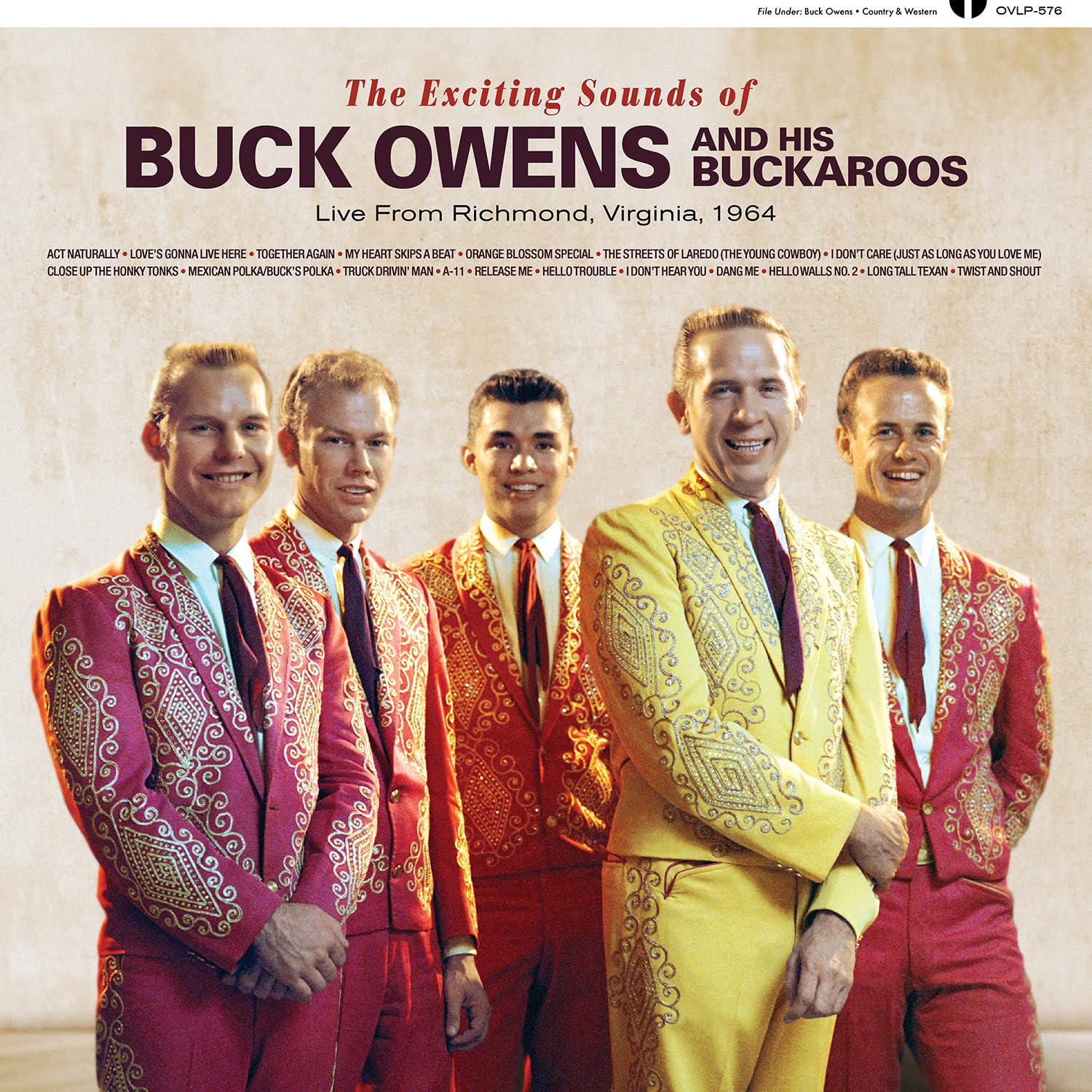
For those looking to explore the depth of Buck Owens' contribution to music, start with the 1960s live recordings from Carnegie Hall or the "Buck Owens and the Buckaroos" studio albums from 1963–1967. These recordings capture the technical "twang" and energy that defined an entire subgenre. Visiting the Official Buck Owens Crystal Palace website provides access to archival photos, museum details, and the ongoing schedule of tribute events that keep the Bakersfield Sound alive in 2026.
Image Gallery