How the Mother Anna House of Prayer Changes Community Worship
The Mother Anna House of Prayer changes community worship by transitioning traditional, scheduled religious services into a continuous, intercessory prayer model that prioritizes spiritual healing and social stability. By fostering an...
The Mother Anna House of Prayer changes community worship by transitioning traditional, scheduled religious services into a continuous, intercessory prayer model that prioritizes spiritual healing and social stability. By fostering an environment of 24/7 spiritual availability, it bridges the gap between individual faith and collective urban restoration, specifically within its historic Chicago foundation.
Contents
The Historical Foundation of Mother Anna’s Vision
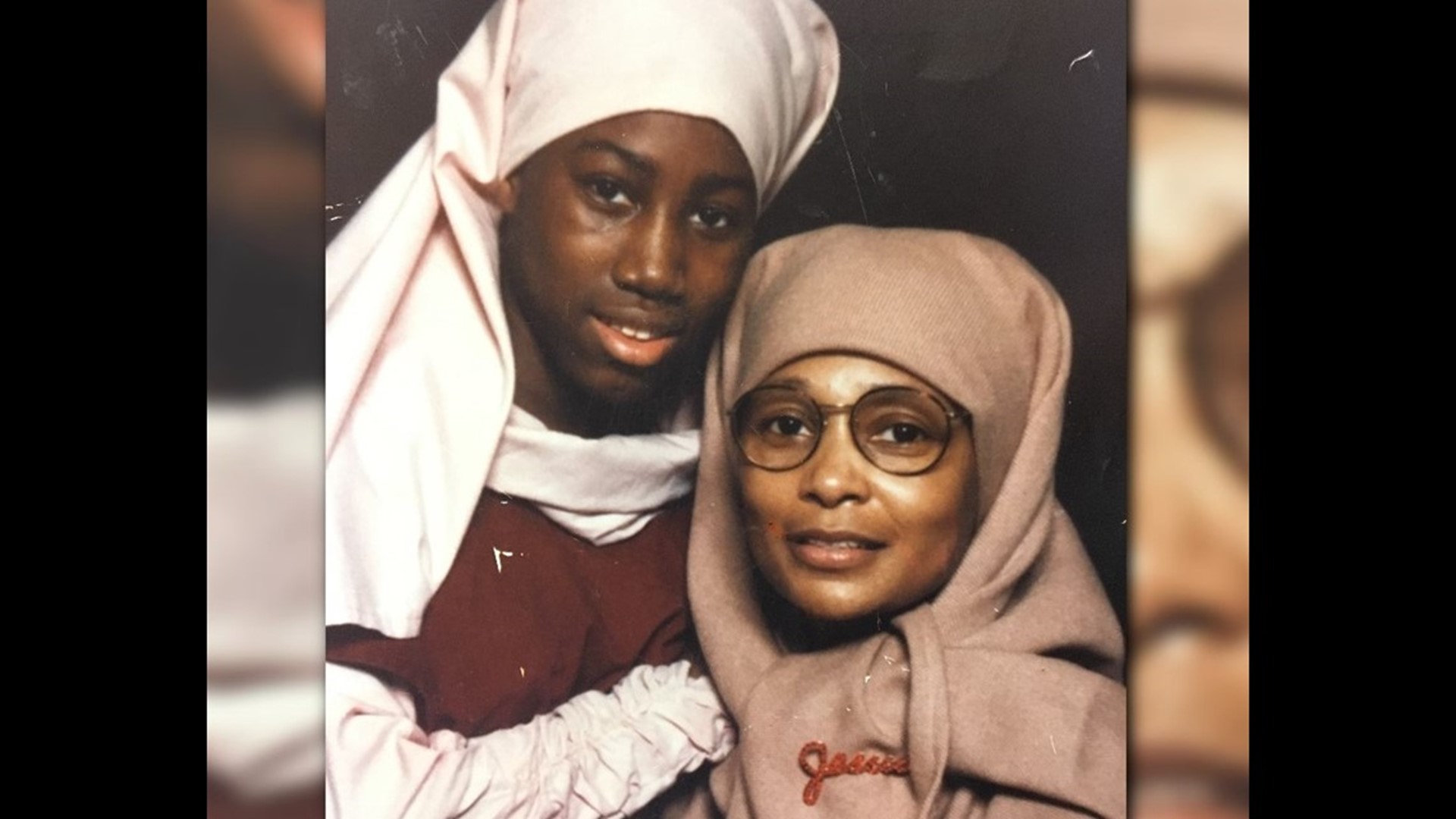
To understand how the Mother Anna House of Prayer changes community worship, one must first look at the legacy of its founder, Mother Anna Weaver. Established during a period when urban centers faced significant social and economic upheaval, the House of Prayer was envisioned as more than a church; it was designed as a sanctuary of perpetual intercession. Unlike many contemporary religious institutions that operate on a strict Sunday-morning schedule, Mother Anna established a precedent for "praying without ceasing."
This historical commitment to accessibility laid the groundwork for a radical shift in community engagement. In the early years, the mission focused on the immediate needs of the Bronzeville neighborhood in Chicago, providing a spiritual "engine room" for the Civil Rights movement and local community organizing. By 2026, this legacy has matured into a sophisticated model of urban ministry that combines traditional holiness traditions with modern social advocacy. The persistence of the institution over decades has turned it into a landmark of spiritual resilience, proving that consistent prayer can serve as a stabilizing force in shifting demographic landscapes.
The theological underpinnings of the House of Prayer emphasize the "priesthood of all believers." This means that worship is not a performance by a few individuals on a stage but a collective labor. This shift in responsibility—from the pulpit to the person in the pew—is the primary driver behind the changes in how the local community perceives its role in divine service.
Shifting the Paradigm of Urban Liturgy
The Mother Anna House of Prayer changes community worship by redefining what "liturgy" means in an urban context. In many traditional settings, liturgy is a fixed set of rituals performed at specific times. At the House of Prayer, the liturgy is the life of the community itself. The transition to a 24-hour or extended-hour prayer cycle means that the "church" is never closed, which fundamentally alters the neighborhood's spiritual rhythm.
This model introduces several key changes to the worship experience:
- Temporal Fluidity: Worship is no longer confined to a three-hour window on Sundays. This accommodates the diverse schedules of modern workers, including those in the gig economy or healthcare sectors who are often excluded from traditional service times.
- Focus on Intercession: While music and preaching remain important, the primary "product" of the House of Prayer is intercessory prayer. This outward-facing focus shifts the community’s attention from self-edification to the needs of the neighborhood, such as reducing violence, supporting the unhoused, and praying for local governance.
- Spiritual Atmosphere as a Public Good: The House of Prayer treats its "atmosphere" as a resource for the public. Anyone, regardless of formal membership, can enter the space to find silence or participate in the ongoing corporate prayer, making worship a permeable experience rather than a closed-door event.
By 2026, this model has influenced surrounding congregations to adopt similar "prayer room" concepts. The result is a community where worship is integrated into the daily commute or the lunch break, rather than being a compartmentalized weekend activity.
Social and Communal Transformation in 2026
The impact of the Mother Anna House of Prayer extends beyond the walls of the sanctuary into the very fabric of the community. In 2026, the institution remains a critical node in the local social safety net. Because the House of Prayer is consistently staffed, it serves as a de facto crisis center. When residents face sudden trauma or loss, they know that the House of Prayer is a place where someone is active and available to provide spiritual support.
This constant presence has led to measurable changes in community dynamics. Neighborhood stability is often linked to the presence of "anchor institutions," and the House of Prayer serves this role by providing a consistent moral and spiritual compass. The worship here involves "praying the news," a practice where daily local events are brought into the prayer cycle. This ensures that the congregation is highly informed about community needs, leading to more effective volunteerism and local activism.
Furthermore, the House of Prayer facilitates cross-generational worship. In an era where many churches are age-segregated, Mother Anna’s model relies on the wisdom of "church mothers" and the energy of youth intercessors working side-by-side. This intergenerational dialogue changes how worship is passed down, ensuring that younger residents feel a sense of ownership over the community’s spiritual heritage.
Strategic Comparison: Traditional Worship vs. House of Prayer Model
The following table highlights the operational and philosophical differences that allow the Mother Anna House of Prayer to change the standard worship experience in 2026.
| Feature | Traditional Congregational Model | Mother Anna House of Prayer Model |
|---|---|---|
| Primary Schedule | Weekly (Sundays/Mid-week) | Continuous or Extended Daily Hours |
| Worship Focus | Teaching, Singing, Fellowship | Intercession, Healing, Silent Prayer |
| Community Role | Weekly Event Center | 24/7 Spiritual Anchor/Sanctuary |
| Leadership Style | Clergy-Led/Hierarchical | Intercessor-Led/Collaborative |
| Public Accessibility | Limited to Service Times | Open-Door/Public Presence |
| Social Integration | Program-Based Outreach | Prayer-Based Crisis Intervention |
Navigating Participation and Engagement
For those looking to engage with the Mother Anna House of Prayer, the process is distinct from joining a standard social club or traditional parish. Participation is viewed as a commitment to the "watch," a term used to describe specific shifts of prayer.
Steps for Community Integration:
- The Orientation Phase: Newcomers are encouraged to attend the public prayer hours for at least four weeks to understand the rhythm of intercession. This period allows individuals to acclimate to the intensity and focus of the environment without the pressure of formal membership.
- Identification of "The Watch": Participants are asked to identify a specific time of day or night where they can commit to being present. In 2026, this includes "Digital Watches" for those who are physically unable to reach the Bronzeville location but wish to participate via the secure community portal.
- Spiritual Formation: The House of Prayer offers specific training in intercessory techniques, focusing on the history of Mother Anna Weaver’s methods. This includes learning how to pray for systemic issues like housing and education with the same fervor as personal needs.
- Active Service: Worship is eventually paired with action. Members of the House of Prayer often serve in local food pantries or mentorship programs, viewing these acts as an extension of their prayer life.
Common Misconceptions and Troubleshooting
When a community changes its worship style so significantly, misunderstandings can arise. One common misconception is that the House of Prayer is "anti-church" or seeks to replace traditional congregations. On the contrary, it functions as a "well" from which members of various local churches can draw spiritual strength to take back to their home parishes.
Another challenge is the intensity of the model. Continuous prayer requires a high level of logistical coordination and volunteer commitment. In 2026, the House of Prayer manages this through a "Core Intercessor" program, where a dedicated group ensures the doors remain open and the atmosphere remains focused, even during low-traffic hours. This prevents "volunteer burnout," a common issue in intensive ministry settings.
Frequently Asked Questions
What are the specific hours for the Mother Anna House of Prayer in 2026?
The House of Prayer currently maintains a 20-hour physical open-door policy, from 4:00 AM to 12:00 AM daily, with a 24-hour digital intercessory stream. The four hours of physical closure are dedicated to facility maintenance and deep cleaning to ensure the sanctuary remains a dignified and safe space for all visitors.
Do I have to be a member of a specific denomination to worship there?
No. The Mother Anna House of Prayer operates on an ecumenical basis within the broader Christian tradition. While its roots are in the Holiness and Pentecostal movements, it welcomes individuals from all backgrounds who seek a place of prayer and spiritual refuge. Its primary requirement is a respect for the atmosphere of intercession.
How does the House of Prayer impact local crime rates?
While spiritual institutions cannot replace law enforcement, community leaders in Bronzeville have noted that the constant "eyes on the street" provided by a 24-hour institution and the social programs managed by the intercessors contribute to a "peace-zone" effect. The House of Prayer specifically targets "hotspots" for focused intercessory walks, which often coincide with local community policing efforts.
Are there costs associated with using the House of Prayer?
There are no fees for entering the House of Prayer or requesting prayer. The institution is supported by voluntary tithes and offerings from its core participants and community donors. Specific intensive workshops or specialized spiritual formation classes may have a nominal registration fee to cover materials, but the sanctuary remains a free public resource.
How has the digital age changed Mother Anna's original vision?
In 2026, the digital expansion is seen as a fulfillment of Mother Anna's vision to reach the "ends of the earth." The "Mother Anna Connect" app allows participants to submit urgent prayer requests in real-time, which are then routed to the intercessors currently on the "watch" in the physical building. This creates a seamless loop between digital need and physical intercession.
Practical Recommendations for Visitors
If you plan to visit the Mother Anna House of Prayer to experience how it changes community worship firsthand, start by attending a "Noon Day Prayer" session. These sessions are designed to be accessible to those working in the city and provide a concise look at the intercessory model in action. Wear comfortable clothing, as worship can be active, and come with a specific request—not just for yourself, but for your wider neighborhood. By participating in the collective burden of the community, you transition from a spectator to a contributor in the ongoing spiritual transformation of the region.
Image Gallery