Determining the Best Food to Give Your Dog: A Comprehensive Guide to Canine Nutrition
The best food to give your dog is a nutritionally complete and balanced formula that meets the Association of American Feed Control Officials (AAFCO) standards for their specific life stage. Ideally, this includes high-quality animal p...
The best food to give your dog is a nutritionally complete and balanced formula that meets the Association of American Feed Control Officials (AAFCO) standards for their specific life stage. Ideally, this includes high-quality animal proteins, healthy fats, and digestible carbohydrates, specifically tailored to your dog's size, age, and activity level.
Contents
Understanding the Fundamentals of Canine Nutrition
To select the best food, one must first understand that dogs are not "obligate carnivores" like cats; they are scavenging carnivores or "adaptive omnivores." This means their digestive systems are capable of processing a variety of nutrients from both animal and plant sources. In 2026, the focus in veterinary nutrition has shifted toward bioavailable nutrients rather than just raw ingredient lists.
The Role of Macronutrients
Every high-quality dog food must balance three primary macronutrients: protein, fat, and carbohydrates.
- Proteins: These are the building blocks of the body. Proteins provide essential amino acids required for muscle growth, tissue repair, and immune system function. For most adult dogs, a protein content of 18% to 25% on a dry-matter basis is standard, though working dogs or puppies may require significantly more. High-quality sources include whole chicken, beef, lamb, fish, or concentrated "meat meals."
- Fats: Fat is the most concentrated source of energy for dogs, providing more than twice the calories per gram compared to protein or carbohydrates. It is also essential for the absorption of fat-soluble vitamins (A, D, E, and K) and provides Omega-3 and Omega-6 fatty acids, which are crucial for skin health and a shiny coat.
- Carbohydrates: While not strictly "essential" in the same way proteins are, carbohydrates from grains, legumes, or starchy vegetables provide a readily available energy source and fiber. Fiber is vital for maintaining a healthy gut microbiome and ensuring consistent bowel movements.
Micronutrients and Bioavailability
Beyond macros, dogs require a precise balance of vitamins and minerals. Calcium and phosphorus must exist in a specific ratio (typically between 1:1 and 2:1) to ensure proper bone development, particularly in large-breed puppies. Over-supplementation of certain minerals can be just as dangerous as deficiencies. Modern premium foods often include chelated minerals—minerals attached to organic molecules—which are more easily absorbed by the dog's digestive tract.
Evaluating Different Types of Dog Food
The "best" food often depends on the owner's budget, the dog's preferences, and specific health needs. By 2026, the market has expanded to include several distinct categories of commercial pet food.
Dry Kibble
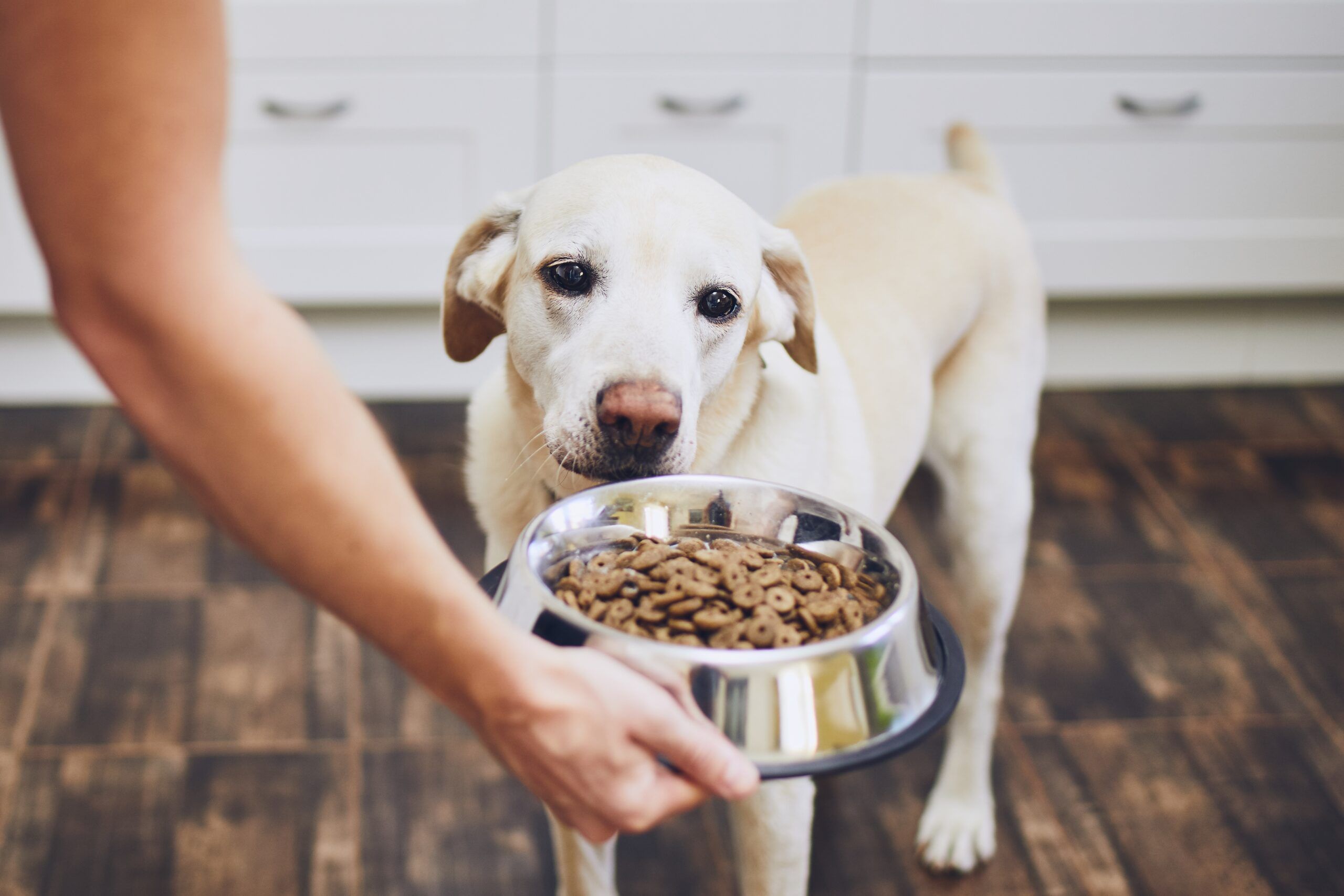
Dry food remains the most popular choice due to its convenience, shelf stability, and cost-effectiveness. High-quality kibble is produced through extrusion, a process that cooks the ingredients under pressure.
- Pros: It is easy to store, can be used in puzzle feeders, and the mechanical action of chewing hard kibble can help reduce plaque buildup in some dogs.
- Cons: Kibble has low moisture content (usually around 10%), which may not be ideal for dogs with urinary issues or those who do not drink enough water.
Wet and Canned Foods
Wet food is often more palatable to picky eaters and provides significantly higher moisture content (up to 75-80%).
- Pros: It is generally higher in protein and lower in carbohydrates than kibble. It is an excellent choice for older dogs with dental issues or dogs that need to lose weight, as the high water content helps them feel full.
- Cons: It is more expensive per serving, has a shorter shelf life once opened, and does not provide any dental cleaning benefits.
Fresh and Gently Cooked Diets
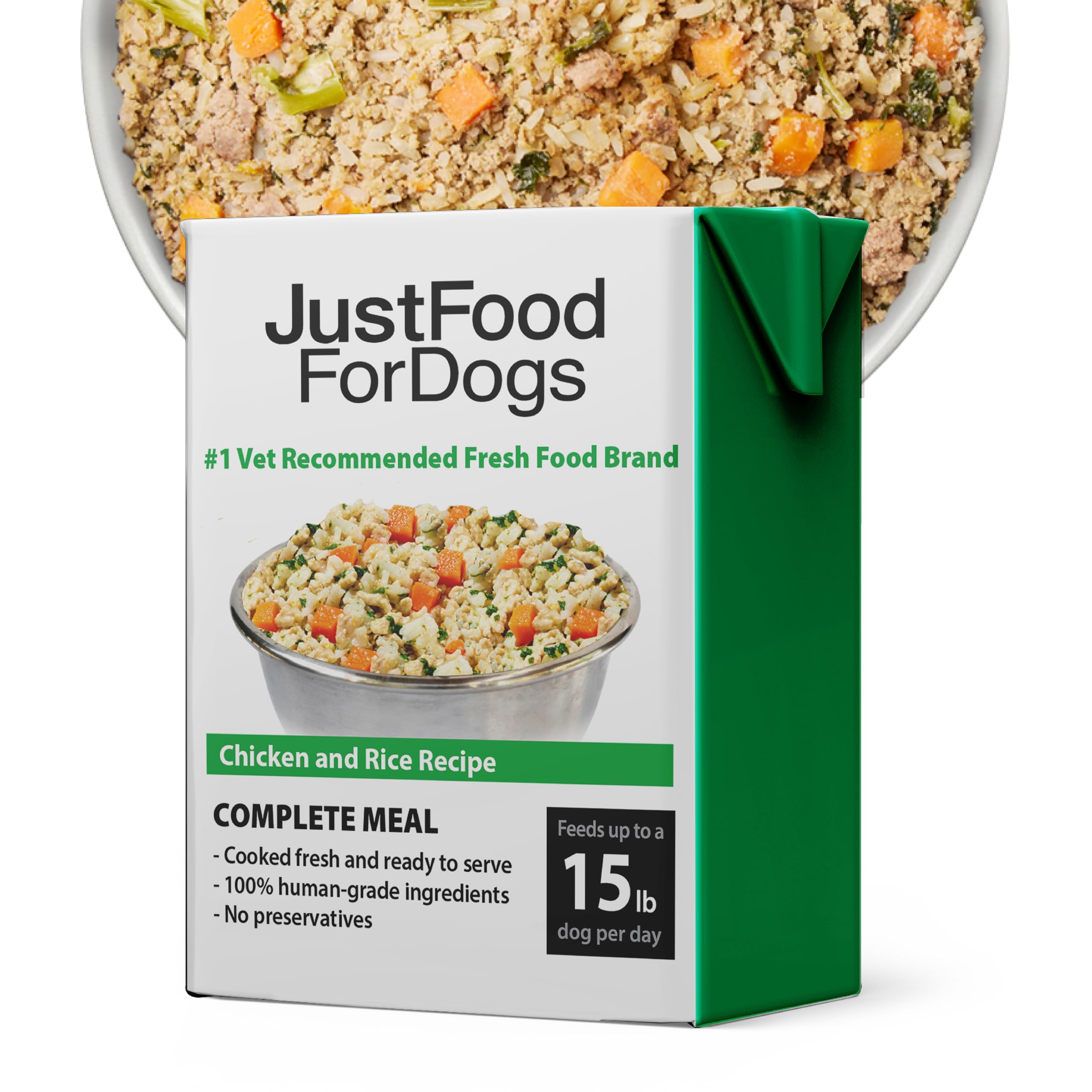
A major trend in 2026 is the rise of subscription-based fresh food services. These diets use human-grade ingredients and are cooked at lower temperatures to preserve nutrient integrity.
- Pros: Highly digestible and often customized to the dog's specific caloric needs. Owners often report improved energy levels and better coat quality.
- Cons: These diets are the most expensive option and require refrigeration or freezer space.
Raw (Biologically Appropriate Raw Food - BARF)
Raw diets consist of uncooked meats, bones, and organ meats. While proponents argue it mimics a wild diet, many veterinary organizations, including the American Veterinary Medical Association (AVMA), caution against it due to the risks of bacterial contamination (Salmonella, Listeria) and potential nutritional imbalances.
How to Read a Dog Food Label Properly
The "Best" food isn't always the one with the flashiest packaging. You must look at the technical data provided on the back of the bag.
The AAFCO Statement
The most critical element of any dog food label is the AAFCO adequacy statement. It will typically say something like: "This product is formulated to meet the nutritional levels established by the AAFCO Dog Food Nutrient Profiles for [Life Stage]." If a food does not have this statement, it is intended only for supplemental feeding and is not a complete meal.
The Ingredient List
Ingredients are listed by weight before cooking. This can be misleading; for example, "Whole Chicken" contains a lot of water. Once cooked into kibble, the actual protein contribution from that chicken might be less than a "Chicken Meal" listed second. Look for named protein sources (e.g., "Beef" instead of "Meat by-products") to ensure transparency.
Guaranteed Analysis
This section provides the minimum percentages of crude protein and crude fat, and the maximum percentages of crude fiber and moisture. While useful, these numbers are not a direct measure of quality; they only provide a range of the nutrient density.
| Food Type | Typical Moisture | Relative Cost | Storage Method | Best For |
|---|---|---|---|---|
| Dry Kibble | 10% | Low | Room Temp | Budget-conscious, dental health |
| Wet/Canned | 75% | Moderate | Refrigerate after opening | Picky eaters, hydration |
| Fresh/Cooked | 65-70% | High | Refrigerator/Freezer | Maximum digestibility, health issues |
| Freeze-Dried | 5% | Very High | Room Temp | Travel, high-value toppers |
Feeding by Life Stage and Size
A Great Dane puppy has vastly different nutritional needs than a senior Chihuahua. Choosing the best food requires matching the formula to the dog's current physiological state.
Puppy Nutrition
Puppies require more calories, protein, and fat than adults to fuel their rapid growth. They also need specific levels of Docosahexaenoic acid (DHA)—an omega-3 fatty acid found in fish oil—which is crucial for brain and eye development. Large breed puppy formulas are particularly important; they are designed with lower calcium and phosphorus levels to prevent the dog from growing too quickly, which can lead to skeletal deformities like hip dysplasia.
Adult Maintenance
Once a dog reaches skeletal maturity (usually 12 to 24 months depending on breed), they should transition to an adult maintenance diet. The goal here is to maintain an ideal body weight and support long-term organ health. Excessive calories at this stage lead to obesity, which is currently the most significant health crisis in pet populations.
Senior Support
As dogs age, their metabolism slows down, and they may become less active. Senior dog foods often contain fewer calories but higher-quality, easily digestible protein to prevent muscle wasting. Many also include additives like glucosamine and chondroitin for joint support and increased antioxidants to combat cognitive decline.
Specific Dietary Concerns: Grains and Legumes
The "grain-free" debate remains a central topic in canine nutrition. Historically, the U.S. Food and Drug Administration (FDA) investigated a potential link between grain-free diets (high in peas, lentils, and potatoes) and a heart condition called Dilated Cardiomyopathy (DCM).
While the research is ongoing in 2026, many veterinary nutritionists recommend "grain-inclusive" diets unless the dog has a confirmed allergy to specific grains like corn or wheat. Whole grains like brown rice, oatmeal, and barley provide excellent fiber and essential nutrients that are beneficial for heart health.
Ingredients to Avoid
When searching for the best food, certain ingredients serve as "red flags." Avoid foods that contain:
- BHA/BHT: Chemical preservatives that have been linked to health issues in some studies.
- Artificial Colors: Dogs do not care what color their food is; these are added solely for the owner's appeal and can cause sensitivities.
- Unspecified Meat Meals: Avoid "Animal Meal" or "Poultry Meal"; look for specific species like "Turkey Meal."
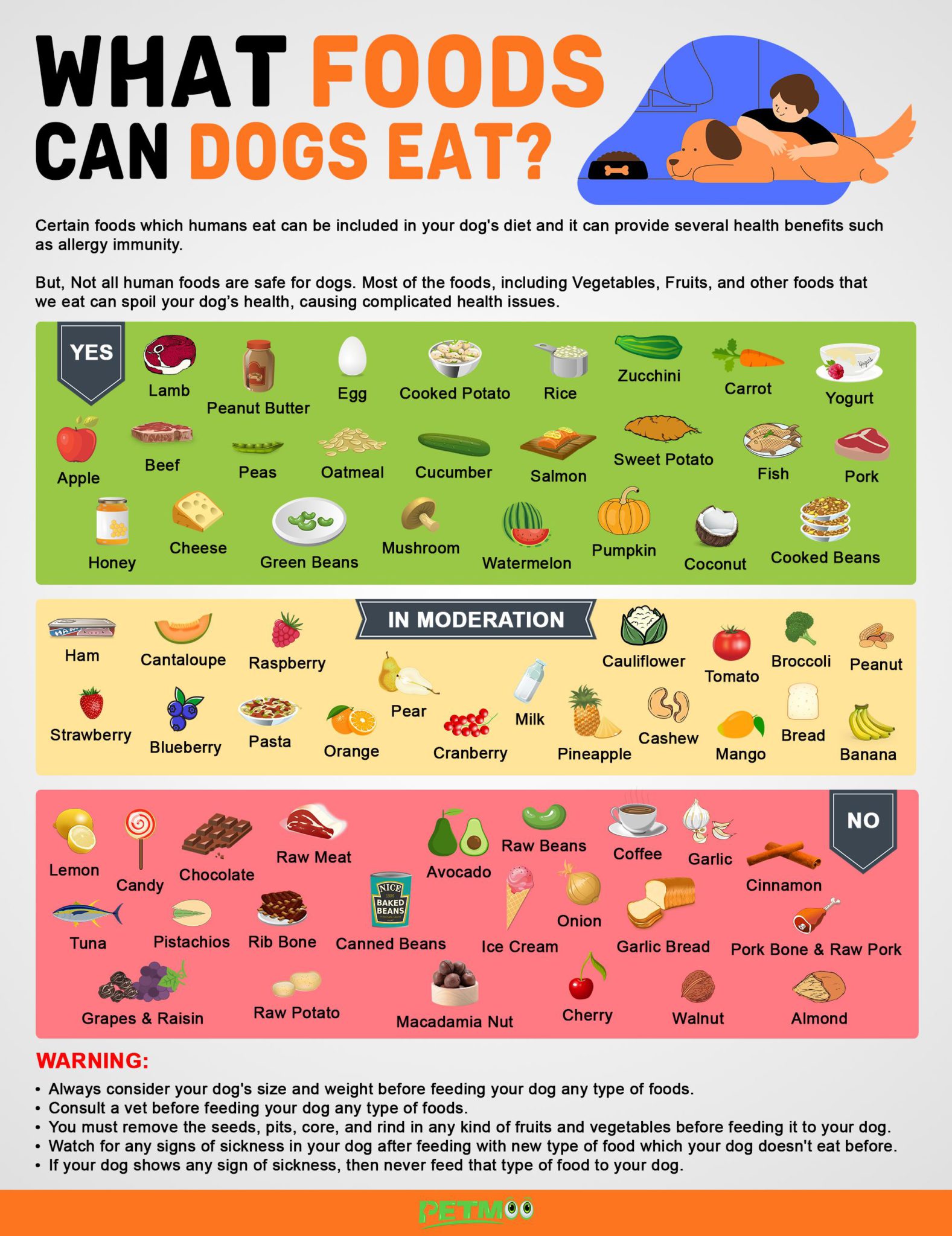
- Xylitol (Birch Sugar): While rarely found in kibble, it is sometimes found in peanut butters used as treats. It is highly toxic to dogs.
Frequently Asked Questions
Is it better to feed a dog once or twice a day?
Most veterinarians recommend feeding adult dogs twice a day (morning and evening). This helps regulate blood sugar levels and can prevent hunger-based behavioral issues. For large, deep-chested breeds, multiple smaller meals can also help reduce the risk of Bloat (GDV), a life-threatening condition.
Can I feed my dog a homemade diet?
You can, but it is extremely difficult to balance correctly without professional help. A study by the UC Davis School of Veterinary Medicine found that the vast majority of homemade recipes found online were deficient in at least one essential nutrient. If you choose this route, consult a board-certified veterinary nutritionist.
How do I know if the food is working for my dog?
The best indicators are your dog's physical appearance and energy. Look for clear eyes, a shiny coat without excessive dander, consistent and firm stools, and a healthy weight. You should be able to feel your dog's ribs easily but not see them protruding.
How should I transition my dog to a new food?
Never switch foods abruptly, as this can cause severe gastrointestinal upset. Use a 7-day transition:
- Days 1-2: 75% old food, 25% new food.
- Days 3-4: 50% old food, 50% new food.
- Days 5-6: 25% old food, 75% new food.
- Day 7: 100% new food.
Final Recommendations for 2026
To choose the best food for your dog, prioritize products from companies that employ full-time veterinary nutritionists and conduct rigorous feeding trials. Look for the AAFCO statement on the packaging and ensure the formula matches your dog's specific life stage and size. Before making a permanent change, consult your veterinarian to rule out any underlying health conditions that might require a therapeutic diet. The "best" food is ultimately the one that your dog thrives on, maintains an ideal body condition with, and enjoys eating every day.
Image Gallery