A Comprehensive Guide to KTX South Korea High Speed Rail Service
The Korea Train eXpress (KTX) serves as the backbone of South Korea’s national high-speed railway network, operated by the Korea Railroad Corporation (KORAIL). Integrating advanced technology with extensive coverage, the KTX connects m...
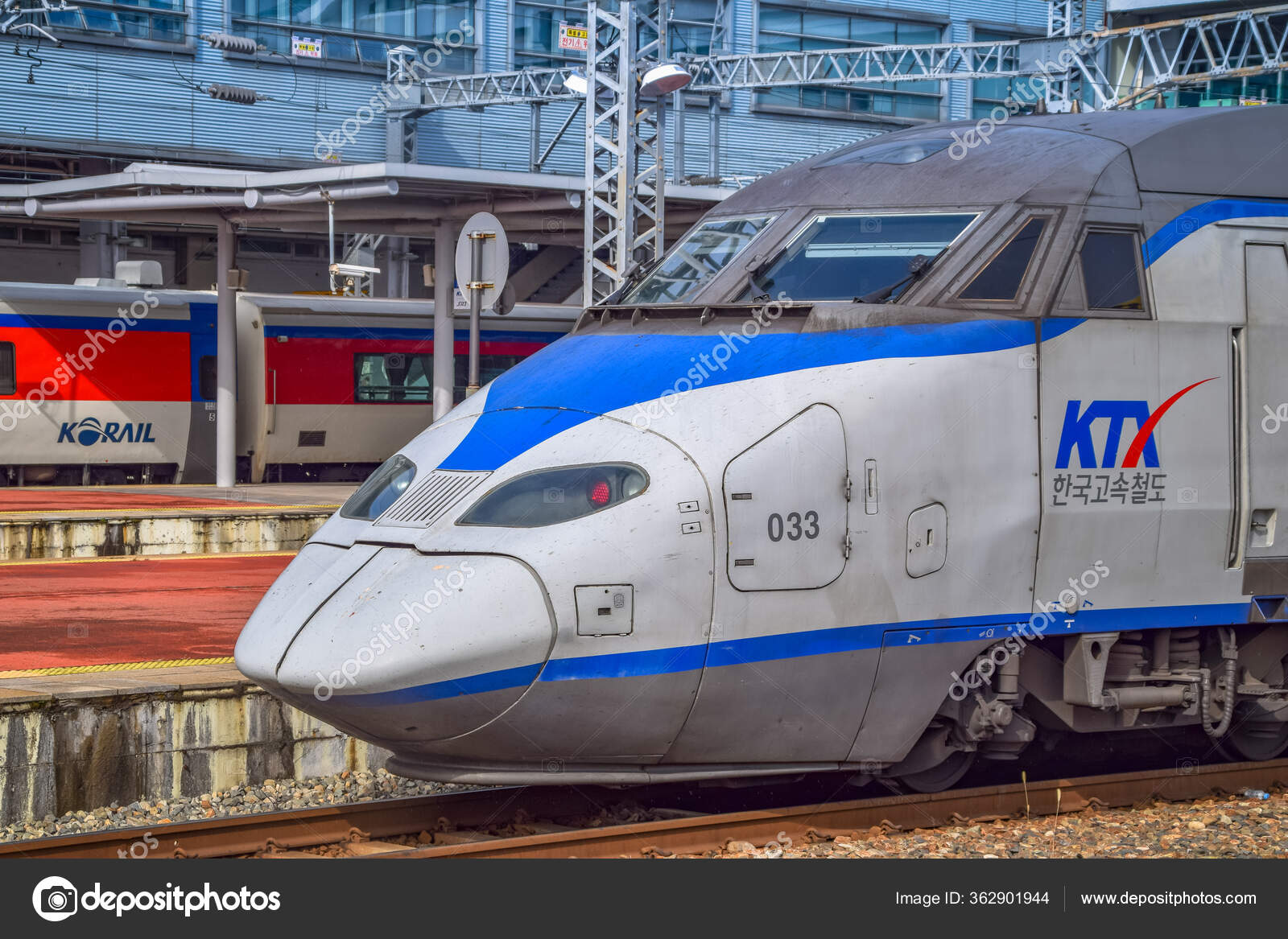
The Korea Train eXpress (KTX) serves as the backbone of South Korea’s national high-speed railway network, operated by the Korea Railroad Corporation (KORAIL). Integrating advanced technology with extensive coverage, the KTX connects major metropolitan hubs—including Seoul, Busan, Gwangju, and Gangneung—enabling efficient cross-country travel with speeds reaching up to 305 km/h, fundamentally transforming the nation's transit logistics.
Contents
Understanding the KTX Network Infrastructure
The KTX system is more than just a single rail line; it is a sophisticated network of high-speed corridors designed to provide rapid transit between the capital and secondary economic zones. The primary lines include the Gyeongbu KTX (Seoul to Busan), the Honam KTX (Seoul to Gwangju/Mokpo), the Gyeongjeon line, the Jeolla line, and the Gangneung line.
Technical infrastructure relies on a combination of dedicated high-speed tracks and upgraded conventional lines. In sections with dedicated high-speed infrastructure, trains maintain their maximum operational velocity, while in older, shared corridors, the trains transition to conventional tracks to reach cities that do not currently possess bespoke high-speed rail terminals. This hybrid operational model ensures that the KTX service reaches a significantly higher percentage of the South Korean population compared to a closed-loop dedicated network.
Rolling Stock and Technical Specifications
The KTX fleet has evolved through several iterations since its inception. The original KTX-I, based on French TGV technology, set the standard for high-speed rail in East Asia. Subsequent developments include the KTX-Sancheon (also known as KTX-II), which was developed domestically with improved interior configurations and modular cabin designs.
In recent years, the fleet has expanded to include the KTX-Eum, a newer generation of electric multiple unit (EMU) trains designed for efficiency and acceleration rather than raw top-end speed, making them ideal for the diverse topographical challenges of the Korean peninsula. The KTX-Cheongryong, the fastest in the current active fleet, represents the pinnacle of local rolling stock engineering, capable of reaching 320 km/h under optimal conditions.
Comparison of Key KTX Rolling Stock
| Train Model | Top Speed | Primary Deployment | Feature Note |
|---|---|---|---|
| KTX-I | 305 km/h | Gyeongbu/Honam Mainlines | Original high-capacity model |
| KTX-Sancheon | 305 km/h | Gyeongbu/Honam/Jeolla | Domestic engineering standard |
| KTX-Eum | 260 km/h | Regional / Scenic lines | Enhanced energy efficiency |
| KTX-Cheongryong | 320 km/h | Major trunk routes | High acceleration capability |
Passenger Experience and Booking Protocols
Accessing the KTX requires navigation through the KORAIL infrastructure, primarily managed via the "Korail Talk" mobile application or the official KORAIL website. As of 2026, international travelers are encouraged to utilize the Korail Pass, a specialized rail pass that allows for unlimited travel on KTX and other KORAIL trains for a set number of days.
Booking tickets in advance is strongly recommended, particularly during major South Korean holidays such as Chuseok or Seollal, when demand significantly exceeds supply. Reservations generally open one month in advance. Tickets include assigned seating, and passengers are expected to board their designated carriage. Unlike regional subways, KTX carriages are specialized, often offering "Special Room" (First Class) configurations that provide more legroom, individual service, and enhanced seating comfort.
Operational Limitations and Travel Tips
While the KTX is highly reliable, passengers should remain aware of specific operational constraints. First, the station architecture varies significantly; some major hubs like Seoul Station or Busan Station are massive, multi-level transit centers where navigating to the correct platform requires time. It is advised to arrive at least 20 minutes before departure.
Second, luggage storage is provided at the end of each carriage, but space is limited. Passengers carrying oversized luggage should be prepared to secure their items early in the boarding process. Third, food and beverage service on board is limited; while vending machines exist, it is standard practice for commuters to purchase snacks at station kiosks before boarding.
Regarding etiquette, the KTX is a quiet transit environment. Mobile phone use should be kept to a minimum, and calls are generally directed to the carriage vestibules (the areas between cars) to maintain the comfort of other passengers.
Comparative Advantages
Compared to domestic air travel, the KTX offers a competitive advantage in "city-center to city-center" travel time. While a flight from Seoul to Busan may take 60 minutes in the air, the cumulative time spent traveling to the airport, checking in, passing security, and boarding often exceeds the three-hour KTX journey. Furthermore, the KTX provides a consistent Wi-Fi signal and electrical outlets at every seat, facilitating productivity for business travelers that is often impossible during the takeoff and landing phases of air transit.
Frequently Asked Questions
Is the KTX Pass available for all travelers? The Korail Pass is exclusively available to non-resident foreign passport holders. Domestic residents must purchase standard point-to-point tickets or use the commuter-focused regular rail cards.
Can I change my ticket if I miss my train? Yes, but only before the scheduled departure time via the app or at a ticket counter. Once the train has departed, the ticket generally becomes non-refundable, and you will need to purchase a new fare.
Is there a difference between the "KTX" and the "SRT"? Yes. While both provide high-speed service, they are operated by different entities. KTX is operated by KORAIL, while SRT (Super Rapid Train) is operated by SR. They share much of the same track infrastructure but use different terminals in Seoul (Seoul/Yongsan vs. Suseo) and have different pricing and interior amenities.
Does the KTX offer Wi-Fi? Yes, all KTX trains are equipped with free Wi-Fi for passengers. However, bandwidth can be limited during peak travel times when many users are connected simultaneously.
Are there luggage restrictions on KTX trains? There is no strict weight limit for luggage, but passengers are expected to handle their own bags. Each train carriage has designated overhead racks and large luggage storage areas at the ends of the cars.
Final Recommendation for Travelers
To maximize the efficiency of your transit, finalize your travel itinerary at least 30 days before your departure. Use the Korail Talk app to monitor seat availability, and if you are traveling during peak seasons, confirm your seat selection immediately upon the release of the reservation window. For those prioritizing both comfort and value, the "Special Room" class offers a substantial upgrade in comfort for a marginal increase in price, making it an ideal choice for longer trans-continental journeys across the peninsula.
Image Gallery