Understanding High Interest Rates in Finance: Impacts and Strategic Navigation
High interest rates represent the cost of borrowing money as dictated by central banks and market forces, resulting in more expensive debt for consumers and businesses. When rates are elevated, capital becomes costlier to access, cooli...
High interest rates represent the cost of borrowing money as dictated by central banks and market forces, resulting in more expensive debt for consumers and businesses. When rates are elevated, capital becomes costlier to access, cooling economic activity, influencing investment returns, and shifting the priority from debt-financed growth to liquidity preservation and conservative capital allocation.
Contents
The Mechanics of Interest Rates
Interest rates function as the "price" of money. When you borrow capital—whether through a credit card, a mortgage, or a corporate bond—you pay a fee to the lender for the privilege of using their funds over time. In a macroeconomic sense, the benchmark interest rate, often set by central banks like the Federal Reserve in the United States, acts as a primary lever to control inflation and economic velocity.
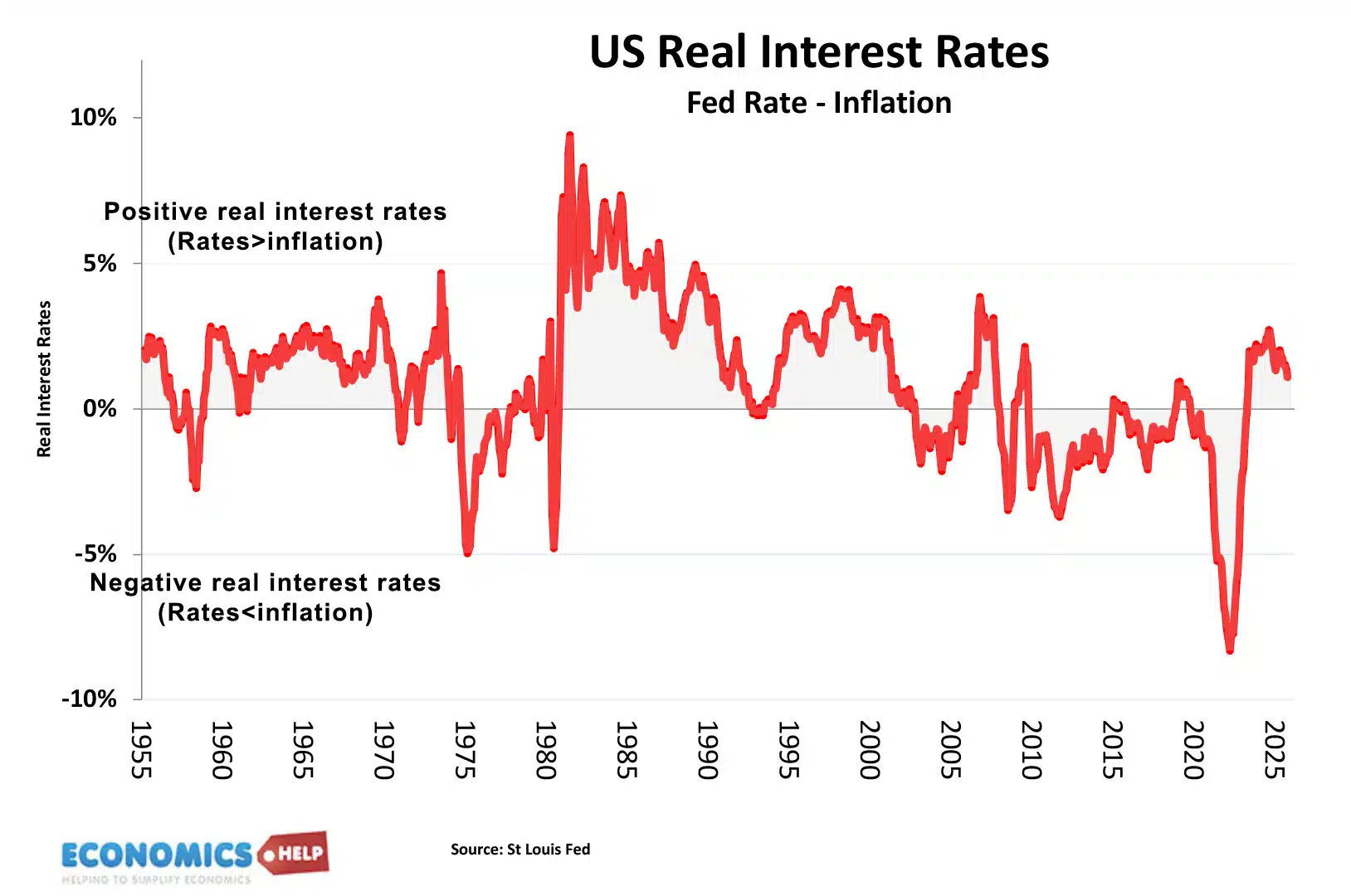
When inflation rises, central banks typically increase the federal funds rate. By raising the cost of borrowing, they aim to slow down spending and investment, which in turn reduces demand-pull inflation. Conversely, lower rates are deployed during economic downturns to incentivize borrowing and stimulate growth. Understanding this cycle is essential for navigating periods of high interest rates, as it explains why your borrowing costs increase even if your personal creditworthiness remains unchanged.
Impacts on Personal Finance
High interest rates create a dual-effect environment for individuals. While the cost of new debt rises, the yields on savings products often follow suit.
The Cost of Borrowing
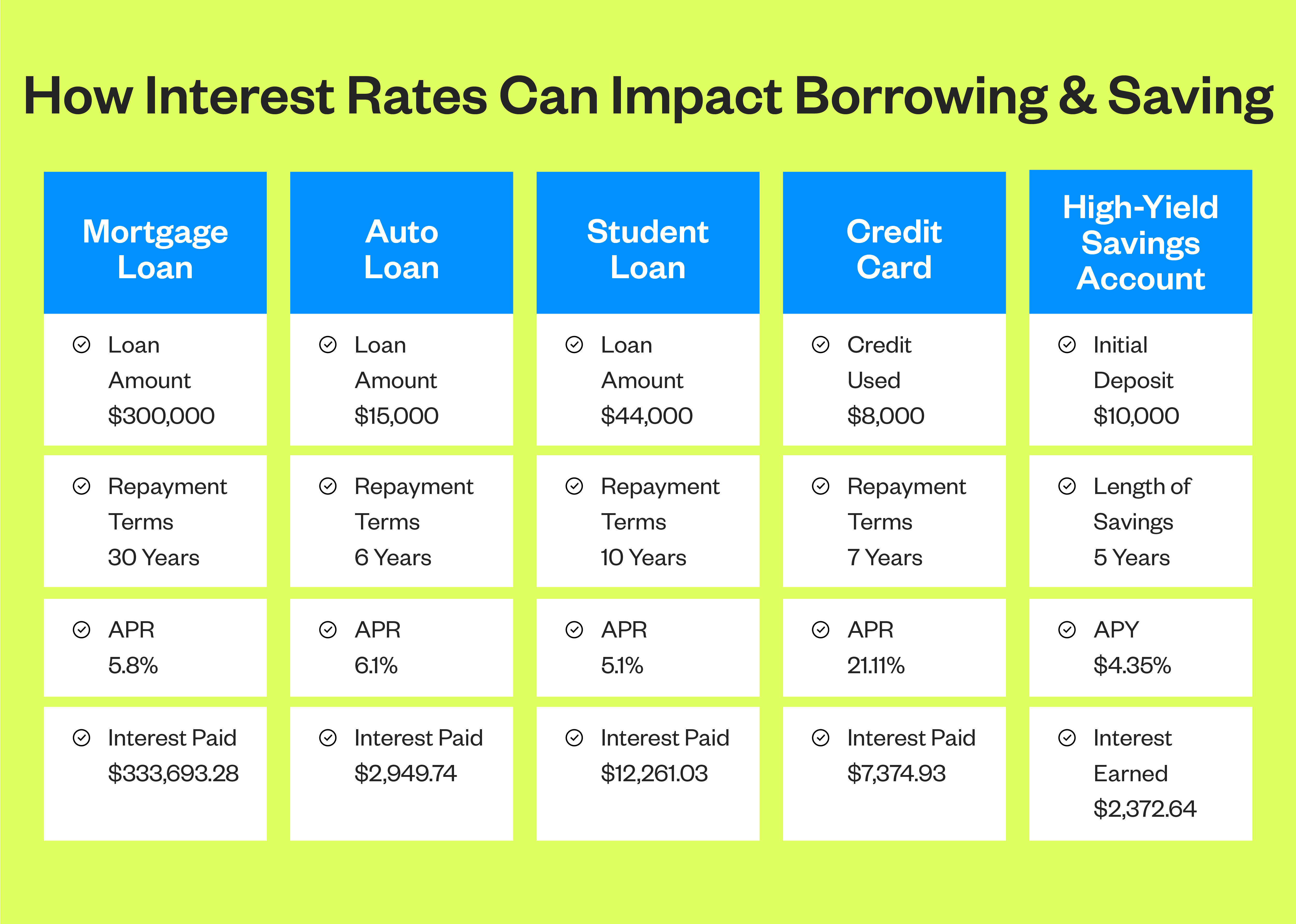
For consumers, the most immediate impact is the rise in Annual Percentage Rates (APR) on variable-rate products. Credit cards, home equity lines of credit (HELOCs), and adjustable-rate mortgages (ARMs) are typically tied to a benchmark, such as the Prime Rate. As the benchmark increases, the interest expense on these products resets higher, increasing your monthly minimum payments and the total interest paid over the life of the loan.
Yield Opportunities
Conversely, savers and fixed-income investors may benefit. High-interest-rate environments generally push up the yields on high-yield savings accounts, certificates of deposit (CDs), and Treasury securities. While borrowing becomes expensive, the "risk-free" rate of return on cash holdings becomes more attractive, often leading to a shift in household strategy from aggressive market participation toward capital preservation and interest-bearing instruments.
The Corporate and Investment Landscape
For businesses and investors, high interest rates force a recalibration of valuation models and capital structures.
Business Capital Expenditure
Corporations rely heavily on debt to fund expansion, research, and infrastructure. When interest rates rise, the weighted average cost of capital (WACC) increases. Projects that were viable at a 4% borrowing cost may no longer be profitable at 8%. Consequently, firms often defer capital expenditures, tighten budgets, and prioritize projects with higher internal rates of return (IRR).
Investment Valuations
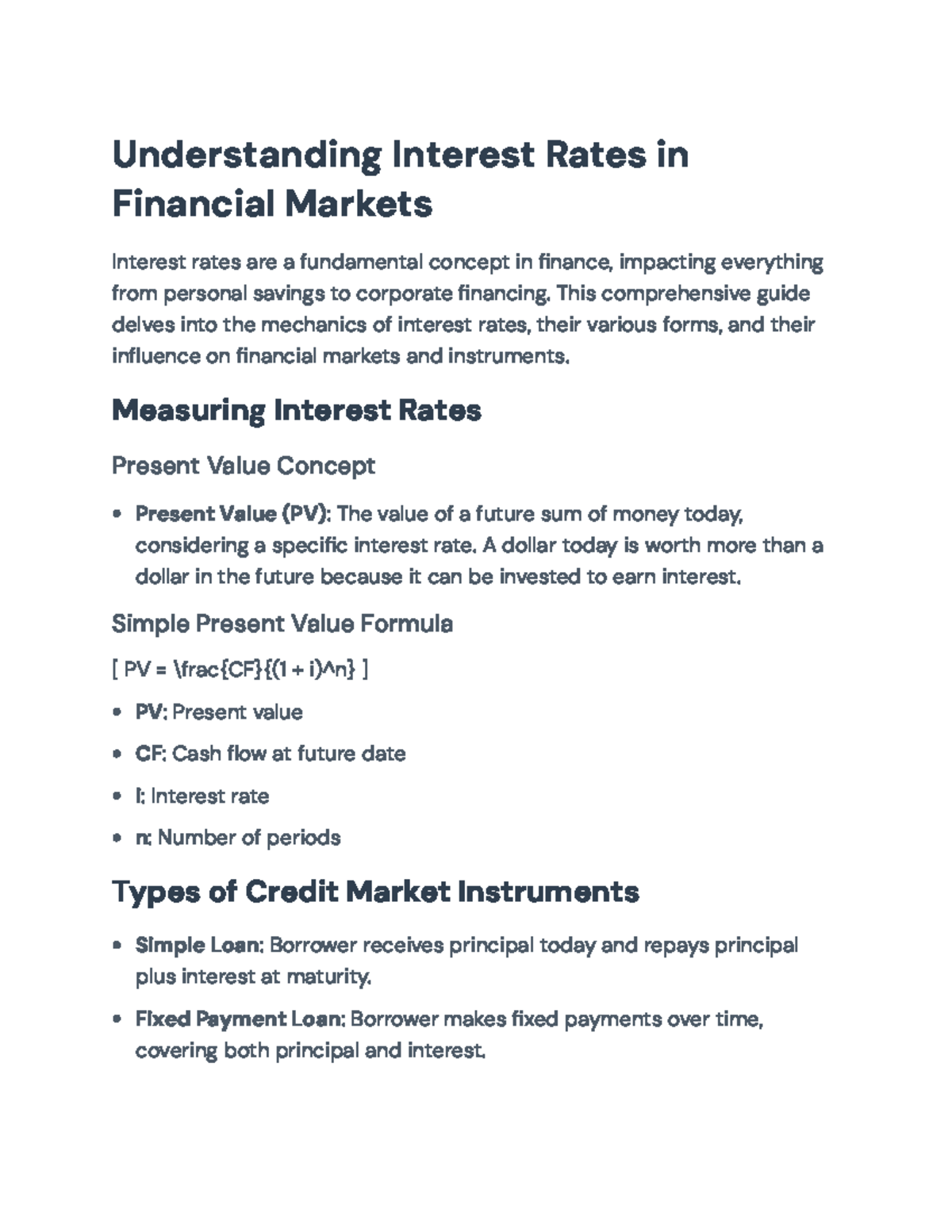
In equity markets, higher interest rates are generally viewed as a headwind. Because future cash flows are discounted at a higher rate, the present value of those cash flows—and thus the stock price—often decreases, particularly for "growth" companies that rely on future earnings rather than immediate profits. Investors frequently rebalance their portfolios, moving away from high-multiple tech stocks and toward value stocks or fixed-income assets that offer higher, guaranteed returns.
Comparing Financial Environments
The table below illustrates how different financial vehicles typically react to high-interest-rate environments versus low-interest-rate environments.
| Financial Instrument | High-Interest Environment | Low-Interest Environment |
|---|---|---|
| Savings Accounts | Yields increase; higher returns | Yields decrease; lower returns |
| Fixed-Rate Mortgages | New loans become expensive | New loans are affordable |
| Credit Card Debt | Higher APR; faster interest accrual | Lower APR; cheaper borrowing |
| Corporate Bonds | New issuance coupons are higher | New issuance coupons are lower |
| Equity Markets | Often volatile; focus on dividends | Often bullish; focus on growth |
Strategic Navigation: What to Do
Navigating a high-interest-rate environment requires a proactive approach to debt management and asset allocation.
1. Audit Your Debt Profile
Identify all variable-rate debt. If you carry a credit card balance, prioritize paying this down aggressively, as these rates are usually the highest and most sensitive to central bank hikes. If you hold a significant amount of variable debt, consider refinancing into a fixed-rate loan if possible to lock in a predictable cost, even if current market rates are elevated.
2. Leverage Cash Yields
Do not allow excess cash to sit in a standard checking account earning negligible interest. During high-rate cycles, explore government bonds, money market funds, or CDs. These instruments allow you to capture the higher yields offered by the current economic environment while maintaining relatively high liquidity or low risk.
3. Maintain Operational Liquidity
For business owners, the priority should be liquidity. Avoid over-leveraging with short-term, floating-rate debt. Maintain larger cash buffers to ensure you can cover operational expenses without needing to borrow at unfavorable market rates during a period of volatility.
Frequently Asked Questions
Why do high interest rates stop inflation? High interest rates make borrowing money more expensive for both consumers and businesses. This reduces the total amount of money circulating in the economy, lowering the demand for goods and services. As demand cools, the upward pressure on prices stabilizes or declines.
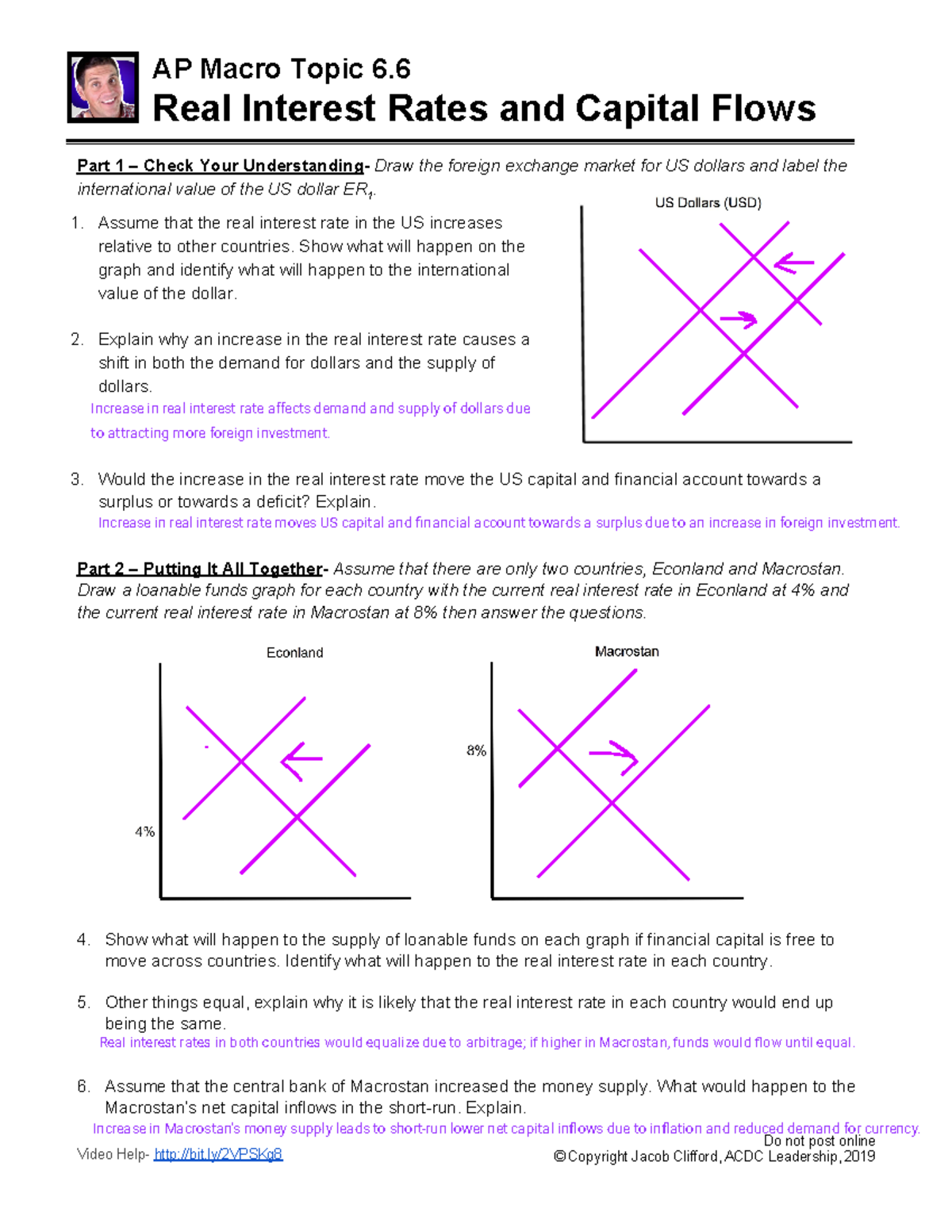
Do all loan rates change at the same time? Not necessarily. Federal interest rate hikes impact the "Prime Rate," which directly influences credit cards and lines of credit. However, long-term products like 30-year fixed mortgages are driven more by the bond market's expectation of future inflation. While they are correlated, the timing and magnitude of the change can vary by product.
Should I pay off my mortgage early in a high-rate environment? If your mortgage is fixed at a low historical rate, it may be more beneficial to keep that debt and invest your extra cash in high-yield savings or bonds. You are effectively earning a positive spread between your investment return and your mortgage interest expense.
What is the "neutral rate" of interest? The neutral rate is a theoretical interest rate that is neither stimulative nor restrictive to the economy. It is the level at which the economy operates at full potential with stable inflation. Central banks try to estimate this rate to determine if their current policy is actually "tight" or "loose."
Are high interest rates always bad? No. While they increase the cost of debt, they also reward savers and help prevent the economy from overheating. They are a necessary tool for maintaining long-term financial stability and controlling the purchasing power of the currency.
Next Actions
To assess your personal position, start by reviewing your current debt instruments and identifying which are tied to variable benchmarks like the Prime Rate. If your debt-servicing costs are straining your cash flow, prioritize the repayment of the highest-interest balances immediately. Simultaneously, evaluate your emergency fund and liquid savings to ensure you are capturing current market yields rather than leaving capital stagnant in low-interest accounts.
Image Gallery