Laser Eye Surgery in Pittsburgh for Better Vision: A Comprehensive Guide
Laser eye surgery in Pittsburgh offers residents access to advanced refractive procedures, such as LASIK, PRK, and SMILE, designed to correct refractive errors like myopia, hyperopia, and astigmatism. By utilizing precise laser technol...
Laser eye surgery in Pittsburgh offers residents access to advanced refractive procedures, such as LASIK, PRK, and SMILE, designed to correct refractive errors like myopia, hyperopia, and astigmatism. By utilizing precise laser technology to reshape the cornea, these outpatient procedures aim to reduce or eliminate a patient's reliance on corrective eyewear, providing a permanent, elective improvement to daily visual acuity.
Contents
Understanding Refractive Errors and Laser Correction
Before considering surgery, it is essential to understand why the vision requires correction. Refractive errors occur when the shape of the eye prevents light from focusing directly on the retina. Myopia (nearsightedness), hyperopia (farsightedness), and astigmatism are the most common conditions addressed by laser surgery.
In Pittsburgh, board-certified ophthalmologists utilize excimer lasers—which emit a cool ultraviolet light beam—to precisely remove microscopic amounts of tissue from the corneal stroma. By flattening a too-steep cornea or steepening a too-flat cornea, surgeons can restore the eye’s natural focusing ability.
Primary Laser Eye Surgery Modalities
When researching providers in the Pittsburgh area, you will encounter three primary types of laser-assisted refractive surgery. While all aim for better vision, the delivery method varies based on corneal thickness and patient lifestyle.
1. LASIK (Laser-Assisted In Situ Keratomileusis)
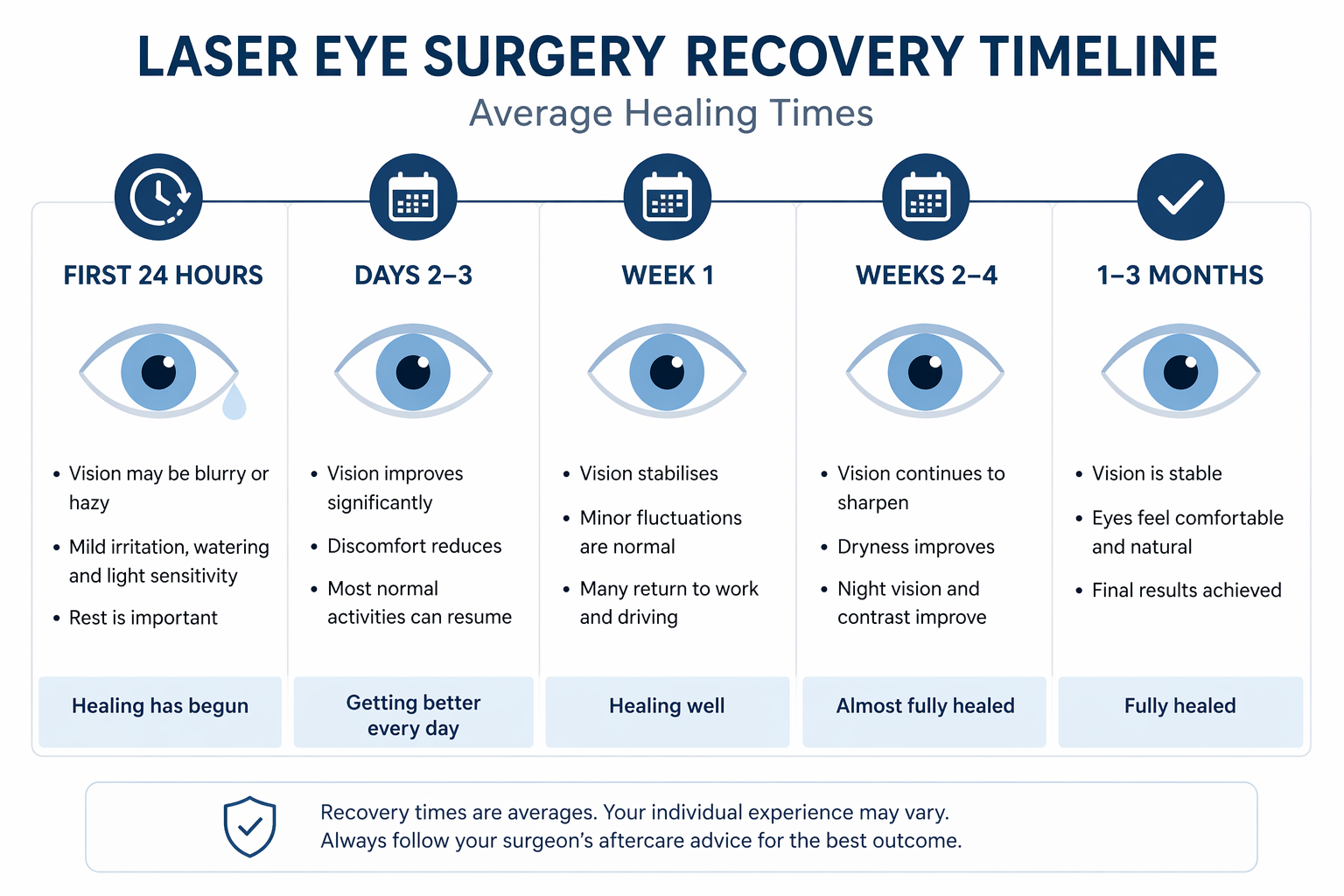
LASIK remains the most popular procedure. The surgeon creates a thin, hinged flap in the outer layer of the cornea. Once the flap is folded back, the excimer laser reshapes the underlying tissue. The flap is then repositioned, where it heals naturally without stitches. Recovery is typically rapid, often resulting in improved vision within 24 hours.
2. PRK (Photorefractive Keratectomy)
In PRK, the surgeon removes the thin outer layer of the cornea (the epithelium) entirely rather than creating a flap. The laser is applied directly to the surface. This procedure is often recommended for patients with thinner corneas or those whose occupations involve heavy contact sports, as there is no flap that could be dislodged. The recovery period is longer than LASIK, usually taking several days for the surface to heal.
3. SMILE (Small Incision Lenticule Extraction)
SMILE is a minimally invasive, flapless procedure. A femtosecond laser creates a small, lens-shaped piece of tissue (a lenticule) within the cornea, which is then removed through a tiny incision. This method is increasingly favored for its reduced impact on corneal nerves and surface stability.
Comparison of Common Refractive Procedures
| Procedure | Flap Created? | Typical Recovery Time | Best For |
|---|---|---|---|
| LASIK | Yes | 1–2 Days | Quick recovery, standard vision correction |
| PRK | No | 3–7 Days | Thinner corneas, contact sports participants |
| SMILE | No | 2–3 Days | Dry eye concerns, minimally invasive preference |
Prerequisites and Eligibility
Not every candidate is a suitable subject for laser eye surgery. In 2026, the standard of care in Pittsburgh medical facilities requires a comprehensive pre-operative evaluation. Eligibility criteria generally include:
- Age: Candidates must be at least 18 years old, as vision must be stable for at least one to two years prior to the procedure.
- Corneal Health: Patients must have sufficient corneal thickness and no history of keratoconus or other corneal diseases.
- Stable Prescription: A record of consistent vision measurements is necessary. Frequent changes in prescription indicate that the eye may still be changing.
- General Health: Certain autoimmune diseases, uncontrolled diabetes, or severe dry eye syndrome may disqualify a patient or require significant pre-treatment before surgery can be considered.
Choosing a Provider in Pittsburgh
When selecting a surgeon in the Pittsburgh area, look for credentials from the American Board of Ophthalmology. Reputable clinics will conduct a thorough consultation that includes topography maps of the cornea and pupil size measurements.
Ask potential providers about their specific surgical volume and the technology they utilize. In a city with robust medical infrastructure like Pittsburgh, top-tier centers often provide access to "all-laser" or "bladeless" platforms, which use femtosecond lasers rather than traditional mechanical microkeratomes for flap creation.
Costs and Financial Considerations
Laser eye surgery is typically considered an elective, cosmetic, or restorative procedure. As of 2026, most vision insurance plans in Pennsylvania do not cover the full cost of LASIK unless it is part of a specific discount program.
- Out-of-Pocket Costs: Prices vary based on the technology used and the complexity of the refractive error. Many facilities offer bundled pricing that includes the surgery, post-operative medication, and a set number of follow-up visits.
- Financing Options: Many clinics offer 0% interest financing or extended payment plans to help manage the upfront cost.
- HSA/FSA Usage: Funds from Health Savings Accounts (HSA) or Flexible Spending Accounts (FSA) can often be applied to cover the costs of laser eye surgery, providing a significant tax advantage.
Recovery and Long-Term Expectations
Post-operative care is vital for achieving the best vision. Patients are usually instructed to wear protective shields while sleeping for the first few nights to prevent accidental rubbing. Use of antibiotic and anti-inflammatory eye drops is mandatory to manage healing and reduce infection risks.
While most patients achieve 20/20 vision or better, it is important to maintain realistic expectations. As you age, you may still require reading glasses when you reach the age where presbyopia (age-related loss of near vision) typically sets in. Laser eye surgery corrects the distance vision, but it does not prevent the natural aging process of the eye's internal lens.
Frequently Asked Questions
Is laser eye surgery permanent?
The physical change made to the cornea is permanent. However, because the eye can continue to undergo natural physiological changes throughout life, some patients may notice slight shifts in vision years later, though this is rarely as severe as the original refractive error.
Does laser eye surgery hurt?
Patients are given numbing drops before the procedure, so there is generally no pain, though some report a feeling of pressure when the suction ring is applied during the LASIK flap-creation process. After the surgery, eyes may feel gritty or dry for a few days.
How long does the procedure take?
The actual laser application usually takes less than 60 seconds per eye. Total time in the surgical suite is typically about 15 to 20 minutes.
What are the main risks associated with the surgery?
While rare, risks include dry eyes, glare, halos around lights at night, or under-correction. A pre-operative screening is designed specifically to identify those at a higher risk of these complications.
Can I have both eyes done on the same day?
Yes, it is standard practice to perform laser eye surgery on both eyes during a single visit. This provides a more balanced visual recovery and reduces the total downtime for the patient.
Next Steps
If you are considering laser eye surgery in Pittsburgh, the first action is to schedule a comprehensive vision exam with an ophthalmologist. Request a "refractive consultation" specifically. Bring your current glasses or contact lens prescription, a list of current medications, and a history of your eye health. This initial evaluation will determine your specific candidacy and provide a personalized roadmap for achieving better vision.
Image Gallery