Midlands Auto Insurance Costs and Coverage: A Comprehensive Guide
Midlands auto insurance costs are determined by a combination of state-mandated minimum liability requirements, individual driver risk profiles, and the specific geographic rating territories within the region. Premiums vary significan...
Midlands auto insurance costs are determined by a combination of state-mandated minimum liability requirements, individual driver risk profiles, and the specific geographic rating territories within the region. Premiums vary significantly based on coverage selection—ranging from basic state-minimum liability to comprehensive full-coverage policies—and are heavily influenced by the driver's history, vehicle type, and choice of deductible.
Contents
Understanding the Regional Insurance Landscape
When discussing "the Midlands" in an insurance context, it is critical to distinguish between the various jurisdictions that may utilize this term. In the United States, this often refers to the Midlands region of South Carolina or similar geographic designations in other states. Insurance regulation is primarily a state-level function, meaning your costs and coverage options are governed by the specific Department of Insurance (DOI) in your state of residence.
Your auto insurance policy is a legal contract designed to provide financial protection against loss. Because insurance carriers calculate premiums based on actuarial data, the "cost" is not a fixed price but a reflection of the statistical likelihood that you will file a claim. Factors such as regional traffic density, local weather-related risks, and the cost of vehicle repairs in your specific zip code heavily weigh into the final premium offered by insurers.
Core Coverage Components
To manage your insurance costs effectively, you must first understand what you are paying for. Most insurance policies are modular, allowing you to select different types of coverage that cater to your financial risk tolerance.
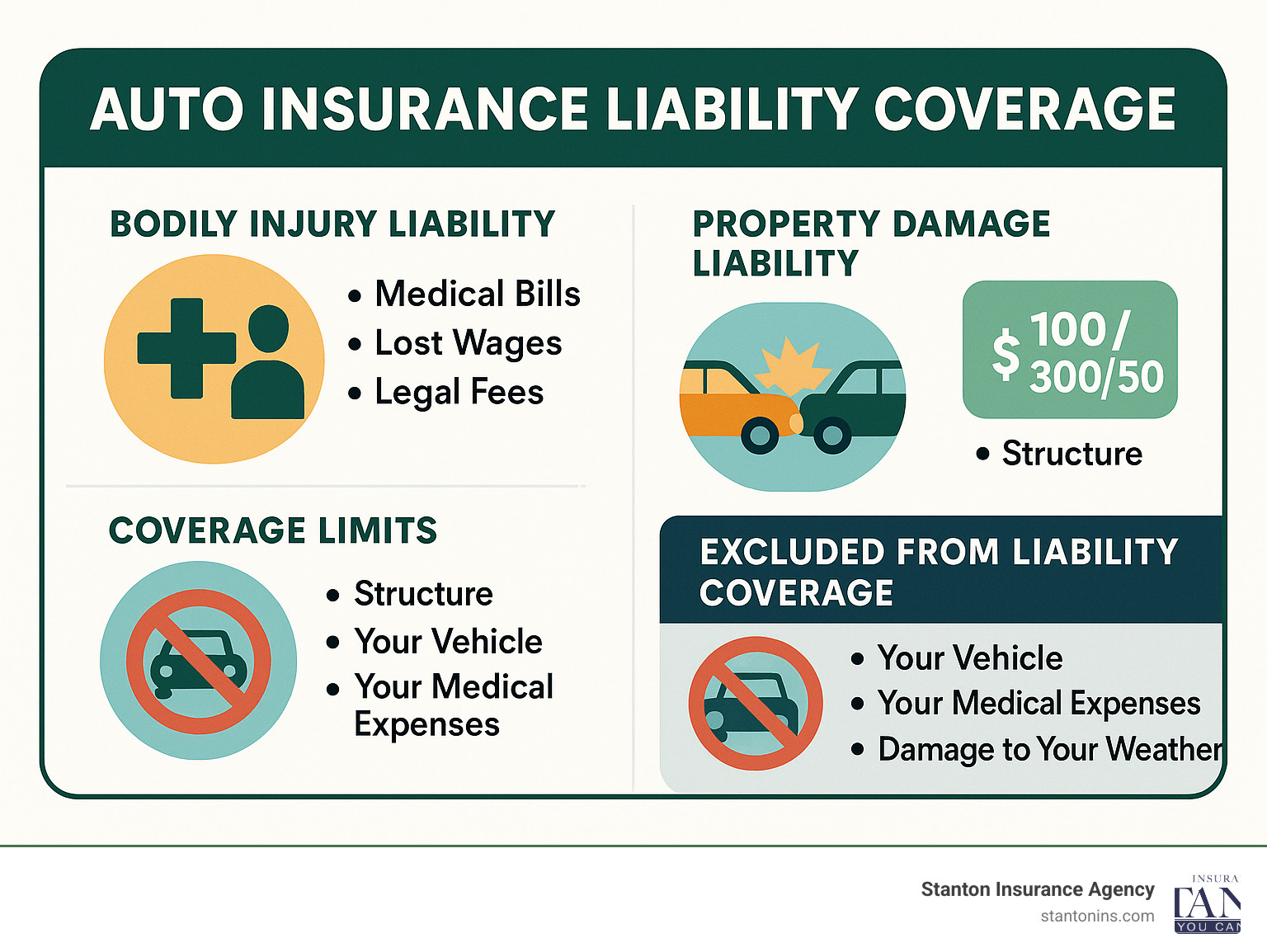
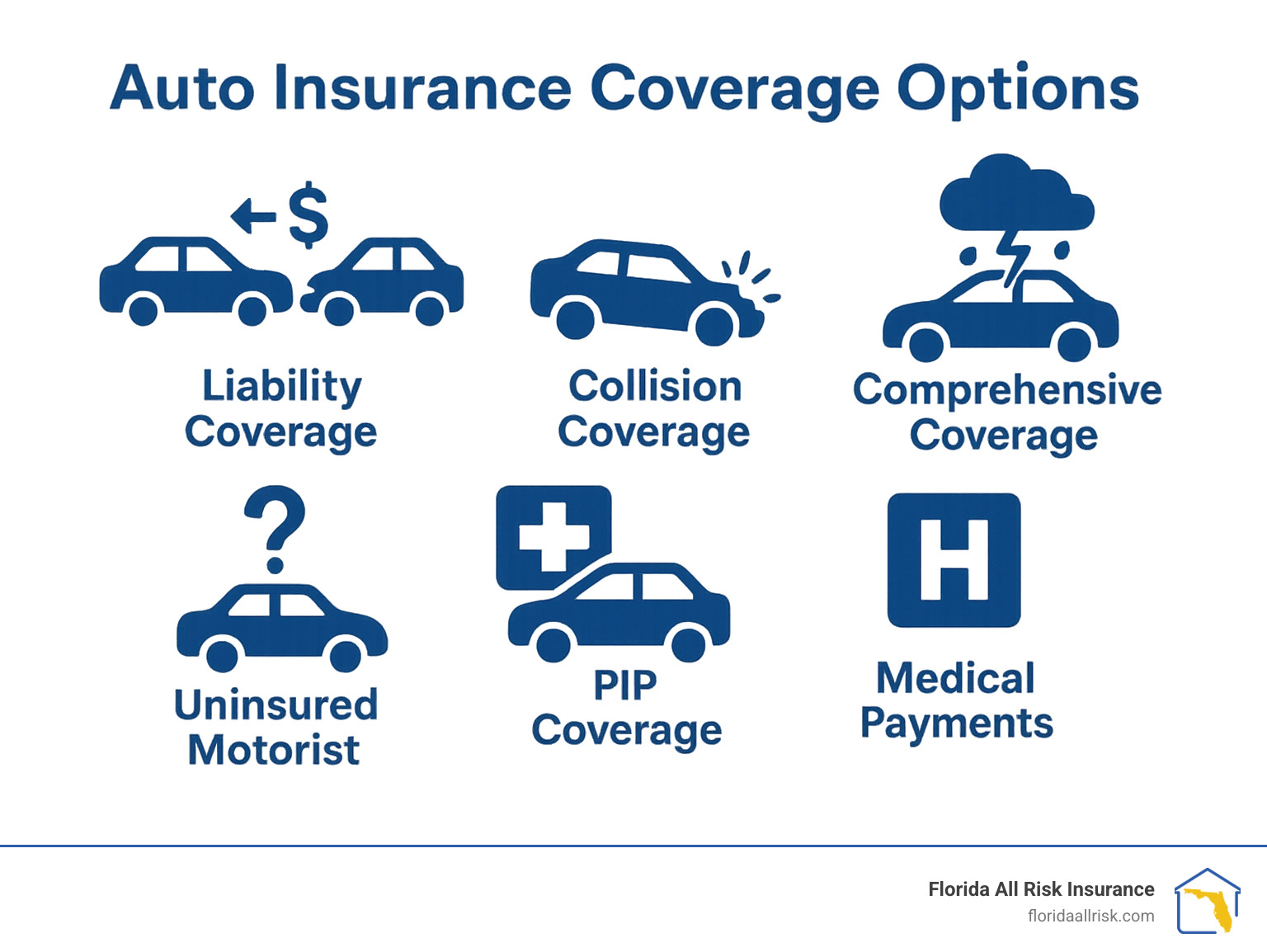
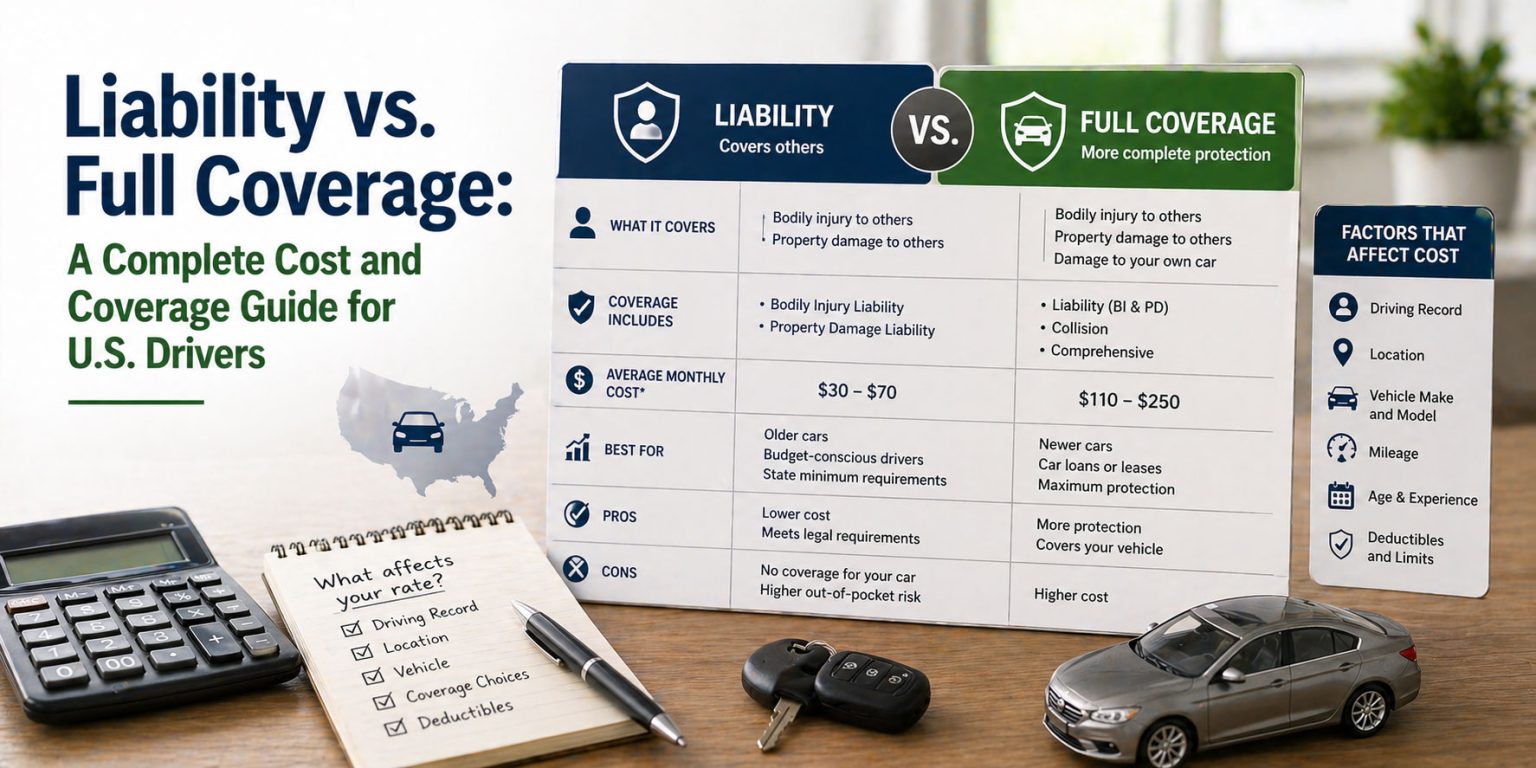
- Liability Coverage: This is the foundational requirement in almost every jurisdiction. It covers bodily injury and property damage you cause to others in an accident. It does not cover your own vehicle.
- Collision Coverage: This pays for repairs to your car if it is damaged in a collision with another vehicle or an object, regardless of who is at fault.
- Comprehensive Coverage: This protects your vehicle against non-collision incidents, such as theft, vandalism, fire, or damage caused by weather events—a significant consideration in regions prone to specific storm patterns.
- Uninsured/Underinsured Motorist Protection: This coverage is vital for protecting yourself if you are hit by a driver who lacks sufficient insurance to cover your medical bills or repair costs.
- Personal Injury Protection (PIP) or Medical Payments: These cover medical expenses for you and your passengers, regardless of fault, depending on whether your state follows a "no-fault" or "tort" insurance system.
Factors Influencing Your Insurance Premium
Insurance companies utilize complex algorithms to determine your individual risk score. While some factors are within your control, others are static variables dictated by your demographic profile or local environment.
- Driving Record: A history of moving violations, at-fault accidents, or insurance lapses will significantly increase your premiums. Conversely, long-term safe driving habits often qualify you for "safe driver" discounts.
- Vehicle Specifications: The cost to repair your specific make and model is a major factor. Vehicles with high-tech safety features or expensive replacement parts typically command higher premiums.
- Credit-Based Insurance Scores: In states where legally permitted, insurers use credit information as a component of their risk assessment. Maintaining a healthy credit profile can often lead to lower insurance rates.
- Annual Mileage: If your vehicle is used for long daily commutes compared to occasional pleasure driving, your risk exposure is statistically higher, which is reflected in your rate.
- Deductible Selection: Your deductible—the amount you pay out-of-pocket before insurance kicks in—is inversely related to your premium. Choosing a higher deductible (e.g., $1,000 instead of $500) will lower your monthly or annual costs.
Comparison of Coverage Levels
When evaluating your policy, it is helpful to contrast the implications of different coverage tiers.
| Coverage Type | Primary Benefit | Best For |
|---|---|---|
| State Minimum Liability | Lowest monthly cost; legal compliance. | Older vehicles with low market value; tight budgets. |
| Standard Policy | Balanced protection against common road risks. | Drivers with mid-range vehicle values and assets. |
| Full Coverage (Comprehensive/Collision) | Maximum protection for your vehicle and assets. | Newer vehicles, financed cars, and high-net-worth individuals. |
Strategic Steps to Optimize Costs
Reducing your auto insurance costs requires a proactive approach rather than passive acceptance of renewal notices. Before your policy term ends in 2026, consider these actionable steps:
- Review Your Declarations Page: Ensure all information is accurate. Errors in your mileage, garaging address, or vehicle usage can result in overpayment.
- Bundle Policies: Many insurers offer significant discounts if you hold your home, renters, or life insurance with the same carrier as your auto insurance.
- Adjust Deductibles: If you have an emergency fund available, consider increasing your deductibles. This reduces your premium immediately, saving you money over the long term, provided you do not have frequent, small claims.
- Inquire About Group Discounts: Membership in certain professional organizations, alumni associations, or even your employer may qualify you for reduced rates.
- Shop the Market: Insurance markets are competitive. Request quotes from at least three different carriers every two to three years to ensure your current rate remains market-competitive.
Frequently Asked Questions
Does my credit score affect my insurance rates in the Midlands? In many jurisdictions, yes. Insurers use credit-based insurance scores to predict the likelihood of future claims. Improving your credit score over time is one of the most effective ways to lower your premiums, provided your state does not prohibit the use of credit in insurance underwriting.
What should I do if I am involved in an accident? First, ensure the safety of all parties. Contact law enforcement to file an official report, which is essential for claims verification. Exchange insurance information with the other party, document the scene with photographs, and report the accident to your insurer as soon as possible, regardless of who is at fault.
Is full coverage mandatory if I own my car outright? No. If you own your vehicle, you are only legally required to carry the minimum liability insurance mandated by your state. However, "full coverage" is strongly recommended for high-value vehicles, as you will be responsible for the entire repair or replacement cost if you are involved in a wreck or a natural disaster.
How do weather conditions in my area impact my rates? Insurers track historical claims data for specific geographic areas. If your region experiences frequent hail storms, floods, or high rates of vehicle theft, the "comprehensive" portion of your insurance premium will likely be higher to account for that increased statistical risk.
Can I lower my rates by taking a defensive driving course? Many insurance carriers offer discounts for completing state-approved defensive driving courses, particularly for younger drivers or seniors. Always verify with your insurance agent whether your specific provider honors this discount before enrolling.
Professional Advice Limitation
The information provided here is for educational purposes and does not constitute professional financial or legal advice. Auto insurance requirements, regulatory environments, and premium structures change frequently. For specific advice regarding your policy or to obtain a quote tailored to your personal circumstances, consult with a licensed insurance broker or contact your state’s Department of Insurance to understand the specific legal requirements and consumer protections available in your location.
Next Steps for Policyholders
To take control of your auto insurance coverage, start by pulling your current declarations page and identifying which coverages you are paying for but may not need, such as rental car reimbursement or high-cost towing packages if you already have a roadside assistance membership. Use this assessment to get three fresh quotes from different carriers. By comparing the exact coverage limits and deductibles across these quotes, you can determine if you are paying a fair market rate for your current risk profile.
Image Gallery