The Largest Food Producers in the World: 2026 Industry Analysis and Rankings
As of 2026, the largest food producers in the world are led by Nestlé, PepsiCo, and JBS S.A., which consistently dominate the global market through massive brand portfolios and diversified supply chains. These entities control signific...
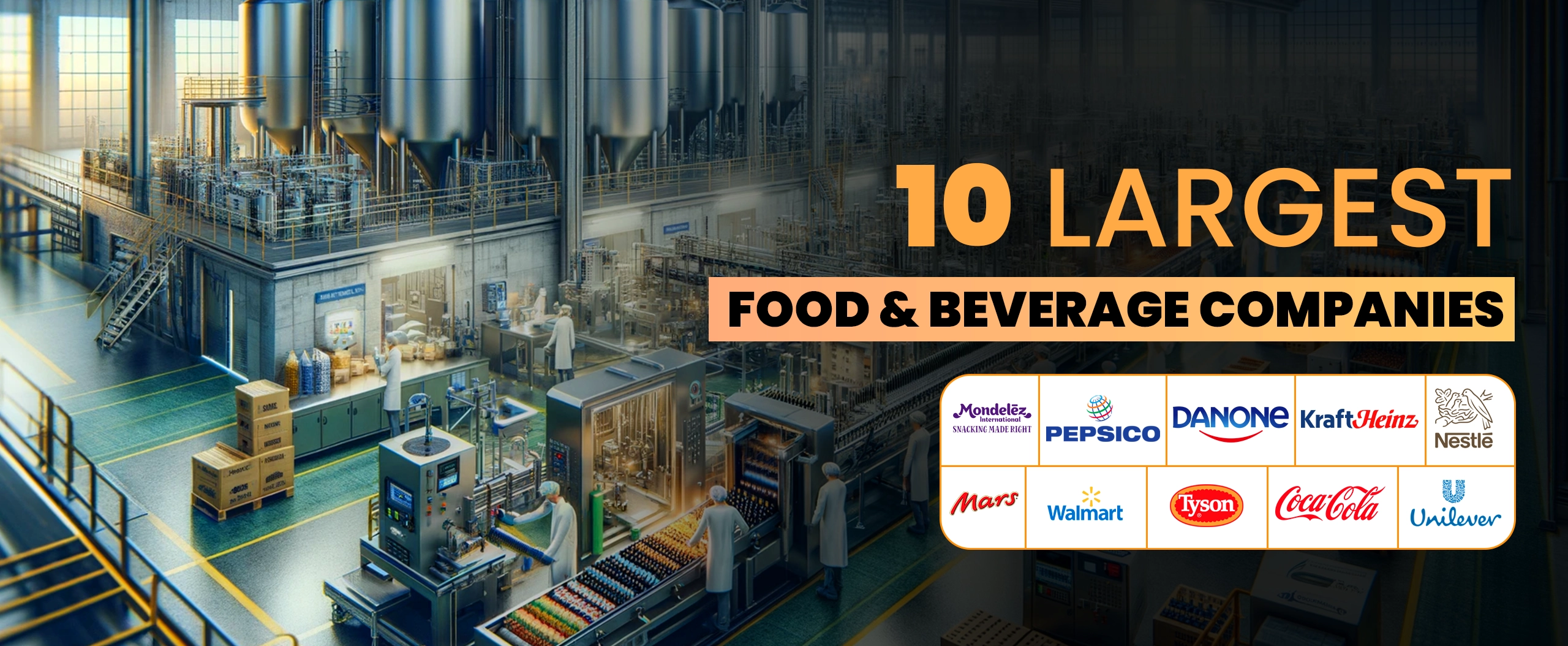
As of 2026, the largest food producers in the world are led by Nestlé, PepsiCo, and JBS S.A., which consistently dominate the global market through massive brand portfolios and diversified supply chains. These entities control significant portions of the global consumer packaged goods (CPG) market, generating annual revenues that exceed the GDP of many mid-sized nations while influencing global nutritional standards and sustainability practices.
Contents
The Global Landscape of Food Production in 2026
The food production industry in 2026 is defined by extreme consolidation and a shift toward "resilient nutrition." While the early 2020s were characterized by supply chain volatility and inflationary pressures, the current landscape sees the world's largest food producers focusing on vertical integration and biotechnology. These companies are no longer just processors; they are data-driven entities managing everything from seed genetics to direct-to-consumer delivery platforms.
The "Big Food" sector is primarily categorized into three segments: diversified CPG giants (like Nestlé and Unilever), protein specialists (like JBS and Tyson), and beverage-heavy conglomerates (like PepsiCo and AB InBev). Understanding who these giants are requires looking beyond simple revenue; one must examine their market capitalization, geographic reach, and their ability to adapt to the 2026 regulatory environment, which increasingly mandates strict environmental, social, and governance (ESG) reporting.
Detailed Profiles of the Top 10 Food Producers
1. Nestlé S.A.
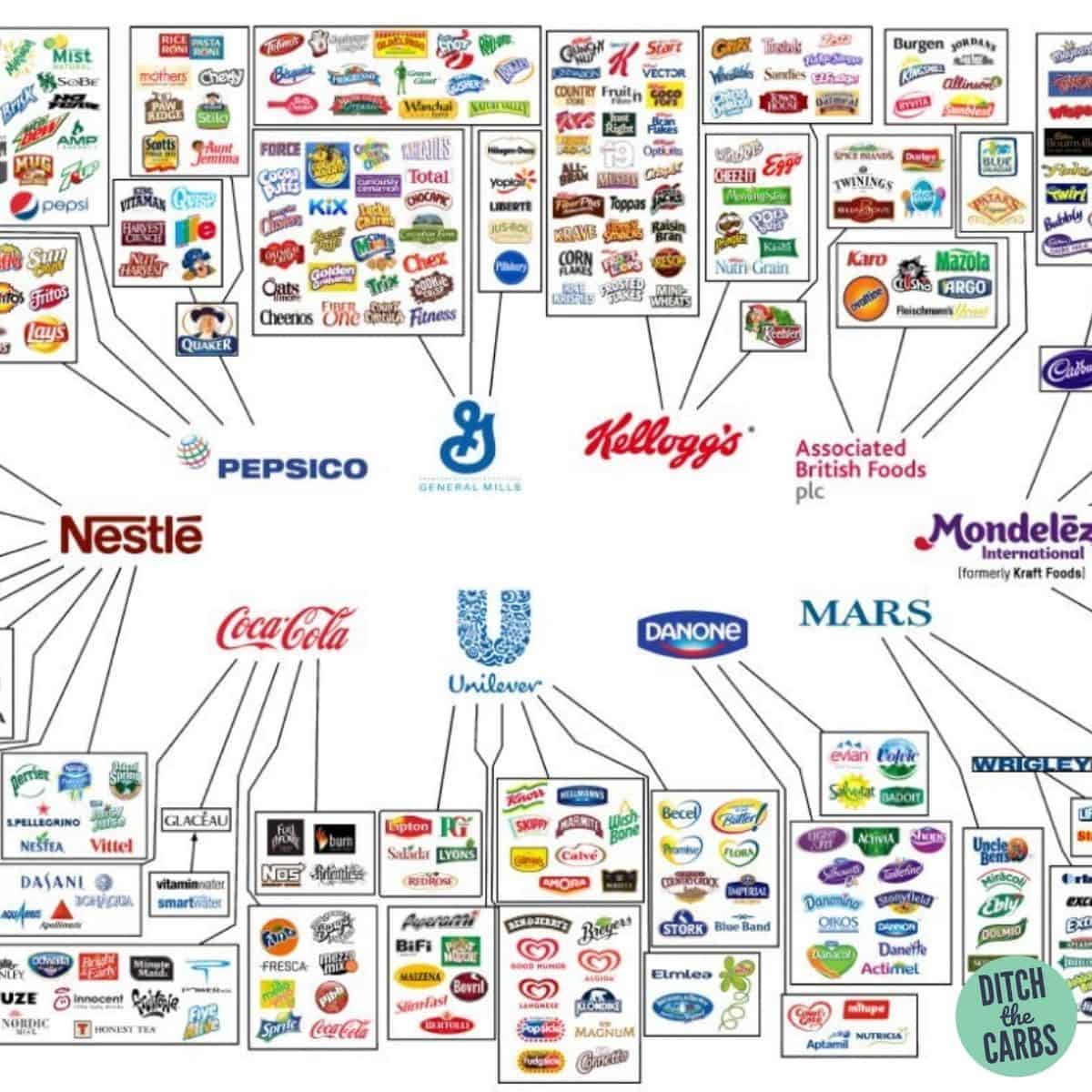
Headquartered in Vevey, Switzerland, Nestlé remains the undisputed leader in the global food and beverage space. By 2026, Nestlé has successfully pivoted its portfolio toward "Health Science" and high-growth categories like coffee, pet care, and infant nutrition. Its dominance is rooted in its vast geographic footprint, operating in nearly every country on Earth.
Key brands such as Nespresso, Purina, and Maggi provide the company with a diversified income stream that resists localized economic downturns. In recent years, Nestlé has divested from lower-margin confectionery businesses in certain markets to focus on premiumization and plant-based alternatives, solidifying its position as a forward-thinking market leader.
2. PepsiCo, Inc.
While often associated primarily with beverages, more than half of PepsiCo’s revenue in 2026 stems from its food and snack divisions, most notably Frito-Lay and Quaker Oats. PepsiCo’s "Pep+" transformation initiative has been central to its operations, focusing on sustainable sourcing and reduced sodium/sugar profiles across its global snack portfolio.
PepsiCo’s competitive advantage lies in its "Power of One" strategy, which leverages its massive distribution network to sell snacks and beverages together. This integrated supply chain makes it an indispensable partner for retailers worldwide.
3. JBS S.A.
Based in Brazil, JBS is the world’s largest processor of fresh beef, pork, and chicken. In 2026, JBS continues to expand its global reach through strategic acquisitions in Europe and North America. Despite historical challenges regarding Amazon deforestation links, the company has invested billions into "Green Offices" to monitor its indirect supply chain, aiming for high-integrity transparency.
JBS serves as a critical pillar in global food security, providing protein to billions. Its expansion into plant-based proteins via its Planterra brand shows a strategic hedge against shifting consumer preferences toward "flexitarian" diets.
4. Anheuser-Busch InBev (AB InBev)
Though focused on beverages, AB InBev’s scale places it firmly among the largest food-grade caloric producers. Controlling roughly 25% of the world’s beer market, the company manages iconic brands like Budweiser, Stella Artois, and Corona. In 2026, AB InBev has diversified into "Beyond Beer" categories, including hard seltzers, ready-to-drink (RTD) cocktails, and non-alcoholic malt beverages, which are seeing record growth.
5. Tyson Foods, Inc.
As the premier protein producer in the United States, Tyson Foods plays a vital role in the global meat trade. Tyson’s operations are characterized by intense vertical integration, owning the feed mills, hatcheries, and processing plants. By 2026, Tyson has significantly increased its investment in lab-grown (cultivated) meat and automation technologies to offset labor shortages in the processing sector.
6. Mars, Incorporated
Mars remains one of the largest privately held companies in the world. Its influence spans across confectionery (M&M's, Snickers), pet nutrition (Royal Canin, Pedigree), and food staples (Ben's Original). Because it is not beholden to quarterly public market pressures, Mars has been able to take a long-term view on sustainable cocoa sourcing and veterinary health services, the latter of which has become a major revenue driver for the firm by 2026.
7. Mondelez International
Focusing almost exclusively on snacking, Mondelez holds the top global position in biscuits and chocolate. With brands like Oreo, Cadbury, and Milka, the company has mastered "mindful snacking" marketing. In 2026, Mondelez has focused heavily on emerging markets in Asia and Africa, where a growing middle class is driving demand for branded convenience foods.
8. Danone S.A.
The French multinational Danone is a leader in dairy and plant-based products, specialized nutrition, and bottled water. As a certified B Corp in many of its operating regions, Danone leads the industry in balancing profit with social purpose. Its 2026 strategy focuses on "Essential Dairy and Plant-Based" (EDP) products, capitalizing on the global trend toward gut health and probiotics.
9. The Kraft Heinz Company
Following a period of intensive restructuring, Kraft Heinz has re-emerged in 2026 as an efficiency leader. The company has moved away from aggressive cost-cutting toward "Agile Scaling," focusing on its "Taste Elevation" platform (sauces and condiments) and "Easy Meals." Their iconic ketchup remains a global gold standard, maintaining high margins through brand loyalty.
10. General Mills, Inc.
Known for its dominance in the North American cereal and baking aisles, General Mills has successfully expanded into the premium pet food market with the acquisition of Blue Buffalo. In 2026, the company is a leader in regenerative agriculture, having committed millions of acres to farming practices that sequester carbon—a move that has resonated well with environmentally conscious consumers.
Comparative Data: Top Global Food Producers (2026 Estimates)
| Company | Primary Headquarters | Main Sector | Estimated Annual Revenue (USD) | Key Markets |
|---|---|---|---|---|
| Nestlé | Switzerland | Diversified CPG | $105 - $110 Billion | Global |
| PepsiCo | USA | Snacks & Beverages | $95 - $100 Billion | North America, EMEA |
| JBS S.A. | Brazil | Meat & Protein | $75 - $80 Billion | Americas, China |
| AB InBev | Belgium | Beverages (Alcohol) | $60 - $65 Billion | Global |
| Tyson Foods | USA | Meat & Protein | $55 - $60 Billion | North America, Asia |
| Mars, Inc. | USA | Snacks & Pet Care | $50 - $55 Billion | Global |
| Mondelez | USA | Snacks/Confectionery | $38 - $42 Billion | Global |
| Danone | France | Dairy & Nutrition | $28 - $32 Billion | Europe, Asia |
| Kraft Heinz | USA | Processed Foods | $27 - $30 Billion | North America |
| General Mills | USA | Cereal & Snacks | $21 - $24 Billion | North America |
Note: Revenue figures are projected estimates based on trailing performance and 2026 market conditions.
Emerging Trends Influencing Global Production
By 2026, the largest food producers are no longer operating under the "business as usual" models of the previous decade. Several tectonic shifts have forced these giants to evolve:
Regenerative Agriculture and Soil Health
Major players like General Mills and Nestlé have moved beyond simple "sustainability" to regenerative agriculture. This involves supporting farmers in practices that improve soil health, biodiversity, and water cycles. By 2026, these companies use satellite imaging and blockchain to verify that the raw ingredients in their products are actually contributing to carbon sequestration.
The Rise of Precision Fermentation
To meet the protein demands of a growing population without expanding livestock footprints, companies like JBS and Tyson are investing in precision fermentation. This technology allows for the production of milk proteins or collagen without the need for animals, providing a more stable and ethical supply chain for processed food ingredients.
Hyper-Personalization via AI
The largest food producers are utilizing Artificial Intelligence (AI) to tailor products to specific regional or even individual nutritional needs. In 2026, it is common for companies like Danone to offer "functional" foods that are marketed directly to consumers based on biometric data or microbiome testing results, moving the industry closer to the healthcare sector.
Challenges and Risks for Industry Giants
Despite their size, the largest food producers face significant headwinds in 2026:
- Regulatory Crackdowns on Ultra-Processed Foods (UPFs): Governments worldwide are implementing stricter labeling requirements and "sugar taxes" as the link between UPFs and metabolic diseases becomes more clinically defined.
- Climate Instability: Crop failures in key regions (such as cocoa in West Africa or coffee in Brazil) create price shocks that even the largest conglomerates struggle to absorb without impacting consumer pricing.
- Antitrust Scrutiny: As these companies grow through acquisition, regulators in the EU and the US have become more aggressive in blocking mergers that could lead to "food monopolies," limiting the traditional growth path for these giants.
Frequently Asked Questions
Which company is currently the largest food producer in the world?
Nestlé is the largest food producer in the world by revenue, market capitalization, and brand diversity. Its ability to maintain leadership is due to its "Health Science" division and its dominance in the global coffee and pet care markets, which offer higher margins than traditional commodity foods.
How do meat producers like JBS compare to CPG companies like PepsiCo?
Meat producers like JBS and Tyson often have higher "gross" revenues but lower profit margins compared to CPG companies like PepsiCo. This is because meat production involves high variable costs related to grain, logistics, and livestock management, whereas CPG companies benefit from strong brand equity and lower ingredient costs relative to the retail price.
Are these large food producers becoming more sustainable in 2026?
Yes, out of necessity. By 2026, most major food producers have committed to net-zero targets. This is driven by both consumer demand and institutional investors who view climate change as a material risk to the global food supply chain. Companies are now reporting audited ESG metrics alongside their financial results.
What role does technology play in the operations of these companies?
Technology is the primary driver of efficiency in 2026. From AI-driven demand forecasting to robotic automation in processing plants, these companies use technology to mitigate rising labor costs and reduce waste. Blockchain is also widely used to provide "farm-to-fork" traceability for consumers.
Why are many food producers moving into the pet care industry?
Companies like Mars, Nestlé, and General Mills have aggressively expanded into pet care because it is a "high-stickiness" category. Consumers are often less price-sensitive regarding their pets' health and nutrition than their own, leading to more resilient margins during economic downturns.
Practical Recommendation for Consumers and Investors
For those tracking the global food industry in 2026, it is essential to look at portfolio diversification rather than just top-line revenue. The most successful food producers are those that have successfully transitioned away from high-sugar, ultra-processed items toward "functional" foods and sustainable proteins.
Investors should prioritize companies with strong vertical integration and advanced data capabilities, as these firms are best positioned to weather supply chain shocks. Consumers looking for transparency should seek out brands that offer verified third-party certifications regarding their sourcing practices, as the largest producers continue to compete on "trust" as much as they do on price and taste.
To stay updated on corporate shifts, consult the United Nations Food and Agriculture Organization (FAO) for global supply reports or the SEC’s EDGAR database for the most recent financial filings of public producers.
Image Gallery