The Banks Family: A Comprehensive Legacy of The Fresh Prince of Bel-Air
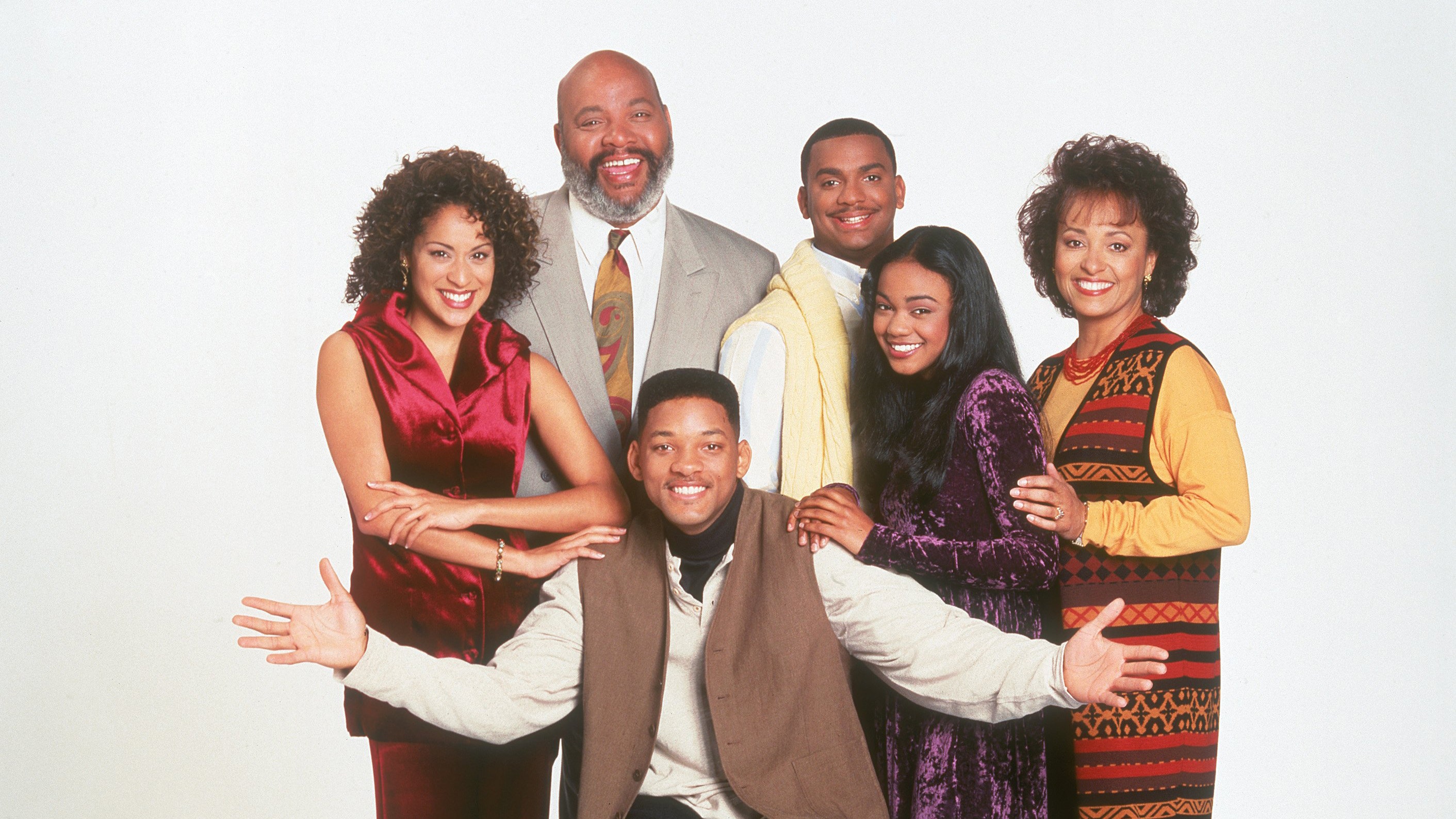
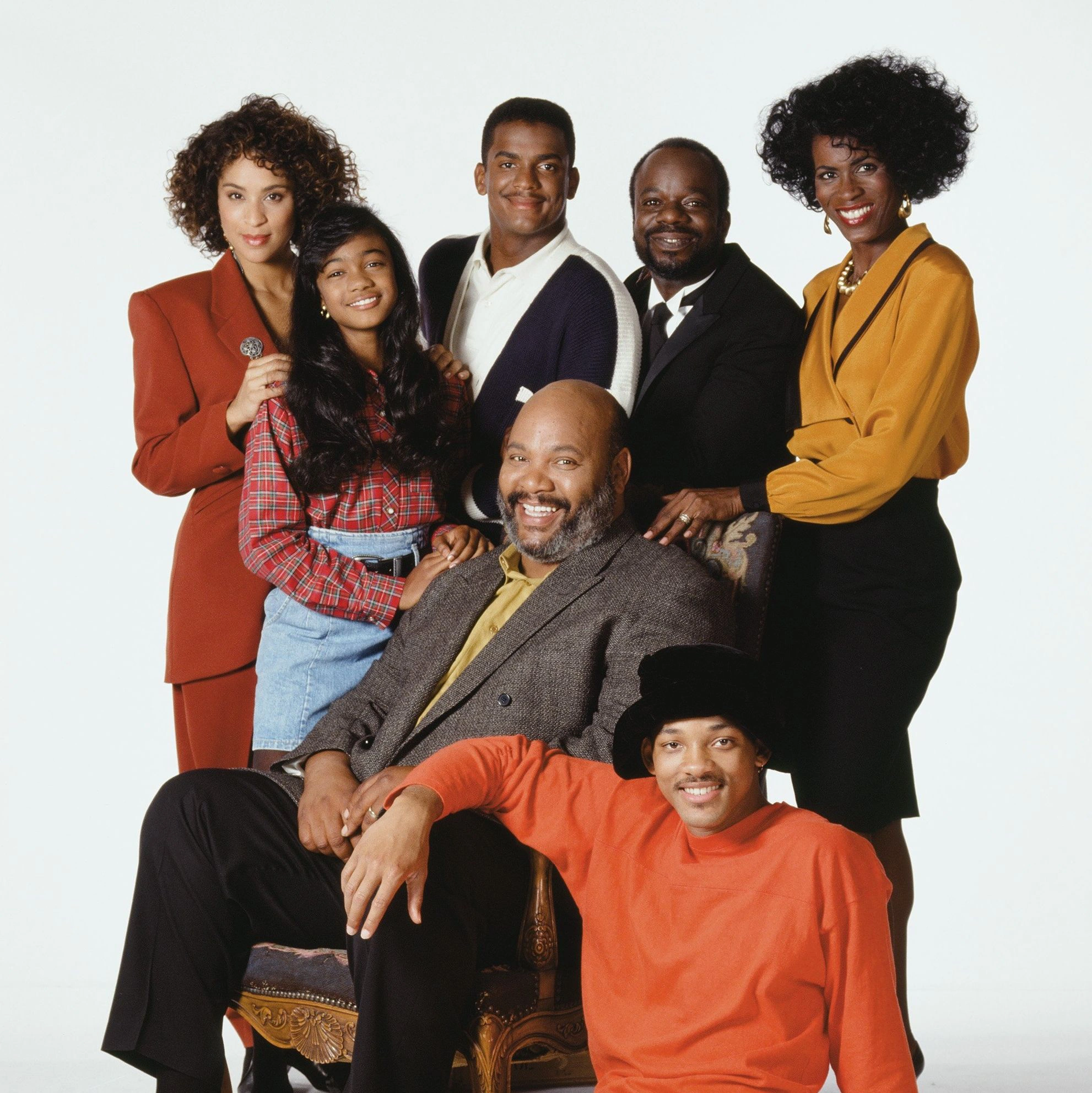
The Banks family represents a landmark portrayal of Black excellence, wealth, and internal cultural dynamics in American television history. Residing in the affluent neighborhood of Bel-Air, California, this multi-generational househol...
The Banks family represents a landmark portrayal of Black excellence, wealth, and internal cultural dynamics in American television history. Residing in the affluent neighborhood of Bel-Air, California, this multi-generational household served as the foundational structure for The Fresh Prince of Bel-Air, providing a sophisticated backdrop for the fish-out-of-water journey of Will Smith’s character. As of 2026, the family remains a central study in how sitcoms can successfully balance broad comedy with poignant social commentary on class and identity.
Contents
The Architecture of the Banks Household
At the heart of the show's success was the deliberate construction of the Banks family as a foil to Will’s West Philadelphia upbringing. Unlike many previous television depictions of African American families, the Banks family was established as part of the "one percent." This socioeconomic positioning allowed the series to explore the "Black experience" through a lens of privilege, professional achievement, and the complexities of upward mobility.
The family consists of patriarch Philip Banks, matriarch Vivian Banks, and their children: Hilary, Carlton, Ashley, and eventually, little Nicholas (Nicky). While the household is rounded out by their sarcastic English butler, Geoffrey Butler, and their nephew Will, it is the core nuclear unit that defines the show's moral and thematic compass.
Philip Banks: The Anchor of Authority
Philip "Uncle Phil" Banks, portrayed with magisterial depth by the late James Avery, is the family's undisputed patriarch. A graduate of Princeton University and Harvard Law School, Philip’s trajectory from a civil rights activist in the 1960s to a wealthy corporate lawyer and eventual Superior Court judge provides the show with its most significant "success story."
Philip’s character serves as more than just a disciplinarian for Will; he is a surrogate father. His relationship with Will is the emotional backbone of the series, moving from mutual frustration to deep, paternal love. Philip’s stern exterior often masks a man who is fiercely protective of his family’s integrity and the community’s welfare. His character famously challenged stereotypes, proving that a high-powered, wealthy Black man could be both intellectually formidable and deeply empathetic.
The Evolution of Vivian Banks
The character of Vivian Banks is notable not only for her role as the family's grounding force but also for the high-profile casting change that occurred after the third season. Originally played by Janet Hubert (Seasons 1–3) and later by Daphne Maxwell Reid (Seasons 4–6), "Aunt Viv" offered two distinct interpretations of the character.
Under Hubert’s portrayal, Vivian was a fiery, dark-skinned intellectual and retired doctor/professor who was never afraid to challenge Philip’s ego or Will’s antics. This version of the character is often cited for her iconic dance sequence and her sharp defense of her family. When Reid took over the role, the character shifted toward a softer, more traditional matriarchal figure. Regardless of the actress, Vivian functioned as the mediator of the house, ensuring that the collision between Will’s street-smart sensibilities and the family’s high-society expectations remained productive rather than destructive.
The Children of Bel-Air: Divergent Paths to Adulthood
The three (and later four) Banks children represent different facets of the "privileged" youth experience, each reacting to their environment and Will’s arrival in unique ways.
Carlton Banks: The Conservative Counterpart
Portrayed by Alfonso Ribeiro, Carlton Banks is perhaps the most iconic character of the series next to Will. As the middle son, Carlton is defined by his rigid adherence to conservative values, his academic ambition, and his unwavering adoration of Tom Jones.
Carlton serves as Will’s primary rival. While Will represents "cool" and "street authenticity," Carlton represents "prep" and "institutional success." However, the show frequently used Carlton to explore the pressures of being a young Black man in high-society spaces. Episodes dealing with Carlton’s rejection by a Black fraternity or his experience with racial profiling (the "driving while Black" incident) added layers to what could have been a one-dimensional caricature. His signature "Carlton Dance" remains a cultural touchstone well into 2026.
Hilary Banks: More Than a Socialite
Hilary Banks, played by Karyn Parsons, began the series as a stereotypical vapid socialite obsessed with fashion and celebrity culture. However, over six seasons, her character arc demonstrated a surprising degree of professional growth. Hilary moved from a spoiled dependent to a weather reporter and eventually to the host of her own nationally syndicated talk show, The Hilary Show.
While she often provided comedic relief through her superficiality, Hilary’s character highlighted the realities of the budding 24-hour media cycle and the emergence of the "influencer" archetype decades before it became a digital standard.
Ashley Banks: The Bridge Between Worlds
As the youngest daughter, Ashley (Tatyana Ali) underwent the most visible transformation. At the start of the series, she was a young girl heavily influenced by Will’s arrival, often acting as his closest ally in the family. As the series progressed, Ashley’s storyline focused on the challenges of growing up in a wealthy bubble while trying to establish an independent identity. Her journey through adolescence, her brief career as a pop singer, and her eventual move to New York for performing arts school mirrored the real-life coming-of-age of many of the show’s viewers.
Comparative Overview of the Banks Household Members
The following table outlines the core members of the Banks household during the original series run (1990–1996), highlighting their primary roles and character archetypes.
| Character | Actor(s) | Primary Role/Career | Key Defining Trait |
|---|---|---|---|
| Philip Banks | James Avery | Superior Court Judge | Authoritative yet compassionate patriarch |
| Vivian Banks | Janet Hubert / Daphne Maxwell Reid | Academic / Arts Professor | Intellectual and grounding matriarch |
| Carlton Banks | Alfonso Ribeiro | Student / Aspiring Businessman | Hyper-logical, conservative, and ambitious |
| Hilary Banks | Karyn Parsons | Talk Show Host / Socialite | Fashion-conscious and career-driven |
| Ashley Banks | Tatyana Ali | Student / Aspiring Artist | Relatable, evolving, and socially curious |
| Nicky Banks | Ross Bagley | Child (born Season 3) | Precocious and observant youngest son |
| Geoffrey Butler | Joseph Marcell | Butler / Household Manager | Sarcastic, cultured, and secretly wealthy |
| Will Smith | Will Smith | Student / "Fresh Prince" | Charismatic disruptor and nephew |
The Role of Geoffrey Butler
Geoffrey Barbara Butler, played with impeccable comedic timing by Joseph Marcell, is an indispensable part of the Banks family dynamic. Though technically an employee, Geoffrey functions as a cynical uncle and a sophisticated mentor. His presence in the house provides a constant commentary on the family's excesses.
Geoffrey is often the smartest person in the room, possessing a deep knowledge of history, etiquette, and global affairs. His dry British wit provided a necessary balance to the high-energy antics of Will and Carlton. In later seasons, the show explored Geoffrey’s personal life, including his past as an Olympic runner and his relationship with his estranged son, further humanizing the man behind the silver tray.
Cultural Impact and Representation
The Banks family broke the mold of the 1990s sitcom by refusing to present a monolithic version of Black life. Within one household, the show presented a range of perspectives: Philip’s traditionalism, Vivian’s intellectualism, Carlton’s conservatism, and Will’s urban flair.
This internal diversity allowed the show to tackle heavy subjects that other sitcoms avoided. Whether it was the impact of the 1992 L.A. Riots, the nuances of colorism, or the systemic barriers to education, the Banks family served as the vehicle for these conversations. They proved that wealth did not insulate Black families from the realities of American society, but it did provide them with different tools to navigate it.
By 2026, the legacy of the Banks family has been further solidified by the dramatic reimagining in the series Bel-Air. While the 2020s version offers a grittier, more serialized look at these characters, it is the foundation laid by the original Banks family that remains the gold standard for many fans. Their influence can be seen in modern television portrayals of affluent Black families, from Black-ish to Empire.
Frequently Asked Questions
Why did they change the actress for Vivian Banks?
The casting change occurred between Season 3 and Season 4 due to creative differences and contractual disputes between actress Janet Hubert and the show’s producers (and Will Smith). While Hubert's version was more assertive and career-focused, Daphne Maxwell Reid's version was portrayed as more nurturing and supportive, a shift that changed the dynamic of the household significantly.
What happened to the Banks family after the series ended?
In the series finale "I, Done (Part 2)," the family sells the Bel-Air mansion. Philip, Vivian, and Nicky move to the East Coast to be closer to the children; Hilary moves to New York to continue her talk show; Ashley moves to New York for school; and Carlton moves to the East Coast to attend Princeton. Will remains in California to finish his studies.
Is the Banks family based on a real family?
While not a direct biography, the Banks family was inspired by the life of show co-creator Benny Medina, who grew up in East L.A. and moved in with a wealthy family in Beverly Hills. The character of Philip Banks was also heavily influenced by the professional and personal dignity of real-life high-ranking African American judges and lawyers of the era.
How did the character of Nicky Banks age so quickly?
Nicky Banks was born at the end of Season 3. In Season 4, he was a baby. However, by Season 5, he was "SORASed" (Soap Opera Rapid Aging Syndrome), appearing as a four or five-year-old played by Ross Bagley. This was done to allow the character to have speaking roles and participate in the show's comedic subplots.
What is the net worth of the Banks family?
While an exact figure is never given, clues throughout the series suggest Philip Banks was worth tens of millions of dollars. His career as a top-tier corporate lawyer and then a judge, combined with a house in Bel-Air and a full-time butler, places the family in the top 0.1% of American earners during the 1990s.
Practical Recommendation for Fans
For those looking to explore the Banks family beyond the original sitcom, the 2020 Fresh Prince Reunion on HBO Max provides unprecedented insight into the cast’s real-life relationships, including the historic reconciliation between Will Smith and Janet Hubert. Additionally, watching the original series chronologically is recommended to truly appreciate the subtle character growth of Ashley and Carlton, which is often lost in randomized syndication airings.
Image Gallery