Low B6 Diet Myth vs Fact: Managing Hypervitaminosis B6 in 2026
A low B6 diet is a therapeutic nutritional strategy designed to reduce systemic levels of Pyridoxine (Vitamin B6) in individuals suffering from hypervitaminosis B6. While myths suggest diet alone causes toxicity, the condition almost a...
A low B6 diet is a therapeutic nutritional strategy designed to reduce systemic levels of Pyridoxine (Vitamin B6) in individuals suffering from hypervitaminosis B6. While myths suggest diet alone causes toxicity, the condition almost always results from chronic over-supplementation. Managing it requires identifying hidden B6 sources in fortified foods and supplements.
Contents
Understanding the Low B6 Diet and Hypervitaminosis B6
As of 2026, clinical understanding of Vitamin B6 toxicity—scientifically known as hypervitaminosis B6—has evolved, yet it remains a frequently misunderstood condition. Vitamin B6 is a water-soluble nutrient essential for over 100 enzymatic reactions, primarily involving protein metabolism, neurotransmitter synthesis, and hemoglobin formation. Because it is water-soluble, the general assumption is that any excess is simply excreted through urine. However, at high dosages, the body’s metabolic pathways for B6 become saturated, leading to an accumulation of inactive pyridoxine in the blood that can interfere with the active form (Pyridoxal 5'-phosphate, or P5P).
The primary reason individuals seek a low B6 diet is to alleviate symptoms of sensory peripheral neuropathy. This condition manifests as numbness, tingling, or a "pins and needles" sensation (paresthesia) in the hands and feet. In severe cases, it can lead to ataxia—a loss of control over bodily movements. The low B6 diet is not a weight-loss regimen or a lifestyle trend; it is a medical intervention intended to lower the circulating concentration of B6 to a physiological range, thereby allowing the nervous system an opportunity to heal.
Implementing this diet requires a sophisticated understanding of food chemistry. It is not as simple as avoiding "unhealthy" foods. In fact, many of the highest sources of B6 are considered staples of a healthy diet, such as legumes, poultry, and certain fruits. Navigating the myths versus the facts is the first step toward effective recovery.
Myth vs. Fact: The Origins of B6 Toxicity
Myth 1: You can develop B6 toxicity by eating too many bananas or potatoes.
Fact: It is virtually impossible for a healthy individual with normal kidney function to reach toxic levels of Vitamin B6 through a standard whole-food diet alone.
While foods like bananas, potatoes, and chickpeas are rich in B6, the nutrient density is not high enough to exceed the Tolerable Upper Intake Level (UL) of 100 mg per day (in the U.S.) or the more conservative 12 mg to 25 mg limits set by various European health authorities. Most whole foods contain between 0.1 mg and 0.9 mg of B6 per serving. To reach toxic thresholds via food, one would need to consume hundreds of servings daily. Toxicity is almost exclusively a result of concentrated supplementation, often from multivitamins, B-complex pills, or "energy" supplements that contain 50 mg to 500 mg or more per dose.
Myth 2: All "B6-free" diets require the total elimination of meat.
Fact: While animal proteins are significant sources of B6, a low B6 diet focuses on portion control and specific selections rather than total elimination.
Meats like chicken breast and yellowfin tuna are very high in B6, often providing 0.9 mg to 1.0 mg per 3-ounce serving. However, other proteins, such as egg whites or certain shellfish, contain significantly less. The goal of the diet is to stay below the Recommended Dietary Allowance (RDA)—which is roughly 1.3 mg to 1.7 mg for most adults—to create a "deficit" that encourages the body to clear stored excess. Total elimination of meat can lead to other deficiencies, such as B12 or iron, which can complicate neurological recovery.
Myth 3: If the label doesn't list Vitamin B6, the food is safe.
Fact: Many processed foods are "fortified," and B6 may be hidden under several names or not listed if the amount falls below a certain labeling threshold.
In 2026, food labeling regulations have improved, but "fortified with essential vitamins" is still a common marketing term. B6 is frequently added to breakfast cereals, meal replacement shakes, and energy drinks. On an ingredient list, it may appear as Pyridoxine Hydrochloride. Even if it isn't explicitly listed in the nutrition facts table, any product containing "enriched flour" or "added vitamins" likely contains a synthetic form of B6 that is highly bioavailable and can hinder the progress of a low B6 diet.
The "Coasting Effect": A Critical Fact of Recovery
One of the most confusing aspects for patients is the "coasting effect." This is a documented clinical phenomenon where neurological symptoms actually worsen for a period (sometimes weeks or months) after the individual stops taking B6 supplements and begins a low B6 diet.
- Why it happens: The theory suggests that as the concentration of B6 in the blood drops, the B6 stored in peripheral tissues begins to migrate back into the bloodstream to be processed. This "clearing out" process can temporarily over-sensitize the nerves.
- The Myth: "The diet isn't working because I feel worse."
- The Fact: Worsening symptoms can actually be a sign that the body is beginning to mobilize and excrete the excess vitamin. Patience and consistent adherence to the diet are required to move through the coasting phase.
Strategic Food Swaps for a Low B6 Protocol
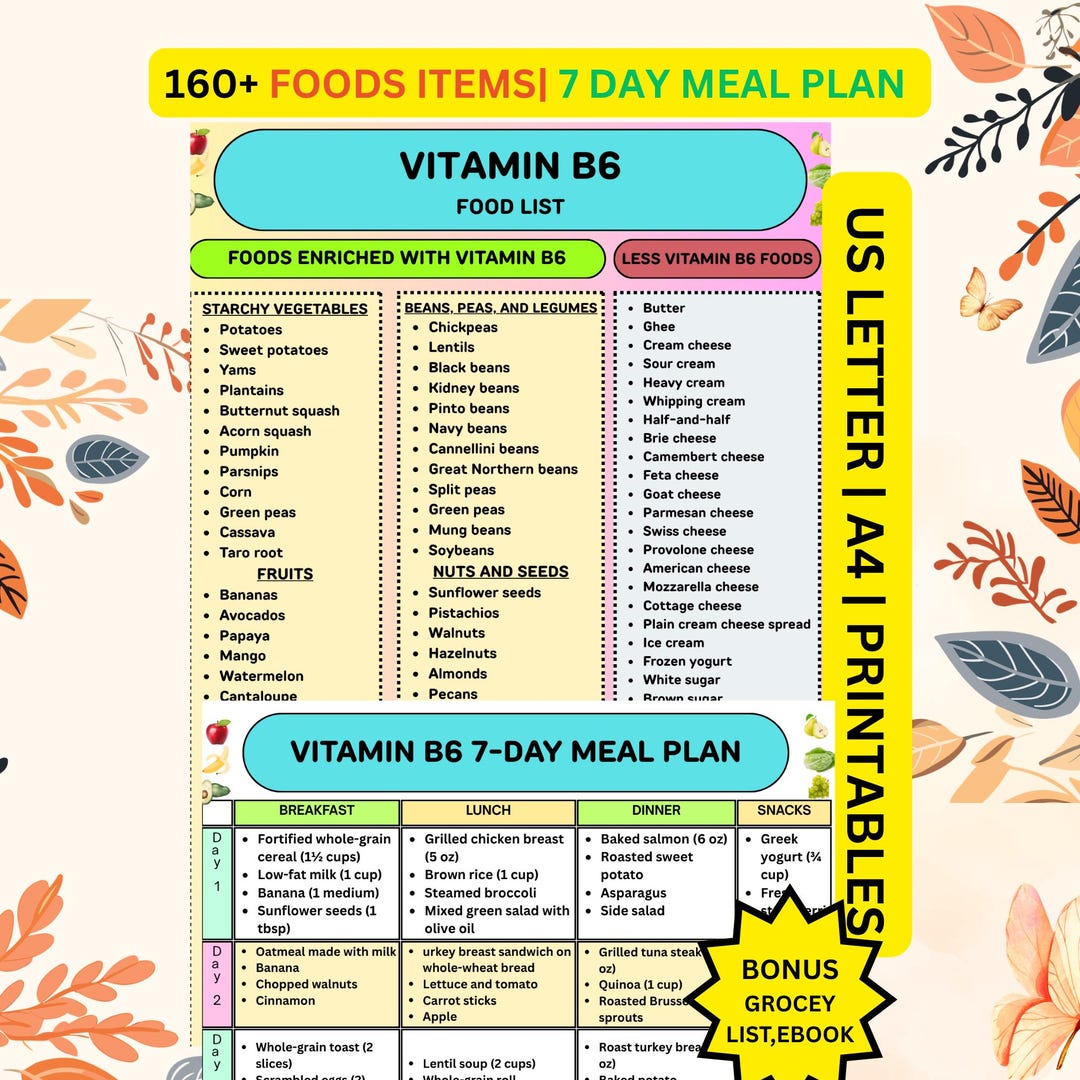
To effectively lower B6 levels, one must distinguish between high-density and low-density sources. The following table provides a comparison of common foods to help guide dietary choices in 2026.
| High B6 Food (Avoid/Limit) | Approx. B6 per 100g | Low B6 Alternative (Prefer) | Approx. B6 per 100g |
|---|---|---|---|
| Fortified Breakfast Cereal | 2.0 - 10.0 mg | White Rice or Plain Oatmeal | 0.05 - 0.1 mg |
| Chickpeas (Garbanzo Beans) | 0.5 - 0.6 mg | Red Lentils (in moderation) | 0.15 mg |
| Yellowfin Tuna / Salmon | 0.9 - 1.0 mg | Cod or Scallops | 0.1 - 0.2 mg |
| Chicken Breast | 0.8 - 0.9 mg | Egg Whites | 0.002 mg |
| Pistachios / Walnuts | 0.5 - 1.2 mg | Macadamia Nuts | 0.15 mg |
| Bananas | 0.4 mg | Grapes or Berries | 0.05 - 0.08 mg |
| Russet Potatoes (with skin) | 0.5 mg | White Cabbage or Cucumber | 0.04 - 0.1 mg |
Essential Steps for Implementing a Low B6 Diet
1. Verification through Blood Testing
Before starting a restrictive diet, it is essential to confirm high B6 levels through a fasting Plasma Pyridoxal 5'-Phosphate (PLP) test. Testing while still taking supplements or immediately after a meal can provide a false "spike." A true toxicity diagnosis requires elevated levels confirmed after at least 12 hours of fasting and ideally several days after the last supplement dose.
2. Identifying Hidden Supplement Sources
Review every product in your medicine cabinet. B6 is often present in:
- Melatonin or sleep aids.
- Magnesium supplements (often sold as "Magnesium B6").
- Electrolyte powders and sports drinks.
- Hair, skin, and nail vitamins (Biotin complexes).
- Pre-workout formulas.
3. Focus on Hydration
Since B6 is water-soluble, maintaining optimal hydration is critical for the kidneys to filter the excess nutrient. While 2026 guidelines emphasize balanced mineral intake, simply increasing pure water consumption can assist the natural excretion process. Avoid "vitamin waters," which often contain the very nutrient you are trying to avoid.
4. Monitoring Nerve Recovery
Nerve regeneration is a slow process, typically occurring at a rate of about one millimeter per day. Tracking symptoms in a journal can help identify patterns. It is important to note that while the low B6 diet addresses the source of the damage, it does not instantly repair the nerves. Supportive therapies, such as Alpha-Lipoic Acid (if cleared by a doctor) or physical therapy, are often used in conjunction with the diet.
Professional Advice Limitation
This article is for informational purposes only and does not constitute medical advice. Hypervitaminosis B6 is a medical condition that should be managed under the supervision of a neurologist or a registered dietitian specializing in micronutrient toxicity. Always consult a healthcare professional before making significant changes to your diet or stopping prescribed medications.
Frequently Asked Questions
Can I ever eat high B6 foods again?
Yes. The low B6 diet is typically a temporary intervention. Once blood levels return to the normal range and neurological symptoms subside, most individuals can slowly reintroduce whole foods like bananas and potatoes. However, most experts advise against ever returning to high-dose B6 supplementation, as those who have experienced toxicity may have a genetic or metabolic predisposition to accumulating the vitamin.
How long does it take for B6 levels to drop?
The "half-life" of B6 varies among individuals, but it typically takes several weeks of strict dietary adherence to see a significant drop in plasma PLP levels. For the nerves to heal and symptoms to vanish, it may take six months to two years, depending on the severity and duration of the toxicity.
Are there any specific fruits that are completely B6-free?
No fruit is entirely free of B6, but citrus fruits (lemons, limes, oranges) and melons (watermelon, cantaloupe) are significantly lower in B6 than bananas or avocados. Berries are also generally safe choices for those on a restrictive protocol.
Does cooking food reduce its B6 content?
Yes, to some extent. B6 is sensitive to heat and can leach into cooking water. Boiling vegetables and discarding the water can reduce the B6 content by 20% to 40%. However, this is not a reliable way to make a "toxic" food safe; it is better to choose naturally low-B6 foods.
Why is B6 toxicity more common now in 2026?
The rise in B6 toxicity cases is largely attributed to the "over-fortification" of the modern food supply and the popularity of high-dose B-complex supplements. Many people take multiple supplements (a multivitamin, a "stress" tab, and a protein shake) without realizing that each contains 100% or more of the RDA for B6, leading to a cumulative daily intake that far exceeds the safety limit.
Final Recommendations for 2026
If you suspect B6 toxicity, the most impactful first step is to cease all non-essential supplementation containing pyridoxine. Following this, transition to a whole-food diet that prioritizes non-fortified grains, egg whites, and low-B6 fruits and vegetables. Document your intake using a nutritional tracking app to ensure your daily B6 total stays below 1.5 mg during the recovery phase. Consistent monitoring with a neurologist will ensure that your symptoms are moving in the right direction and that no other underlying neurological issues are being overlooked.
Image Gallery