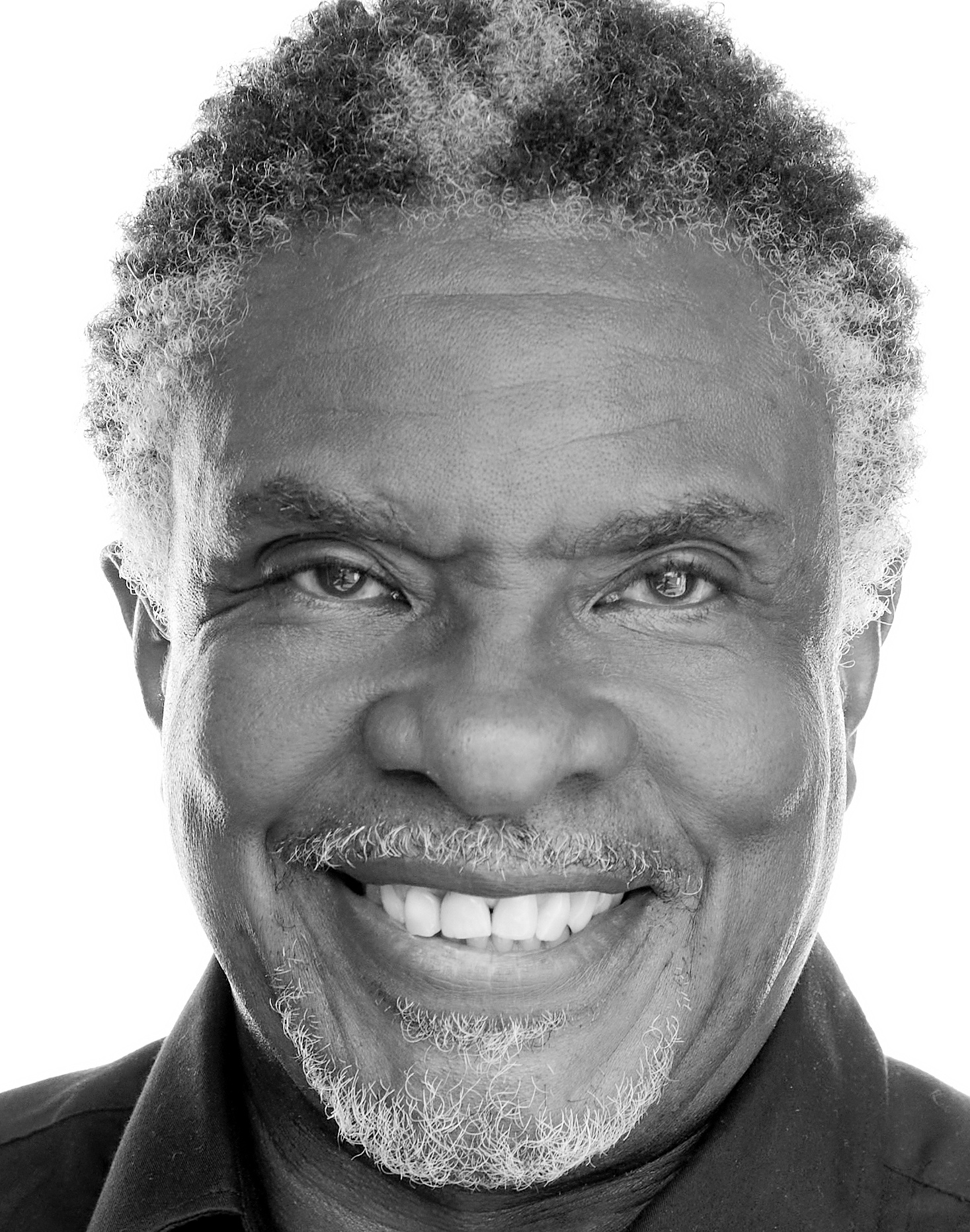
Keith Robinson: The Legacy and Performance of a Comedy Icon
Keith Robinson is a foundational figure in American stand-up comedy, best known for his biting wit, mentorship of industry giants like Kevin Hart, and his remarkable career resilience following two strokes. As of 2026, he remains a cel...
Keith Robinson is a foundational figure in American stand-up comedy, best known for his biting wit, mentorship of industry giants like Kevin Hart, and his remarkable career resilience following two strokes. As of 2026, he remains a celebrated performer, continuing to headline major clubs and release influential specials that define the "comedian's comedian" archetype.
Contents
The Evolution of Keith Robinson as a Performer
To understand Keith Robinson the performer is to understand the gritty, unfiltered landscape of the East Coast comedy scene spanning the late 1980s through the mid-2020s. Born in Philadelphia, Robinson developed a performance style that was rooted in the "tough love" culture of the city. Unlike many performers who seek immediate likability, Robinson’s stage persona was built on a foundation of intellectual superiority and a relentless willingness to "roast" both himself and his audience.
His early career was marked by a rapid ascent through the Philadelphia club circuit, eventually leading him to New York City. In the 1990s and early 2000s, Robinson became a fixture at the Comedy Cellar, an institution where the technical proficiency of a performer is tested nightly. It was here that he honed the ability to dissect a room, identifying the vulnerabilities of hecklers and the absurdities of social norms with surgical precision.
By 2026, his legacy is not just defined by his own sets but by his role as a "gatekeeper" of quality. He has long been credited with helping shape the timing and stage presence of younger comics who went on to become household names. This mentorship role is a critical component of his identity as a performer; he is as much a teacher of the craft as he is a practitioner.
The Technical Artistry of the "Comedian's Comedian"
The term "comedian's comedian" is often used to describe Robinson, but the technical reasons for this label are specific. His performance style relies on a high-density joke structure combined with a conversational delivery that feels improvised even when meticulously written.
Command of the Room and Crowd Work
Robinson’s crowd work is legendary within the industry. Unlike performers who use "What do you do for a living?" as a stalling tactic, Robinson uses interaction to build a living, breathing narrative for each specific show. His ability to recall details mentioned forty minutes prior and weave them into a closing bit is a masterclass in cognitive performance.
Narrative Arch and Timing
In his later specials, particularly those released leading up to 2026, Robinson shifted from "bits" to "arcs." His performance moved toward long-form storytelling where the humor is derived from the perspective of a man who has seen the peak of the industry and survived personal tragedy. His timing, even after physical challenges, remained sharp, utilizing pauses and facial expressions to maximize the "punch" of a punchline.
Navigating the "Different Strokes" Era: Performance and Resilience
The most significant shift in Keith Robinson’s career occurred following two strokes, the first in 2016. For many performers, such a health crisis would signal the end of a career, especially in a field that relies so heavily on physical timing, speech, and stamina. Robinson, however, integrated his recovery into his act.
His 2024 Netflix special, Different Strokes, marked a definitive turning point. It wasn't just a comedy special; it was a demonstration of the performer's ability to adapt. He utilized his physical limitations—his altered gait and the change in his vocal cadence—as comedic tools. By leaning into his reality rather than hiding it, he achieved a new level of authenticity that resonated with a broader audience.
In 2026, his sets are often analyzed by students of comedy for how they balance vulnerability with high-level joke writing. He proved that the essence of "the performer" lies in the mind and the perspective, not just the physical delivery. This era of his career has focused heavily on the themes of aging, the healthcare system, and the absurdity of being a "tough guy" in a body that doesn't always cooperate.
Comparing Key Performances and Career Milestones
To understand his trajectory, it is helpful to look at the different phases of his career and how his output changed over the decades.
| Era / Special | Primary Theme | Performance Style | Notable Impact |
|---|---|---|---|
| The Philadelphia/Early NYC Era (1990s) | Urban life, relationships, social critique | High-energy, aggressive, rapid-fire | Established him as a top-tier club headliner. |
| The Colin Quinn Show / Tough Crowd (2000s) | Political and social debate | Intellectual, argumentative, sharp | Cemented his reputation as a premier "roast" comic. |
| Back of the Bus (2014) | Nostalgia and racial dynamics | Narrative-driven, conversational | Considered a classic of mid-2010s stand-up. |
| Different Strokes (2024/2025) | Health, resilience, and mortality | Deliberate, vulnerable, observational | A comeback that redefined his public persona. |
| The Legacy Tour (2026) | Reflections on fame and mentorship | Sage-like, acerbic, high-technicality | Focused on the evolution of comedy as an art form. |
The Industry Influence: Mentorship and the "Green Room" Legend
Keith Robinson’s impact on comedy is perhaps most visible through the success of his protégés. He famously mentored Kevin Hart during the latter's formative years in Philadelphia and New York. Hart has frequently cited Robinson as the person who taught him the "business" of being a performer—how to handle a room, how to write with consistency, and how to maintain a professional standard.
Beyond Hart, Robinson has influenced a generation of New York comics, including Amy Schumer, Bill Burr, and Wanda Sykes. His role in the "Green Room"—the backstage area where comics critique each other—is where he earned his status as a performer’s performer. He is known for being brutally honest with his peers, a trait that helped elevate the standard of performance at the Comedy Cellar for over thirty years.
In 2026, this influence is seen in the "Robinson-esque" style of many younger comics: a blend of high-level social commentary delivered with the nonchalance of a street-corner philosopher.
Practical Information for Fans and Aspiring Performers in 2026
If you are looking to see Keith Robinson perform or study his work in 2026, there are several avenues to explore. He continues to be active, though his schedule is more curated than in his earlier years.
- Live Residencies: Robinson still performs frequently at the Comedy Cellar in New York City. For fans wanting the most authentic experience, the "Fat Black Pussycat" or the original MacDougal Street basement are the best venues.
- Touring: He often participates in "heavyweight" comedy tours, appearing alongside other veterans of the NYC scene.
- Writing and Consulting: Much of his work in 2026 involves consulting on scripts and specials for other major comedians, a testament to his structural understanding of humor.
What to Expect at a Keith Robinson Show
Attendees should be prepared for an interactive experience. Robinson is not a "clean" comic in the traditional sense, but his use of language is purposeful. He often engages with the front row, and while the "roasting" can be intense, it is always grounded in the shared experience of the room. His 2026 material continues to push boundaries, particularly regarding the intersection of disability and masculinity.
FAQs About Keith Robinson
How did Keith Robinson’s health affect his comedy career? While two strokes significantly impacted his physical mobility and speech, Robinson used these challenges to evolve his act. Instead of retiring, he re-learned how to perform, turning his recovery and the frustrations of the medical system into central themes of his 2024 and 2025 material. His resilience has made him a symbol of perseverance in the performing arts.
What is the connection between Keith Robinson and Kevin Hart? Keith Robinson was a mentor to Kevin Hart early in Hart's career. Robinson is often credited with helping Hart refine his stage presence and navigating the transition from the Philadelphia comedy scene to national stardom. They remain close friends and have collaborated on various projects, including the "Plastic Cup Boyz" and various specials.
Is Keith Robinson still performing in 2026? Yes, Keith Robinson is actively performing in 2026. While he may tour less aggressively than in previous decades, he remains a regular headliner at major comedy clubs in New York and makes appearances at international comedy festivals.
Where can I watch Keith Robinson’s most recent comedy specials? His most recent major special, Different Strokes, is available on Netflix. Older works, such as Back of the Bus, can be found on various streaming platforms like Amazon Prime and through comedy-centric distributors.
What makes Keith Robinson’s style unique among stand-up comedians? Robinson’s uniqueness lies in his "tough love" persona and his technical mastery of crowd work. He possesses a rare ability to be simultaneously the smartest person in the room and the most relatable, using a specific type of Philadelphia-rooted cynicism to deconstruct complex social issues.
Final Recommendations for Engaging with Robinson's Work
For those new to Keith Robinson, the best starting point is his 2024 special. It provides the necessary context for his current stage persona and showcases his ability to find humor in life's most difficult moments. Following that, exploring his appearances on legendary talk shows and podcasts will provide a deeper understanding of why he is so revered by his peers.
Aspiring comedians should study his timing and his ability to "sit" with a joke. Robinson’s career serves as a masterclass in longevity and the importance of developing a unique voice that can withstand the test of time and personal hardship. In 2026, he stands as a testament to the fact that a true performer is defined by their perspective and their commitment to the craft, regardless of the obstacles they face.
Image Gallery