Understanding the Return on Investment for Whole Life Insurance
Evaluating the return on investment for whole life insurance requires looking past traditional financial metrics, as these permanent policies combine a death benefit with a cash value savings component that typically yields a modest in...
Evaluating the return on investment for whole life insurance requires looking past traditional financial metrics, as these permanent policies combine a death benefit with a cash value savings component that typically yields a modest internal rate of return between 1% and 3.5% after accounting for upfront fees and administrative costs.
Contents
Navigating the financial architecture of permanent life insurance can be confusing for individuals trying to balance risk management, estate planning, and long-term asset accumulation. While whole life insurance provides a guaranteed death benefit and a predictable cash value component, its performance as an investment vehicle is often misunderstood. To properly analyze what policyholders receive in return for their premium dollars, one must examine how cash value accumulates, where fees are allocated, and how permanent coverage compares to traditional equity or fixed-income portfolios.
The Mechanics of Whole Life Insurance Cash Value
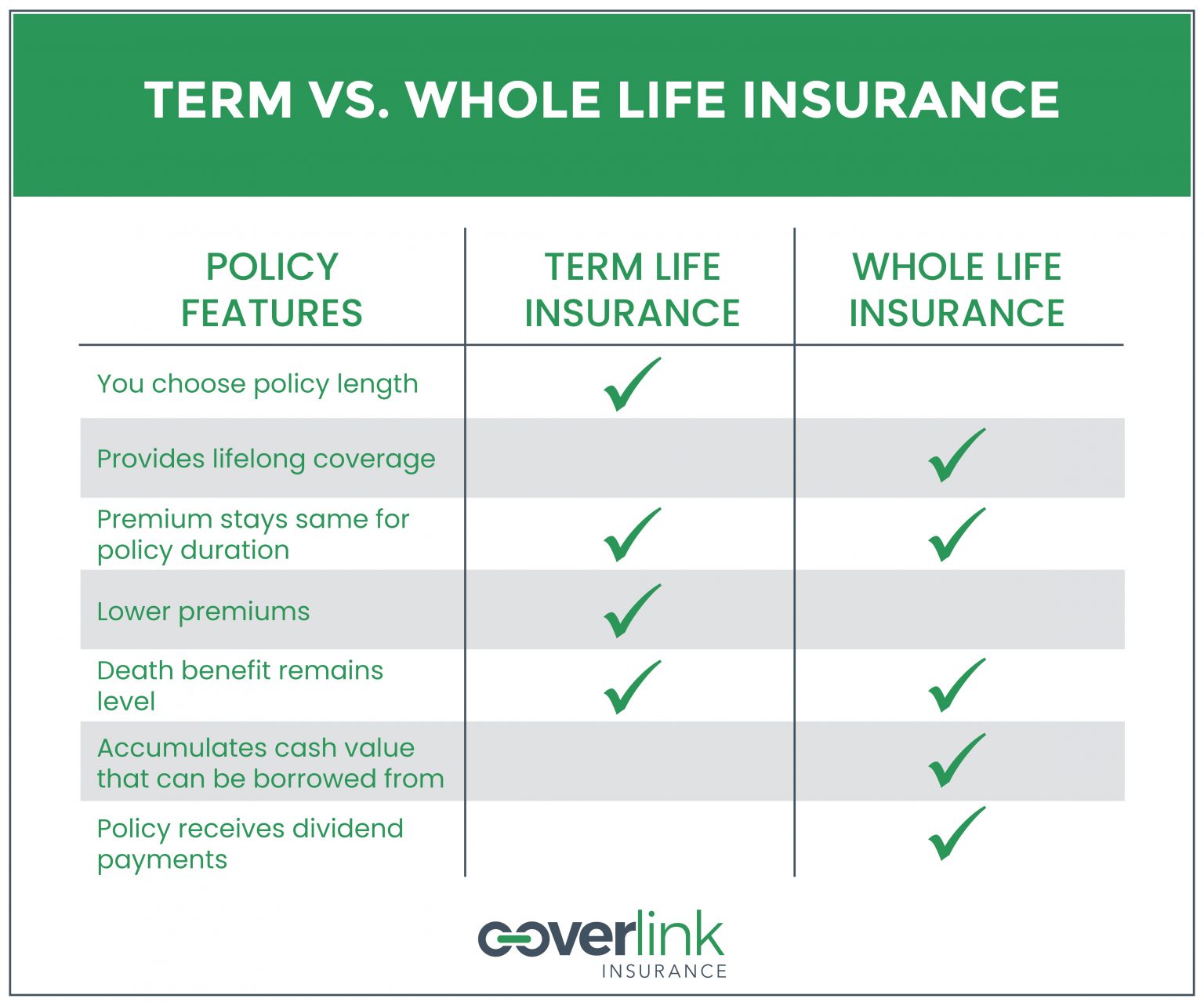
Whole life insurance is a form of permanent life insurance designed to remain in force for the policyholder's entire life, provided required premiums are paid. Unlike term life insurance, which only provides a death benefit for a specified period, whole life policies feature a savings element known as cash value. A portion of every premium payment goes toward the cost of insurance and administrative expenses, while the remaining balance enters a general account managed by the insurance carrier.
This cash value grows on a tax-deferred basis, meaning policyholders do not pay income taxes on the growth as it accumulates. Over time, as more premiums are paid and interest is credited, the cash value increases. Policyholders can access this accumulated value during their lifetimes through policy loans or withdrawals, though doing so can reduce the ultimate death benefit or cause the policy to lapse if mismanaged.
However, viewing whole life insurance strictly through an investment lens requires understanding that cash value growth is not designed to beat the stock market. Instead, it functions as a conservative, fixed-income-like asset class with unique guarantees. The primary mechanism of whole life insurance is financial protection for beneficiaries, with cash accumulation serving as a secondary, structural feature.
Analyzing the True Return on Investment (ROI)
Calculating the return on investment for whole life insurance is complex because the product serves dual purposes: risk mitigation and asset accumulation. When financial professionals discuss the "return" of a whole life policy, they are usually referring to the internal rate of return (IRR) on the cash value relative to the cumulative premiums paid.
During the early years of a policy, the net return on investment is often negative or zero. This happens because high initial commissions, underwriting costs, and administrative fees consume a large portion of the first several years' premium payments. It typically takes anywhere from 7 to 15 years—sometimes longer—just for the cash value to equal the total amount of premiums paid into the policy.
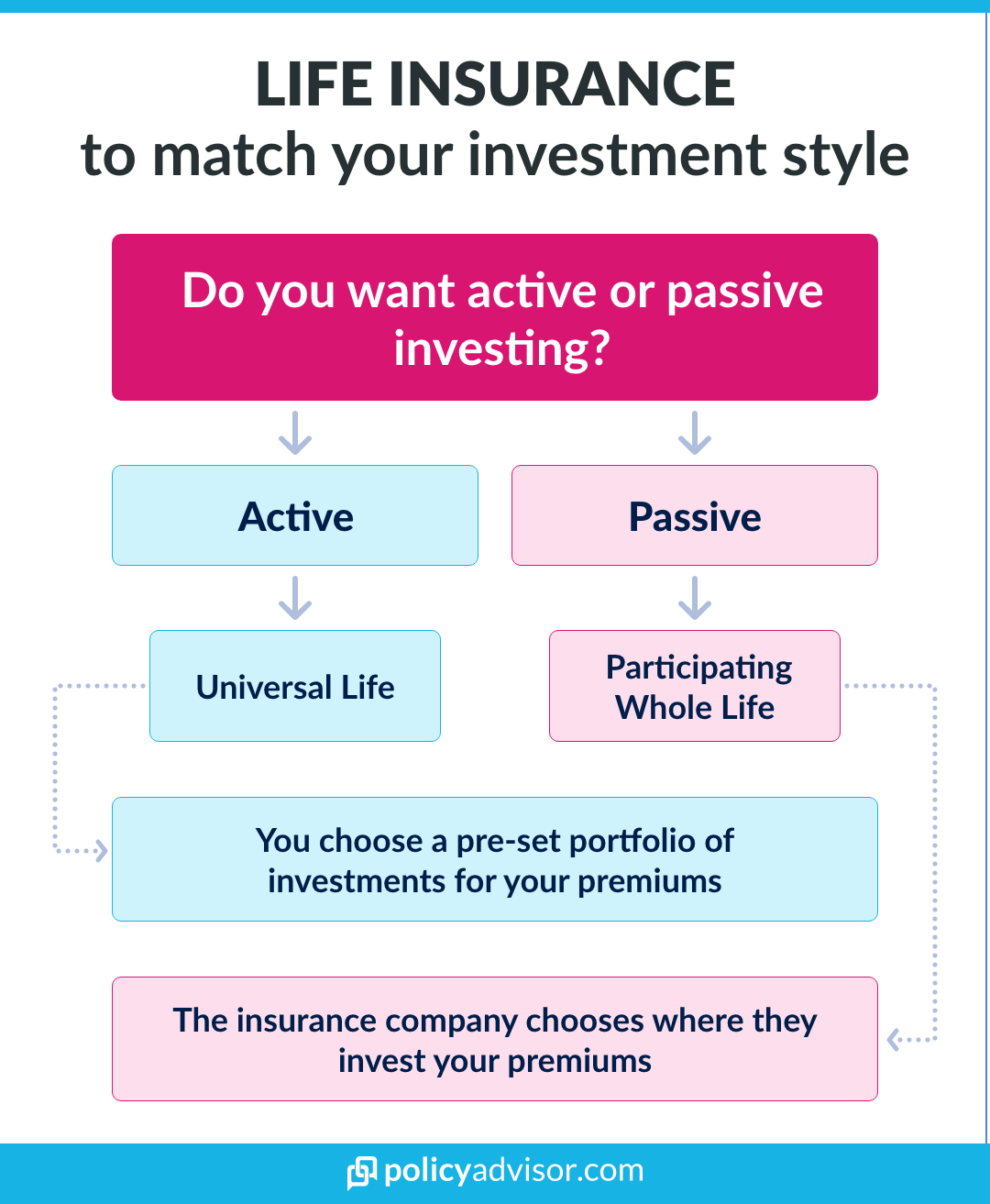
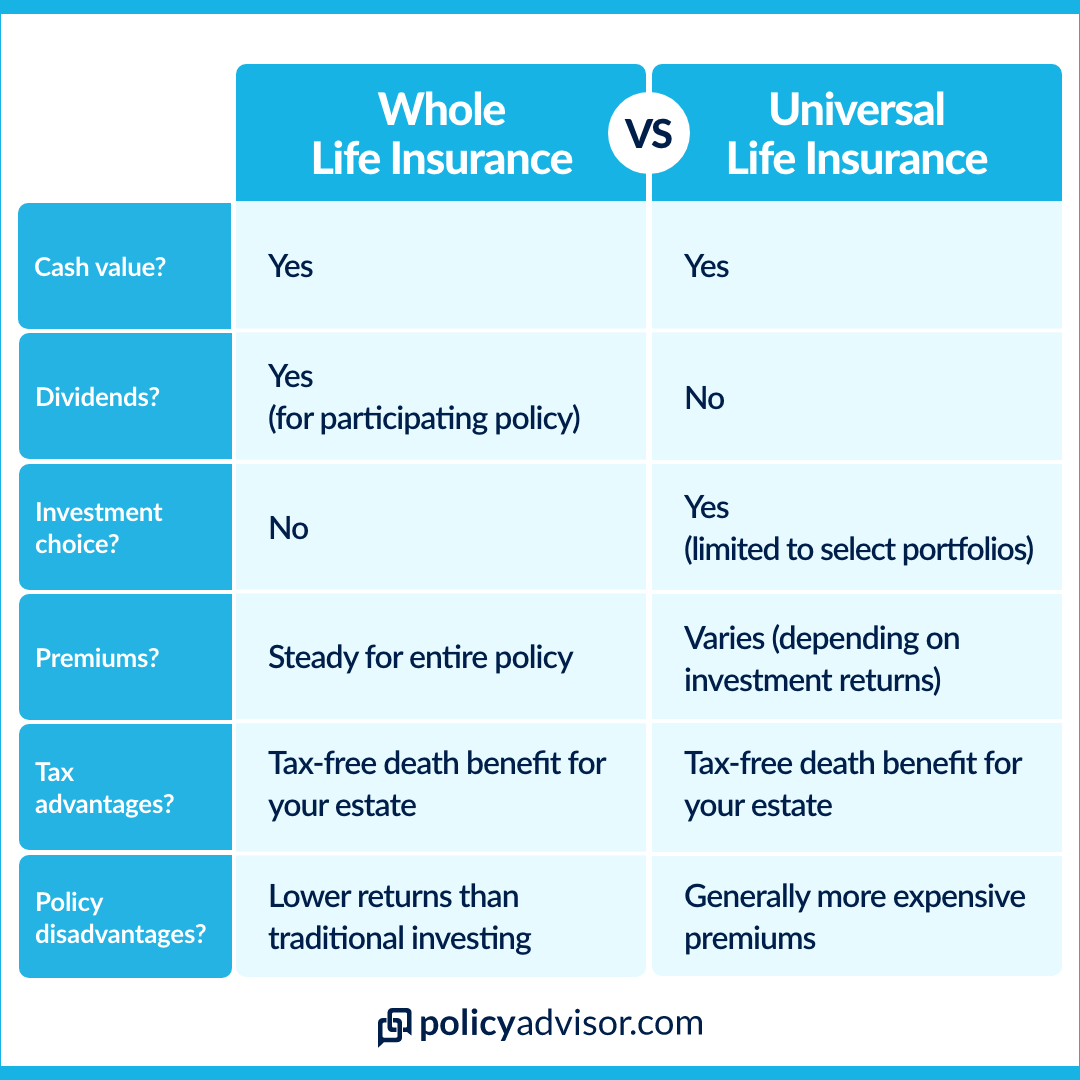
Once the policy matures past its early-stage friction costs, the internal rate of return generally stabilizes. Guaranteed cash value growth rates usually range from 1.5% to 3% annually, depending on the carrier and the economic environment at the time of purchase. If the policy is issued by a mutual insurance company, policyholders may also receive non-guaranteed annual dividends. When added to the guaranteed growth, these dividends can push the total net internal rate of return higher, frequently into the 3% to 5% range over a multi-decade horizon, though these figures are projections and not guaranteed.
Whole Life Insurance vs. Traditional Investment Vehicles
To determine whether whole life insurance makes sense from a financial perspective, it is helpful to compare its performance, liquidity, and risk profile against traditional alternatives like the stock market or high-yield savings accounts.
| Feature | Whole Life Insurance Cash Value | High-Yield Savings Account / CDs | Broad Market Index Funds (e.g., S&P 500) |
|---|---|---|---|
| Primary Purpose | Lifetime death benefit + cash accumulation | Short-term savings & emergency funds | Long-term wealth accumulation & growth |
| Historical Return (IRR) | Typically 1.5% to 4% (net of fees over long term) | Variable, tracks federal interest rates | Historically 7% to 10% annualized (before inflation) |
| Tax Treatment | Tax-deferred growth; tax-free loans/withdrawals up to basis | Interest taxed as ordinary income annually | Capital gains and dividends taxed upon realization |
| Liquidity & Access | Moderate to low (subject to surrender charges and loan interest) | High (immediate access with minor restrictions) | High (liquid during market trading hours) |
| Principal Protection | Guaranteed by the claims-paying ability of the insurer | FDIC insured up to statutory limits (typically $250,000) | Unprotected; subject to market volatility and downturns |
As illustrated in the comparison table, whole life insurance trades high liquidity and aggressive growth potential for downside protection, tax advantages, and a guaranteed payout upon death. For high-net-worth individuals who have already maximized traditional tax-advantaged retirement accounts like 401(k)s and IRAs, permanent life insurance can act as an alternative asset class for conservative wealth preservation.
Factors Influencing Policy Performance
Not all whole life policies perform equally. Several internal and external factors dictate the actual return a policyholder will realize over the life of the contract.
- Carrier Financial Strength: Whole life policies are backed by the issuing insurance company's general account. Choosing a financially stable, highly rated mutual company is critical, as mutual companies pay dividends to policyholders when financial performance exceeds expectations.
- Dividend Scale Interest Rate: For participating whole life policies, the dividend scale rate fluctuates based on the insurer's investment portfolio performance, mortality experience, and operational expenses. Economic downturns or prolonged low interest rate environments can depress dividend payouts.
- Premium Structuring and Riders: Policies can be customized with riders—such as Paid-Up Additions (PUA) riders—which allow policyholders to pump extra cash directly into the cash value component, bypassing some of the structural drag of base premiums and accelerating cash growth.
- Policy Loans and Interest Rates: When a policyholder borrows against their cash value, the insurer charges a loan interest rate. If the net borrowing cost exceeds the interest and dividends credited to the borrowed portion, the cash value growth can slow down significantly.
Common Misconceptions Regarding Whole Life Investment Returns
A frequent misunderstanding in personal finance is the claim that whole life insurance acts as a direct substitute for a retirement portfolio. Marketing materials from insurance agents sometimes highlight the "tax-free retirement income" enabled by policy loans, which can mislead consumers about the underlying math.
While policy loans allow individuals to access cash without triggering taxable events (because the money is technically borrowed against the collateral of the death benefit rather than withdrawn as income), those loans must be managed carefully. If unpaid loan balances exceed the remaining cash value, the policy can lapse, triggering a massive taxable event on all accumulated gains inside the policy.
Furthermore, viewing the cash value as liquid savings available on Day One is incorrect. The surrender charge period—during which withdrawing cash incurs heavy penalties from the insurer—can last for the first 10 to 20 years of the contract. Whole life is fundamentally an illiquid, long-term commitment.
Frequently Asked Questions
Is the cash value growth in whole life insurance taxable?
No, the growth of cash value inside a whole life insurance policy is tax-deferred. Policyholders do not pay annual income taxes on the interest or dividends credited to the policy. Additionally, withdrawals up to the total amount of premiums paid (the cost basis) and policy loans are generally tax-free, provided the policy remains active.
Why is the return on investment so low in the early years?
The low or negative early-year return is caused by high upfront acquisition costs. Insurers must pay agent commissions, administrative underwriting expenses, and set up legal reserves when the policy is issued. These costs are amortized over time, which is why cash value accumulation accelerates only after the policy has been active for a decade or more.
What is the difference between guaranteed growth and non-guaranteed dividends?
Guaranteed growth represents the minimum rate of return contractually promised by the insurance company, regardless of market performance. Non-guaranteed dividends are additional payouts distributed by mutual insurance companies based on their investment earnings, mortality rates, and operational efficiency. While historically reliable from top-tier mutual insurers, dividends are never guaranteed.
Can I lose money in a whole life insurance policy?
You cannot lose your principal cash value due to market downturns, as the insurer assumes the investment risk on the general account. However, you can lose money if you surrender the policy during the early years when surrender charges apply, or if the policy lapses due to unpaid premiums or unmanaged policy loans.
Who should consider purchasing whole life insurance for its cash value?
Whole life insurance is generally suited for individuals with maximum estate-planning needs, business owners requiring key-person protection or funding for buy-sell agreements, and high earners who have fully funded traditional retirement accounts and seek a conservative, tax-advantaged asset class for generational wealth transfer. It is rarely appropriate for individuals with limited disposable income or those seeking aggressive wealth accumulation.
Next Actions and Strategic Recommendations
Before purchasing a whole life insurance policy as an investment or savings vehicle, conduct a thorough financial audit. Ensure that you have eliminated high-interest consumer debt, established an adequate emergency fund in liquid savings, and maximized contributions to tax-advantaged retirement accounts like Roth IRAs and employer-sponsored 401(k) plans.
If permanent life insurance aligns with your long-term estate or financial goals, request in-force illustrations and policy ledgers from multiple mutual insurance carriers. Review the guaranteed versus non-guaranteed assumptions carefully, and consult with a fee-only fiduciary financial planner who does not earn commissions from selling insurance products to obtain an objective evaluation of how a policy fits into your broader financial strategy.
Image Gallery