Understanding the Solvency Ratio of Max Life Insurance: A Comprehensive Guide for Policyholders
The solvency ratio of Max Life Insurance is a crucial financial metric indicating the company's capacity to meet its long-term policyholder liabilities. Regulated strictly by the Insurance Regulatory and Development Authority of India...
The solvency ratio of Max Life Insurance is a crucial financial metric indicating the company's capacity to meet its long-term policyholder liabilities. Regulated strictly by the Insurance Regulatory and Development Authority of India (IRDAI), Max Life maintains a solvency ratio well above the mandated minimum of 1.50 (150%), demonstrating robust financial health and risk management.
Contents
When purchasing a life insurance policy, prospective buyers often focus heavily on premiums, fund performance, and claim settlement ratios. However, one of the most critical indicators of an insurer's long-term viability and security is its solvency ratio. For Max Life Insurance Company Limited—one of India's leading private life insurers—this metric serves as a window into the company's financial cushion. Understanding how this ratio functions, why it matters, and how it compares across the industry can help you make an informed decision about your financial security and long-term protection.
What Is a Solvency Ratio and Why Does It Matter?
At its core, a solvency ratio measures a company’s financial ability to pay out its long-term debts and policy claims. In the context of the insurance industry, it evaluates whether an insurer holds enough capital to cover potential future liabilities if an unusually high number of claims occur simultaneously.
Unlike a liquidity ratio, which measures short-term obligations, a solvency ratio looks at the big picture. It ensures that the insurer will remain operational decades down the line when your term life plan, endowment policy, or retirement annuity finally matures or triggers a death benefit payout.
The Regulatory Framework by the IRDAI
Insurance is a heavily regulated sector designed to protect consumers from corporate insolvency. In India, the Insurance Regulatory and Development Authority of India (IRDAI) sets the regulatory standards for all life, health, and general insurance companies operating within the country.
To ensure policyholder protection, the IRDAI mandates that every life insurance company must maintain a minimum solvency ratio of 1.50, or 150%. This means that for every rupee of liability an insurance company owes to its policyholders, it must hold at least 1.5 rupees of available assets. Falling below this threshold triggers immediate regulatory intervention, requiring the company to inject fresh capital or restructure its operations to restore financial balance.
The Solvency Ratio of Max Life Insurance Explained
Max Life Insurance consistently reports a robust solvency ratio that comfortably exceeds the regulatory benchmark set by the IRDAI. Over successive fiscal years, the company has maintained a solvency cushion typically ranging between 1.70 and 1.90 (170% to 190%) or higher, depending on the specific quarter's financial results.
This high ratio signifies that Max Life holds significantly more capital reserves than legally required to settle future claims. For a policyholder, this offers deep peace of mind. It indicates that even during periods of macroeconomic volatility, market downturns, or catastrophic events (such as historical health crises), the insurer possesses sufficient financial buffers to honor every valid claim without destabilizing its core operations.
How Max Life Calculates Its Solvency Margin
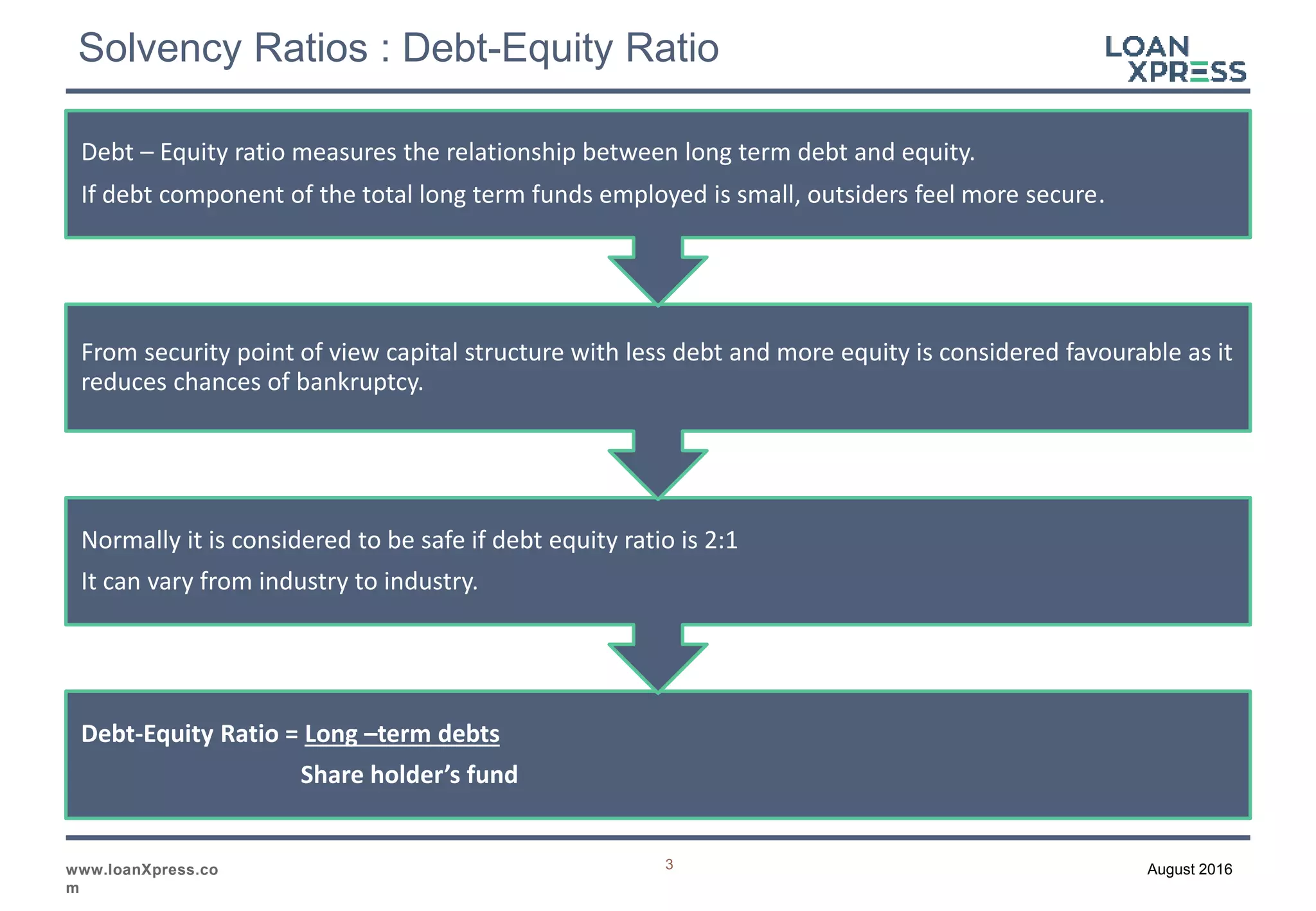
The calculation of an insurer's solvency margin is dictated by actuarial science and regulatory guidelines. It involves two primary components:
- Available Solvency Margin (ASM): This represents the excess of the value of the insurer's assets over its liabilities, calculated in accordance with stringent regulatory valuation principles. It essentially measures the net worth and liquid capital available to absorb unexpected shocks.
- Required Solvency Margin (RSM): This is the baseline capital the insurer must hold, determined based on the volume of business written, the risk profile of its investment portfolio, and the size of its policyholder liabilities.
The solvency ratio is expressed mathematically as:
$$\text{Solvency Ratio} = \frac{\text{Available Solvency Margin (ASM)}}{\text{Required Solvency Margin (RSM)}}$$
By keeping its ASM safely above the RSM, Max Life ensures a healthy buffer that protects its financial standing against unforeseen market risks.
Key Factors That Influence an Insurer's Solvency Ratio
An insurance company's solvency ratio is not static; it fluctuates based on various operational, financial, and economic variables. Understanding these drivers helps explain why a company like Max Life maintains the figures it does.
Investment Performance and Asset Quality
Life insurance companies collect premiums and invest them in a mix of government securities, corporate bonds, equities, and money market instruments. The yields generated from these investments directly impact the insurer's asset base. Conservative yet profitable asset management bolsters the Available Solvency Margin, keeping the solvency ratio strong.
Claim Experience and Underwriting Discipline
When an insurer experiences higher-than-expected claim payouts—such as during a severe public health emergency—its liabilities increase and its liquid reserves decrease. Effective risk underwriting and prudent actuarial pricing ensure that premium rates adequately cover potential payouts, protecting the insurer's capital reserves from sudden depletion.
Capital Infusions and Retention of Profits
As an insurance business grows, its liabilities expand, which naturally increases the Required Solvency Margin. To keep the solvency ratio healthy, insurers must either retain their operating profits (surplus) or receive capital injections from their parent companies or institutional shareholders. Max Life, backed by prominent promoters and financial institutions, maintains strong capital support systems to sustain its solvency margins during phases of rapid business expansion.
Comparing Solvency Ratios Across the Life Insurance Industry
When evaluating life insurance options, comparing solvency ratios across different providers provides valuable context regarding relative financial stability. While all compliant insurers meet the baseline 150% requirement, higher numbers indicate a larger safety margin.
| Insurance Company | Average Solvency Ratio (Approximate Range) | IRDAI Minimum Requirement |
|---|---|---|
| Max Life Insurance | 170% – 190%+ | 150% |
| Industry Average (Private Sector) | 160% – 200% | 150% |
| Life Insurance Corporation (LIC) | 150% – 160% | 150% |
Note: Solvency ratios fluctuate quarterly based on financial audits and market conditions. Always refer to the latest public disclosures or the insurer's official annual report for real-time figures.
As illustrated in the comparison, Max Life consistently holds a competitive position within the private life insurance sector, balancing aggressive business growth with conservative risk capital management.
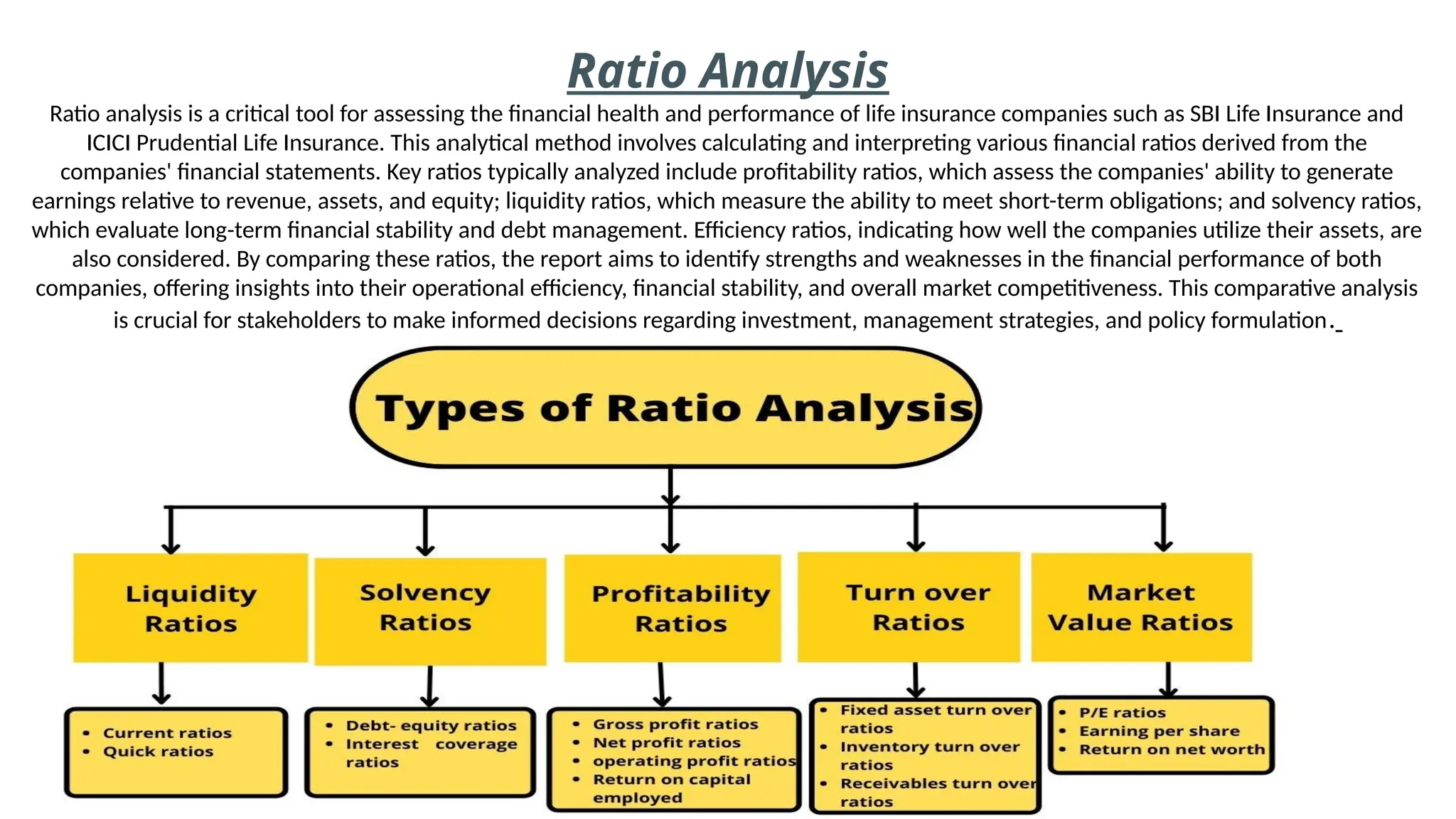
Other Financial Metrics to Evaluate Along with Solvency
While the solvency ratio is a cornerstone of financial stability, it should not be viewed in total isolation. A comprehensive evaluation of a life insurance company involves examining a combination of complementary metrics.
Claim Settlement Ratio (CSR)
The Claim Settlement Ratio indicates the percentage of total claims settled by an insurer out of the total claims received in a financial year. A high CSR (typically above 98% for top-tier insurers like Max Life) demonstrates the company's reliability and willingness to honor payouts rather than disputing valid claims.
Amount Settlement Ratio
While the Claim Settlement Ratio counts the number of claims, the Amount Settlement Ratio measures the total monetary value of claims paid versus claims claimed. This ensures that the insurer successfully pays out large-ticket claims without defaulting on high-value policies.
Persistency Ratios
Persistency ratios measure the percentage of policyholders who continue to pay their renewal premiums year after year (tracked at the 13th, 25th, 37th, and 61st months). High persistency indicates strong customer satisfaction and trust in the insurer's products and services.
Frequently Asked Questions
What happens if an insurance company's solvency ratio drops below 150%?
If an insurer's solvency ratio falls below the IRDAI mandated limit of 1.50 (150%), the regulatory authority intervenes immediately. The insurer is required to submit a comprehensive financial turnaround plan, restrict new business generation, or inject fresh capital from shareholders to restore the ratio to safe levels. Policyholders' existing contracts remain protected under regulatory oversight.
How often does Max Life Insurance publish its solvency ratio?
Max Life Insurance publishes its solvency ratio quarterly and annually as part of its mandatory public disclosures mandated by the IRDAI. These financial statements and public disclosures are accessible on the official Max Life Insurance website under the public disclosure or investor relations section.
Is a higher solvency ratio always better?
While a high solvency ratio indicates strong financial safety and capital adequacy, an excessively high ratio can sometimes suggest that the company is underutilizing its capital by holding too much idle cash or conservative assets instead of deploying them for growth or higher policyholder returns. However, maintaining a steady cushion between 170% and 200% is widely regarded as optimal for a mature life insurer.
Does a high solvency ratio guarantee that my claim will not be rejected?
No. The solvency ratio reflects the company's overall financial capacity to pay claims, not its assessment of individual claims. Individual claim approvals depend strictly on the terms, conditions, disclosures, and medical history provided in the policy contract during underwriting. Complete transparency and accurate disclosures at the time of application remain essential to ensure smooth claim settlements.
How does Max Life's solvency ratio impact term insurance buyers?
For term insurance buyers—who purchase long-term contracts spanning 20 to 40 years—a strong solvency ratio provides assurance that the insurer will remain solvent and liquid decades into the future when the death benefit claim is most likely to be filed. It minimizes counterparty risk over extended time horizons.
Conclusion and Next Actions
Evaluating the solvency ratio of Max Life Insurance provides clear evidence of the company's financial resilience and regulatory compliance. Operating well above the IRDAI's 150% threshold, Max Life maintains a solid capital cushion designed to protect policyholder interests across changing economic cycles.
When preparing to purchase a policy, review the most recent public disclosures directly from Max Life, cross-reference their Claim Settlement Ratios, and assess your specific coverage needs. Consulting with a qualified financial advisor can further assist you in aligning your insurance portfolio with your long-term financial planning goals.
Image Gallery