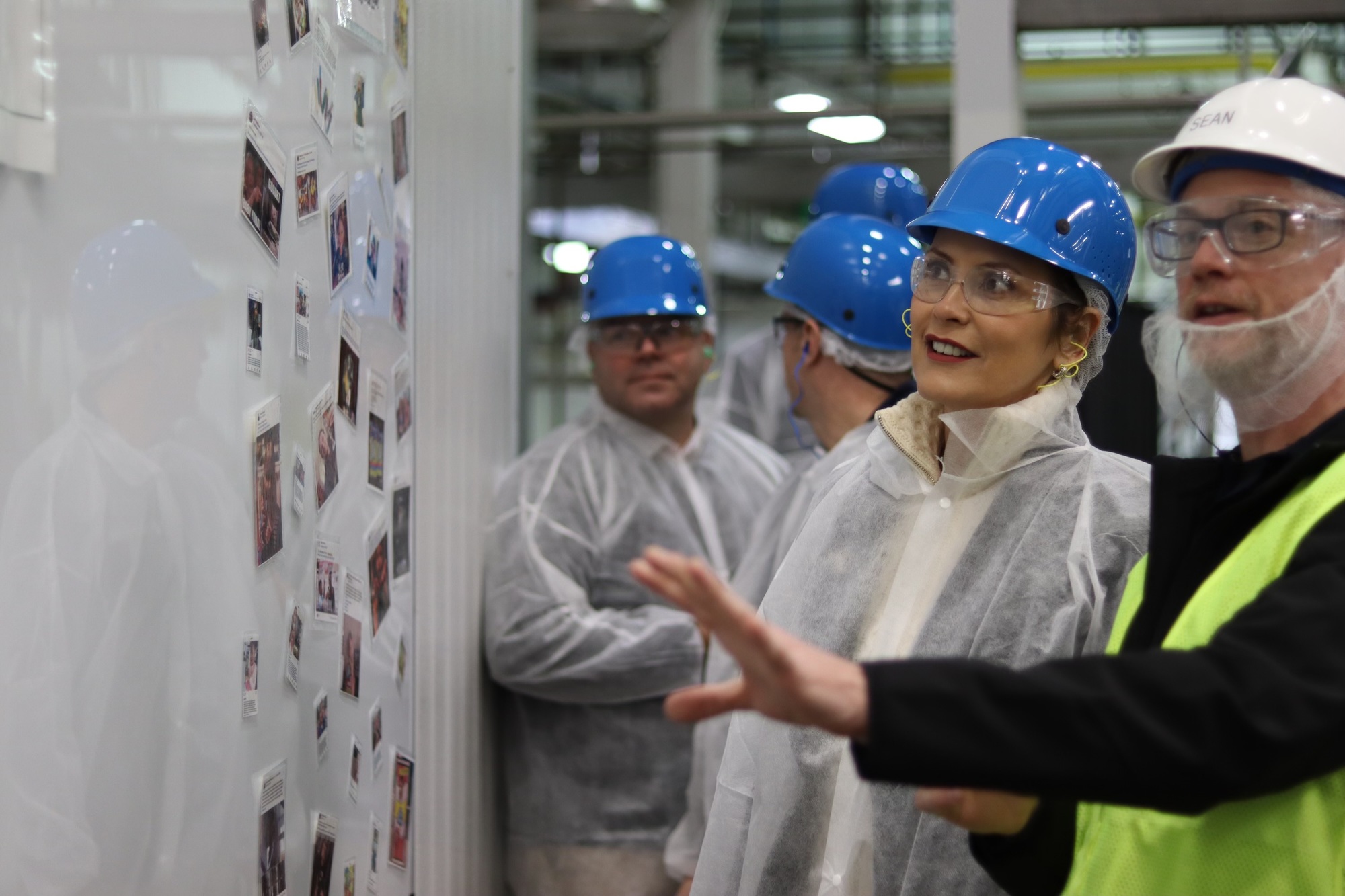
Yoplait Manufacturing Facility in Reed City, MI: Operations, Impact, and Employment Guide
The Yoplait manufacturing plant in Reed City, Michigan, is one of the largest dairy processing facilities in North America and a central hub for national yogurt production. Operated as part of General Mills' dairy operations, the Reed...
The Yoplait manufacturing plant in Reed City, Michigan, is one of the largest dairy processing facilities in North America and a central hub for national yogurt production. Operated as part of General Mills' dairy operations, the Reed City facility processes millions of pounds of locally sourced Michigan milk daily, serving as a primary economic anchor for Osceola County and providing hundreds of manufacturing, engineering, and logistics jobs.
Contents
Overview of the Reed City Yoplait Processing Plant
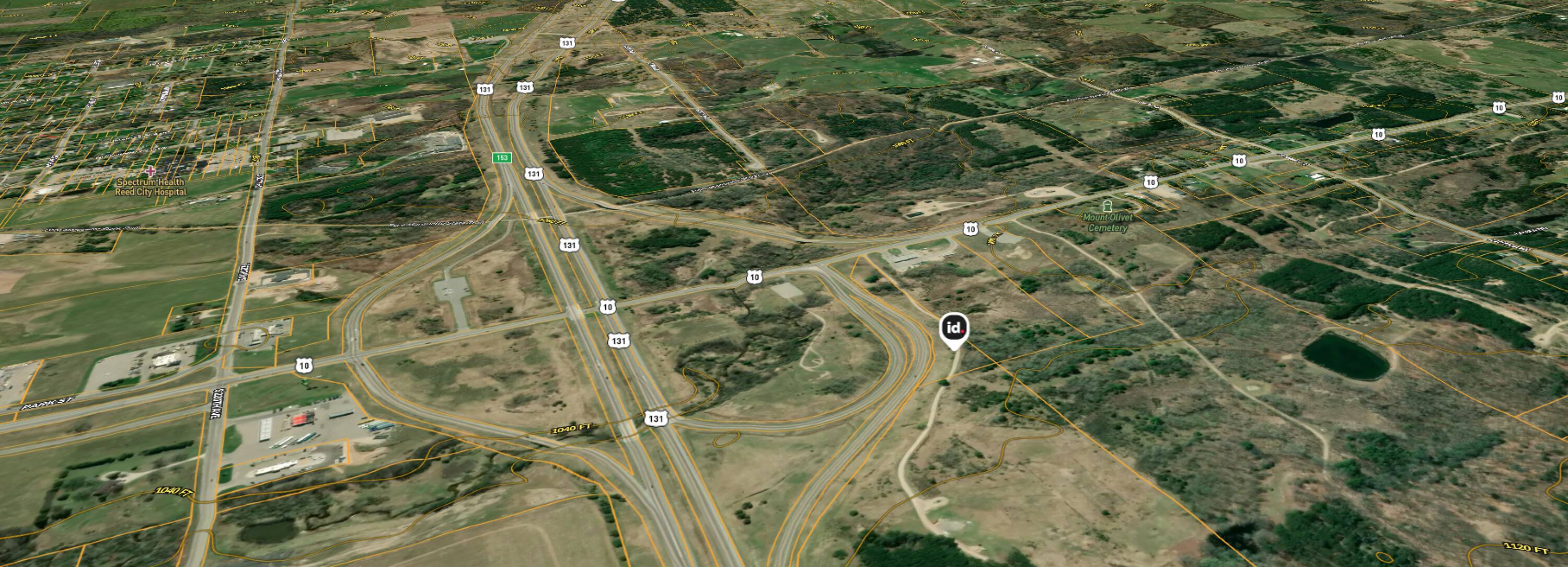
Located along the U.S. Route 10 corridor in northwest lower Michigan, the Reed City Yoplait processing plant plays an indispensable role in the United States dairy supply chain. Spanning hundreds of thousands of square feet, the plant functions 24 hours a day, seven days a week, transforming raw liquid milk into packaged consumer goods distributed across North American supermarket chains, convenience stores, and institutional food service providers.
Reed City was selected as a key processing location primarily due to Michigan's dense network of high-yield dairy farms and established logistics infrastructure. Michigan ranks among the top states nationwide for milk production per cow, offering an abundant, high-quality supply of fluid milk within a short haul distance. By placing a major manufacturing footprint directly in Osceola County, Yoplait minimizes transit time from dairy farm to culture vat, ensuring fresh raw inputs while reducing transport costs and carbon emissions associated with cold-chain liquid transport.
The facility represents one of the largest private sector investments in Osceola County. Beyond its physical footprint, the facility interacts heavily with municipal infrastructure, utilizing dedicated utility arrangements for water intake and specialized wastewater pre-treatment to manage the heavy organic load inherent in high-volume dairy processing.
Dairy Supply Chain and Raw Milk Receiving
The operational engine of the Reed City plant relies on an intricate, highly synchronized supply chain. Milk is delivered daily by fleets of insulated milk tankers originating from dairy cooperatives throughout Michigan, including long-standing agricultural partnerships with groups such as the Michigan Milk Producers Association (MMPA).
Milk Quality Testing and Intake
Before any milk is pumped from a delivery tanker into the facility's massive storage silos, strict receiving protocols are enforced:
- Temperature Verification: Incoming milk must register below 40°F (4.4°C) upon arrival to prevent bacterial proliferation.
- Antibiotic Screening: Every tanker load undergoes rapid diagnostic testing to confirm the complete absence of veterinary antibiotic residues, adhering strictly to Grade "A" Pasteurized Milk Ordinance (PMO) guidelines enforced by the U.S. Food and Drug Administration (FDA) and the Michigan Department of Agriculture and Rural Development (MDARD).
- Compositional Analysis: Advanced optical and chemical analyzers measure butterfat, protein, solids-not-fat, and somatic cell counts to determine the precise parameters required for specific batch formulations.
Once verified, raw milk is transferred via sanitary stainless steel piping into high-capacity refrigerated silos before entering the processing circuit.
Production Lines and Manufacturing Processes
The Reed City facility handles several distinct Yoplait product lines, utilizing automated processing systems designed to maintain bio-security, exact temperature control, and consistent texture across millions of individual cups per day.
- Raw Milk Intake & Testing
- Standardization & Homogenization
- Pasteurization & Ultra-High Temp Hold
- Cooling & Flavoring
- Culture Inoculation & Fermentation
- Cold Packaging & Palletizing
Key Processing Stages
- Standardization and Homogenization: Raw milk is separated into cream and skim fractions, then recombined in precise ratios to achieve the target fat percentage for specific product variants (e.g., Whole Milk, Light, or Fat-Free). High-pressure homogenizers break fat globules into micro-particles to prevent cream separation during fermentation.
- Thermal Treatment and Pasteurization: The standardized milk mixture is subjected to High-Temperature Short-Time (HTST) or Ultra-High Temperature (UHT) pasteurization. This process eliminates pathogenic bacteria and denatures whey proteins, which enhances the physical network required for a smooth, creamy yogurt texture.
- Inoculation and Fermentation: The pasteurized base is cooled to the optimal fermentation temperature (typically between 105°F and 115°F) and inoculated with specific active yogurt cultures, primarily Lactobacillus bulgaricus and Streptococcus thermophilus. The mixture is held in large stainless steel incubation tanks until lactic acid development lowers the pH to the target acidity level, forming a stable curd.
- Fruit Prep Integration and Blending: Depending on the product family—such as Yoplait Original, Yoplait Light, or Go-Gurt—the cultured yogurt is gently smoothed, blended with pasteurized fruit preparations, natural flavors, and sweeteners, and chilled to arrest further acidification.
- High-Speed Packaging and Cold Storage: Automated thermoform and rotary filling lines inject yogurt into signature inverted Yoplait cups or specialized flexible tubes for Go-Gurt. The containers are foil-sealed, code-dated for traceability, cartoned, automated onto pallets, and transferred immediately into high-density cold-storage warehouses to await refrigerated transport.
Employment Opportunities and Workplace Culture
As one of the regional economy's central anchors, the Yoplait facility in Reed City provides employment across operational, technical, administrative, and managerial disciplines. Work schedules at the plant generally operate on rotating or fixed 12-hour shifts to support continuous 24/7 manufacturing operations.
Common Job Roles at the Reed City Facility
- Production Operators: Responsible for monitoring automated filling, packaging, and palletizing machinery, conducting line checks, resolving minor mechanical jams, and ensuring compliance with target net weights and seal integrity.
- Maintenance Mechanics & Industrial Electricians: Essential for maintaining high plant overall equipment effectiveness (OEE). Duties include preventative maintenance, repairing hydraulic and pneumatic systems, troubleshooting programmable logic controllers (PLCs), and maintaining high-speed rotary equipment.
- Quality Assurance (QA) Technicians: Lab-based and floor-based specialists who conduct microbiological sampling, environmental monitoring, sensory evaluations, and chemical analysis of raw materials and finished goods to ensure strict compliance with Safe Quality Food (SQF) standards.
- Sanitation Specialists: Responsible for executing Clean-in-Place (CIP) and Clean-out-of-Place (COP) chemical wash cycles on stainless steel piping, pasteurizers, filling heads, and tanks to maintain sterile food-contact surfaces.
- Warehouse and Logistics Personnel: Operators who handle raw ingredient staging, chemical receiving, fork-truck operation, automated storage and retrieval system (ASRS) management, and loading of refrigerated trailers.
- Environmental Health and Safety (EHS) Managers: Professionals overseeing industrial hygiene, machine guarding, lock-out/tag-out (LOTO) protocols, ergonomic programs, and environmental discharge permits.
Compensation and Workforce Development
Positions at the Reed City plant generally offer competitive hourly wages and salaried compensation relative to the cost of living in rural northwest Michigan. Benefits packages typically include comprehensive health, dental, and vision insurance, 401(k) matching programs, paid time off, parental leave, and tuition reimbursement programs for employees seeking continuous technical education in fields like industrial automation or food science.
Corporate Ownership Structure and Historical Context
The Yoplait brand originated in France in 1965 as a cooperative union of French dairy farmers (Yoplait is a combination of two member cooperatives: Yola and Coplait). In 1977, General Mills acquired the exclusive license to manufacture and distribute Yoplait products in the United States, subsequently expanding manufacturing facilities across key domestic dairy regions, including Reed City.
In 2011, General Mills deepened its involvement by purchasing a controlling 51% interest in Yoplait's international operating company. Over decades of operation, the Reed City facility underwent multiple multi-million-dollar expansions, adding advanced packaging lines, modernized distribution infrastructure, and specialized equipment to handle brand innovations such as squeeze-tube yogurts (Go-Gurt) and whipped yogurt varieties.
Strategic Industry Realignment
In late 2024, General Mills announced strategic agreements to sell its North American Yogurt business—including US facilities such as the Reed City plant—to leading European dairy conglomerates (specifically Lactalis and Danone in divided geographic transaction structures). This global operational transition aimed to realign General Mills' portfolio toward higher-growth core categories, while placing the Reed City manufacturing asset under dedicated global dairy leadership. For the Reed City plant, such ownership transitions highlight the enduring value of its physical infrastructure, skilled regional workforce, and direct integration into Michigan's dairy shed.
Environmental Sustainability and Facility Operations
High-volume food manufacturing requires substantial utility consumption, water usage, and waste management systems. The Reed City Yoplait facility operates under comprehensive environmental management guidelines designed to meet federal EPA standards and Michigan Department of Environment, Great Lakes, and Energy (EGLE) regulations.
- Municipal Water Intake
- Plant Processing & Sanitation
- Industrial Pre-Treatment
- Municipal Wastewater System
- State/EPA Compliant Discharge
- Wastewater Pre-Treatment: Milk solids and wash chemicals generate high Biochemical Oxygen Demand (BOD) and Chemical Oxygen Demand (COD). The facility utilizes an advanced onsite industrial pre-treatment plant to neutralize pH, remove dissolved fats and solids, and equalize wastewater before discharging it into the municipal treatment system.
- Zero Waste to Landfill Programs: The facility prioritizes material diversion, recycling industrial corrugated packaging, scrap foil lids, plastic resin waste, and redirecting organic dairy byproduct (such as whey or off-spec yogurt) to regional anaerobic digesters or agricultural livestock feed programs.
- Energy Management: System upgrades including high-efficiency LED lighting, variable frequency drives (VFDs) on heavy pump motors, and heat-recovery systems on pasteurizers significantly diminish energy consumption per pound of finished product.
Comprehensive Facility Data and Overview
The following table summarizes key operational parameters, logistical details, and organizational aspects of the Yoplait manufacturing center in Reed City, Michigan:
| Operational Attribute | Facility Specification / Details |
|---|---|
| Primary Location | Reed City, Osceola County, Michigan |
| Primary Products Manufactured | Yoplait Original, Light, Go-Gurt, Flavored Yogurt Blends |
| Primary Ingredient Sourcing | Michigan Grade A Dairy Cooperatives (e.g., MMPA) |
| Operating Schedule | 24 Hours / 7 Days a Week (Continuous Shift Structure) |
| Regulatory Oversight | FDA, USDA, MDARD, OSHA, Michigan EGLE |
| Key Quality Standards | Safe Quality Food (SQF) Level 3, HACCP Certified |
| Logistics Access | U.S. Route 10 / U.S. Route 131 Freight Corridors |
| Workforce Size | Estimated 400–600 direct employees (varies by operational season) |
| Primary Career Tracks | Industrial Maintenance, Machine Operation, QA/Microbiology, Logistics |
Practical Guide for Job Seekers, Drivers, and Vendors
Navigating interactions with a high-security, high-throughput food manufacturing plant requires adhering to standardized protocols.
For Job Applicants
- Application Channels: Positions for the Reed City plant are posted through the corporate careers portal managing the facility (formerly General Mills Careers, transitioning through corporate operating partners) as well as regional staffing agencies for contract-to-hire roles.
- Prerequisites: Most entry-level production roles require a high school diploma or GED, successful completion of a background check, drug screening, and basic mechanical/math aptitude testing.
- Technical Positions: Maintenance mechanics and electrical technicians typically require an Associate Degree in Industrial Maintenance, Mechatronics, or equivalent journeyman experience, with demonstrated proficiency in 480V 3-phase electricity, industrial automation, and pneumatic systems.
For Freight Drivers and Logistics Contractors
- Check-In Protocols: All inbound milk tankers and outbound refrigerated box trailers must check in at designated security gatehouses prior to entering the yard.
- Trailer Cleanliness Standards: Outbound freight carriers must present clean, dry, odor-free continuous-refrigeration ("reefer") trailers pre-cooled to the designated temperature (typically 34°F to 38°F) before loading will commence. Washout certificates are mandatory for incoming liquid milk tankers.
- Safety Rules: Strict Personal Protective Equipment (PPE) rules apply across the site. High-visibility vests, safety glasses, and steel-toe footwear are mandatory outside of driver waiting areas.
Frequently Asked Questions
What products are made at the Yoplait plant in Reed City, MI?
The Reed City facility primarily manufactures high-volume cultured dairy products under the Yoplait brand family. This includes traditional cup yogurts such as Yoplait Original and Yoplait Light, as well as specialized portable formats like Go-Gurt squeeze tubes. Exact production lines periodically adapt based on national product demand and corporate manufacturing allocations.
Who owns and operates the Yoplait facility in Reed City?
Historically operated under the North American dairy division of General Mills (which licensed and controlled Yoplait U.S. operations), the facility entered an ownership transition following General Mills' late-2024 strategic agreement to sell its North American yogurt operations to global dairy leaders Lactalis and Danone. Operations continue as a dedicated dairy processing facility within these dedicated corporate structures.
Does the Yoplait Reed City plant offer public tours?
No, the Yoplait facility in Reed City is a closed, high-security commercial food manufacturing plant. Due to stringent FDA regulations, Good Manufacturing Practices (GMPs), biosecurity policies, and occupational safety rules, public tours are not offered.
Where does the milk processed at the Reed City plant come from?
The plant sources the vast majority of its fluid raw milk from dairy farms within Michigan. Regional dairy cooperatives, such as the Michigan Milk Producers Association, coordinate daily tanker deliveries to ensure fresh raw inputs direct from local dairy herds.
How can someone apply for jobs at the Reed City Yoplait plant?
Prospective workers can search and apply for open positions through corporate job boards associated with the plant operator, regional Michigan workforce development centers (such as Michigan Works!), and major online career portals. Hiring for entry-level, skilled trade, and supervisory roles occurs year-round.
Practical Recommendations and Next Actions
Whether seeking employment, managing logistics, or establishing a business partnership with the Reed City plant, follow these targeted steps:
- For Job Seekers: Set up automated job alerts on official career portals for terms like "Reed City Manufacturing," "Maintenance Mechanic Reed City," or "Food Safety Technician Osceola County." Ensure your resume clearly highlights experience with Good Manufacturing Practices (GMPs), OSHA safety compliance, or specialized equipment operation.
- For Logistics Operators: Verify yard staging procedures, gate security requirements, and trailer pre-cooling mandates prior to arriving at the facility. Keep valid bills of lading (BOL) and seal numbers readily accessible to prevent gate delays.
- For Local Farmers and Vendors: Connect directly with regional milk marketing cooperatives or corporate procurement departments to review supplier credentialing requirements, quality benchmarks, and biosecurity protocols.
Image Gallery