Understanding Foundation Repair in Lake City, Florida
Foundation repair in Lake City, Florida, requires a specialized approach tailored to the region’s unique sandy soil composition and fluctuating water table. Property owners must identify signs of structural distress—such as stair-step...
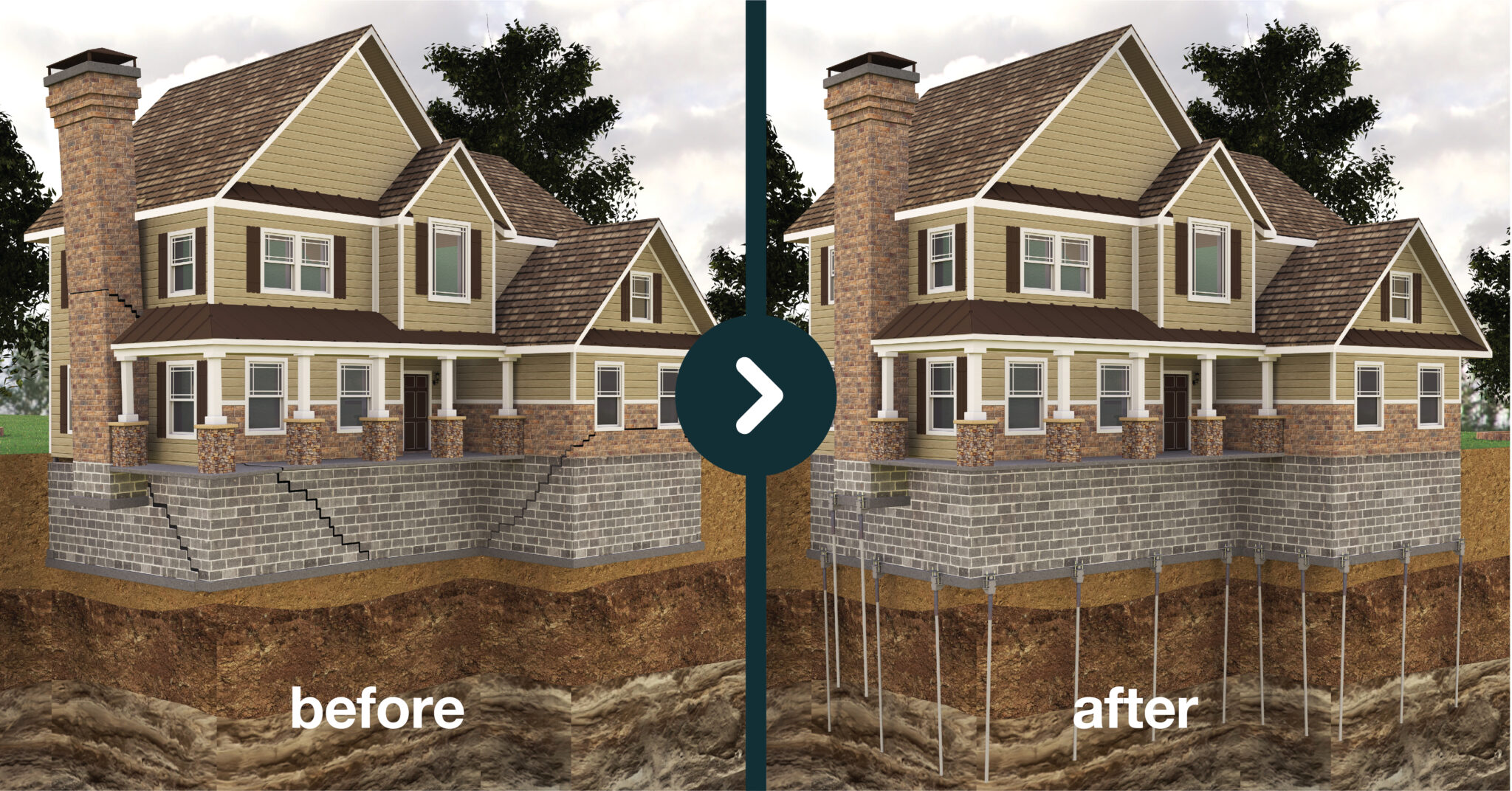
Foundation repair in Lake City, Florida, requires a specialized approach tailored to the region’s unique sandy soil composition and fluctuating water table. Property owners must identify signs of structural distress—such as stair-step masonry cracks, uneven flooring, or sticking doors—and engage licensed geotechnical specialists to assess whether stabilization through helical piers, push piers, or slab jacking is necessary to restore structural integrity.
Contents
The Geological Context of North Central Florida
Lake City, located in Columbia County, sits within a geographic zone characterized by specific soil mechanics. Much of the region is defined by loose, sandy soils overlying limestone deposits. While Florida is famous for its karst topography—the natural dissolution of limestone that creates sinkholes—the more common challenge for residential foundations is soil settlement and erosion.
In North Central Florida, the primary culprit for foundation movement is the variation in soil moisture. During the dry season, sandy soils can lose volume, causing the foundation to settle downward. Conversely, heavy rainfall common to the region can saturate the ground, leading to soil instability. When soil loses its load-bearing capacity, the foundation may shift, creating vertical or diagonal cracks in exterior brickwork or interior drywall. Recognizing that these issues are typically environmental rather than indicative of a "broken" home is the first step toward effective remediation.
Identifying Signs of Foundation Distress
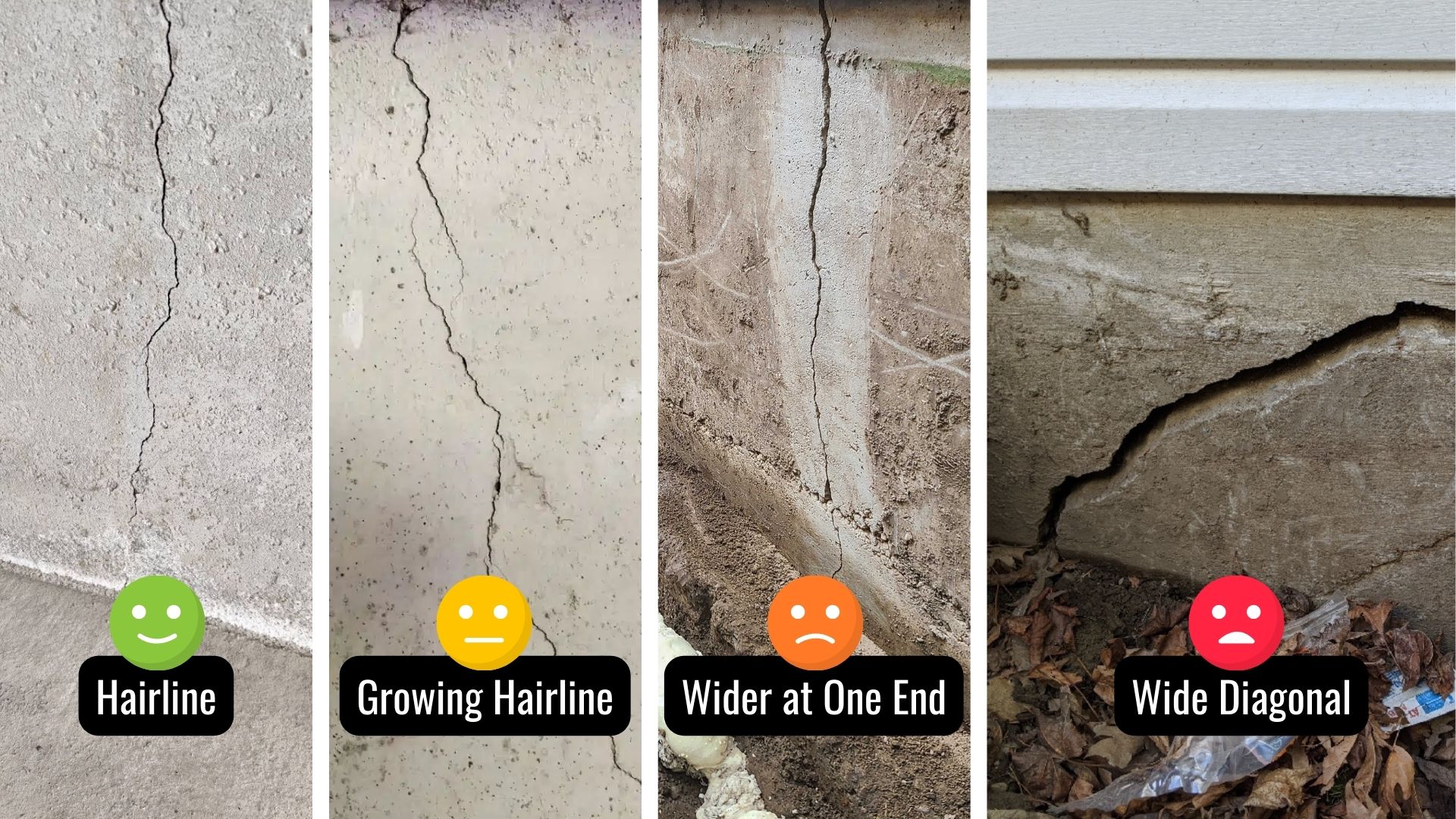
Not every crack in a wall warrants a major repair project. Hairline cracks in stucco or concrete often result from natural shrinkage during the curing process or minor thermal expansion. However, property owners should be alert for patterns that suggest active foundation failure:
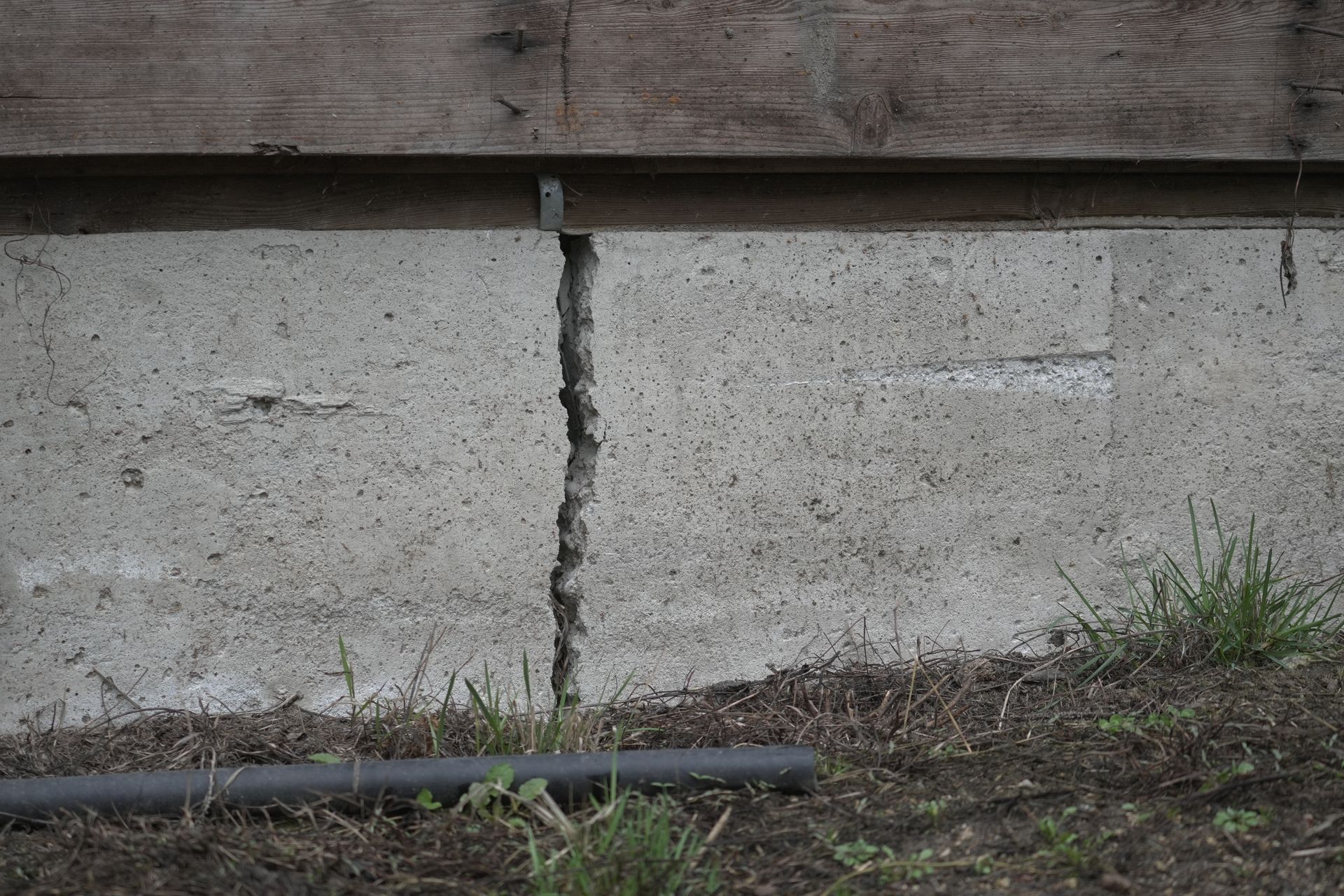
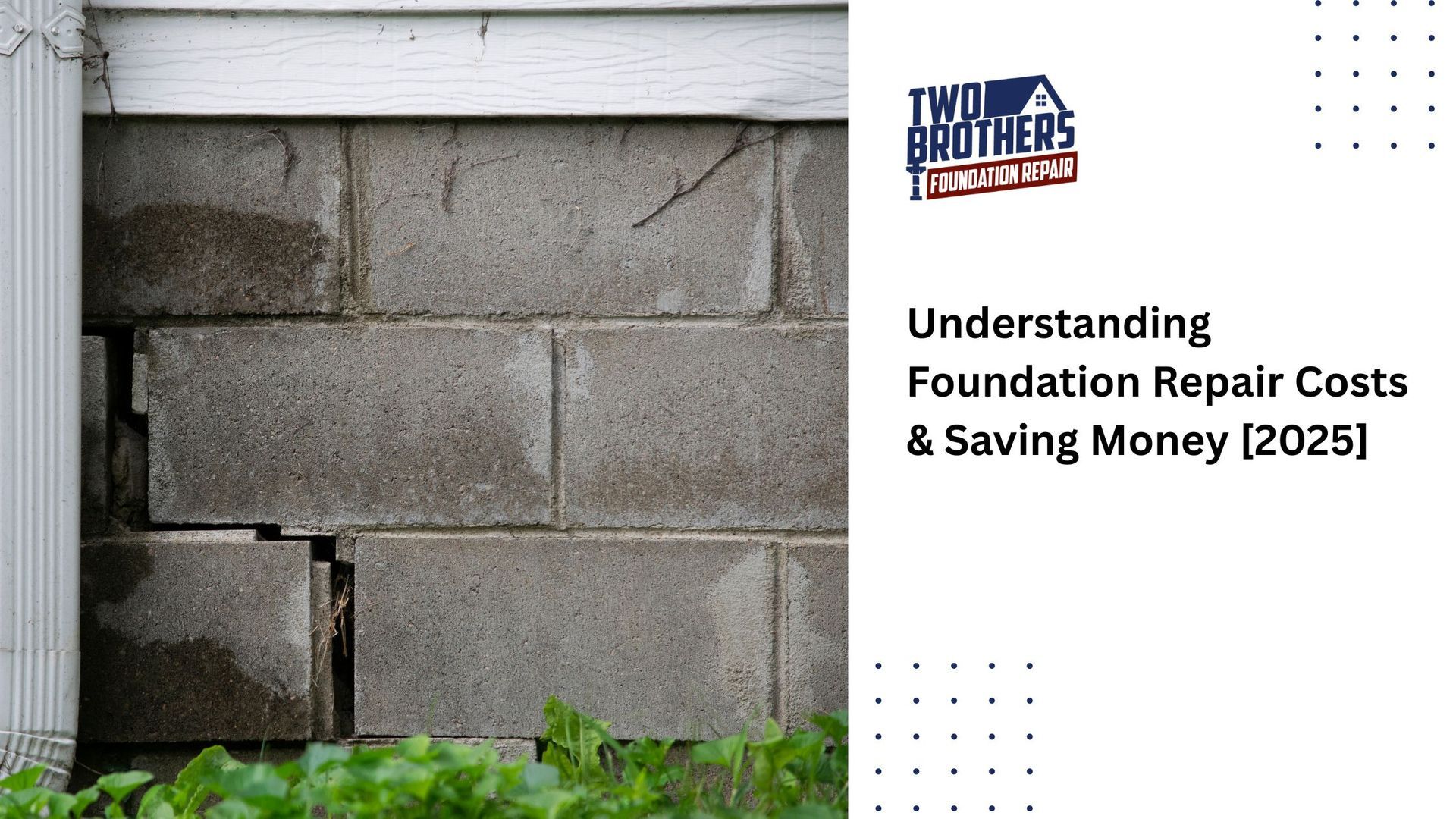
- Masonry Cracking: Diagonal or "stair-step" cracks in exterior block walls, particularly those wider than 1/4 inch.
- Vertical Displacement: Significant gaps between window or door frames and the surrounding wall, often resulting in doors that fail to latch or windows that bind.
- Floor Inconsistencies: Visible sloping of floors or a "bouncy" feeling in isolated areas of a slab-on-grade foundation.
- Exterior Gaps: Separation between the soil and the foundation perimeter, or visible gaps between the chimney and the main structure of the home.
If these symptoms appear, the homeowner should document the cracks over a period of weeks to determine if they are active (widening) or dormant (stable).
Standard Repair Methods in Lake City
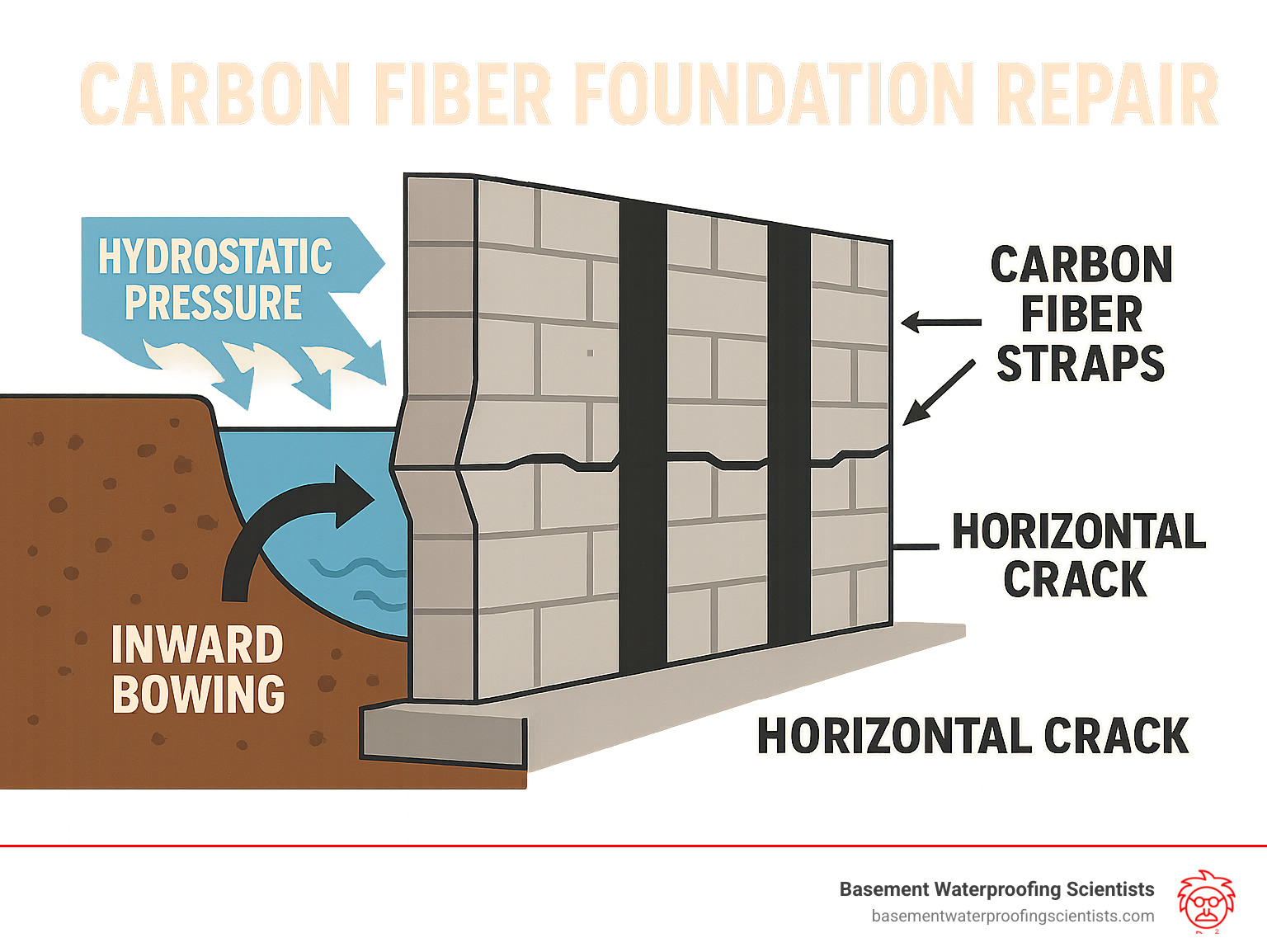
When a foundation requires professional intervention, engineers typically recommend one of several structural stabilization methods. The choice depends on the depth of the stable soil strata and the weight of the structure.
| Method | Best Use Case | Mechanism |
|---|---|---|
| Helical Piers | Lightweight structures / porches | Screwed into the ground to reach load-bearing strata. |
| Push Piers | Heavy structures / exterior walls | Driven deep into the soil until resistance is met. |
| Slab Jacking | Settled concrete slabs | Injecting polyurethane foam to lift and fill voids. |
| Mudjacking | Large void filling | Pumping a slurry of sand and cement under the slab. |
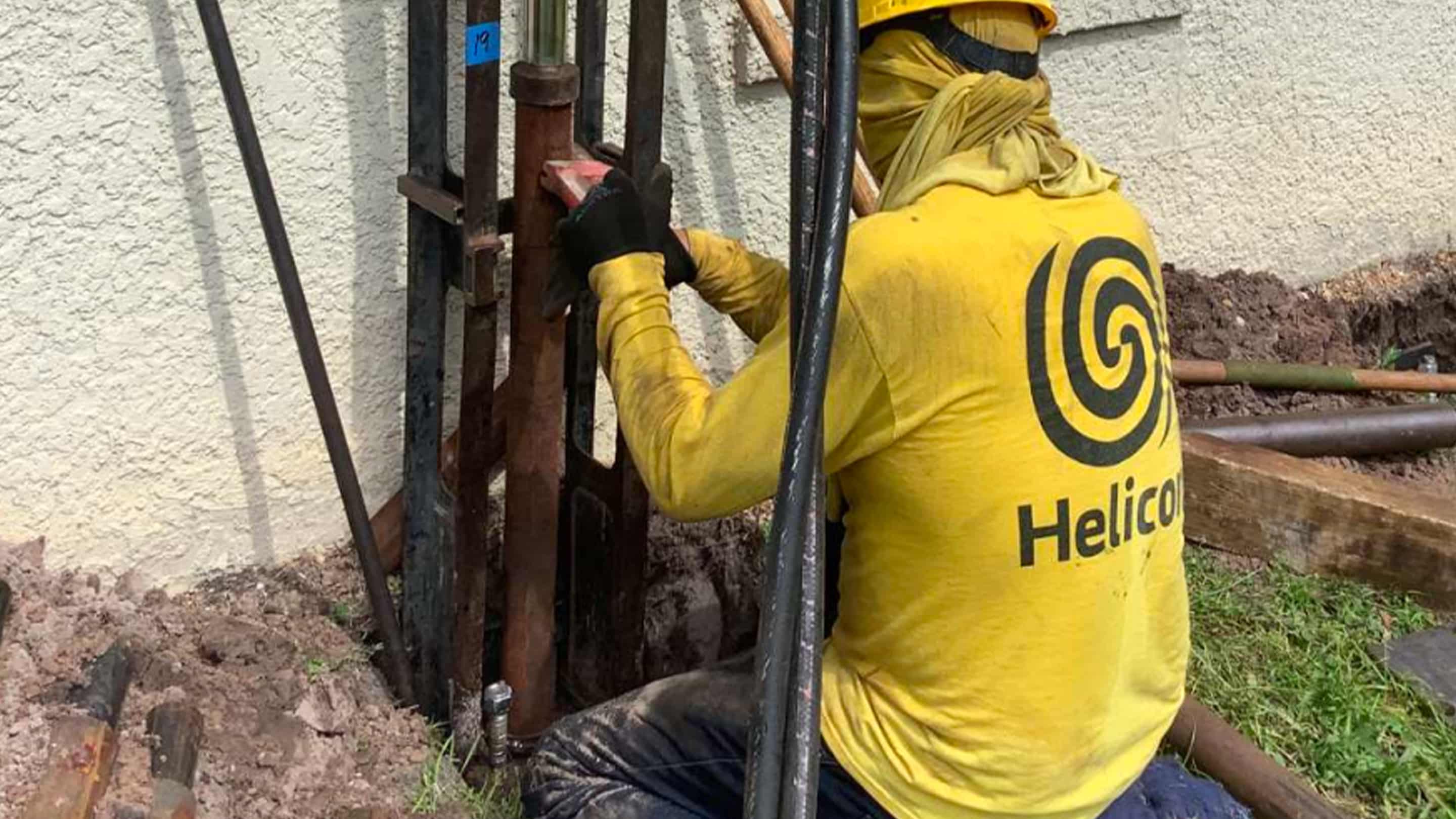
Helical piers are highly effective in Lake City's sandy terrain because they function like a large screw, providing both end-bearing capacity and skin friction to support the home. Polyurethane slab jacking has become the industry standard for interior floor stabilization due to its lightweight nature, which prevents further settlement caused by the weight of traditional concrete grout.
The Professional Inspection Process
A proper repair begins with a licensed engineer or a certified foundation contractor. Relying on "free estimates" from high-pressure sales teams is a common mistake; instead, property owners should seek a formal assessment.
- Leveling Assessment: Using a laser level to map the elevation of the interior floors.
- Soil Analysis: Reviewing local soil surveys to determine the depth of the water table and the nature of the subsurface geology.
- Root Cause Identification: Determining if the movement is caused by soil hydration, tree root encroachment, or plumbing leaks under the slab.
- Permitting: In Lake City and Columbia County, structural repairs often require a building permit. A reputable contractor will handle the application process, ensuring that the work complies with the Florida Building Code.
Mitigating Risks and Future Maintenance
After repairs are completed, protecting the foundation from future movement is essential. Many foundation issues in Florida are exacerbated by poor drainage. Homeowners should ensure that gutters have downspout extensions that discharge water at least five to ten feet away from the foundation perimeter.
Furthermore, maintaining a consistent moisture level in the soil surrounding the home is critical. Avoid planting large, water-hungry trees near the foundation, as these can extract moisture during droughts and cause the soil to shrink unevenly. If the foundation was repaired due to sinkhole activity, homeowners must maintain their insurance documentation and follow any specific monitoring instructions provided by the geotechnical engineer.
Legal and Insurance Considerations
Foundation repair is a complex financial undertaking. Under Florida law, foundation damage is a distinct category of risk. If a homeowner believes the damage is related to sinkhole activity, they must notify their insurance carrier to initiate the statutory claim process. Note that general "settlement" is often considered a maintenance issue and is frequently excluded from standard homeowner policies, whereas "catastrophic ground cover collapse" may be covered under specific provisions. Always consult with a legal professional or a public adjuster if you are unsure of your policy's coverage regarding soil movement.
Frequently Asked Questions
How long does foundation repair usually take? Most standard residential foundation stabilization projects, such as installing 6 to 10 piers, take between three to five business days. The process includes site preparation, structural lifting, and final clean-up.
Does a cracked foundation mean my house is unsafe? Not necessarily. Many homes have lived with minor settling for decades. However, if the cracks are widening, affecting the structural support of roof lines, or causing floors to slope significantly, it requires immediate professional evaluation to prevent further damage.
Is it possible to repair a foundation myself? No. Foundation repair involves heavy machinery, structural engineering calculations, and specialized equipment. Attempting to lift or stabilize a home without professional expertise can lead to catastrophic structural failure and void any existing property insurance coverage.
How do I verify the contractor's credentials? Always verify that the contractor holds a valid license with the Florida Department of Business and Professional Regulation (DBPR). Ask for proof of general liability and workers' compensation insurance specifically covering structural foundation work.
What is the difference between underpinning and slab jacking? Underpinning refers to the installation of piers (like helical or push piers) to transfer the building's weight to deeper, more stable soil. Slab jacking (or mudjacking) focuses on filling voids beneath a concrete slab to raise it back to its original position without addressing the underlying soil strata.
Recommended Next Steps
If you suspect foundation distress, start by creating a "crack log" where you photograph and date any visible fissures. If the cracks appear to be changing or if you notice new sticking doors, contact a licensed professional engineer (PE) who specializes in residential foundations. An independent engineer provides a report that can be used to compare quotes from multiple contractors, ensuring you pay only for the work that is necessary to stabilize your home.
Image Gallery