Understanding the Legacy of Valerie Harper: Context and Clarification on Final Public Images
Valerie Harper, the beloved actress renowned for her portrayal of Rhoda Morgenstern, passed away on August 30, 2019, at the age of 80. While fans and media outlets often search for "the last photo of Valerie Harper" as a way to process...
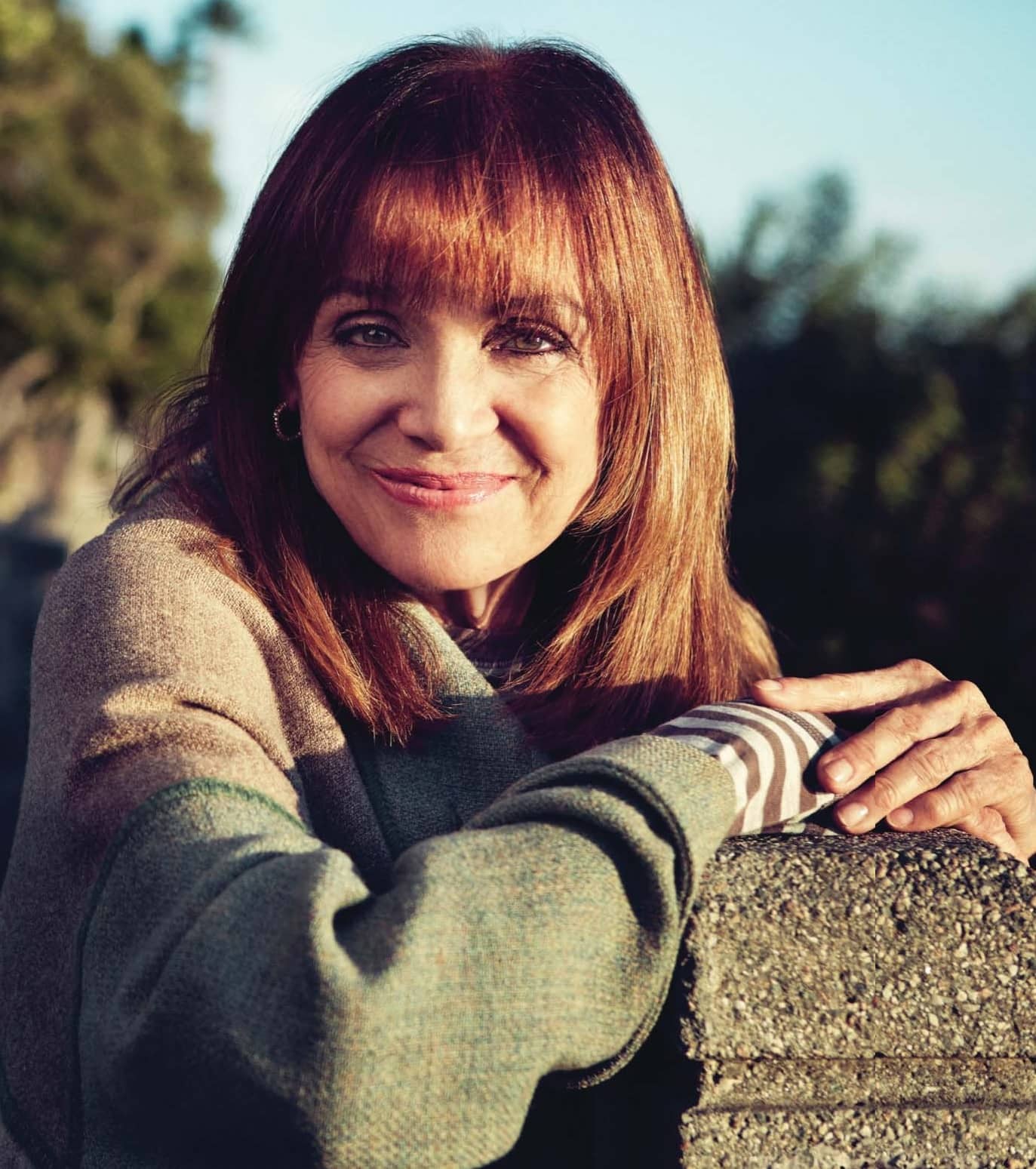
Valerie Harper, the beloved actress renowned for her portrayal of Rhoda Morgenstern, passed away on August 30, 2019, at the age of 80. While fans and media outlets often search for "the last photo of Valerie Harper" as a way to process the loss of a cultural icon, these images serve primarily as a testament to her enduring dignity and the public’s enduring connection to her life’s work. There is no single, officially designated "last" image, but rather a collection of final public appearances and private moments shared by her family that define her final chapter.
Contents
The Cultural Significance of Valerie Harper’s Final Years
Valerie Harper occupied a unique space in American television history. As Rhoda Morgenstern on The Mary Tyler Moore Show and later Rhoda, she became a symbol of independent, relatable femininity that resonated with millions. When she publicly announced her diagnosis of leptomeningeal carcinomatosis in 2013, she did so with a transparency that was characteristic of her career.
Searching for the last visual documentation of her life is a common human response to grief—a desire to reconcile the vibrant, comedic persona known from the 1970s with the realities of mortality. However, it is essential to distinguish between the intrusive paparazzi-style photography that often follows celebrities in declining health and the controlled, intentional narratives provided by the families of public figures. Throughout her later years, Harper remained focused on her advocacy for cancer research and her continued commitment to the acting craft, which remains the primary focus of her professional legacy.
Navigating Public Interest and Personal Privacy
The search for final photographs of celebrities often stems from a mixture of genuine concern and a parasocial relationship formed over decades of broadcast viewing. It is helpful to consider how these images are categorized and where they originate:
- Public Appearances: These include red-carpet events or charity functions where Harper chose to be seen. In her final years, she remained active in causes such as lung cancer awareness, frequently appearing in photographs alongside her husband, Tony Cacciotti, and their daughter, Cristina Cacciotti.
- Social Media Documentation: In the digital era, the most candid and "final" glimpses are often provided by family members via social media platforms. These images are typically curated by those closest to the individual, prioritizing the subject's humanity over the sensationalism that traditional tabloid photography might seek.
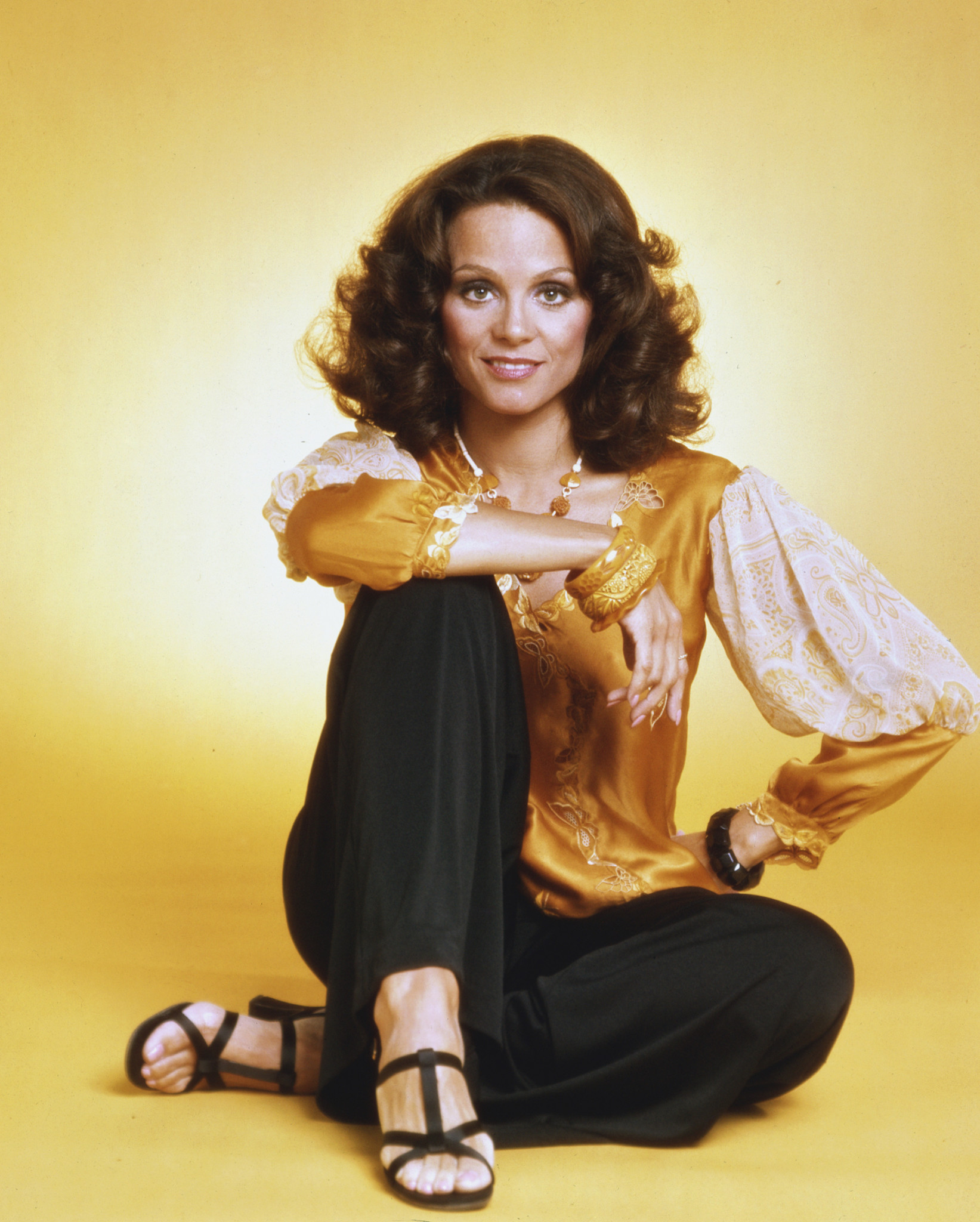
- Professional Archival Photos: Often, the images that circulate as "final" are merely the last professional headshots or promotional stills taken before the onset of more severe illness.
Distinguishing Between Public and Private Documentation
| Type of Documentation | Origin | Intent |
|---|---|---|
| Red Carpet/Event Photos | Media Agencies | News coverage and celebrity visibility |
| Family Social Media | Immediate Family | Personal memory and fan communication |
| Clinical/Hospital Photos | Unauthorized Sources | Sensationalism (Ethically discouraged) |
| Official Statements | Publicity Representatives | Legacy preservation and health updates |
The Role of Media Ethics in Celebrity Coverage
As a senior editor, it is necessary to address the ethics surrounding the search for "the last photo." When a beloved figure passes away, the demand for imagery increases exponentially. However, there is a clear distinction between memorializing a figure through their work and the pursuit of images that document physical decline.
Valerie Harper’s family was notably protective of her privacy during her final months. The most respectful approach to honoring such a career is to focus on the roles that defined her impact on television. The narrative surrounding her final days should be anchored by the grace she exhibited, rather than the specific visual record of her physical struggle. This maintains the dignity of the individual while satisfying the public's need for a sense of closure.
Legacy and Impact: Beyond the Final Image
Rather than fixating on the last photograph, fans of Valerie Harper often find more value in revisiting her contributions to the landscape of American comedy. Harper’s portrayal of Rhoda Morgenstern provided a template for the "everywoman" in comedy—a character who was vulnerable, stylish, and self-deprecating.
Her transition from a sidekick to a lead actress paved the way for subsequent generations of women in television. When analyzing her life in 2026, it is clear that the focus has shifted from the circumstances of her passing to the enduring humor and warmth of her performances. The "final image" of Harper, in a cultural sense, is the image of her character, Rhoda, walking through the streets of New York City, or her later work as a stage actress, which remained a passion until the very end.
Frequently Asked Questions
Are there official final photos released by the Harper family? The family did not release a specific "final photo" as a statement. They utilized social media to provide updates on her health, focusing on her spirit and her continued engagement with her friends and peers, rather than documenting her physical health status for public consumption.
Why is there such high search interest in her last photo? This is a standard behavioral pattern for fans mourning a long-term public figure. It represents an attempt to find closure and to verify the end of a narrative that the public has followed for decades.
How can I respectfully commemorate Valerie Harper? The most respectful way to honor Harper is to support the organizations she advocated for, particularly those involved in cancer research. Additionally, streaming her classic work or supporting contemporary stage productions reflects the values she held as a lifelong performer.
Was Valerie Harper working until her final days? Harper maintained a remarkably resilient attitude toward her career. While her health limited her physical capacity, she continued to voice-act and engage with the creative community as much as her diagnosis allowed, demonstrating a professional work ethic that remained consistent throughout her life.
Where can I find authorized historical photographs? For archival images, it is recommended to visit established media archives, professional celebrity databases, or the official pages managed by her estate, which preserve her history with the context and dignity she deserves.
Conclusion and Next Steps
The search for the "last photo of Valerie Harper" is a testament to the depth of affection the public held for her. While you may encounter various images across the internet, it is most productive to shift that focus toward the archives of her work. To truly appreciate her impact, consider viewing episodes of The Mary Tyler Moore Show or reading accounts of her theatrical career. By engaging with her art rather than the imagery of her illness, you participate in the positive preservation of a legendary career. If you are interested in her advocacy work, check the official archives of lung cancer research organizations to see how her public transparency directly contributed to raising awareness during her final, courageous years.
Image Gallery