Understanding the Honda HPD Meaning: History, Evolution, and Automotive Significance
Honda Performance Development (HPD) represents the high-performance racing arm of American Honda Motor Co., Inc., signifying advanced motorsport engineering, championship-winning engine manufacturing, and deep integration between track...
Honda Performance Development (HPD) represents the high-performance racing arm of American Honda Motor Co., Inc., signifying advanced motorsport engineering, championship-winning engine manufacturing, and deep integration between track-proven technology and production passenger vehicles.
Contents
Introduction to Honda Performance Development
The automotive world is filled with specialized acronyms, but few carry as much weight in professional motorsport and enthusiast culture as HPD. Standing for Honda Performance Development, the entity serves as the technical vanguard for Honda and Acura racing initiatives in North America. To fully grasp what the Honda HPD meaning is, one must look beyond a simple corporate title. It is a dedicated hub for research, design, development, and trackside support for everything from grassroots autocross to the highest echelons of open-wheel and sports car racing.
Founded initially to spearhead Honda's entry into IndyCar racing, HPD has evolved over decades into a multifaceted powerhouse. Its engineers design internal combustion engines, hybrid power units, and aerodynamic packages that compete on iconic circuits globally. Furthermore, the HPD ethos has increasingly bled into consumer-facing vehicles, giving everyday drivers a taste of motorsport-derived performance through factory performance packages, dedicated parts, and specialized trims. Understanding this legacy requires examining its historical origins, its core technical functions, its role in top-tier motorsport, and its eventual transition into Honda Racing Corporation USA.
Historical Origins and Corporate Evolution
The roots of Honda Performance Development stretch back to 1993, when American Honda established the company—originally under the name Pacific Life Racing, shortly thereafter becoming Honda Performance Development—in Santa Clarita, California. The primary catalyst for its creation was Honda’s ambitious goal to enter the Championship Auto Racing Teams (CART) IndyCar World Series.
Entering a heavily contested open-wheel championship against established engine builders was a daunting task. However, HPD quickly proved its mettle. By partnering with established chassis constructors and racing teams, Honda secured its first Indy car victory in 1994 and its first drivers' and manufacturers' championships shortly thereafter. This foundational era established HPD's reputation for meticulous engineering reliability, high-revving naturally aspirated engine design, and relentless pursuit of thermal and mechanical efficiency.
Over the subsequent decades, the scope of HPD expanded dramatically. When the Indy Racing League (IRL) unified and eventually transitioned into the modern NTT IndyCar Series, HPD became the exclusive engine supplier for the series from 2006 to 2011, and later a vital co-supplier alongside Chevrolet. Beyond open-wheel racing, the organization expanded into American sports car racing, touring cars, and grassroots motorsports, providing competitive powerplants and engineering support to privateer teams and factory-backed efforts alike.
Core Technical Functions and Motorsport Operations
At its core, HPD functions as a specialized engineering house capable of conceptualizing, prototyping, testing, and track-supporting complex racing machinery. The technical operations housed within its facilities encompass several distinct disciplines:
- Engine Design and Build: HPD engineers design high-output racing engines from scratch, focusing on metallurgy, combustion efficiency, and valvetrain dynamics. These powerplants must withstand extreme thermal and mechanical loads over hundreds of miles of racing.
- Electronics and Software Integration: Modern racing relies heavily on electronic control units (ECUs), data acquisition systems, and software calibration. HPD develops proprietary software to manage fuel delivery, ignition timing, telemetry, and, in recent eras, hybrid energy recovery systems.
- Aero Development: Using advanced computational fluid dynamics (CFD) and scale-model wind tunnel testing, HPD designs downforce packages that optimize high-speed cornering stability while minimizing aerodynamic drag.
- Trackside Engineering Support: During race weekends, HPD engineers embed with racing teams to analyze real-time data, advise on setup adjustments, and ensure mechanical reliability.
This comprehensive technical scope allows HPD to operate independently or in close synchronization with Honda’s global research and development networks, ensuring that lessons learned on the racetrack directly inform the engineering principles applied to consumer vehicles.
Major Racing Achievements and Programs
The credibility of the HPD name rests on an extensive catalog of victories across North America's most prestigious racing series. Its impact is most visibly felt in open-wheel racing and endurance sports car competition.
IndyCar Dominance
In the NTT IndyCar Series, engines bearing HPD engineering have powered numerous drivers to Indianapolis 500 victories and season-long championships. Whether supplying V8 engines in the late 1990s and 2000s, twin-turbocharged V6 engines in the 2010s and 2020s, or the modern electrified hybrid power units, HPD-backed powerplants have defined modern American open-wheel racing.
Sports Car Racing and IMSA
In endurance racing, HPD has left an indelible mark through sports car prototypes. From the Acura ARX-01 and ARX-02 sports cars of the late 2000s to the modern Acura ARX-06 GTP (Grand Touring Prototype) hybrid, HPD has successfully competed in and won marquee endurance events such as the 24 Hours of Daytona and the 12 Hours of Sebring. These programs showcase the organization's ability to build durable endurance racing machinery capable of running at maximum output for 24 continuous hours.
| Racing Category | Era / Primary Vehicle | Technical Highlights | Major Competitions |
|---|---|---|---|
| IndyCar Open-Wheel | 1994–Present (IRL & IndyCar) | Naturally aspirated V8s, Twin-turbo V6s, Hybrid systems | NTT IndyCar Series, Indianapolis 500 |
| Sports Car Prototypes | ARX Series (ARX-01 to ARX-06) | Carbon-composite chassis, Turbo V6 engines, LMDh Hybrid | IMSA WeatherTech SportsCar Championship |
| Grassroots / Club | Civic Si / Type R TC & TCA | Factory-built turn-key race cars, spec racing parts | SRO America, 8-Hour endurance series |
Transition to Honda Racing Corporation (HRC)
A major milestone in the modern timeline of the brand occurred when American Honda announced the structural integration of HPD into Honda Racing Corporation (HRC), effective April 2024. Prior to this shift, HRC operated primarily as the motorcycle racing division based in Japan, while HPD handled four-wheel motorsport activities in North America.
By merging the two entities under the unified HRC banner—specifically forming HRC USA—Honda created a global motorsport powerhouse. This reorganization allows engineers in Japan and the United States to collaborate seamlessly on both two-wheel and four-wheel racing programs, including top-tier global initiatives like Formula 1 engine supply and international sports car racing. For enthusiasts, the HPD name remains synonymous with the foundational North American racing heritage, even as the operational branding transitions toward a unified global HRC identity.
Connection to Production Honda and Acura Vehicles
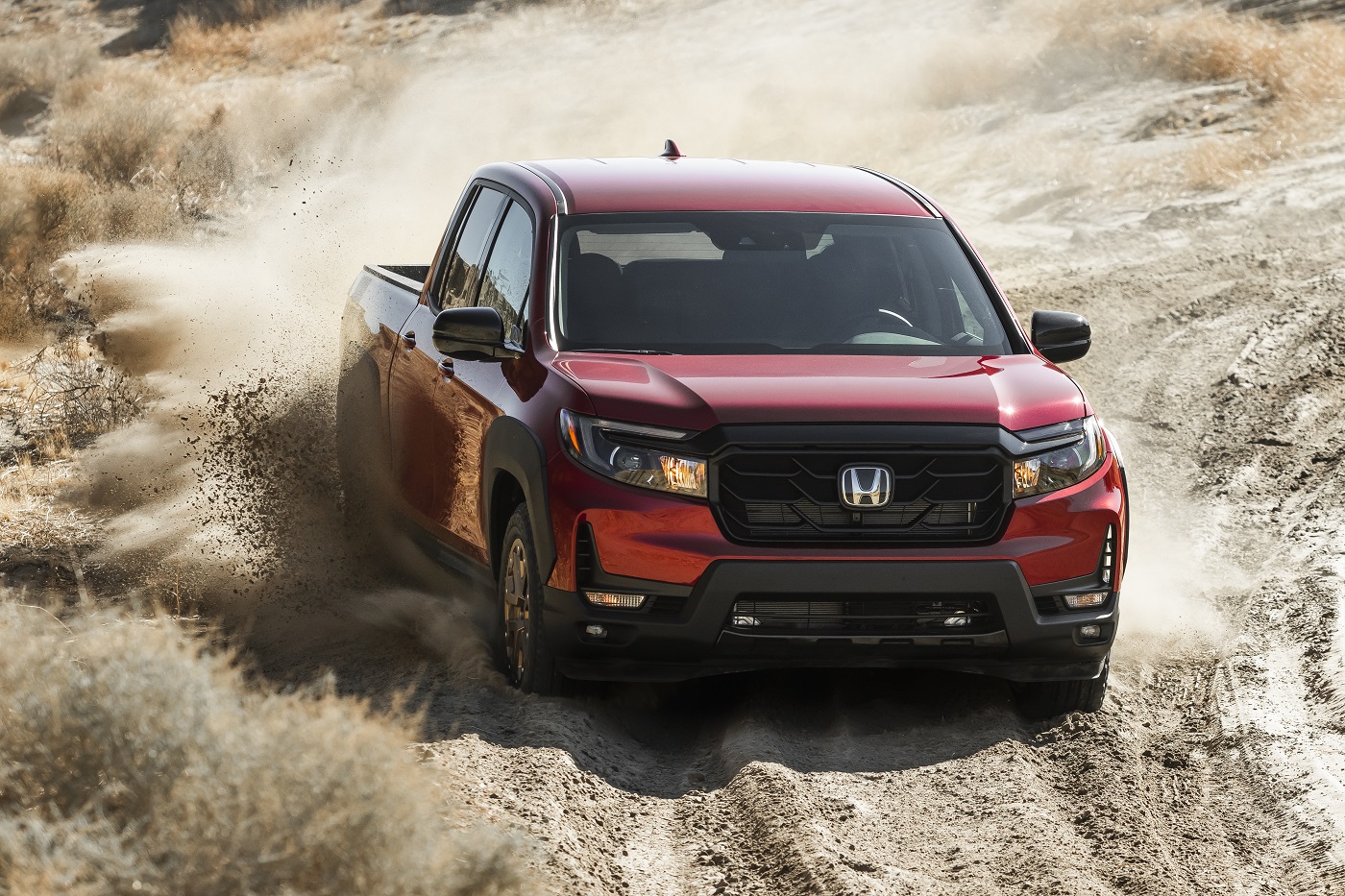
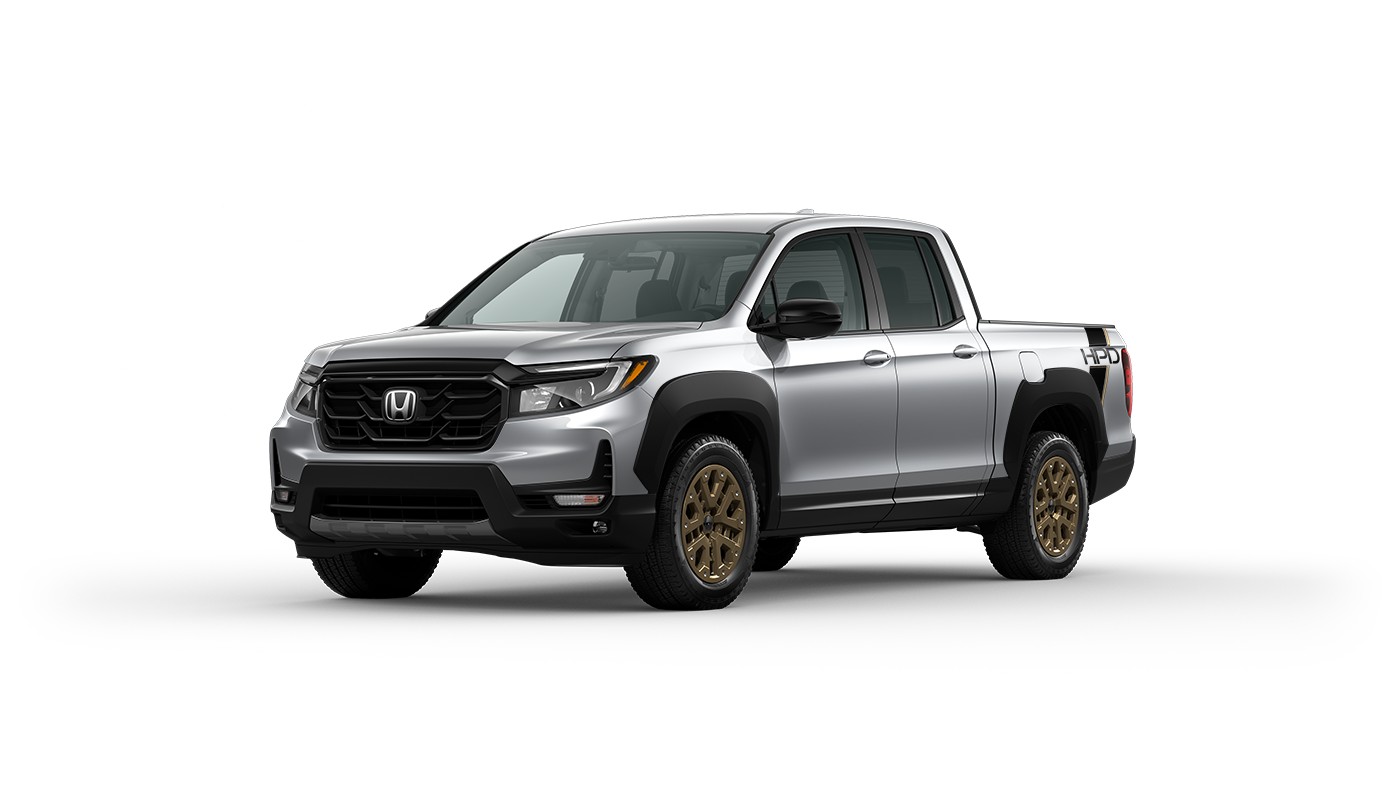
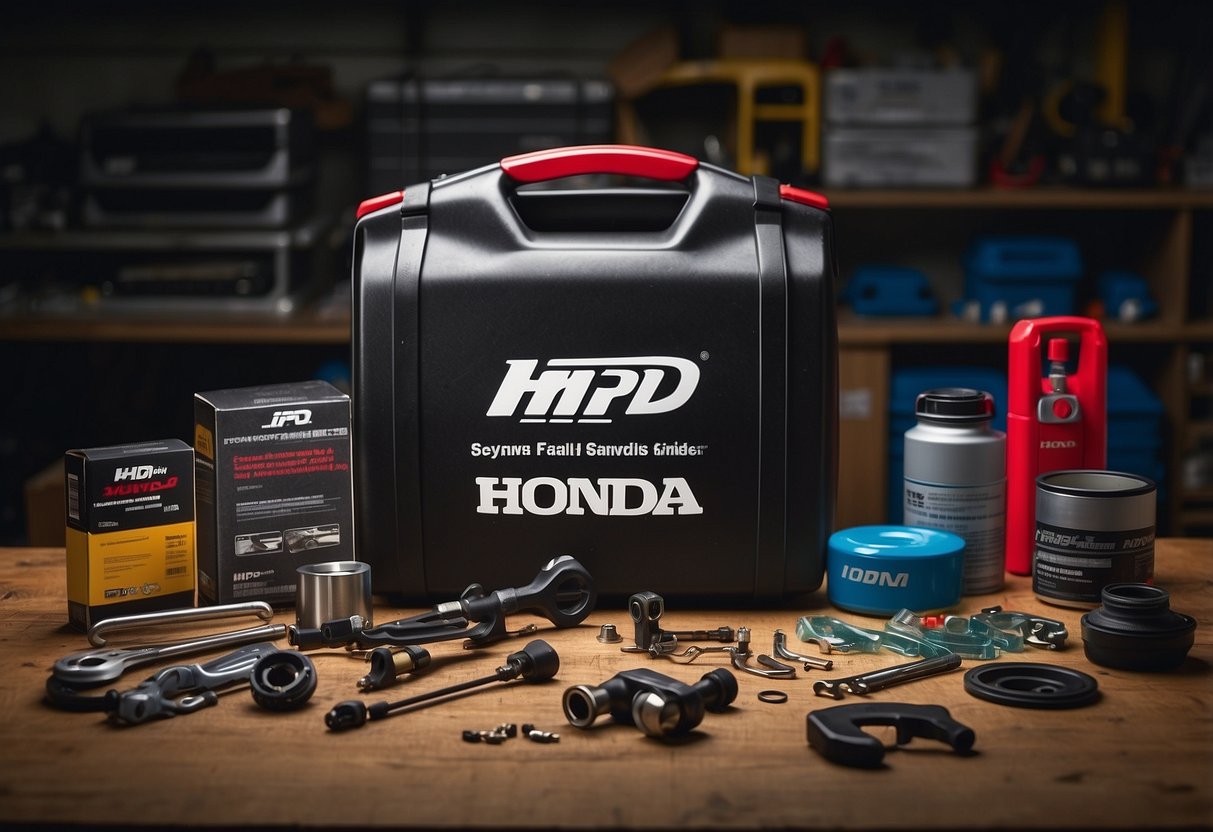
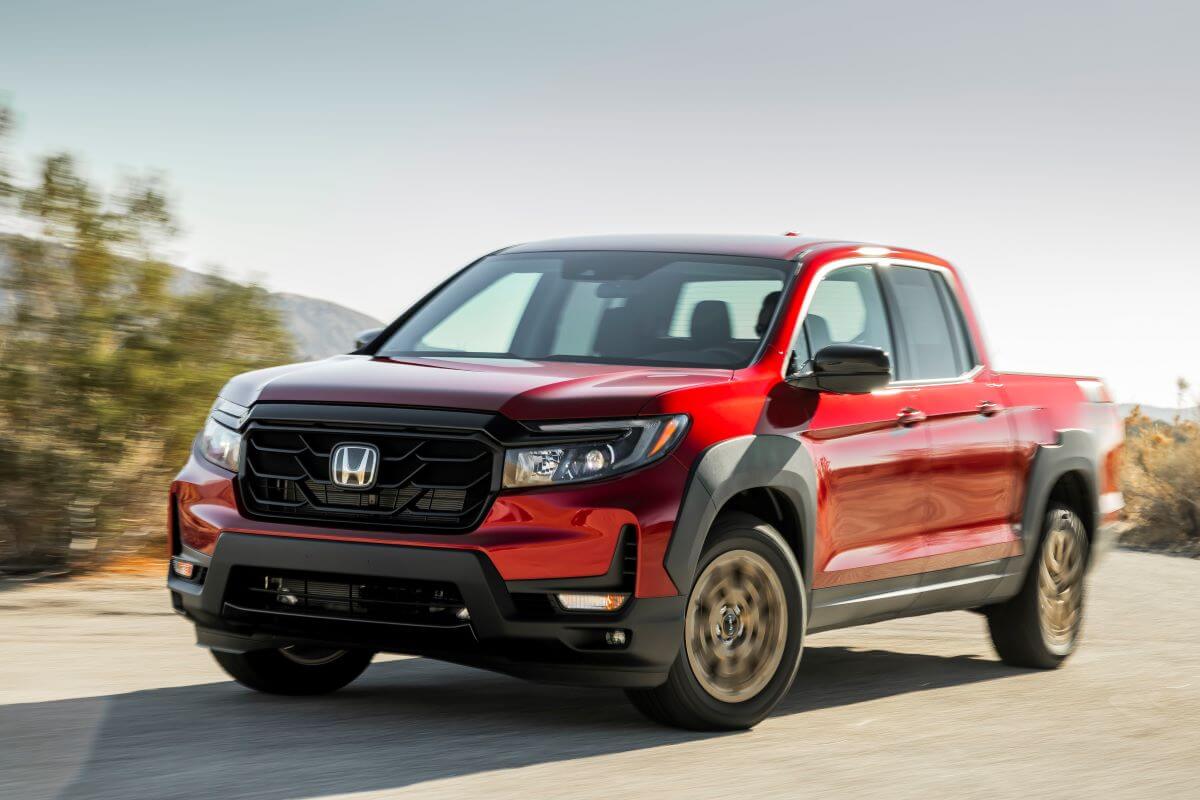
For the average consumer, the HPD meaning extends into the dealership showroom through specialized performance parts, factory appearance packages, and high-performance vehicle trims. Honda and Acura have routinely leveraged the HPD moniker to designate vehicles that feature track-inspired styling upgrades, tuned suspension components, or lightweight alloy wheels.
Models equipped with official HPD accessories or packages often feature distinctive exterior badging, aerodynamic body kits, and sport-tuned exhaust systems. These offerings allow everyday drivers to personalize their vehicles with components engineered under the same rigorous testing standards applied to Honda's professional racing fleets. Furthermore, the engineering insights gained from HPD racing programs—particularly in thermal management, direct-injection turbocharging, and chassis rigidity—routinely filter down into the development of iconic enthusiast cars like the Honda Civic Type R and Acura Integra Type S.
Common Misconceptions About HPD
As with many specialized automotive sub-brands, several myths and misconceptions surround what HPD is and what it offers:
- Misconception 1: HPD is just a marketing department. While HPD parts are sold for aesthetic and handling enhancements, HPD is fundamentally an engineering and manufacturing operation responsible for building championship-winning professional race engines.
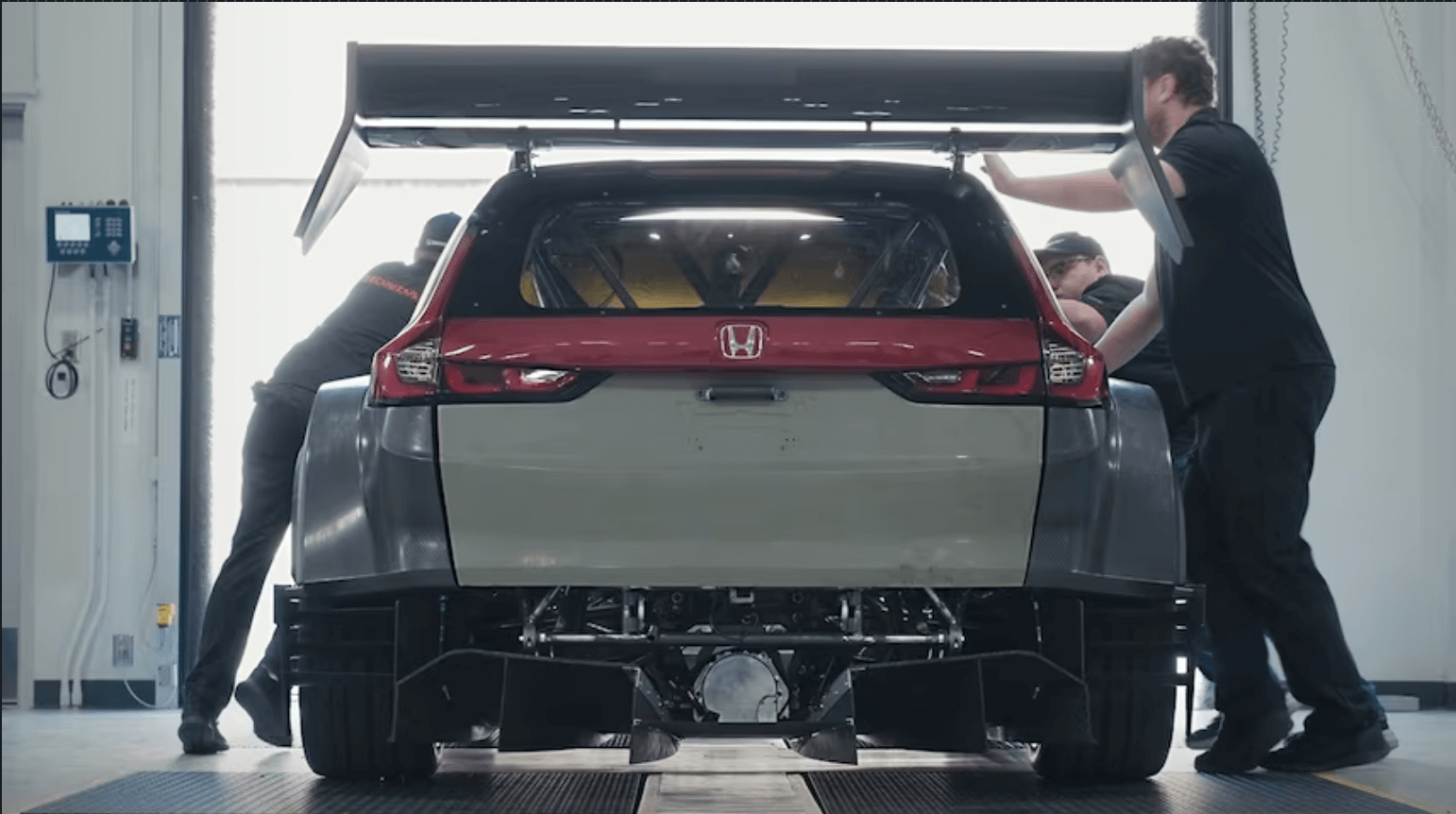
- Misconception 2: HPD vehicles are built entirely in standard assembly plants. While standard Honda and Acura models receive HPD accessory packages at port entry or dealerships, true HPD race cars are constructed, tested, and maintained by specialized technicians in dedicated motorsport facilities.
- Misconception 3: HPD is separate from Honda. HPD has always been a wholly-owned subsidiary of American Honda Motor Co., Inc., serving as its official competition arm in North America before its recent alignment under the global HRC structure.
Summary of Key Takeaways
- Definition: HPD stands for Honda Performance Development, serving as Honda's premier racing and high-performance engineering arm in North America.
- Origins: Established in 1993 to manage Honda's entry into IndyCar racing, growing into a dominant force in open-wheel and sports car competition.
- Technical Scope: Encompasses engine design, software calibration, aerodynamics, and trackside engineering support.
- Global Integration: Integrated into Honda Racing Corporation (HRC) to unify global two-wheel and four-wheel racing initiatives.
- Consumer Impact: Supplies enthusiast accessories, appearance packages, and performance-driven engineering insights for production Honda and Acura vehicles.
Frequently Asked Questions
What does HPD stand for in Honda vehicles?
HPD stands for Honda Performance Development. In the context of vehicles and accessories, it designates parts, packages, or engineering principles derived from Honda's professional racing programs.
Is HPD an aftermarket brand or factory-backed?
HPD is entirely factory-backed. It is a wholly-owned subsidiary of American Honda Motor Co., Inc., meaning all official HPD parts and racing programs are developed and tested by Honda's internal engineering teams.
What is the difference between HPD and Type R?
Type R is a specific, high-performance trim level applied to production vehicles like the Civic to deliver maximum track capability from the factory. HPD is the overarching motorsport and engineering division that supports racing efforts and provides performance parts and packages for various Honda and Acura models.
Did HPD stop existing after the move to HRC?
HPD did not cease operations; rather, its personnel, facilities, and programs were integrated into Honda Racing Corporation (HRC) to form HRC USA. This strategic move unifies Honda's global racing operations under a single banner while maintaining its North American engineering presence.
Can I buy an official HPD race car?
Yes. HPD (now operating as HRC USA) produces turn-key race cars for various motorsport series, such as the Civic Si TCA and Civic Type R TC race cars, which are sold directly to qualified racing teams and privateer competitors.
Conclusion
Understanding the Honda HPD meaning reveals a commitment to motorsport that extends far beyond corporate sponsorship. From its founding days in Santa Clarita to its modern integration into Honda Racing Corporation, HPD has represented the pinnacle of Honda's technical capability. Whether powering an open-wheel racer to victory at the Indianapolis 500, developing endurance sports car prototypes, or offering enthusiast styling packages for street cars, the HPD name remains a cornerstone of Honda's high-performance identity.
Image Gallery