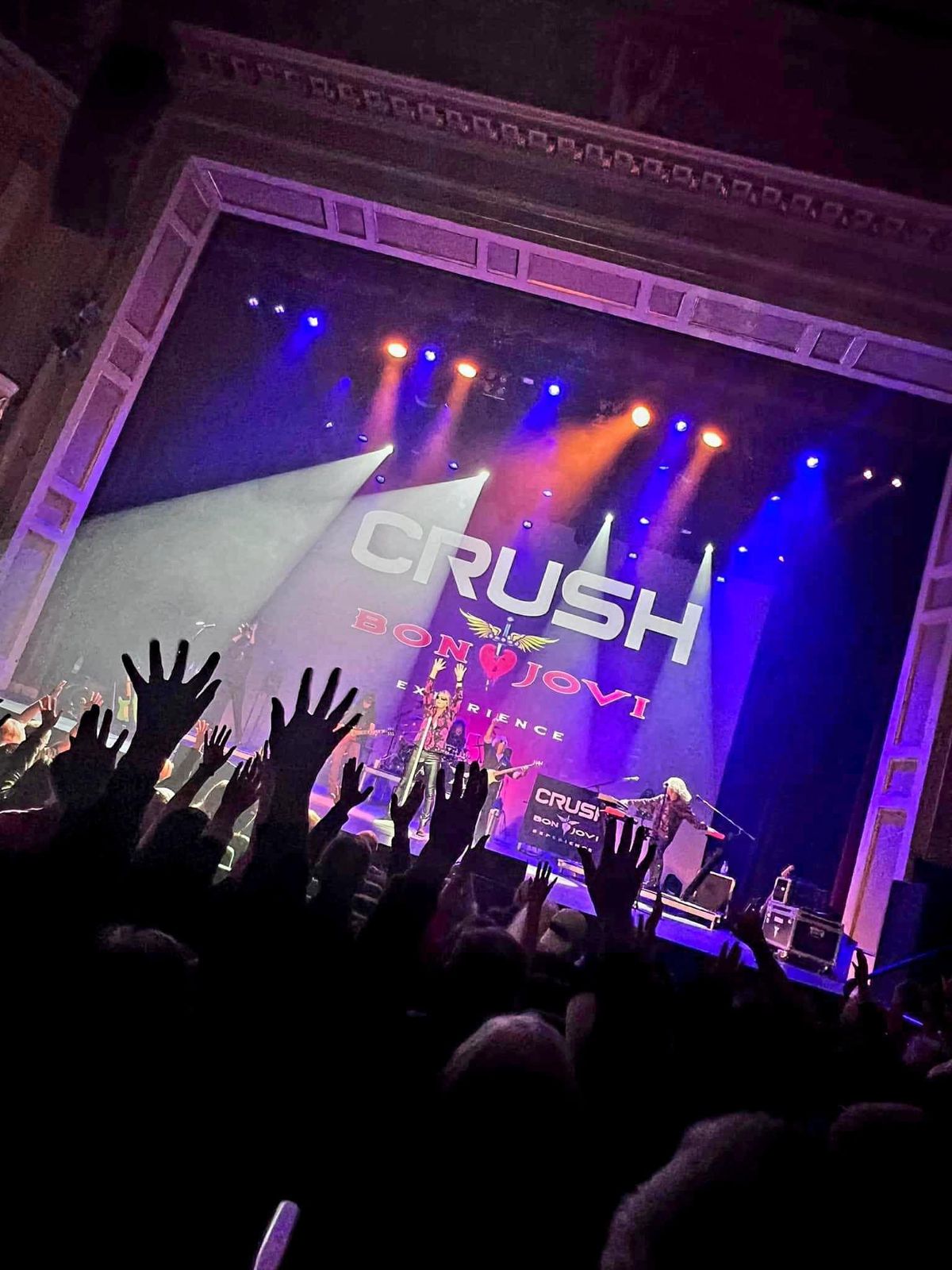
Understanding the Concert Crush Phenomenon on Campus
The concert crush phenomenon on campus refers to the dangerous influx of students surging toward a stage or entry point during university music events, often driven by inadequate crowd management, oversold venues, and the intense socia...
The concert crush phenomenon on campus refers to the dangerous influx of students surging toward a stage or entry point during university music events, often driven by inadequate crowd management, oversold venues, and the intense social dynamics of collegiate fandoms. Addressing this safety challenge requires a deep examination of architectural limitations, behavioral psychology, and institutional preparedness.
Contents
University campuses frequently host high-profile musical performances, ranging from intimate student-run acoustic sets in campus coffee shops to massive arena-scale concerts sponsored by student unions. While these events foster community spirit and cultural engagement, they also carry distinct structural and operational risks. Understanding the concert crush phenomenon on campus is essential for event organizers, campus security, and student leaders who must balance vibrant campus life with absolute physical safety.
The Anatomy of a Campus Concert Crush
A concert crush is rarely a sudden, random event; rather, it is the mechanical culmination of architectural bottlenecks, psychological pressures, and operational miscalculations. When hundreds or thousands of individuals simultaneously attempt to occupy a finite physical space, crowd density reaches critical thresholds.
In physics and crowd management science, a crush occurs when density exceeds approximately five to six people per square meter. At this level of compression, individual voluntary movement ceases. People become part of a fluid-like mass where pressure is transmitted laterally and longitudinally across the crowd. On campus, these conditions are frequently triggered by general admission standing configurations where attendees push forward to secure optimal sightlines or physical proximity to performing artists.
Unlike commercial arenas governed by professional venue management corporations, campus venues often utilize multipurpose spaces—such as student union ballrooms, gymnasiums, or outdoor quads—that were never engineered for high-density modern concert dynamics. When these spaces lack fixed seating, clear compartmentalization, and standardized ingress and egress pathways, the risk of a catastrophic crowd surge multiplies exponentially.
Contributing Factors in University Environments
Multiple interacting variables exacerbate crowd pressure during collegiate musical events. Recognizing these components is the first step toward effective mitigation and risk reduction.
Venue Limitations and Infrastructure
Many campus buildings suffer from deferred maintenance, outdated fire codes regarding maximum occupancy, and architectural pinch points such as narrow stairwells, single-door exits, and obstructed sightlines. When a popular artist performs, the desire to pack as many students inside as possible often overrides spatial reality. Furthermore, outdoor quads or plazas, while spacious, present challenges related to perimeter control, uneven terrain, and natural bottlenecks created by campus landscaping or historic structures.
The Psychology of Student Fandom
The social environment of a university campus creates a unique psychological profile among concertgoers. Peer influence, the fear of missing out (FOMO), and deep emotional investments in contemporary music genres amplify competitive behaviors. Students often arrive hours early, forming dense, unregulated queues. When doors open, the sudden release of built-up anticipation can trigger an impulsive forward rush, overwhelming security staff who are unprepared for the kinetic energy of the crowd.
Communication Failures and Information Asymmetry
In many campus incidents, poor communication between event organizers, security personnel, and attendees exacerbates panic. If a gate opening is delayed, rumors spread rapidly via social media channels, causing a localized surge at secondary entry points. Furthermore, a lack of clear public address systems or visible signage regarding capacity limits leaves both crowds and staff blind to developing hazards.
Comparative Overview of Campus Event Settings
Different campus venues present unique safety profiles and management challenges. The table below outlines how venue types influence crowd dynamics and risk factors.
| Venue Type | Typical Capacity | Primary Crowd Risk | Mitigation Strategy |
|---|---|---|---|
| Student Union Ballroom | 500 – 1,500 | Bottlenecks at single exits; wall-to-wall compression. | Strict capacity enforcement, wristband tiers, and clear exit routing. |
| Campus Gymnasium / Arena | 2,000 – 8,000 | Floor surges toward barricades; restricted upper-deck access. | Professional security, physical floor barricades, and reserved seating. |
| Outdoor Quad / Plaza | 1,000 – 10,000+ | Uncontrolled perimeters; uneven terrain; sudden weather panic. | Metal bike racks, wide entry checkpoints, and illuminated pathways. |
| DIY / Underground Spaces | 50 – 300 | Severe over-occupancy; lack of fire suppression; zero egress. | Zero-tolerance policy enforcement and relocation to verified spaces. |
Protocols and Best Practices for Safe Campus Concert Operations
Mitigating the concert crush phenomenon requires a proactive, multi-layered framework involving university administration, student programming boards, local law enforcement, and emergency medical services.
1. Rigorous Capacity Planning and Ticketing Controls
The foundation of crowd safety is accurate capacity management. Organizers must never exceed the legally mandated fire code occupancy of a space. Implementing digital ticketing platforms with hard cutoff limits prevents ticket counterfeiting and physical gate-crashing. For general admission floor spaces, wristband systems divided by color or tier help control density and prevent unauthorized movement into high-pressure zones near the stage.
2. Physical Infrastructure and Barricades
Deploying professional-grade Mojo barricades—or interlocking steel barriers—creates a crucial buffer zone between the audience and the stage. This prevents fans from crushing against the stage structure and gives security personnel and medical teams a functional runway to extract distressed individuals. Additionally, clear, well-lit, and unlocked emergency exits must be maintained at all times, with staff explicitly assigned to monitor exit pathways.
3. Comprehensive Security and Staff Training
Campus security and student volunteers must receive specialized crowd management training rather than standard event monitoring instruction. Staff should be stationed strategically throughout the crowd to monitor density levels, identify early signs of distress, and communicate using dedicated radio channels. Security teams must be trained to recognize the indicators of compressive asphyxia—a dangerous condition where individuals cannot expand their lungs due to external crowd pressure—and act immediately to create breathing room.
4. Emergency Response Integration
Before any concert takes place, organizers must coordinate with campus police, local emergency medical services (EMS), and municipal fire marshals. An on-site medical tent equipped with trained personnel, hydration supplies, and clear evacuation corridors to local hospitals is mandatory for any large-scale gathering. Establishing an Incident Command System (ICS) ensures rapid, coordinated decision-making if an emergency occurs.
Common Mistakes in Campus Event Planning
Even well-intentioned student organizations frequently fall into predictable operational traps that increase crowd safety risks.
- Relies Solely on Student Volunteers: Utilizing untrained peers as primary security creates liability and leaves events vulnerable to unmanageable crowd behaviors. Professional oversight is required for events exceeding specific attendance thresholds.
- Ignoring Social Media Monitoring: Organizers often fail to track viral hype. If an artist's popularity spikes unexpectedly online, the physical demand will outstrip the planned venue capacity unless organizers pivot quickly to a larger space or implement lottery ticketing.
- Blocking Egress Paths for Merchandising: Placing merchandise tables, food trucks, or registration booths near entry and exit doors creates artificial bottlenecks that impede emergency evacuation.
- Failing to Establish Communication Redundancies: Relying solely on cellular networks during a packed event often fails due to network congestion. Event leaders must use dedicated two-way radios.
Frequently Asked Questions
What causes a crowd crush at a university concert?
A crowd crush is caused by a combination of high crowd density, physical compression, structural bottlenecks (such as narrow doors or poorly configured barricades), and behavioral pressures like an uncontrolled forward surge toward the stage. It is fundamentally a physical and mechanical failure of crowd management, not merely poor behavior by attendees.
How can student organizations determine safe venue capacities?
Student organizations must consult the university’s fire marshal or facilities management office to obtain the legally certified maximum occupancy for any space. This number accounts for fire safety codes, available square footage, and the number of functioning egress routes. This limit must never be exceeded under any circumstances.
What should an attendee do if caught in a concert crush?
If caught in a crush, an attendee should maintain their footing, keep their hands up near their chest like a boxer to protect their ribcage and lungs, avoid bending down to pick up dropped items, and move diagonally with the flow of the crowd rather than fighting directly against the pressure. Conserving oxygen and remaining calm are vital for survival.
Are outdoor campus concerts safer than indoor ones?
Outdoor concerts eliminate certain structural hazards, such as confined indoor airspaces and limited fire exits. However, they introduce new risks, including unmonitored perimeters, uneven ground hazards, and vulnerability to severe weather. Both settings require rigorous professional planning and active crowd monitoring.
What is the role of campus security versus local police during concerts?
Campus security and event staff typically manage ticket scanning, initial bag checks, credential verification, and low-level crowd monitoring. Local police and specialized municipal emergency services handle high-level perimeter security, traffic control, criminal incidents, and severe medical or structural emergencies requiring regional response assets.
Next Actions for Event Organizers and Administrators
Safeguarding campus communities from the concert crush phenomenon requires immediate institutional accountability. Event coordinators, student life directors, and university risk management boards must audit existing campus venues, update standard operating procedures for student-run events, and mandate professional security reviews for all high-capacity gatherings. By prioritizing transparent communication, strict capacity adherence, and robust physical safety engineering, universities can continue to host vibrant musical events without compromising the health and safety of their student bodies.
Image Gallery