How to Garnish a Workers' Compensation Claim: Legal Rules, Limits, and Procedures
Garnishing a workers' compensation claim requires a court order or administrative directive, as standard consumer debts—such as credit cards or personal loans—are exempt under state laws. However, strict exceptions permit garnishment f...
Garnishing a workers' compensation claim requires a court order or administrative directive, as standard consumer debts—such as credit cards or personal loans—are exempt under state laws. However, strict exceptions permit garnishment for child support, alimony, government tax levies, and benefit overpayments. Creditors must serve an Income Withholding Order directly to the worker's compensation insurance carrier or governing state board.
Contents
Disclaimer: Legal rules governing workers' compensation exemptions and garnishments vary significantly by state jurisdiction. The following information provides general operational guidance and legal context. It does not constitute formal legal advice. Creditors, administrators, and payees should consult an experienced employment or enforcement attorney before taking legal action.
Understanding Workers' Compensation Exemptions
Workers' compensation benefits serve as a financial safety net for employees injured on the job, providing partial wage replacement and medical coverage. Because these payments aim to support basic living and rehabilitation costs, state and federal laws heavily protect them from third-party enforcement actions through anti-alienation and statutory exemption clauses.
In most jurisdictions, workers' compensation benefits are explicitly categorized as non-wage disability payments. Under general consumer protection statutes, standard judgment creditors—including credit card issuers, personal loan providers, medical collection agencies, and landlords—cannot place a lien on or attach a wage garnishment to weekly workers' compensation payments or lump-sum settlements.
The rationale behind this protection is public policy: insulating an injured worker from general insolvency prevents them from becoming dependent on public assistance while unable to work.
However, this statutory immunity is not absolute. Legislatures have built explicit statutory exceptions to prevent obligors from using workers' compensation exemptions to dodge essential family support duties, public tax obligations, or legal restitution.
Legally Permissible Exceptions to Garnishment Exemptions
To successfully execute a garnishment against a workers' compensation claim, the debt must fall into a legally recognized exemption class. Attempting to garnish benefits for non-qualifying debts will result in the immediate dismissal of the order by the workers' compensation judge or claims administrator.
- Workers' Compensation Claim / Benefits
- Standard Debts (Credit Cards, Loans)
- GARNISHMENT DENIED (Statutorily Protected Under State Law)
- Permissible Exceptions (Child Support, Taxes)
- GARNISHMENT ALLOWED (Subject to Caps and Court/Agency Orders)
- Standard Debts (Credit Cards, Loans)
1. Child Support and Spousal Maintenance (Alimony)
Child support is the most common reason for garnishing workers' compensation payments. Federal law, alongside virtually every state workers' compensation statute, prioritizes domestic relations orders over statutory benefit protections.
When an injured worker owes court-ordered child support or spousal maintenance, the court or child support enforcement agency can issue an Income Withholding Order (IWO). This order mandates that the insurance company paying the claim deduct payments directly from the beneficiary’s weekly benefit checks or final settlement award.
2. Tax Liens and Federal Obligations
The Internal Revenue Service (IRS) holds statutory authority under federal law to attach levies to income and property, including certain insurance disbursements and workers' compensation benefits. While the IRS historically exercises restraint regarding temporary total disability checks to prevent severe indigent hardship, federal tax liens can attach to lump-sum settlement distributions. State departments of revenue may also possess similar statutory rights under state tax enforcement codes.
3. Benefit Overpayments and Fraud Restitution
If an injured worker receives an overpayment from the workers' compensation insurance carrier—or if a workers' compensation board finds that benefits were obtained through fraudulent misrepresentation—the insurance carrier or state trust fund can garnish future benefit payments to recoup those funds. This internal offset does not require an outside garnishment process, as it is administered directly through the state workers' compensation adjudication system.
4. Direct Attorney Fees and Authorized Medical Liens
While technically categorized as administrative liens rather than third-party wage garnishments, legal fees accrued by the worker's attorney and unpaid medical expenses directly linked to the workplace injury are routinely withheld from settlements. The workers' compensation judge approves these disbursements directly from the final award before distributing the net funds to the claimant.
Debt Eligibility and Garnishment Limits
The table below outlines whether specific types of debt are eligible for garnishment against a workers' compensation claim and summarizes the general limits applied across most jurisdictions.
| Debt Category | Garnishment Permitted? | Maximum Typical Garnishment Limit | Primary Enforcement Mechanism |
|---|---|---|---|
| Child Support Arrears | Yes | 50% to 65% of weekly benefits or settlement | Income Withholding Order (IWO) / Family Court Order |
| Spousal Support / Alimony | Yes | 50% to 60% of weekly benefits or settlement | Domestic Relations Order / Family Court Order |
| Federal Tax Debts (IRS) | Yes (Restricted) | Varies; up to 100% of lump-sum settlement balance after exempt minimums | IRS Notice of Levy |
| State Income Tax Debts | Yes (State-dependent) | Typically capped by state wage garnishment thresholds | State Administrative Tax Levy |
| Workers' Comp Overpayments | Yes | 10% to 100% of ongoing benefits (jurisdiction dependent) | Administrative Offset Order by Comp Board |
| Credit Cards / Personal Loans | No | 0% (Fully Exempt under State Laws) | None (Enforcement Disallowed) |
| Medical Bills (Unrelated) | No | 0% (Fully Exempt under State Laws) | None (Enforcement Disallowed) |
| Civil Court Judgments | No | 0% (Fully Exempt under State Laws) | None (Enforcement Disallowed) |
Step-by-Step Process to Garnish a Workers' Compensation Claim
Executing a garnishment against a workers' compensation claim involves distinct administrative and judicial steps. Failing to serve the correct entities or omitting statutory disclosures will invalidate the enforcement attempt.
Step 1: Establish a Legally Valid Court Order or Administrative Judgment
A creditor cannot garnish a workers' compensation claim simply because a debt exists. The process requires a binding court judgment, an official child support administrative order, or a statutory tax lien. For family support enforcement, the order must explicitly state that withholding applies to disability benefits, worker's compensation payouts, and income from all available sources.
Step 2: Identify the Claims Administrator and Insurance Carrier
Workers' compensation claims are not paid directly by employers in most legal systems; they are managed by third-party administrators (TPAs), private insurance companies, or state workers' compensation funds.
To garnish these benefits, you must identify:
- The primary workers' compensation insurance company handling the claim.
- The formal state-assigned workers' compensation claim number or case file number.
- The designated agent for service of process for the insurance carrier or administrative body.
This information can typically be obtained through state workers' compensation board registry searches, formal litigation discovery, or state child support enforcement database cross-matching.
Step 3: Issue and Serve the Income Withholding Order (IWO)
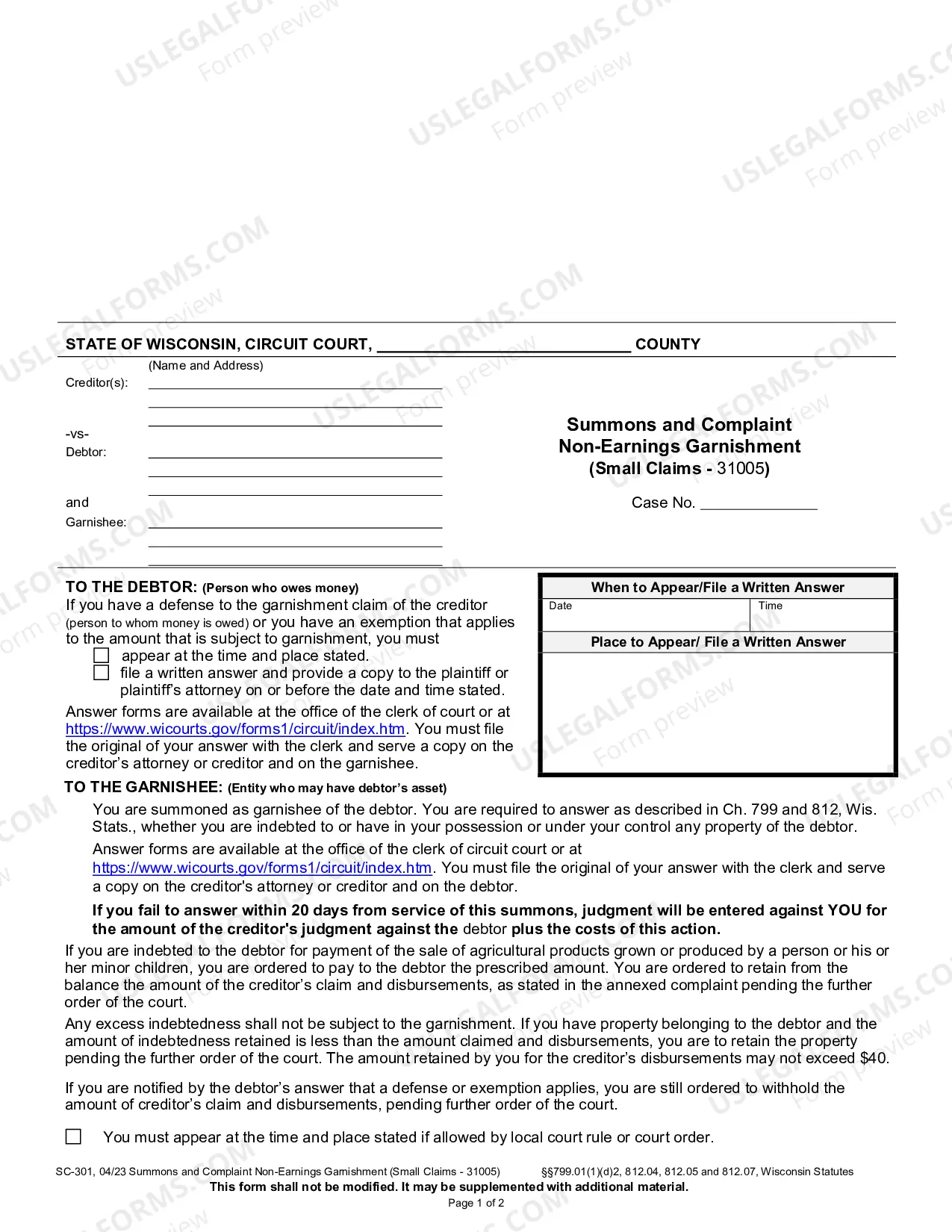
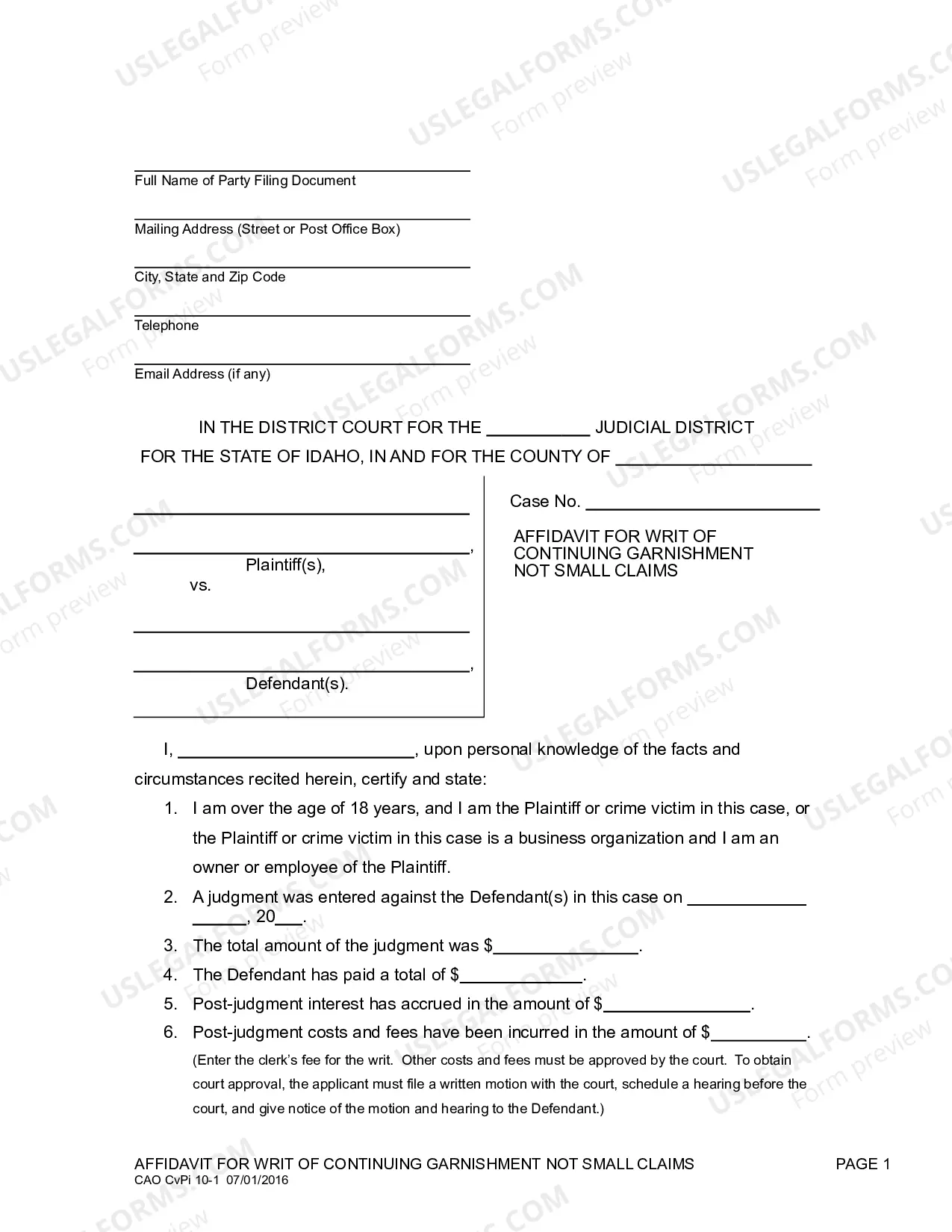
Once identified, serve the formal legal instrument—typically an Income Withholding Order (IWO), Writ of Attachment, or Notice of Lien—to the insurance carrier's legal department or claims administrator.
The filing must contain:
- The full legal name and Social Security Number (or Tax ID) of the injured worker.
- The exact workers' compensation board case index number.
- The legal basis for the exemption (e.g., statutory child support enforcement provisions).
- The calculation instructions for ongoing benefit deductions and lump-sum payouts.
A courtesy copy must also be served on the worker (the obligor) and filed with the state workers' compensation board to preserve procedural due process.
Step 4: Intercept Lump-Sum Settlements (Compromise and Release)
Many workers' compensation claims resolve through a global settlement agreement, commonly termed a Compromise and Release (C&R) or Stipulated Award. When a claim settles in a lump sum, the insurer must review active liens on file before distributing funds.
If an IWO or child support lien is on file before the settlement agreement is finalized, the workers' compensation judge will incorporate the debt payoff into the settlement order. The insurance carrier will issue a separate payout draft directly to the child support agency or court clerk, deducting that amount from the worker's gross settlement.
- Obtain Valid Support Order or Tax Lien
- Identify Insurance Carrier & State Claim Number
- Serve Formal Income Withholding Order (IWO) on TPA
- TPA Withholds Statutory % from Weekly Payments
- Lien Included & Paid in Final Settlement (C&R)
Federal and State Statutory Limits on Garnishment Amounts
Even when a debt qualifies for an exemption, enforcement agencies cannot seize an injured worker's entire benefit check. Limits exist under both federal and state statutes to ensure the injured worker retains sufficient means for basic survival.
Consumer Credit Protection Act (CCPA) Caps
Under Title III of the federal Consumer Credit Protection Act (CCPA) (15 U.S.C. § 1673), garnishments for family support obligations are capped at a percentage of the worker's disposable earnings:
- 50% of Disposable Income: Applies if the worker is currently supporting another spouse or dependent child outside of the court order.
- 55% of Disposable Income: Applies if the worker is supporting another spouse/child, but is more than 12 weeks in arrears.
- 60% of Disposable Income: Applies if the worker is not supporting another spouse or dependent child.
- 65% of Disposable Income: Applies if the worker is not supporting another dependent and is more than 12 weeks in arrears.
State-Specific Lower Caps
While the CCPA sets the maximum federal ceiling, states have the authority to pass stricter statutory caps to provide greater protection for injured workers.
For example, several states limit workers' compensation child support garnishments to a flat 25% to 50% of weekly temporary disability benefits, regardless of arrears status. When federal and state laws conflict, the insurance carrier must apply the lower, more protective withholding percentage.
Navigating Bank Account Attachments vs. Direct Garnishment
A common strategy used by general judgment creditors is waiting for a workers' compensation check or settlement to land in the debtor's bank account, then placing a levy on the account. However, this strategy faces strict legal barriers.
Traceability and the "Exempt Funds" Protection
In most legal jurisdictions, workers' compensation funds maintain their statutory exemption from general consumer creditors even after being deposited into a personal bank account, provided the funds remain identifiable and commingled minimal limits apply.
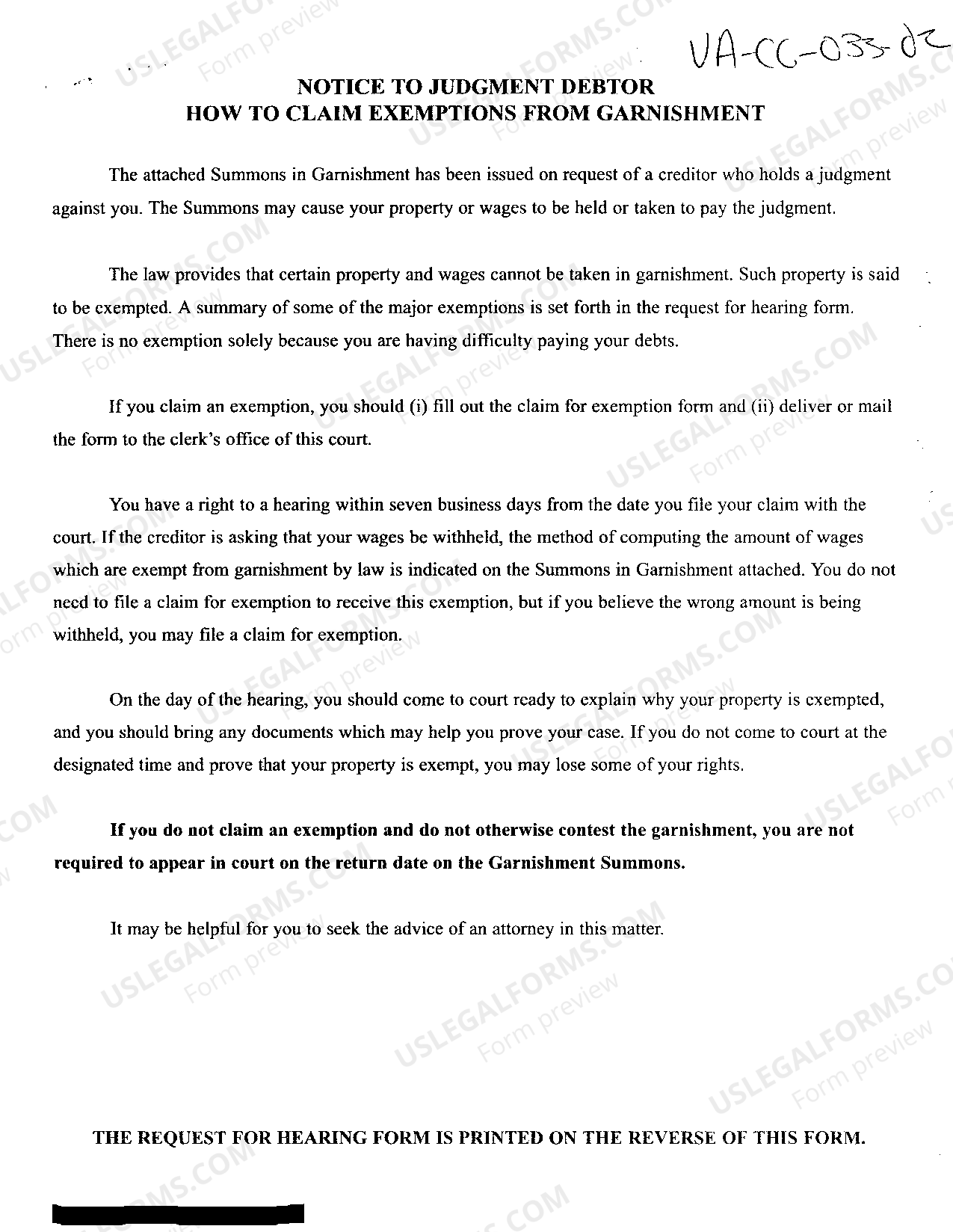
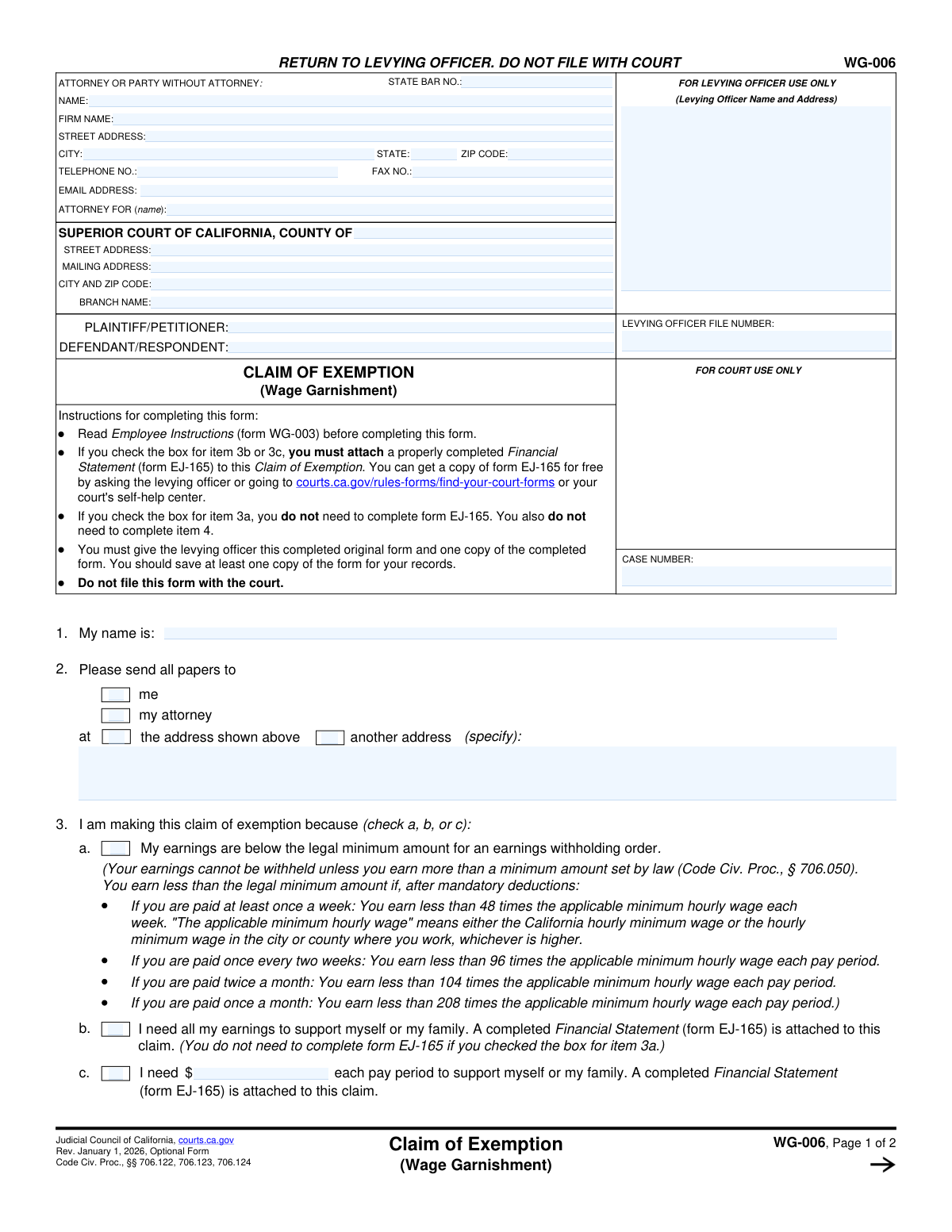
If a consumer creditor levies a bank account containing deposited workers' compensation checks, the worker can file a Claim of Exemption with the court clerk or sheriff's department.
Deposited Workers' Comp Funds
Consumer Creditor Bank Levy
Worker Files Claim of Exemption with Court
- Account Commingled with Wages (Tracing Unclear / Challenged)
- Court Apportions Non-Exempt Portion (Creditor May Win Part)
- Account Contains ONLY Comp (Direct Deposit Tracing Clear)
- LEVY QUASHED / FUNDS RELEASED (Exempt Status Retained)
- Account Commingled with Wages (Tracing Unclear / Challenged)
Direct Deposit Audit: If the bank account exclusively receives direct deposits from a workers' compensation insurance company, tracing is clear, and the court will immediately quash the levy and release the funds to the worker.
Commingled Funds: If the worker mixes workers' compensation settlement funds with standard wages, gig income, or third-party transfers, tracing becomes complicated. Creditors may argue the funds lost their distinct identity, requiring a judicial evidentiary hearing to determine what portion remains exempt.
Common Pitfalls and Key Considerations
Garnishing a workers' compensation claim involves distinct administrative rules that differ from traditional employer payroll garnishments. Payors and enforcement agents often encounter several operational pitfalls:
- Failing to Notify the Third-Party Administrator (TPA): Serving the injured worker’s former employer instead of the designated workers' compensation insurance carrier delays the process. Employers do not disburse claim payments; serving them yields zero withheld funds.
- Ignoring Form Submission Deadlines: State workers' compensation boards enforce strict deadlines for entering appearances and filing liens. A child support lien served after a judge signs a final settlement order will fail to attach to the settlement draft.
- Overestimating Recoverable Balances: Because weekly total disability checks equal only a fraction of the worker's average weekly wage (typically two-thirds), withholding percentages yield smaller dollar amounts than standard payroll garnishments.
- Lump-Sum Annuity Structuring: When a workers' compensation claim resolves via a structured settlement (monthly annuity payments over time), garnishment orders must be explicitly tailored to bind the annuity issuer, not just the original insurance carrier.
Frequently Asked Questions
Can credit card companies garnish a workers' compensation settlement?
No. Standard consumer debts—including credit cards, medical debt unrelated to the injury, and personal loans—are exempt from garnishment against workers' compensation claims under state laws.
How much can be garnished from a workers' comp check for child support?
Under federal CCPA guidelines, child support garnishments range from 50% to 65% of disposable income, depending on arrears and whether the worker supports other dependents. However, several states impose lower statutory caps, restricting maximum child support deductions to 25% or 50% of workers' compensation benefits.
Can the IRS take a workers' compensation settlement?
Yes. Federal law grants the IRS statutory authority to levy workers' compensation benefits for back taxes. While the IRS usually avoids seizing weekly living stipends, federal tax liens regularly attach to lump-sum settlement distributions.
What happens if child support garnishments exceed the weekly benefit amount?
If the total court-ordered child support exceeds the maximum allowable statutory percentage (e.g., 50% of the check), the insurer will withhold only up to the maximum legal limit. The remaining unpaid balance continues to accrue as child support arrears.
Does filing for bankruptcy remove a child support lien on a workers' comp claim?
No. Child support obligations are non-dischargeable under federal bankruptcy law (11 U.S.C. § 523). Filing for Chapter 7 or Chapter 13 bankruptcy will not eliminate a child support lien or stop valid garnishment proceedings against a workers' compensation claim.
Action Plan for Creditors and Payees
If you are a custodial parent, enforcement officer, or authorized agency attempting to collect a legally qualifying debt from a workers' compensation claim, follow these steps to secure compliance:
- Confirm Debt Eligibility: Verify that the debt falls under approved statutory exemptions (child support, spousal support, or government tax obligations).
- Request State Board Case Records: Obtain the active workers' compensation claim index number and identify the handling insurance carrier.
- Issue Formal Income Withholding Notice: Complete an official Income Withholding Order (IWO) and serve it on the insurance carrier's legal or claims unit via certified mail or registered process service.
- Monitor Claim Status: Track ongoing payments and monitor the state board docket for any notices of Compromise and Release (C&R) hearings to ensure liens are satisfied upon final settlement.
Image Gallery