The Lucy Letby Netflix Documentary: AI Technology and the Ethics of True Crime
As of 2026, Netflix’s exploration of the Lucy Letby case represents a significant shift in true crime production, utilizing advanced AI for data visualization and witness protection. While several documentaries cover the former nurse's...
As of 2026, Netflix’s exploration of the Lucy Letby case represents a significant shift in true crime production, utilizing advanced AI for data visualization and witness protection. While several documentaries cover the former nurse's 2023 convictions and 2024 retrial, the integration of generative AI has sparked intense debate regarding accuracy, ethics, and the future of investigative journalism.
Contents
The Intersection of the Letby Case and Generative AI
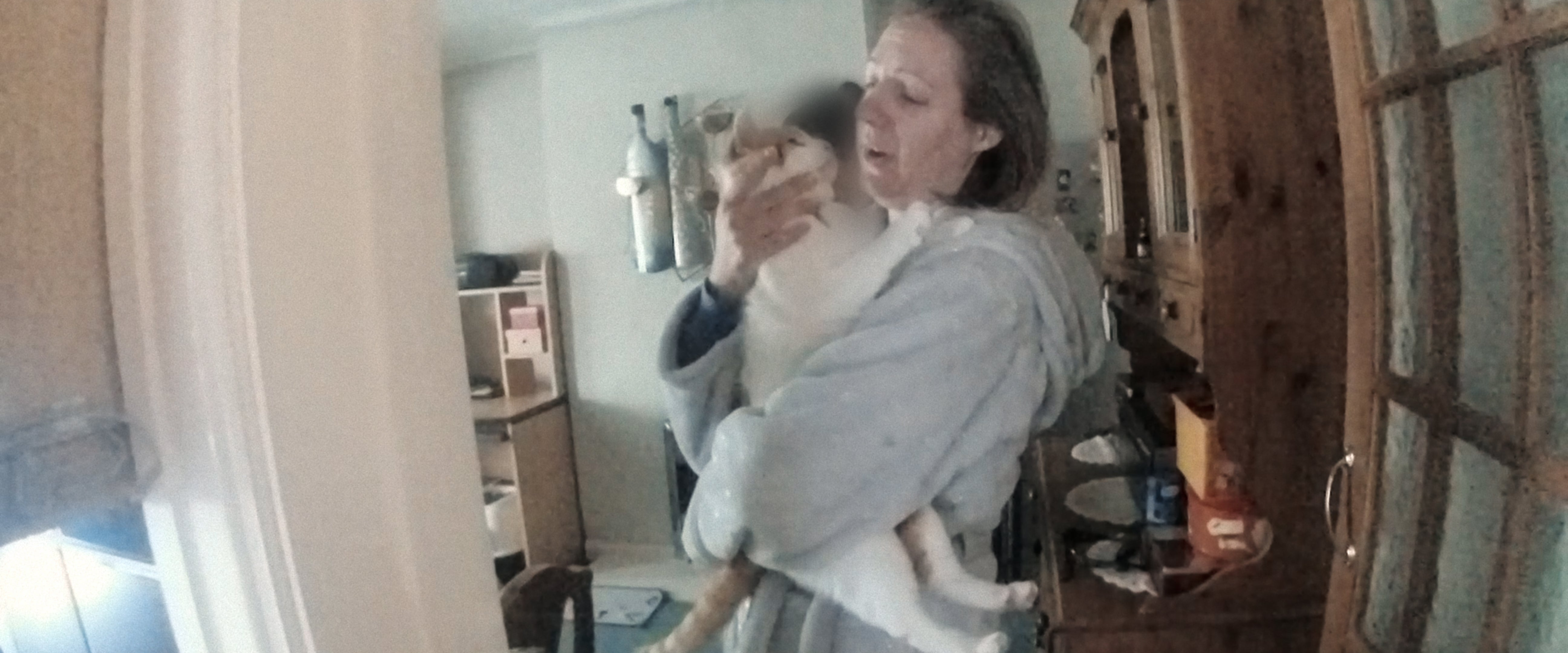
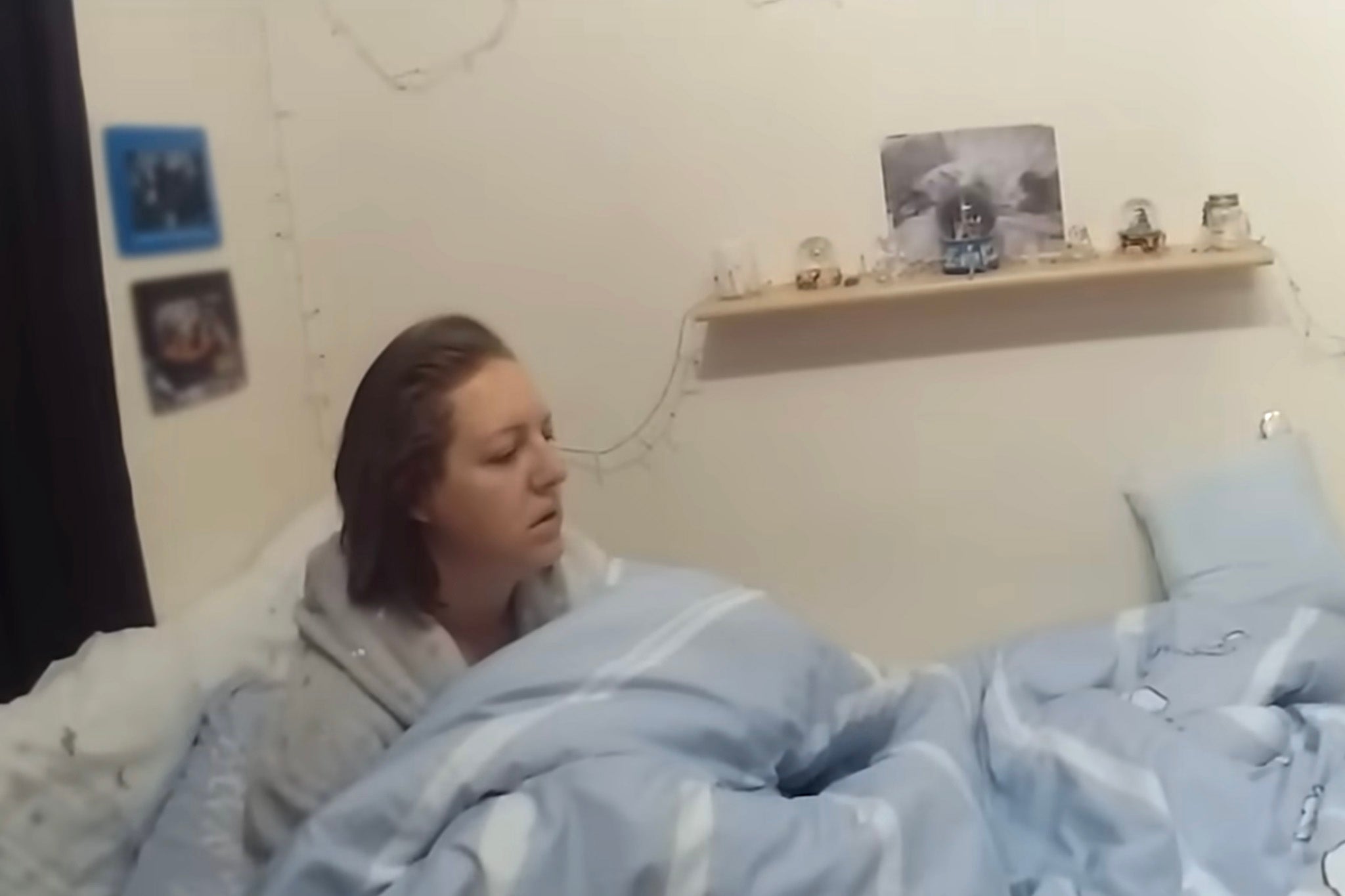
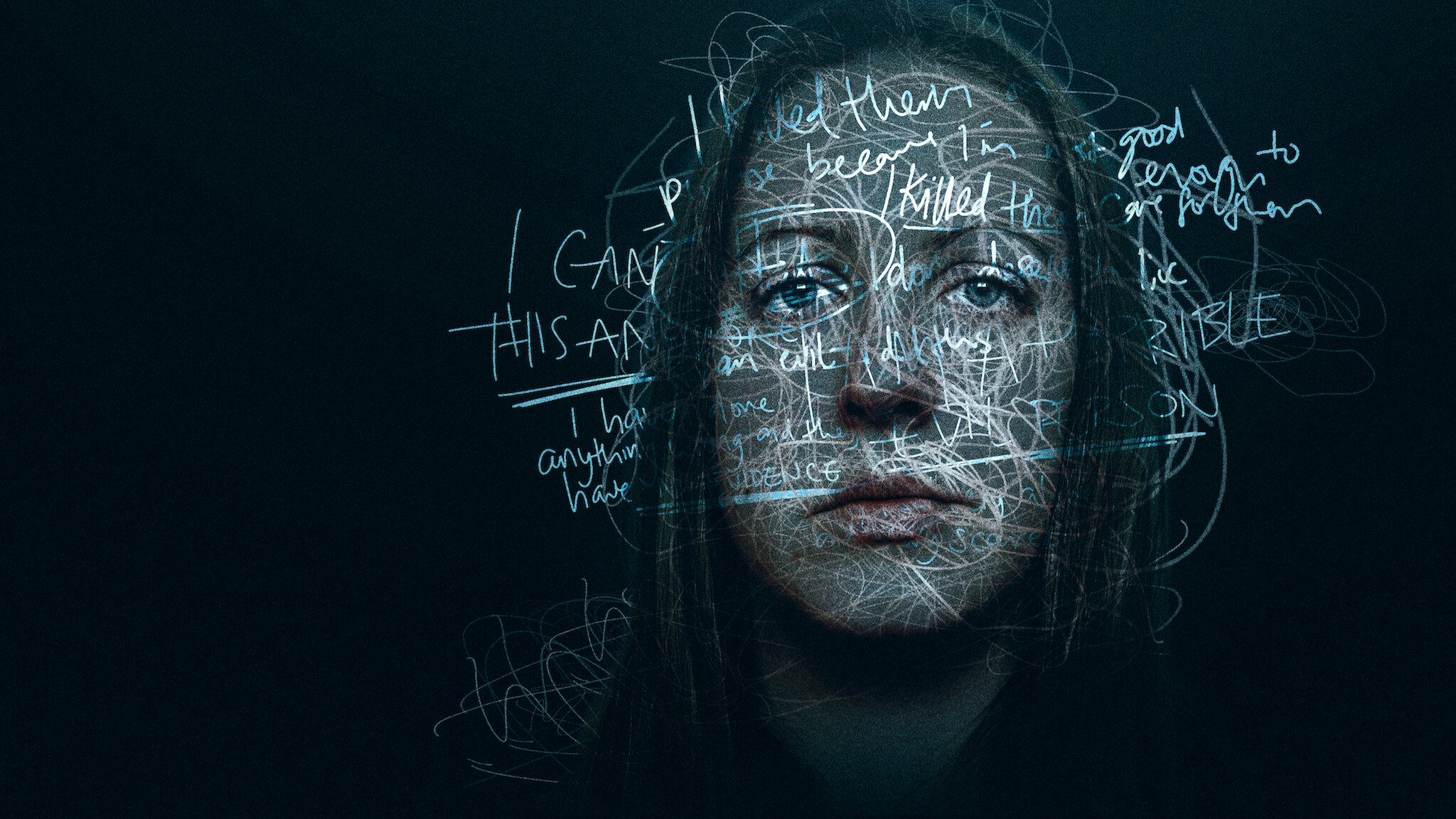
The Lucy Letby case, involving the murder and attempted murder of infants at the Countess of Chester Hospital, is one of the most complex legal proceedings in British history. By 2026, the media landscape has evolved to a point where traditional "talking head" documentaries are frequently supplemented or replaced by AI-enhanced storytelling. The primary search for a "Lucy Letby Netflix documentary AI" typically refers to the streaming giant's use of sophisticated algorithms to reconstruct events where no video evidence exists.
In the Letby documentaries, AI is not merely a gimmick; it is a tool used to solve a fundamental production problem. Because the events took place in a high-security neonatal unit where filming was strictly prohibited, and because the identities of the victims (Children A through P) are protected by lifelong anonymity orders, producers have turned to Generative AI to create "representative" environments. This includes synthesized voiceovers for court transcripts and AI-generated imagery to visualize the complex medical data that formed the backbone of the prosecution's case.
Technical Implementation: How AI Reshapes the Narrative
The use of AI in high-profile documentaries like those featured on Netflix involves several distinct layers of technology. Understanding these is crucial for viewers to distinguish between historical fact and digital reconstruction.
Neural Voice Synthesis
In the Letby production, AI-driven voice cloning is used to read out the voluminous text messages and social media posts sent by Letby during the period of the crimes. Unlike traditional voice acting, these models are trained on the specific cadence of regional dialects to provide a more "authentic" feel to the narrative. However, this has led to questions about the "uncanny valley" effect, where the emotional weight of a message may be artificially amplified by the AI’s delivery.
Data Visualization and Algorithmic Mapping
The prosecution’s case relied heavily on a "staffing grid"—a complex chart showing that Letby was the only nurse on duty during every suspicious collapse. In 2026, Netflix documentaries use AI to animate these grids into interactive 3D models. These algorithms process thousands of pages of shift patterns and medical logs to create a visual representation of "probability density," making the statistical evidence more digestible for a lay audience.
Generative Backgrounds and Anonymity
To comply with UK court orders protecting the families, AI is used to "mask" individuals in archival footage. Rather than simple blurring, advanced Generative Adversarial Networks (GANs) replace faces with realistic, AI-generated features that maintain the original's lighting and movement but belong to no real person. This allows the documentary to maintain a cinematic quality without risking the exposure of protected identities.
Ethical Controversies Surrounding AI in True Crime
The integration of AI into the Letby case coverage has not been without significant pushback. The ethical landscape in 2026 is increasingly defined by the tension between "creative storytelling" and "factual integrity."
- The Risk of Emotional Manipulation: AI can be programmed to add subtle tremors or shifts in tone to a synthesized voice, potentially making a defendant sound more "guilty" or "calculated" than they appeared in actual court recordings.
- The Distortion of Evidence: Critics argue that AI-generated "recreations" of the neonatal unit may inadvertently include details that were not present in 2015 or 2016, leading to a distorted public perception of the physical environment.
- The "Hallucination" Factor: Generative AI is prone to "hallucinations"—creating details that look real but are entirely fabricated. In a case as sensitive as the Letby trial, even a minor AI-generated error in a medical diagram could lead to widespread misinformation.
Netflix has responded to these concerns by implementing "AI Disclosure Watermarks," which appear in the corner of the screen whenever a sequence contains more than 50% AI-generated content. This transparency is a direct result of the 2024 backlash against AI usage in documentaries like What Jennifer Did, which served as a catalyst for stricter industry standards.
Comparing Documentary Approaches to the Letby Case
The following table compares how different broadcasters and production styles have handled the Letby case through 2026, highlighting the specific role of AI and digital technology.
| Feature | BBC/ITV Traditional Docs | Netflix AI-Integrated Docs | Independent Investigative Series |
|---|---|---|---|
| Visual Style | Archival footage & interviews | AI-generated reconstructions | Focus on documents & data |
| Voiceovers | Professional voice actors | Neural AI voice synthesis | Original court audio (where legal) |
| Anonymity Tech | Standard pixelation/blurring | Deepfake-style facial masking | Silhouette/Shadow lighting |
| Narrative Focus | Social and systemic failure | Psychological profiling & data | Legal technicalities & appeals |
| Regulatory Body | Ofcom (UK Standards) | Global Internal Standards/EU AI Act | Varied / Self-regulated |
Regulatory Frameworks and Legal Compliance
In 2026, any documentary distributed in the UK or EU that utilizes AI must adhere to the EU AI Act and updated Ofcom guidelines. For the Lucy Letby documentary, this means that the production company must maintain a "Human-in-the-Loop" (HITL) protocol. This ensures that every AI-generated frame is reviewed by a factual researcher to prevent the technology from misrepresenting trial evidence.
Furthermore, the "Right to a Fair Trial" continues to impact how these documentaries are edited. Because Letby has launched various appeals (including the high-profile challenges in 2024 and 2025), the AI models must be updated to reflect the most current legal status of the case. If a specific piece of medical evidence is discredited on appeal, the AI-driven data visualizations must be removed or amended to avoid contempt of court.
The Impact on the Families and Public Perception
The most sensitive aspect of the "Lucy Letby Netflix documentary AI" discourse is the impact on the victims' families. The use of AI to recreate the sounds of a neonatal unit—including the alarms of medical monitors—has been described by some advocacy groups as "trauma-triggering."
However, proponents of the technology argue that AI allows for a level of detail that honors the complexity of the medical evidence. By 2026, viewers are more tech-literate, but the responsibility remains with the platform to ensure that the "spectacle" of AI does not overshadow the gravity of the crimes committed.
FAQs: Understanding the Lucy Letby AI Documentary
Is the Lucy Letby Netflix documentary entirely made by AI?
No. While the documentary utilizes AI for specific sequences—such as voice synthesis for court transcripts and background reconstructions—the core of the production consists of traditional interviews with investigators, medical experts, and journalists. The AI is a supplementary tool used where visual or audio evidence is naturally missing.
Are the AI voices in the documentary accurate?
The voices are "representative." They are generated using neural networks to match the age and regional accent of the individuals being quoted from court records. They are not the actual voices of the people involved, as recording is strictly prohibited inside UK courtrooms. Netflix includes a disclaimer for these synthesized segments.
Why does Netflix use AI instead of real actors for recreations?
AI is often more cost-effective and allows for greater flexibility in maintaining the anonymity of the victims. Using real actors in a neonatal setting can sometimes feel overly dramatized; AI allows for a more clinical, detached reconstruction that focuses on the placement of equipment and staff, which was central to the legal case.
Has the use of AI in this documentary been legally challenged?
As of 2026, there have been no successful legal challenges to the use of AI in the Letby documentary, provided that the "AI Disclosure" guidelines are followed. However, legal experts continue to debate whether AI reconstructions could prejudice potential future juries if further appeals or related charges are brought forward.
Can I opt-out of seeing AI-generated content on Netflix?
Some versions of the Netflix app have introduced an "Evidence Only" mode for true crime, which skips or replaces AI-generated artistic reconstructions with static text or original archival documents. This feature was developed in response to viewers who prefer a strictly journalistic presentation of criminal cases.
Does the AI analyze the evidence to suggest Letby's innocence or guilt?
The AI used in the documentary is generative and visual, not an "AI Judge." While it is used to visualize the prosecution's data, it does not have the capability to independently verify or litigate the evidence. The conclusion of the documentary remains grounded in the 2023 and 2024 jury verdicts.
Practical Recommendations for Viewers
When watching documentaries that utilize AI technology to cover sensitive cases like that of Lucy Letby, it is recommended to:
- Check for Disclaimers: Look for the "AI Generated" watermark, typically located in the top-right or bottom-left of the screen.
- Verify with Primary Sources: Cross-reference complex medical claims with official court summaries provided by the Judiciary of England and Wales.
- Consider the Context: Recognize that AI-synthesized voices are interpretations of text, not recordings of actual emotional outbursts or testimonies.
- Monitor Updated Legal Status: Use resources like the BBC News or The Guardian to ensure the documentary reflects the most recent 2026 legal rulings or appeal outcomes.
Image Gallery