How to Install Solar Panels in Ashburn: A Complete 2026 Guide
Installing solar panels in Ashburn, Virginia, involves a multi-stage process that includes conducting a site assessment, securing permits from the Loudoun County Department of Building and Development, and coordinating with Dominion En...
Installing solar panels in Ashburn, Virginia, involves a multi-stage process that includes conducting a site assessment, securing permits from the Loudoun County Department of Building and Development, and coordinating with Dominion Energy for grid interconnection. Homeowners must navigate local HOA regulations and leverage federal and state tax incentives to ensure a compliant, cost-effective transition to renewable energy.
Contents
Understanding Solar Feasibility in Ashburn, Virginia
Before beginning a solar installation, it is critical to evaluate whether your Ashburn property is a viable candidate for solar energy. Ashburn, located in Northern Virginia, receives an average of approximately 200 sunny days per year. While this is slightly lower than the national average, modern high-efficiency photovoltaic (PV) cells are designed to capture diffused light, making solar a productive investment in the Loudoun County climate.
Roof Orientation and Condition
The ideal roof for solar in Ashburn faces south, though east- and west-facing roofs are also highly productive. You must evaluate the structural integrity of your roof before proceeding. Most solar systems are warrantied for 25 years; if your roof is older than 15 years, it is often recommended to replace the roofing material simultaneously with the installation to avoid the high cost of removing and reinstalling panels later. In Ashburn’s planned communities, roof aesthetics and material matching are also considerations for neighborhood consistency.
The Role of HOAs in Ashburn
A significant portion of Ashburn residents live in communities governed by Homeowners Associations (HOAs), such as Ashburn Village, Ashburn Farm, or Brambleton. Under Virginia Code § 55.1-1820, HOAs are generally prohibited from banning solar panels. However, they are permitted to establish "reasonable restrictions" regarding the size, place, and manner of placement. Typically, this means an HOA might require panels to be low-profile or placed on the rear of the house. It is essential to submit an application to your HOA’s Covenants Committee or Architectural Review Board early in the planning phase.
Navigating Permits and Regulations in Loudoun County
Loudoun County has established specific regulatory pathways to ensure that solar installations meet safety and structural standards. As of 2026, the permitting process is largely digitized through the Loudoun County Land Management Information System (LandMARC).
Required Permits
To legally install solar panels in Ashburn, you generally need two primary types of permits:
- Building Permit: This ensures that your roof can handle the "dead load" (the weight of the panels and racking) and the "wind load" (uplift forces during storms).
- Electrical Permit: This covers the wiring, inverter installation, and the connection to your home’s main service panel.
Structural Requirements
Loudoun County inspectors require a structural analysis, often stamped by a professional engineer (PE). This analysis must confirm that the existing rafters or trusses can support the additional 3 to 4 pounds per square foot that a standard solar array adds. Given Ashburn’s susceptibility to occasional heavy snow and high-wind events, the racking system must be rated to meet local building codes for these specific environmental stressors.
The Step-by-Step Installation Process
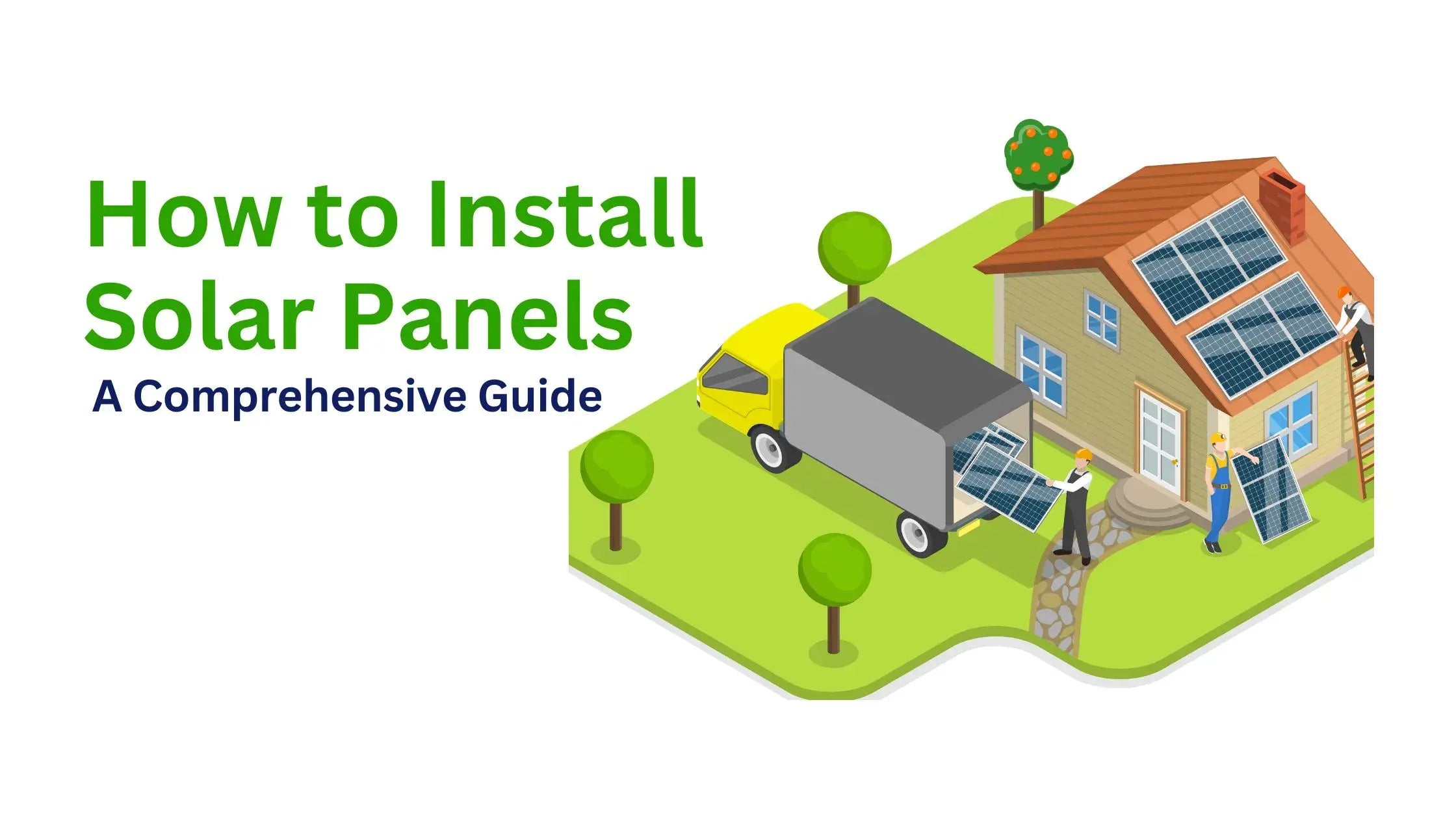
Once the feasibility study and initial permitting are underway, the physical and technical installation follows a specific sequence. While some homeowners consider DIY kits, the complexity of high-voltage electrical work and the requirements for utility interconnection usually necessitate a licensed Virginia Class A contractor.
Step 1: Site Assessment and Engineering
A technician will perform a detailed shading analysis using tools like a Solar PathFinder or digital LIDAR mapping. This determines if nearby trees or structures will significantly impact energy production. Following the assessment, an electrical engineer will design a single-line diagram (SLD) showing how the panels, inverters, and meters will interact.
Step 2: Equipment Procurement
In 2026, the market offers various tiers of equipment. Most Ashburn installations utilize monocrystalline silicon panels due to their high efficiency and sleek black appearance, which often satisfies HOA aesthetic requirements better than blue polycrystalline alternatives.
Step 3: Mechanical Installation (Racking and Panels)
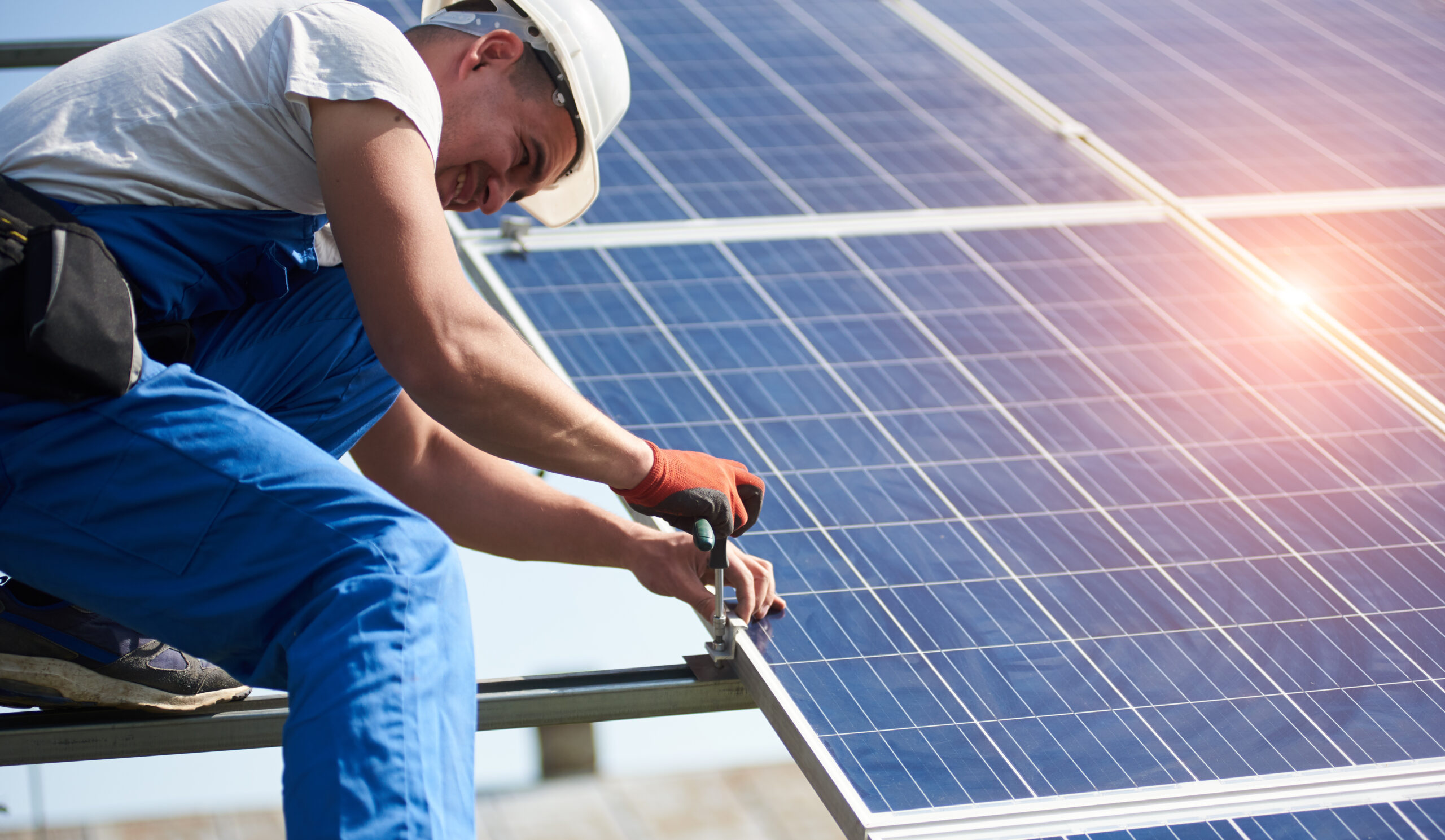
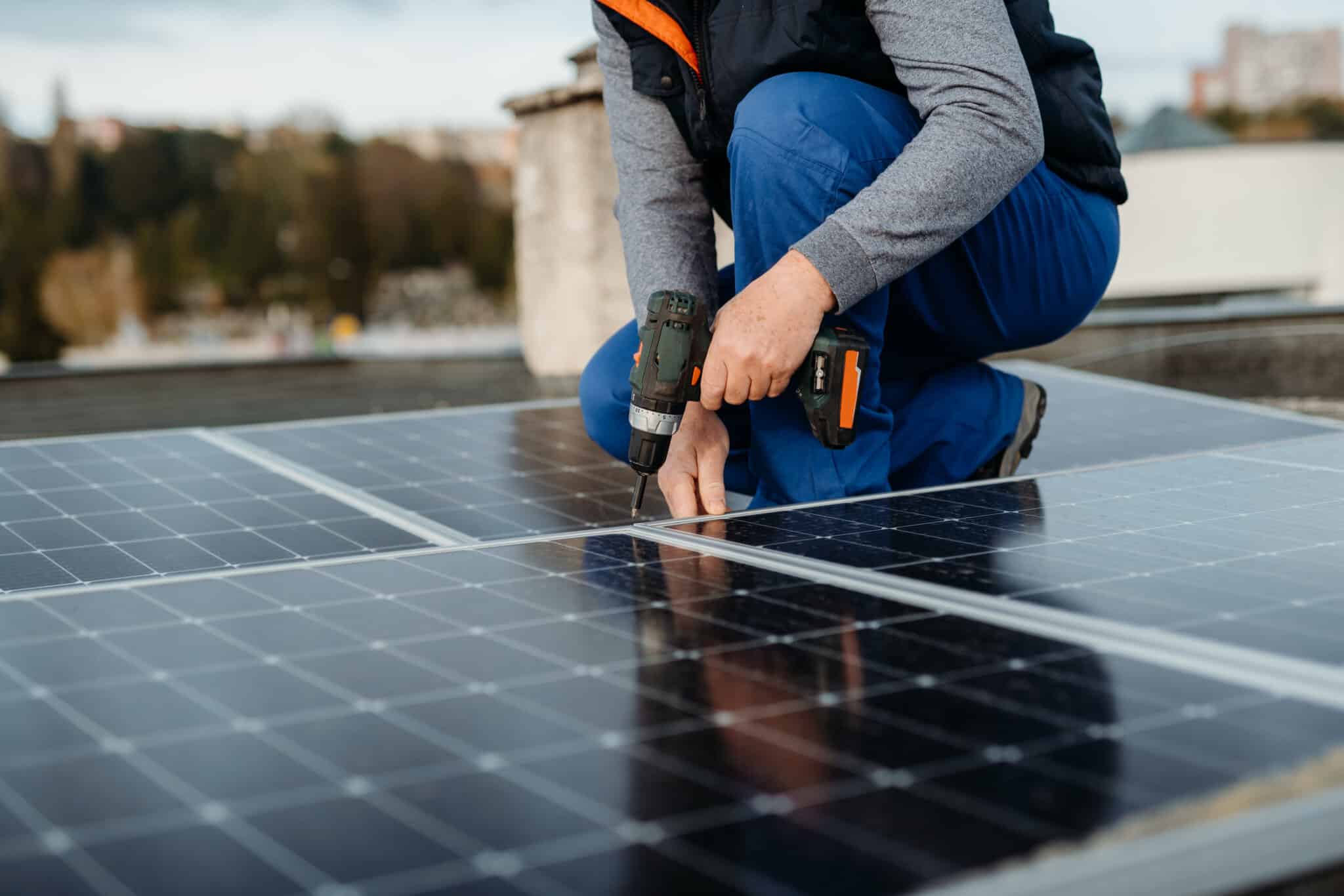
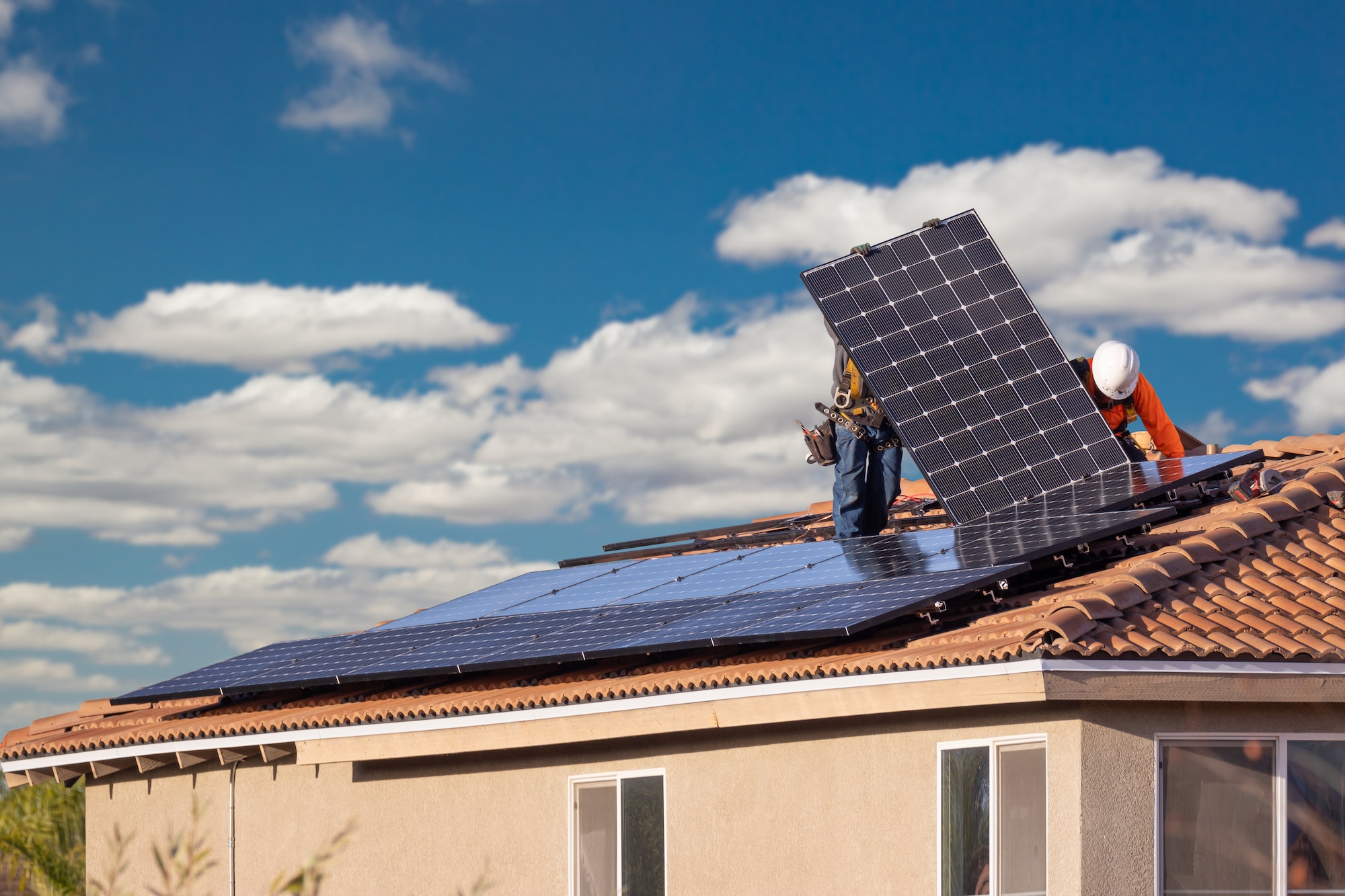
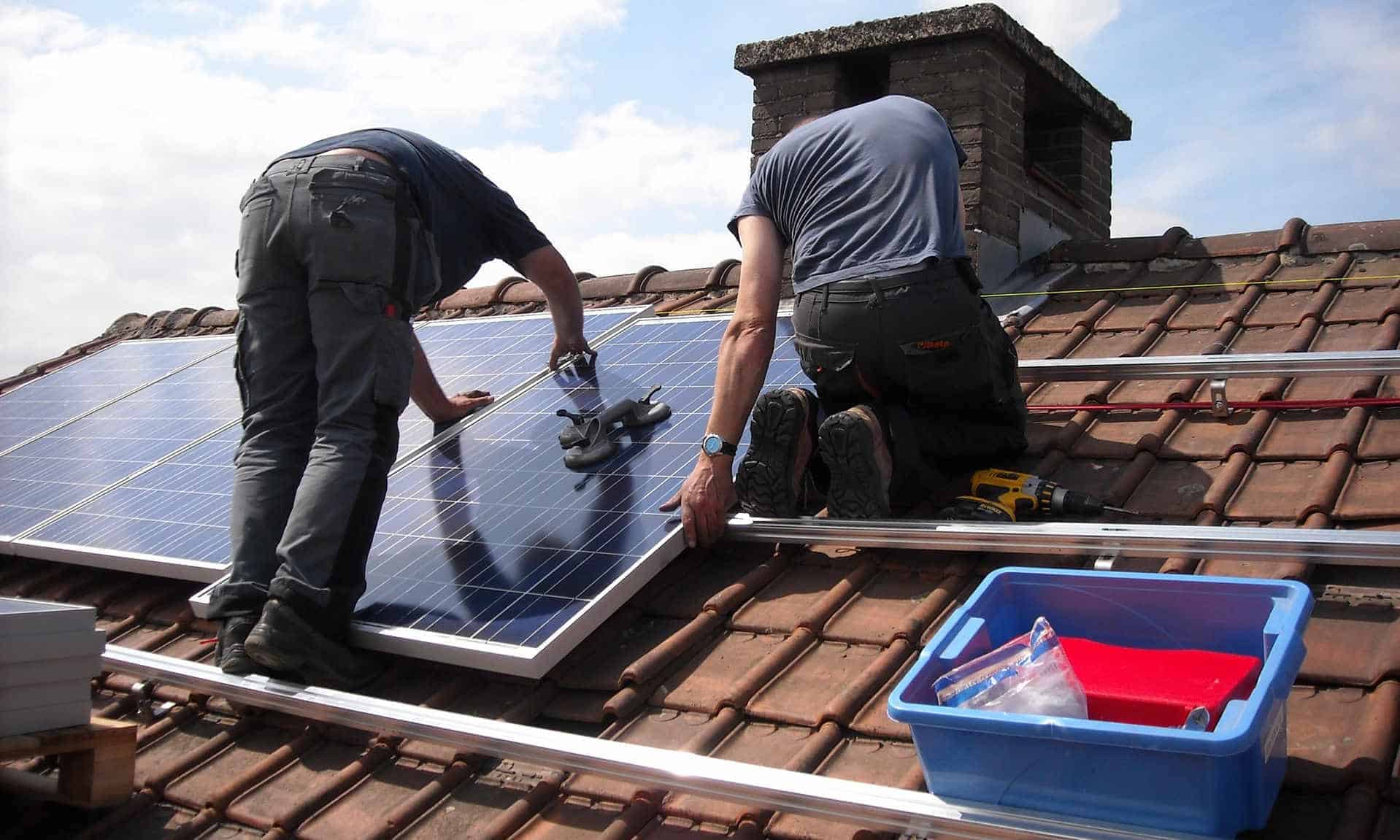
The installation begins with the attachment of "flashing" and "mounts" to the roof rafters. These are designed to be water-tight. Next, the aluminum racking rails are leveled and secured. The solar panels are then clamped to these rails. It is vital to ensure a "clearance zone" is maintained around the edges of the roof to comply with fire safety codes, allowing firefighters to walk on the roof in an emergency.
Step 4: Electrical Wiring and Inverter Setup
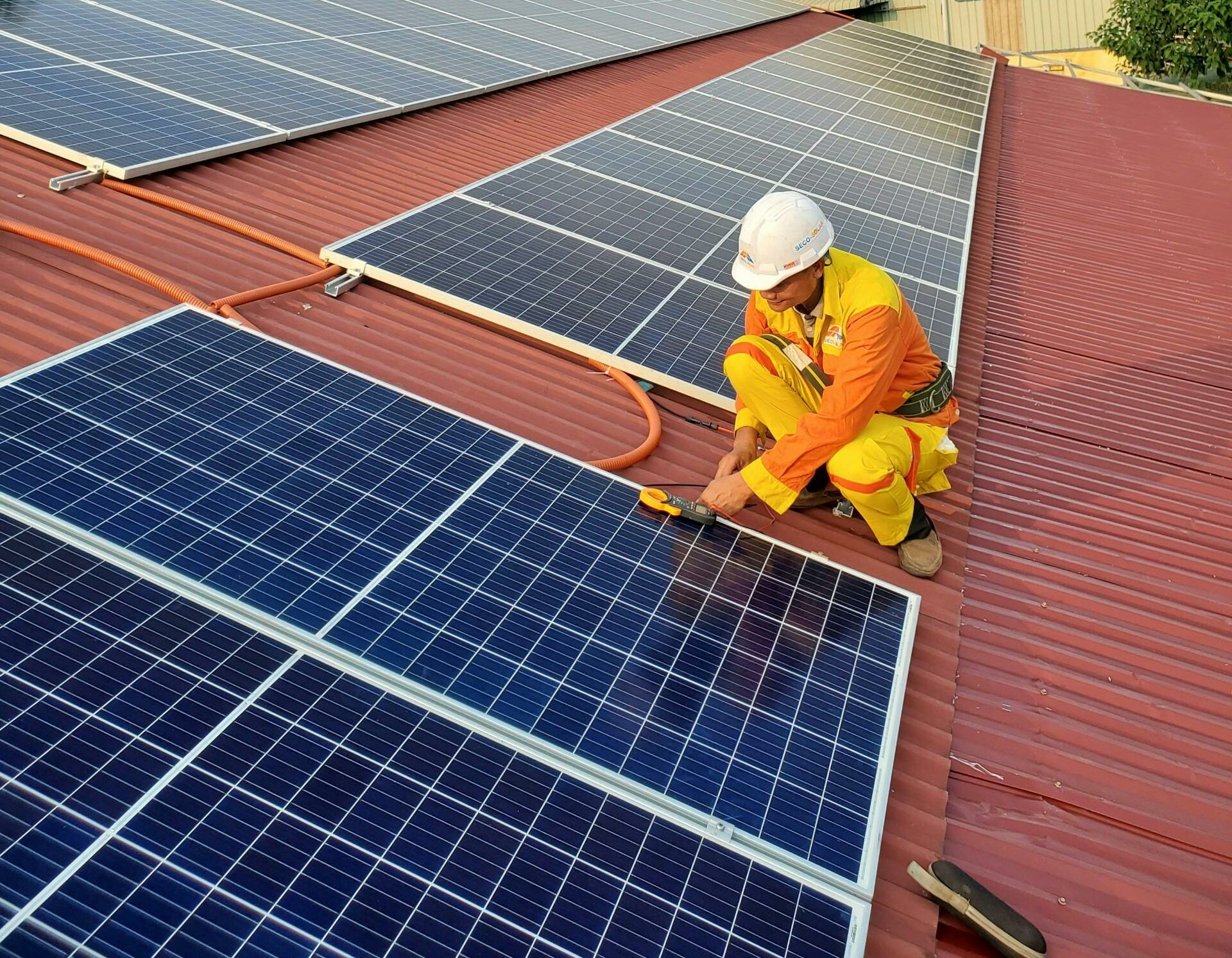
The DC (direct current) electricity produced by the panels must be converted to AC (alternating current) for home use. Most modern Ashburn homes utilize microinverters (mounted behind each panel) or string inverters with optimizers. Microinverters are particularly popular in Ashburn because they mitigate the impact of partial shading from chimneys or gables.
Step 5: Final Inspection and Interconnection
After the physical installation is complete, a Loudoun County inspector must visit the site to "sign off" on the permits. Once the county approves, the final step is Permission to Operate (PTO) from Dominion Energy. Dominion will replace your standard electrical meter with a "net meter," which tracks electricity flowing both into and out of the grid.
Costs, Incentives, and Financing in 2026
The financial landscape for solar in Northern Virginia has evolved, with several incentives making the transition more accessible for residential homeowners.
| Feature | Description | Estimated Impact (2026) |
|---|---|---|
| Federal Investment Tax Credit (ITC) | A direct reduction in federal income tax liability. | 30% of total system cost |
| Virginia SRECs | Solar Renewable Energy Certificates sold to utilities. | ~$30-$60 per MWh produced |
| Property Tax Exemption | Loudoun County exemption on the added value of solar. | Varies by assessment |
| Net Metering | Credit for excess energy sent back to the grid. | 1:1 credit on utility bill |
Federal and State Incentives
The Federal Residential Clean Energy Credit remains a cornerstone of solar financing in 2026, allowing homeowners to deduct 30% of the entire installation cost from their federal taxes. Furthermore, Virginia’s Clean Economy Act has fostered a market for SRECs. For every megawatt-hour (MWh) of electricity your system generates, you earn one credit that can be sold on an open market, providing an ongoing revenue stream for the life of the system.
Local Property Tax Relief
Loudoun County offers a partial or full exemption from real estate taxes on the value that a solar energy collection and storage system adds to a property. This ensures that while your home value increases, your tax bill does not rise proportionally due to the solar upgrade.
Choosing the Right Equipment and Solar Installer
Selecting a contractor in the Ashburn area requires due diligence. Because Northern Virginia is a competitive market, residents should look for installers with specific certifications and local experience.
NABCEP Certification
Ensure your lead installer is certified by the North American Board of Certified Energy Practitioners (NABCEP). This is the gold standard for renewable energy professionals and ensures the team understands the latest safety protocols and technical standards.
Battery Storage Integration
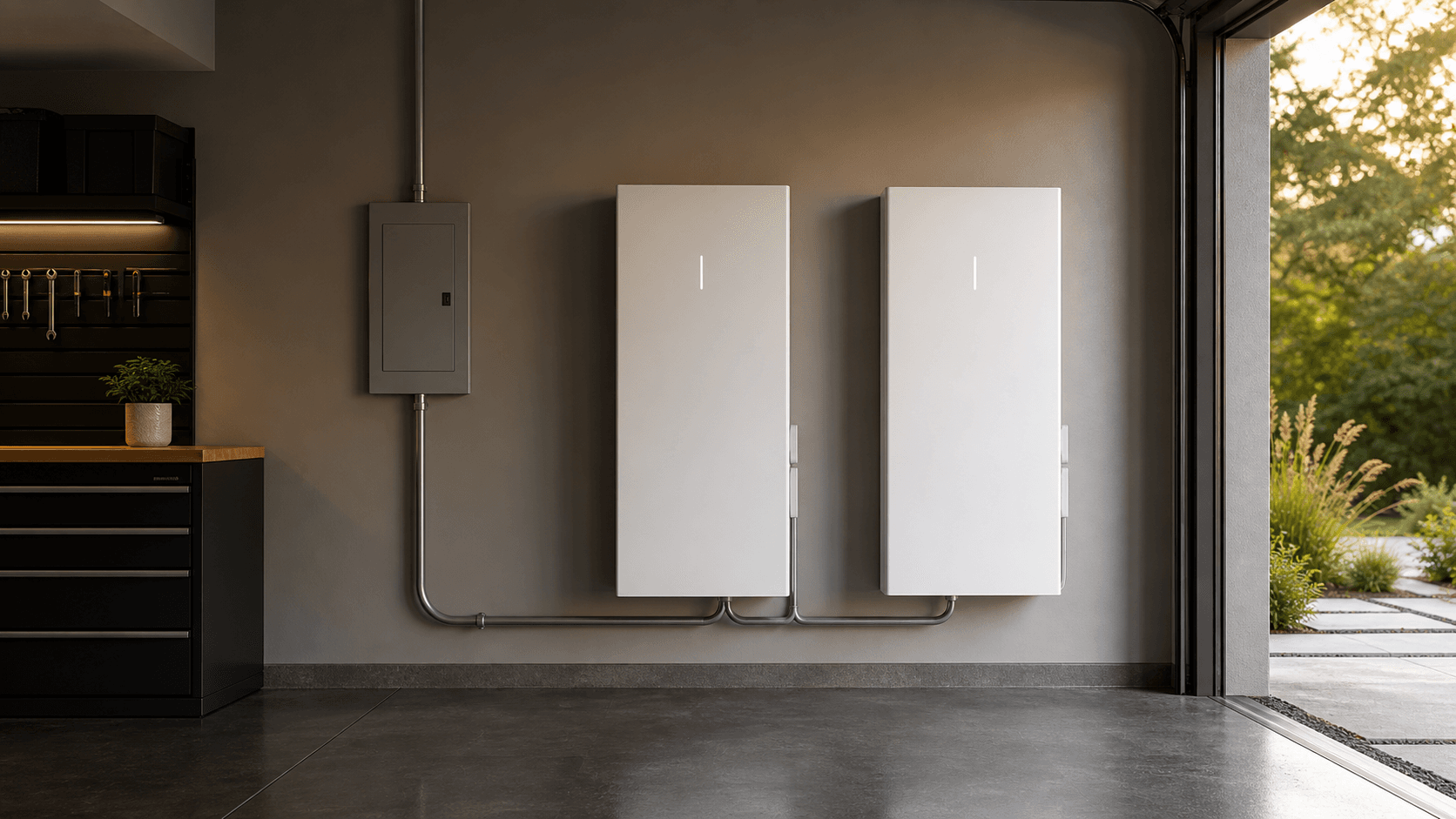
As of 2026, many Ashburn residents are opting for hybrid systems that include battery storage (e.g., Tesla Powerwall or Enphase IQ Battery). These systems provide backup power during grid outages—a frequent concern during Virginia’s summer storm season—and allow for "time-of-use" optimization, where you use stored solar power when utility rates are highest.
Frequently Asked Questions
Do I need to clean my solar panels in Ashburn?
Generally, no. Ashburn receives enough annual rainfall to naturally wash away dust and pollen. However, if your home is near a heavy construction site or under dense tree cover, a light rinsing with a garden hose once or twice a year can help maintain peak efficiency. Never use abrasive chemicals or pressure washers, as these can damage the anti-reflective coating on the glass.
How long does the installation process take from start to finish?
The physical installation of the panels usually takes only 1 to 2 days. However, the entire process—including site assessment, HOA approval, Loudoun County permitting, and Dominion Energy interconnection—typically takes between 3 to 5 months. The permitting and utility approval phases are the most time-consuming segments.
Will solar panels damage my roof?
If installed correctly by a licensed professional, solar panels actually protect the portion of the roof they cover by shielding it from UV radiation and direct weather impact. The mounting brackets are sealed with industrial-grade flashing to prevent leaks. Most reputable Ashburn installers provide a 10-year workmanship warranty specifically covering roof penetrations.
What happens if I want to sell my Ashburn home after installing solar?
Studies consistently show that solar panels increase home resale value in Northern Virginia. In a market like Ashburn, where tech-savvy buyers value sustainability and low operating costs, a solar-equipped home is often more attractive. It is important to keep all documentation regarding the 25-year warranty and the SREC registration to transfer to the new owner.
Can I install solar panels myself in Loudoun County?
While Virginia law does not strictly prohibit a homeowner from performing their own electrical work on their primary residence, it is highly discouraged for solar. You must still pass all Loudoun County inspections and meet Dominion Energy’s technical interconnection requirements. Most DIYers find it difficult to secure the necessary engineer-stamped drawings required for the permitting process.
Practical Recommendation
To begin your solar journey in Ashburn, your first action should be to collect the last 12 months of your Dominion Energy bills to determine your average annual kilowatt-hour (kWh) usage. Use this data to request quotes from at least three local installers. Ensure that each quote includes a detailed "shading report" and a breakdown of the estimated SREC earnings. Before signing any contract, verify the installer’s license via the Virginia Department of Professional and Occupational Regulation (DPOR) to ensure they are authorized to perform solar work in the Commonwealth.
Image Gallery