How Iris Diagnosis Guides Treatment in Holistic Medicine
Iris diagnosis, or iridology, guides treatment by identifying genetic predispositions, systemic tissue integrity, and levels of inflammation through the analysis of the iris's colors and patterns. Rather than diagnosing specific diseas...
Iris diagnosis, or iridology, guides treatment by identifying genetic predispositions, systemic tissue integrity, and levels of inflammation through the analysis of the iris's colors and patterns. Rather than diagnosing specific diseases, it allows practitioners to personalize wellness protocols—including nutrition, herbal medicine, and detoxification—by pinpointing a patient's unique constitutional strengths and underlying physiological imbalances.
Contents
Understanding Iridology as a Map of Internal Health
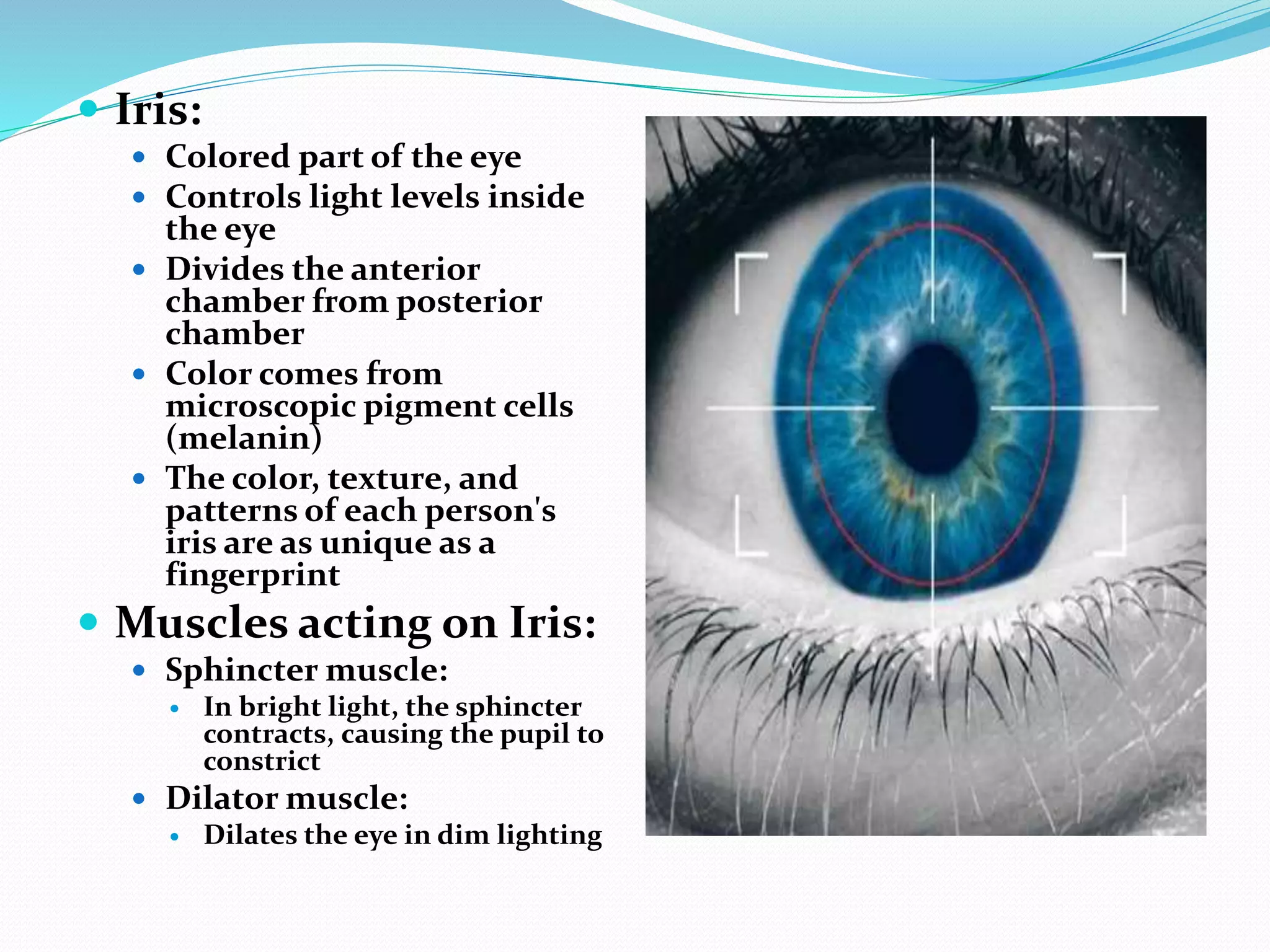
In the field of holistic health, the iris is viewed as a complex topographical map of the human body. This practice, known as iridology, is based on the premise that the iris is connected to every organ and tissue of the body via the central nervous system. As nerve impulses travel through the optic nerve, they are thought to reflect the physiological status of various systems within the iris stroma.
By 2026, the integration of high-resolution digital iris photography and specialized software has refined how practitioners "read" these signs. Iris diagnosis does not function like a blood test or an MRI; it does not identify a specific pathogen or a named medical condition such as "type 2 diabetes" or "pneumonia." Instead, it identifies the functional capacity and metabolic efficiency of the body’s systems. This distinction is crucial for understanding how it guides treatment: it shifts the focus from symptom suppression to addressing the constitutional "roots" of health.
The Core Principles of Iris Assessment
The guidance of treatment begins with a systematic assessment of three primary factors: color, structure, and accumulation. Each of these provides a different layer of information that a naturopath or holistic practitioner uses to build a therapeutic strategy.
Iris Color and Chemistry
The base color of the iris (typically categorized as blue, brown, or mixed) indicates the patient’s constitutional type. For instance, a blue-eyed individual (lymphatic constitution) is viewed through a lens of potential lymphatic congestion and respiratory sensitivity. A brown-eyed individual (hematogenic constitution) is often assessed for blood composition and liver function. Changes in color—such as yellowish "over-lighting" or dark brown spots—indicate where metabolic waste or specific minerals may be accumulating, guiding the practitioner toward specific detoxification pathways.
Iris Structure and Fiber Density
The density of the iris fibers (the stroma) reflects what iridologists call "innate vitality." Densely packed, straight fibers suggest a resilient constitution that recovers quickly from illness. Conversely, loose, wavy fibers or the presence of "lacunae" (leaf-shaped openings in the fibers) indicate areas of inherent weakness or lower cellular energy. When a practitioner sees these openings in a specific "zone" (such as the area corresponding to the kidneys), treatment is guided toward nourishing and supporting that organ long before clinical symptoms appear.
The Three Primary Constitutional Types
To provide a structured approach to treatment, iridologists categorize patients into major constitutional groups. This classification determines the "baseline" for all subsequent health recommendations.
| Constitutional Type | Primary Iris Color | Predispositions | Treatment Focus |
|---|---|---|---|
| Lymphatic | Blue or Grey | Overactive immune system, mucus membrane issues, tonsil/appendix sensitivity. | Lymphatic drainage, alkalizing diet, avoiding dairy and refined flours. |
| Hematogenic | Pure Brown | Liver enzyme imbalances, blood mineral deficiencies, digestive sluggishness. | Liver support (Milk Thistle, Dandelion), B-vitamin supplementation, trace mineral intake. |
| Biliary (Mixed) | Hazel or Light Brown | Gallbladder congestion, hepatic stress, blood sugar fluctuations. | Bitter herbs for bile flow, consistent glycemic control, gastrointestinal lining repair. |
Identifying Tissue States and Inflammatory Stages
One of the most powerful ways iris diagnosis guides treatment is by identifying the stage of a condition. Iridology recognizes four stages of tissue activity: acute, sub-acute, chronic, and degenerative. These stages are visible through the brightness or darkness of the signs in the iris.
- Acute (White): This indicates hyper-activity or inflammation. If white fibers are visible in the lung zone, the treatment might involve cooling, anti-inflammatory herbs like Mullein or Pleurisy root to soothe the tissue.
- Sub-acute (Grey): This suggests a slight reduction in functional activity. The body is no longer mounting a vigorous inflammatory response, and treatment shifts toward stimulating the tissue to prevent stagnation.
- Chronic (Dark Grey/Brown): This represents a significant loss of function. Treatment at this stage requires deep tissue restoration and long-term nutritional support.
- Degenerative (Black): This indicates minimal vitality in the tissue. The guidance here is focused on palliative care, extreme detoxification, and intensive nutrient loading to preserve what function remains.
By identifying these stages, a practitioner avoids the mistake of "over-treating" a chronic condition with aggressive stimulants or "under-treating" an acute flare-up with gentle tonics.
Translating Iris Signs into Treatment Protocols
When a practitioner performs an iris analysis, they look for specific markings that act as "red flags" for systemic issues. These markings directly dictate the types of herbal formulas and dietary changes recommended.
The Autonomic Nerve Wreath (ANW)
The ANW is the circular border between the pupillary zone (digestion) and the ciliary zone (the rest of the body). If the ANW is "constricted" or jagged, it suggests the patient is in a state of high sympathetic nervous system stress (fight-or-flight). The treatment protocol would then prioritize nervine tonics like Skullcap or Ashwagandha and magnesium supplementation to relax the nervous system.
Radii Solaris
These are dark, radial lines that look like spokes on a wheel, usually originating from the pupillary center. In iridology, these represent "toxic channels" where toxins from a sluggish bowel are migrating to other parts of the body. If these lines reach the head area, the patient may complain of headaches or "brain fog." The treatment guidance here is clear: address the colon health first through fiber, probiotics, and bowel cleanses to clear the "source" of the toxicity.
Sodium/Cholesterol Ring
A white, opaque ring around the outer edge of the iris (the periphery) suggests a buildup of inorganic salts or cholesterol in the vascular system. This sign guides the practitioner to recommend cardiovascular support, such as Hawthorn berry, and a diet low in processed salts and oxidized fats, while increasing intake of essential fatty acids.
The Role of Digestive Health in Treatment Guidance
In iridology, the area immediately surrounding the pupil represents the stomach and intestines. This is considered the "hub" of the body's health. Treatment almost always begins here because the iris often shows that peripheral issues (like skin rashes or joint pain) are secondary to malabsorption or "leaky gut" visible in the pupillary zone.
If the area around the pupil is heavily discolored (orange or dark brown), it indicates enzyme deficiencies or fermentation. The treatment path involves digestive enzymes, hydrochloric acid support (if appropriate), and bitter herbs. By focusing on the "center" of the iris first, practitioners ensure that the nutrients required for the rest of the body's healing can actually be absorbed.
Limitations and Integration with Modern Medicine
It is essential to recognize that iris diagnosis is a functional assessment tool, not a medical diagnostic test. It cannot detect pregnancy, identify a specific virus, or determine if a tumor is malignant.
- Jurisdictional Limits: In many regions, iridology is practiced by Naturopathic Doctors (NDs) or Certified Iridologists. It is generally not recognized as a standalone diagnostic tool by the American Medical Association (AMA) or similar bodies in Europe.
- Professional Advice: Iris analysis should never replace standard medical screenings such as blood work, colonoscopies, or imaging. It is best used as a complementary tool to narrow down which clinical tests might be most relevant for a patient.
- Safety: The primary risk of iris diagnosis is "misdiagnosis by omission"—failing to identify a serious disease because the practitioner relied solely on the iris. Responsible practitioners use iridology to inform a broader holistic strategy while referring patients to primary care physicians for conventional diagnostics.
Practical Applications: A Case Study Example
Consider a patient presenting with chronic fatigue. A conventional approach might find "normal" blood panels. However, an iris analysis reveals:
- Loose fiber density in the adrenal zone (indicating low adrenal reserve).
- A heavy "Scurf Rim" (a dark ring on the outer edge), suggesting the skin—the "third kidney"—is not eliminating toxins efficiently.
- Contraction Furrows (concentric circles), indicating high levels of neuromuscular tension.
The Resulting Treatment Plan:
- Adrenal Support: Adaptogenic herbs (Rhodiola) to address the genetic predisposition for low energy.
- Skin Stimulation: Dry skin brushing and saunas to clear the "Scurf Rim" and take the burden off the internal organs.
- Stress Management: High-dose magnesium and meditation to "smooth out" the contraction furrows.
This personalized approach, guided by the iris, addresses the patient's unique constitution rather than applying a "one-size-fits-all" fatigue protocol.
FAQs
Can iridology see if I have cancer?
No, iridology cannot diagnose cancer or any other specific disease. It identifies tissue inflammation, congestion, and structural weaknesses. While it may show a "dark spot" or a "lacuna" in a specific organ zone, this only indicates that the area is metabolically compromised or genetically weak, not that a specific pathology is present.
How often should someone have an iris analysis?
For most individuals, a thorough iris analysis once a year is sufficient. Because the iris reflects constitutional traits (which are largely static) and chronic tissue changes (which move slowly), frequent check-ups are not necessary. However, if a patient is undergoing an intensive detoxification protocol, a follow-up after six months may show "healing lines" as the tissue integrity improves.
Does iris color change as we get healthier?
The base color of your iris (determined by genetics) does not change. However, the "over-lighting" (pigment deposits) can shift. For example, if a yellowish "tint" over the blue fibers is caused by a sluggish lymphatic system, and the patient successfully cleanses their system, the yellow may fade, revealing the clear blue fibers beneath. This is often interpreted as a sign of successful treatment.
Is iris diagnosis the same as an eye exam?
No. An eye exam performed by an optometrist or ophthalmologist focuses on vision and the health of the eye structures (like the retina or lens). An iris diagnosis (iridology) focuses on the patterns of the iris as a reflection of systemic health throughout the rest of the body. They are entirely different practices with different goals.
Practical Recommendation for Next Actions
If you are interested in using iris diagnosis to guide your health journey, the first step is to locate a Certified Iridologist or a Naturopathic Doctor who specializes in constitutional iridology. Ensure they use a high-resolution iris camera rather than a simple magnifying glass, as digital imaging allows for a much more accurate assessment of fiber density and minute pigments. Use the findings from your iris analysis not as a final word on your health, but as a "roadmap" to prioritize which lifestyle changes, dietary adjustments, and supplements will provide the most significant benefit for your unique body type.
Image Gallery