The Henry Flagler Family Net Worth Explained
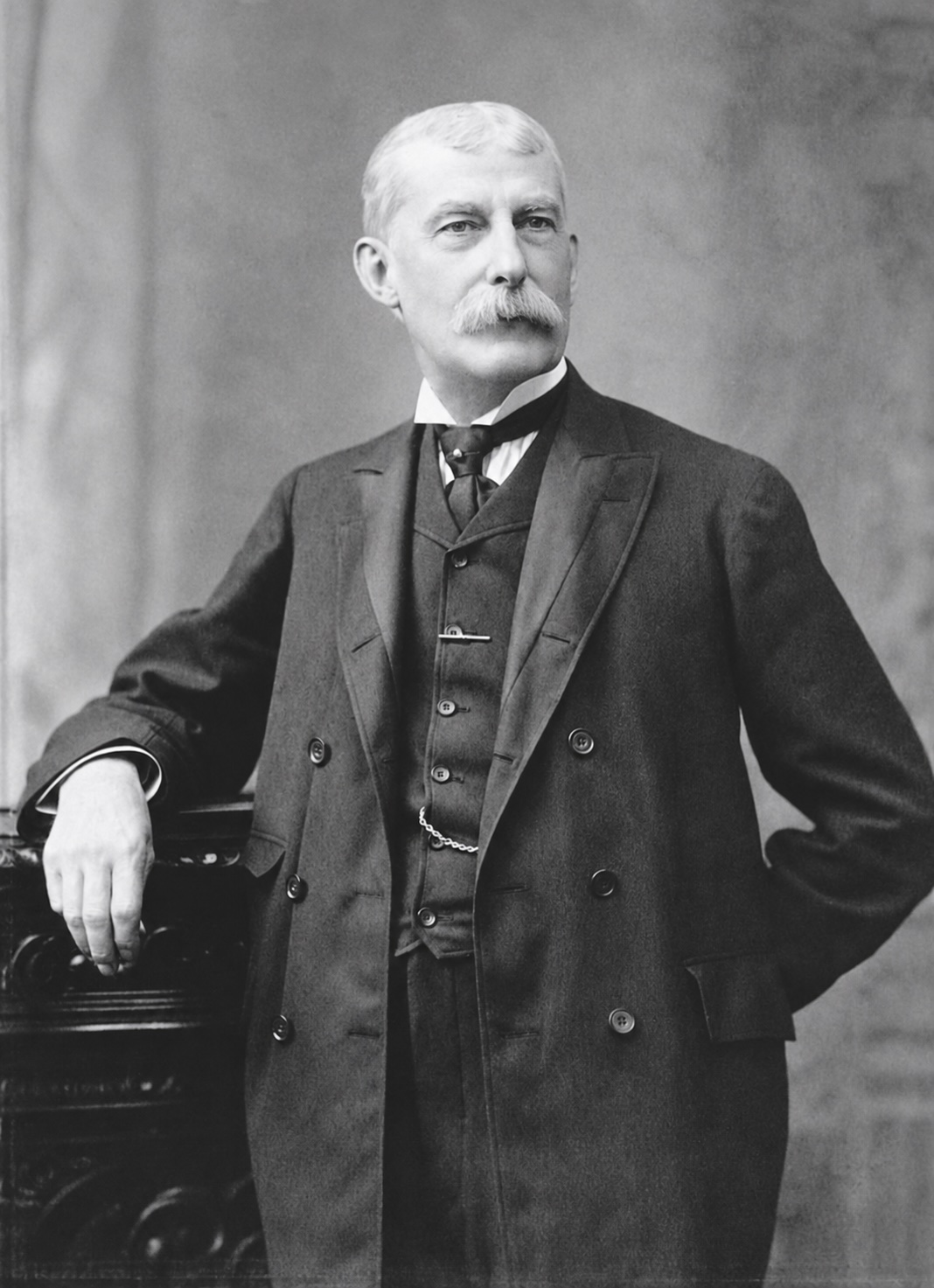
Henry Flagler, the co-founder of Standard Oil and the visionary developer of modern Florida, left behind a financial legacy that is complex to calculate by modern standards. At the time of his death in 1913, Henry Flagler’s net worth w...
Henry Flagler, the co-founder of Standard Oil and the visionary developer of modern Florida, left behind a financial legacy that is complex to calculate by modern standards. At the time of his death in 1913, Henry Flagler’s net worth was estimated to be between $60 million and $100 million, which equates to approximately $2 billion to $3.5 billion in 2026 when adjusted for inflation and relative economic power.
Contents
Unlike many Gilded Age dynasties, the Flagler fortune did not remain concentrated within a single direct lineage for generations. Instead, due to the specific terms of Flagler’s will and the subsequent death of his third wife, Mary Lily Kenan, the bulk of the wealth transitioned into the Kenan family and various charitable trusts. This transition effectively ended the "Flagler" name's association with massive private liquidity, though the infrastructure he built continues to underpin the Florida economy.
The Origins of Henry Flagler’s Wealth: The Standard Oil Foundation
To understand the Henry Flagler family net worth, one must first look at the source of his capital: Standard Oil. In 1870, Flagler, along with John D. Rockefeller and Samuel Andrews, incorporated the Standard Oil Company. While Rockefeller is often the face of the organization, Rockefeller himself famously stated that the "Standard Oil fortune was as much Henry Flagler’s as it was mine."
Flagler was the architect of the "system" that allowed Standard Oil to dominate the industry. He pioneered the use of corporate rebates from railroads, which lowered transportation costs for Standard Oil while making it impossible for competitors to keep pace. By the mid-1880s, Flagler held a significant equity stake in the company—roughly 16% at its peak. As the company grew into a global monopoly, Flagler’s personal wealth skyrocketed, providing him with the "dry powder" necessary to embark on his second career: the development of the Florida frontier.
The Florida East Coast Railway and Real Estate Empire
In the 1880s, Flagler turned his attention toward Florida, which at the time was a largely inaccessible wilderness. He began purchasing small, struggling railroads and consolidating them into the Florida East Coast Railway (FEC). This was not merely a transportation project; it was a vertical integration strategy.
Flagler’s investment model followed a specific pattern:
- Transport: Build the railroad to reach a new southern point.
- Hospitality: Construct a world-class luxury hotel (such as the Ponce de Leon in St. Augustine or the Royal Poinciana in Palm Beach) to create a destination.
- Real Estate: Buy up the surrounding land, which would skyrocket in value once the wealthy elite from the North arrived via his trains to stay in his hotels.
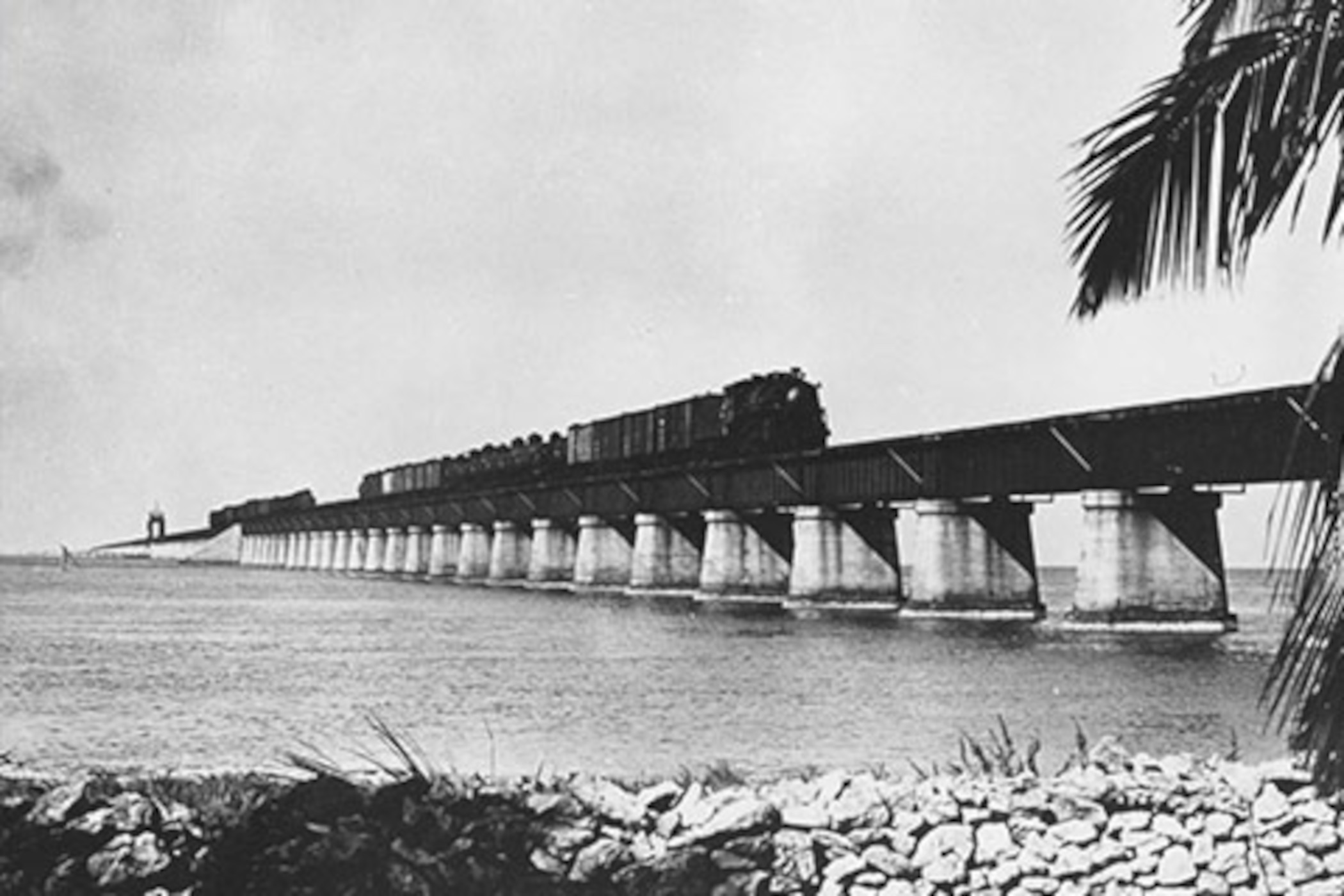
This "Flagler System" required immense capital. Between 1885 and 1912, Flagler invested approximately $50 million of his own money into Florida—a staggering sum that represented nearly half of his liquid net worth. His final and most ambitious project, the "Overseas Railroad" to Key West, cost nearly $20 million alone and was often referred to as "Flagler's Folly" before its successful completion in 1912.
Measuring the Flagler Fortune: Historical Context and 2026 Valuation
Estimating the Henry Flagler family net worth requires distinguishing between historical book value and modern economic power. In 1913, $100 million was an almost incomprehensible sum. To put this in perspective, the entire federal budget of the United States in the early 1900s was frequently less than $1 billion.
| Financial Metric | Historical Value (1913) | Estimated 2026 Equivalent |
|---|---|---|
| Total Estimated Net Worth | $100 Million | $3.5 Billion |
| Standard Oil Equity | ~$40 Million | $1.4 Billion |
| Florida Infrastructure Investment | $50 Million | $1.75 Billion |
| Whitehall (Palm Beach Estate) | $4 Million | $140 Million |
| Yearly Income (Estimated) | $5 Million | $175 Million |
While $3.5 billion in 2026 terms might seem modest compared to the "centibillionaires" of the tech era, Flagler’s wealth was much more significant in terms of its "prestige power." He owned the infrastructure of an entire state, a level of control that few modern billionaires can claim over a specific geographic region.
The Inheritance and the Kenan Connection
The distribution of the Flagler fortune is where the "family net worth" narrative diverges from other industrialist families like the Rockefellers or Mellons. Henry Flagler had three wives and three children, but only one son, Harry Harkness Flagler, survived into adulthood with a lasting legacy. However, due to a strained relationship, Harry did not inherit the bulk of the business empire.
The Will of Henry Flagler
Upon his death in 1913, Flagler left the majority of his estate to his third wife, Mary Lily Kenan. This included his shares in the Florida East Coast Railway, the hotel companies, and his remaining Standard Oil stock. Harry Harkness Flagler received a smaller, though still substantial, inheritance of roughly $5 million (approximately $175 million in 2026 dollars), which he used to become a major patron of the arts, particularly the New York Philharmonic.
The Mary Lily Kenan Legacy
Mary Lily Kenan became the richest woman in the world overnight. However, her tenure as the head of the Flagler fortune was short. She married Robert Worth Bingham and died under mysterious circumstances in 1917, just four years after Henry.
Because Mary Lily died without children, the "Flagler" money passed to her siblings: William Kenan Jr., Jessie Kenan Wise, and Sarah Graham Kenan. Consequently, what began as the Flagler fortune became the Kenan fortune. The Kenan family utilized this wealth to establish the William R. Kenan, Jr. Charitable Trust, which remains one of the most powerful philanthropic entities in the United States, particularly benefiting the University of North Carolina at Chapel Hill.
Modern Status: Where is the Money in 2026?
As of 2026, there is no single "Flagler billionaire" on the global rich lists. This is a result of three primary factors:
- Taxation: The implementation of the federal income tax in 1913 and the estate tax shortly thereafter prevented the unfettered compounding of the original Standard Oil wealth.
- Charitable Dissipation: A massive percentage of the wealth was moved into non-taxable foundations and trusts. The Flagler Museum in Palm Beach (Whitehall) and the Kenan Trust are the primary vehicles of the remaining assets.
- Divestment: Over the decades, the FEC Railway and the various hotel properties (now the Breakers Palm Beach, etc.) were sold or restructured into separate corporate entities. The Breakers remains a privately held asset, owned by the heirs of Mary Lily Kenan (the Kenan family), making it one of the few surviving tangible pieces of the original empire still in "family" hands.
The current descendants of the Kenan and Flagler lines are numerous and generally private. While many remain affluent, the wealth has been diluted across several generations and hundreds of heirs. The true "net worth" of the Flagler legacy today is found in the Florida skyline, the preserved historical sites, and the massive educational endowments that bear the names of Henry and his successors.
Frequently Asked Questions
Did Henry Flagler leave his money to his children?
Flagler left a significant sum to his son, Harry Harkness Flagler, but the vast majority of the estate went to his third wife, Mary Lily Kenan. This decision was influenced by Flagler’s desire to keep his Florida business interests unified under a single controlling interest rather than splitting them among multiple heirs.
How much would Henry Flagler be worth today?
In 2026, Henry Flagler's peak net worth would be valued at roughly $3.5 billion based on the Consumer Price Index. However, if calculated as a share of the total U.S. GDP—a common way to measure the "power" of historical fortunes—his wealth would likely exceed $20 billion.
Who owns the Florida East Coast Railway now?
The Florida East Coast Railway is no longer owned by the Flagler or Kenan families. After decades of corporate evolution and a period of ownership by the St. Joe Paper Company, it was eventually acquired by Grupo México. However, the passenger rail service known as Brightline operates on the historical FEC corridor, carrying on Flagler's original vision for high-speed transit in Florida.
Is the Flagler family still involved in Standard Oil?
No. Standard Oil was broken up by the Supreme Court in 1911 into 34 independent companies (which eventually became ExxonMobil, Chevron, and others). While Flagler held stock in these successor companies at the time of his death, those holdings were liquidated or distributed by his heirs and the Kenan Trust over the last century.
What happened to Flagler’s mansion, Whitehall?
Whitehall, the 73-room Gilded Age mansion in Palm Beach, was nearly demolished in the late 1950s. It was rescued by Henry Flagler’s granddaughter, Jean Flagler Matthews, who purchased the property and established the Henry Morrison Flagler Museum in 1959. It remains a major historical site and a repository of the family's history.
Final Recommendation for Researchers
For those seeking to verify specific asset distributions or the genealogical flow of the Flagler fortune, the most authoritative source is the Henry Morrison Flagler Museum archives in Palm Beach. Scholars should also consult the William R. Kenan, Jr. Charitable Trust annual reports, which detail how the remnants of the Flagler-Kenan wealth are deployed in the modern era. Understanding this net worth is less about tracking a single bank account and more about observing the transition of private industrial wealth into public and philanthropic infrastructure.
Image Gallery