Helena Personal Injury Attorney: Navigating Montana’s Legal Landscape
A Helena personal injury attorney provides essential legal representation for individuals harmed by the negligence of others, helping them secure compensation for medical expenses, lost income, and emotional distress. These professiona...
A Helena personal injury attorney provides essential legal representation for individuals harmed by the negligence of others, helping them secure compensation for medical expenses, lost income, and emotional distress. These professionals manage the complexities of Montana’s modified comparative negligence laws, navigate the 1st Judicial District Court system, and negotiate with insurance carriers to ensure victims receive a fair settlement or trial verdict.
Contents
The legal environment in Helena, Montana, is distinct due to its role as the state capital and the seat of Lewis and Clark County. For residents and visitors who suffer injuries—whether from a motor vehicle collision on Interstate 15, a slip and fall on a commercial property, or a complex medical malpractice incident—securing a local attorney is the first step toward recovery. In 2026, the process of litigating these claims requires a deep understanding of evolving insurance statutes and the specific procedural rules of the Montana judicial system.
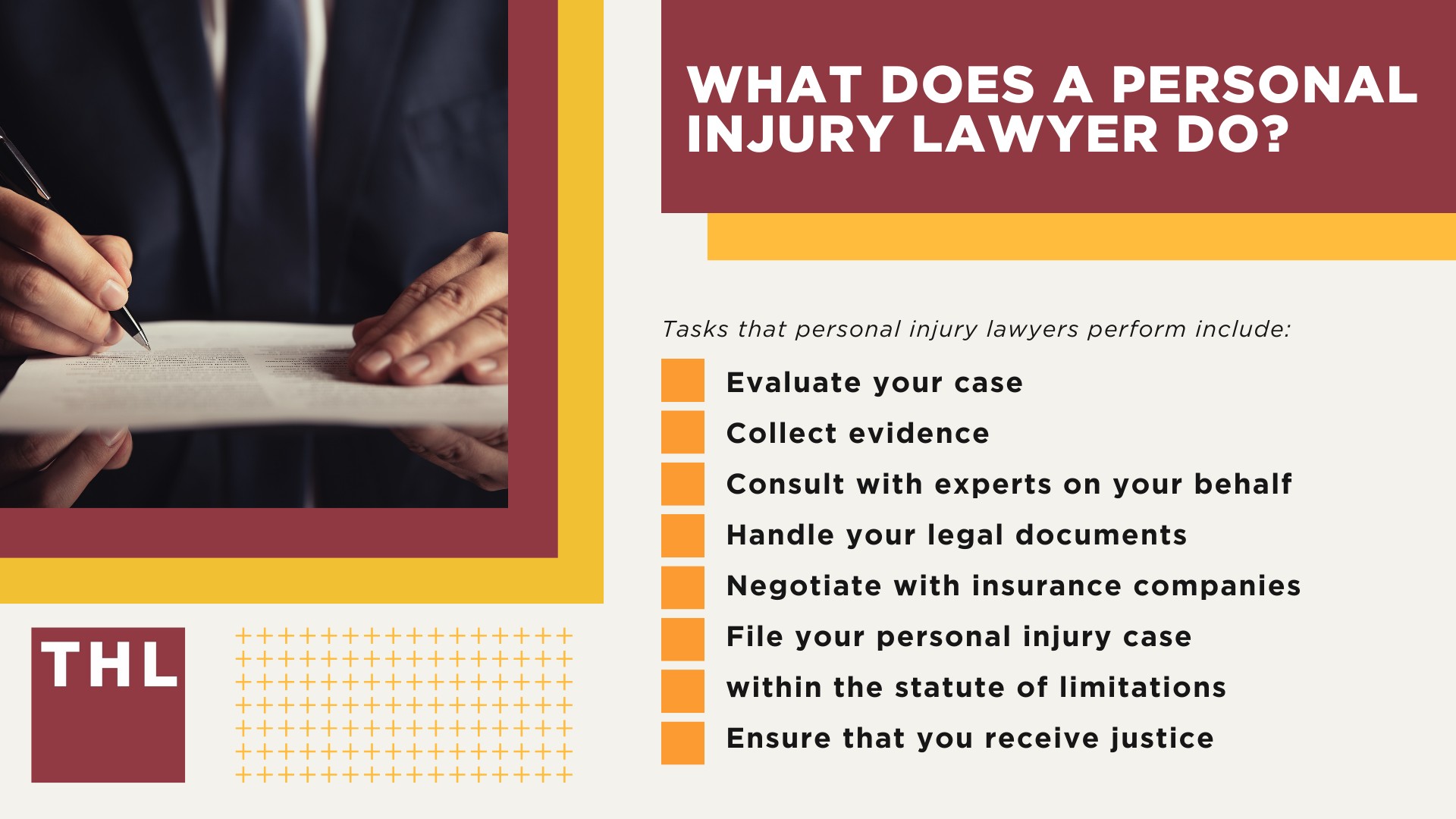
The Role of a Helena Personal Injury Attorney
A personal injury lawyer functions as both an advocate and a strategist. Their primary objective is to shift the financial burden of an accident from the victim to the party responsible for causing the harm. This process is multi-faceted, beginning with a comprehensive investigation and ending with either a negotiated settlement or a court judgment.
Investigation and Evidence Gathering
The foundation of any successful injury claim is evidence. In Helena, attorneys work with local accident reconstruction experts, medical professionals, and investigators to document the scene and the extent of the damages. This involves securing police reports from the Helena Police Department or the Montana Highway Patrol, obtaining video surveillance from nearby businesses, and interviewing witnesses. Because Montana follows specific rules regarding the preservation of evidence, an attorney acts quickly to issue "spoliation letters," which legally prevent defendants from destroying relevant data like trucking logs or maintenance records.
Navigation of Montana Insurance Law
Montana is unique in its application of the "Made Whole" doctrine. This legal principle dictates that an insurance company cannot seek reimbursement (subrogation) for benefits paid until the injured party has been fully compensated for all their losses. A Helena personal injury attorney ensures that insurance companies do not prematurely siphon off settlement funds that the victim needs for future care. Furthermore, attorneys handle "Bad Faith" claims if an insurer fails to settle a claim in a timely and fair manner, a protection strengthened by Montana’s Unfair Trade Practices Act.
Understanding Montana’s Negligence Standards
In 2026, Montana continues to operate under a modified comparative negligence system, specifically the "51% Bar Rule." This is a critical concept that every claimant in Helena must understand, as it directly impacts the ability to recover damages.
Under Montana Code Annotated (MCA) § 27-1-702, a plaintiff can recover damages only if their responsibility for the accident is not greater than the combined negligence of the defendants. If a jury determines that you are 20% at fault for an accident (perhaps for speeding slightly) and the other driver is 80% at fault, your total compensation will be reduced by 20%. However, if you are found to be 51% or more at fault, you are barred from recovering any compensation whatsoever.
A skilled attorney focuses heavily on this area of the law. By meticulously proving the defendant’s higher degree of fault, they protect the client’s right to a payout. This involves analyzing traffic patterns at busy Helena intersections like Montana Avenue and Euclid Avenue, where liability is often contested in multi-vehicle collisions.
Common Types of Personal Injury Claims in Helena
While "personal injury" is a broad term, specific categories of cases are more prevalent in the Helena area. Each requires a different strategic approach and specialized knowledge.
Motor Vehicle Accidents
With the proximity of Interstate 15 and U.S. Highway 12, high-speed collisions are a significant concern. These cases often involve complex insurance layers, including Underinsured Motorist (UIM) and Uninsured Motorist (UM) coverage. In 2026, Helena attorneys also deal with the increasing complexity of semi-truck accidents, which require knowledge of Federal Motor Carrier Safety Administration (FMCSA) regulations.
Premises Liability (Slip and Fall)
Helena’s harsh winters lead to numerous slip-and-fall incidents due to ice and snow accumulation. Property owners have a legal duty to maintain safe premises for visitors. Establishing liability in these cases involves proving that the owner knew, or should have known, about the hazardous condition and failed to remedy it.
Medical Malpractice
As home to major medical facilities like St. Peter’s Health, Helena is a hub for healthcare. When a medical professional deviates from the accepted standard of care, the resulting injuries can be catastrophic. These cases are particularly challenging due to the Montana Medical Legal Panel requirement, which mandates that claims be reviewed by a panel before a lawsuit can be filed in District Court.
The Statute of Limitations in Montana
Time is a critical factor in personal injury litigation. The statute of limitations is a law that sets the maximum time after an event within which legal proceedings may be initiated. Failing to file within this window permanently bars the victim from seeking compensation.
| Case Type | Montana Statute of Limitations | Relevant Code Section |
|---|---|---|
| General Personal Injury | 3 Years | MCA § 27-2-204 |
| Medical Malpractice | 3 Years (with discovery rule) | MCA § 27-2-205 |
| Wrongful Death | 3 Years | MCA § 27-2-204 |
| Claims Against Government | Short Notice Period (180 days) | MCA § 2-9-301 |
| Property Damage | 2 Years | MCA § 27-2-207 |
For claims against a government entity (such as the City of Helena or the State of Montana), the process is even more rigorous. A "Notice of Claim" must typically be filed within 180 days of the injury, highlighting the importance of immediate legal consultation.
Calculating Damages: What Your Claim is Worth
Valuing a personal injury claim involves more than just adding up medical bills. A Helena attorney categorizes damages into two primary types: economic and non-economic.
Economic Damages
These are measurable financial losses that can be documented with receipts and invoices. They include:
- Medical Expenses: Hospital stays, surgeries, physical therapy, and prescription medications.
- Lost Wages: Income lost during recovery and the loss of future earning capacity if the injury results in a permanent disability.
- Out-of-Pocket Costs: Modifications to a home or vehicle and transportation costs for medical appointments.
Non-Economic Damages
These represent the "human cost" of an injury and are more subjective. They include:
- Pain and Suffering: The physical pain endured due to the injury and subsequent treatments.
- Loss of Consortium: The impact of the injury on the victim’s relationship with their spouse or family.
- Emotional Distress: Anxiety, depression, or PTSD resulting from a traumatic accident.
In Montana, there are generally no caps on non-economic damages in standard personal injury cases. However, medical malpractice cases do have a cap on non-economic damages (typically $250,000), which underscores the need for an attorney who can maximize the economic portion of the claim.
The Legal Process: From Filing to Resolution
The journey of a personal injury case in Helena usually follows a structured sequence. Understanding these stages can help manage expectations during what is often a lengthy process.
- Initial Consultation: Most Helena injury firms offer a free consultation to evaluate the merits of the case and determine if a dynamic attorney-client relationship can be formed.
- Demand Package: After the victim reaches "Maximum Medical Improvement" (MMI), the attorney sends a formal demand letter to the insurance company outlining the facts, the liability, and the requested compensation.
- Litigation and Discovery: If a settlement cannot be reached, a lawsuit is filed in the 1st Judicial District Court. Both sides then engage in "discovery," exchanging documents, taking depositions, and hiring expert witnesses.
- Mediation: In 2026, many Helena judges require parties to attempt mediation before going to trial. A neutral third party helps both sides find a middle ground.
- Trial: If mediation fails, the case goes to trial. A jury or judge listens to the evidence and renders a verdict on liability and damages.
Why Local Helena Representation Matters
While large national firms may advertise in Montana, there are distinct advantages to hiring a local Helena personal injury attorney. A local lawyer is familiar with the specific tendencies of the judges in Lewis and Clark County and has established relationships with local medical providers and expert witnesses. Furthermore, because Helena is the state capital, local attorneys are often at the forefront of legislative changes in the Montana Capitol that could affect victim rights.
Local representation also means easier access for the client. Being able to meet face-to-face to discuss complex legal documents or prepare for a deposition provides a level of comfort and clarity that a remote firm cannot offer.
Frequently Asked Questions
How much does it cost to hire a personal injury lawyer in Helena?
Most Helena personal injury attorneys work on a contingency fee basis. This means the lawyer only gets paid if they successfully recover money for you. The fee is typically a percentage of the final settlement or award (often between 33% and 40%). If no money is recovered, the client usually owes no attorney fees.
What should I do immediately after an accident in Helena?
First, seek medical attention at an urgent care or emergency room like St. Peter’s Health. Second, if possible, take photographs of the accident scene and the vehicles involved. Third, contact the Helena Police Department to file an official report. Finally, consult an attorney before giving a recorded statement to any insurance company.
Can I still recover money if I was partially at fault for the accident?
Yes, as long as your fault is 50% or less. Under Montana’s modified comparative negligence law, your compensation will be reduced by your percentage of fault. For example, if you are awarded $100,000 but found 10% at fault, you would receive $90,000.
How long does a personal injury case usually take in Montana?
The timeline varies significantly based on the complexity of the case and the severity of the injuries. A straightforward car accident claim might be resolved in six to twelve months. However, a complex medical malpractice or commercial trucking case involving litigation could take two years or longer to reach a conclusion.
What if the person who hit me doesn't have insurance?
If you are involved in an accident with an uninsured driver in Helena, you can file a claim under your own insurance policy’s Uninsured Motorist (UM) coverage. Montana law requires insurers to offer this coverage, and it is designed to protect you in exactly this scenario. An attorney can help you navigate this "first-party" claim to ensure your own insurer treats you fairly.
Do most personal injury cases go to trial?
No. Statistics show that the vast majority (often over 90%) of personal injury cases are settled out of court. Trials are expensive and unpredictable for both sides, so there is usually a strong incentive to reach a fair settlement during the negotiation or mediation phase.
Practical Next Action
If you or a loved one has been injured in Helena, the most critical next step is to schedule a consultation with a qualified personal injury attorney. Avoid signing any documents from insurance adjusters or accepting a "quick" settlement offer, as these are often significantly lower than the true value of your claim. Gather your medical records, any police reports, and correspondence from insurance companies, and present them to a legal professional who can provide a comprehensive case evaluation based on 2026 Montana legal standards.
Disclaimer: This article provides general information and does not constitute legal advice. Jurisdictional rules and statutes are subject to change. Consult with a licensed attorney in Helena, Montana, for specific legal guidance regarding your situation.
Image Gallery