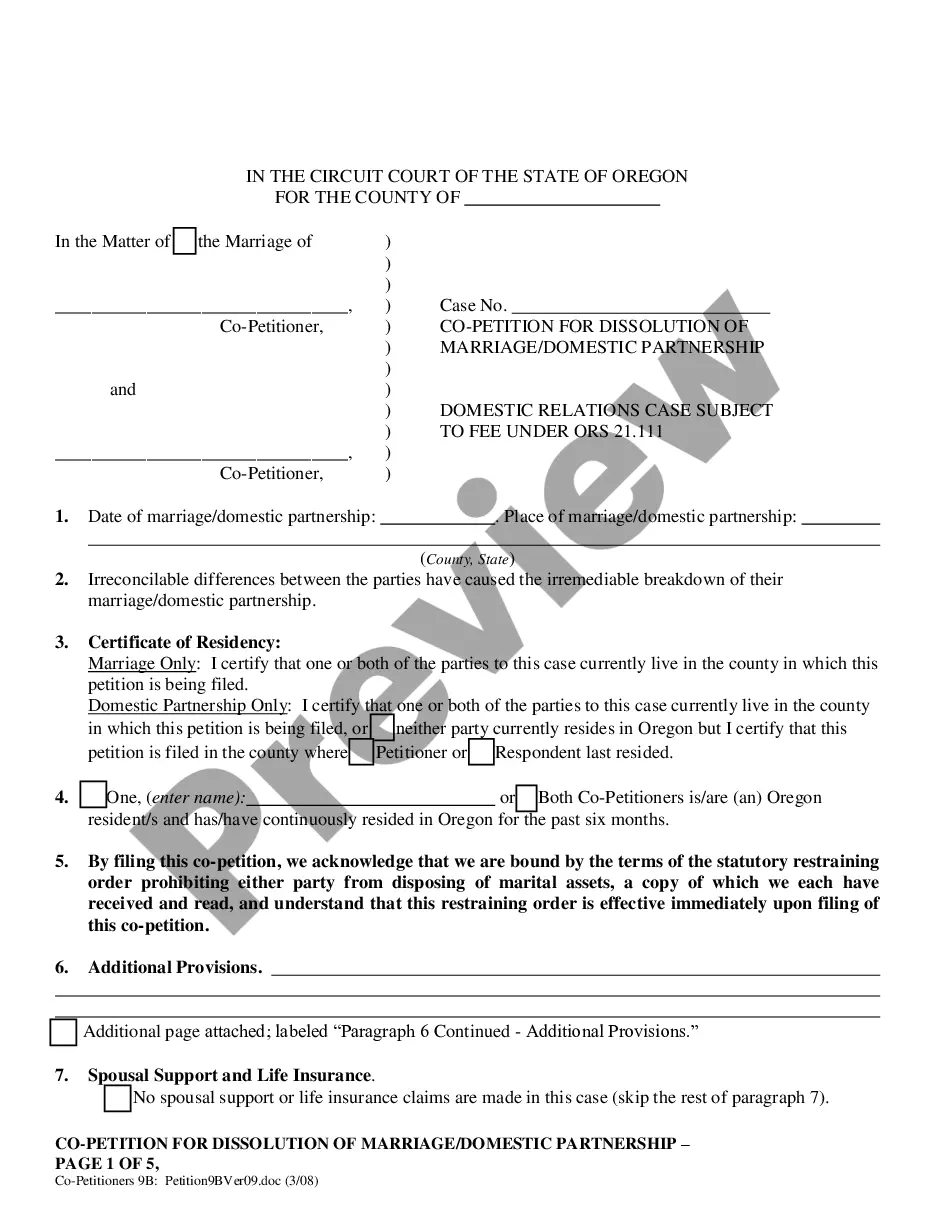
Is Dissolution of Marriage the Same as Divorce? Understanding the Legal Differences
The terms "dissolution of marriage" and "divorce" are often used interchangeably to describe the legal termination of a marital union. While they achieve the same result—ending the marriage and returning both parties to the status of s...
The terms "dissolution of marriage" and "divorce" are often used interchangeably to describe the legal termination of a marital union. While they achieve the same result—ending the marriage and returning both parties to the status of single individuals—their specific legal definitions and procedural requirements vary significantly depending on state laws and the level of mutual agreement between spouses.
Contents
The core question of whether they are the same depends entirely on your jurisdiction. In many states, "dissolution of marriage" is simply the modern, legal name for divorce. However, in other states, they represent two distinct legal pathways: one being a non-adversarial, agreement-based process (dissolution) and the other being a traditional, litigation-based lawsuit (divorce). Understanding these nuances is critical for anyone navigating the end of a marriage in 2026, as the choice between them impacts everything from legal costs to the speed of the proceedings.
The Linguistic vs. Legal Reality
In the legal landscape of 2026, language has evolved to be less stigmatizing. Many states have moved away from the word "divorce" in their official statutes, favoring "dissolution of marriage" because it sounds less like an accusatory action and more like the termination of a contract.
In states like California, Florida, and Colorado, there is no legal distinction between the two. If you file for "dissolution of marriage" in California, you are getting what the rest of the world calls a divorce. In these "no-fault" jurisdictions, the legal system focuses on the fact that the marriage is "irretrievably broken" rather than assigning blame to one party.
However, the distinction remains sharp in states like Ohio. In such jurisdictions, a dissolution is a specific legal action where both parties agree on every single aspect of their separation—including property division, debt allocation, child custody, and support—before they ever step foot in a courtroom. A divorce, by contrast, starts as a civil lawsuit where one party (the plaintiff) sues the other (the defendant) to end the marriage, often because they cannot agree on the terms of the split.
The Adversarial Nature of Divorce
A traditional divorce is an adversarial process. This means the court treats the two spouses as opposing parties in a legal dispute. This process is typically initiated when one spouse files a "Complaint for Divorce."
The adversarial nature stems from the fact that the court must intervene to resolve disputes. If spouses cannot agree on how to split a 401(k), who gets the family dog, or how to handle weekend parenting time, a judge will ultimately make those decisions after hearing evidence. This path is often necessary when there is a significant power imbalance, a lack of transparency regarding finances, or high-conflict disagreements that mediation cannot resolve.
Key Phases of a Contested Divorce:
- Pleadings: The formal filing of the complaint and the subsequent "Answer" from the other spouse.
- Discovery: A rigorous and sometimes lengthy phase where both sides must exchange documents, financial records, and testimony (depositions) to ensure all assets and liabilities are accounted for.
- Pre-trial Motions: Legal requests for temporary orders, such as "pendente lite" support (temporary alimony) or immediate custody arrangements while the case is pending.
- Trial: If a settlement isn't reached, a judge hears the case and issues a final decree.
Because of these phases, a divorce can take anywhere from six months to several years to finalize. According to the American Bar Association, the complexity of the trial process is what contributes most to the high costs associated with traditional filings.
The Non-Adversarial Nature of Dissolution
In jurisdictions that distinguish between the two, a "dissolution" is the preferred route for couples who are "pro-se" (representing themselves) or who have worked through their issues via mediation. The primary requirement for a dissolution is unanimous agreement.
To file for a dissolution, the couple must draft and sign a comprehensive Separation Agreement and, if children are involved, a Parenting Plan. These documents must cover 100% of the issues. If even one small detail—like the division of a specific credit card debt—is left undecided, the court cannot grant a dissolution; the parties would have to file for divorce instead.
The primary benefit of dissolution is the lack of "fault" and the removal of the "Plaintiff vs. Defendant" dynamic. Both parties are often referred to as "Petitioner 1" and "Petitioner 2." This process is generally faster, quieter, and significantly less expensive because it bypasses the discovery and motion phases of litigation.
Comparison: Dissolution vs. Divorce
The following table summarizes the primary differences in jurisdictions where these are treated as separate legal tracks.
| Feature | Dissolution of Marriage (Agreement-Based) | Divorce (Litigation-Based) |
|---|---|---|
| Initial Filing | Joint Petition and signed Agreement | Complaint filed by one spouse |
| Mutual Consent | Required for all terms | Not required to start the process |
| Discovery | Voluntary exchange of information | Formal, court-mandated exchange |
| Court Role | Reviewing and approving the agreement | Fact-finding and making final rulings |
| Timeline | Typically 30–90 days | 6 months to 2+ years |
| Legal Costs | Lower (shared or minimal attorney hours) | Higher (billable hours for motions/trial) |
| Emotional Impact | Generally lower conflict | Potentially high conflict |
Simplified and Summary Dissolutions
In 2026, many states offer an even more streamlined version of dissolution known as a "Summary Dissolution" or "Simplified Dissolution." This is intended for couples who have been married for a short period (usually less than five years), have no children, own no real estate, and have limited assets and debts.
This process is the fastest way to end a marriage, often requiring only a few forms and a brief waiting period. However, it is not available to everyone. Eligibility usually hinges on meeting strict financial thresholds and both parties waiving their right to spousal support (alimony). For more information on the various types of marital termination, Cornell Law School's Legal Information Institute provides detailed definitions of these legal categories.
Financial and Discovery Implications
One of the most significant "hidden" differences between a dissolution and a divorce is how financial transparency is handled.
In a dissolution, the parties are expected to be honest and transparent with one another. Because there is no formal "Discovery" process led by the court, if one spouse hides an offshore bank account or an undisclosed business interest, the other spouse may not have the legal tools within the dissolution framework to find it. This makes dissolution risky for spouses who do not have a clear understanding of the family's total financial picture.
In a divorce, the legal process of Discovery gives attorneys the power to issue subpoenas, demand sworn testimony, and hire forensic accountants to "dig" into the other party’s finances. While this adds months to the timeline and thousands of dollars to the bill, it provides a level of protection and verification that a simple dissolution does not.
Which Path Should You Choose?
Deciding between these two paths (in states where the choice exists) depends on the level of trust and cooperation between you and your spouse.
- Choose Dissolution if: You and your spouse are on speaking terms, you both want to save money, you have reached a full agreement on property and children, and you are confident you know the full extent of your marital assets.
- Choose Divorce if: There is a history of domestic violence, there is a major disagreement on child custody, you suspect your spouse is hiding assets, or your spouse refuses to sign any agreement.
It is important to note that a case can often change tracks. In many states, a contested divorce can be "settled" and converted into a dissolution-style final hearing once the parties reach an agreement. Conversely, if a dissolution attempt fails because the parties stop agreeing, the case is usually dismissed, and one party must file a new complaint for divorce.
Essential Prerequisites for Both
Regardless of whether you pursue a dissolution or a divorce, certain legal prerequisites must be met in 2026:
- Residency Requirements: Almost every state requires at least one spouse to have lived in the state for a specific period (usually six months) before filing.
- Waiting Periods: Many states have a "cooling off" period. For example, even if you agree on everything, the court may not be able to sign the final decree until 30 or 60 days have passed since the initial filing.
- Jurisdiction over Children: If you have minor children, the state must have the authority to make custody orders, usually determined by where the children have lived for the past six months (the "home state" rule).
Frequently Asked Questions
1. Do I need a lawyer for a dissolution of marriage? While not strictly required by law, it is highly recommended that at least one attorney reviews the Separation Agreement. Even in an amicable dissolution, a poorly worded clause regarding taxes, retirement accounts, or future health insurance can lead to expensive legal battles years after the marriage has ended.
2. Can a dissolution be faster than a divorce? Yes, significantly. Because a dissolution begins with an agreement, it skips the time-consuming phases of discovery and trial. In many jurisdictions, a dissolution can be finalized in the time it takes for the mandatory waiting period to expire, whereas a contested divorce can drag on for years.
3. Is "no-fault" the same as dissolution? Not exactly. "No-fault" refers to the reason for the divorce (you don't have to prove adultery or cruelty). "Dissolution" refers to the process (ending the marriage by agreement). You can have a no-fault divorce that is still contested and adversarial.
4. What happens if we start a dissolution but then start fighting? If the parties can no longer agree on the terms, the dissolution usually cannot proceed. In many states, the court will dismiss the dissolution petition, and one spouse will need to file a formal Complaint for Divorce to move the case forward as a contested matter.
5. Does a dissolution affect my credit score differently than a divorce? The legal method used to end the marriage does not directly affect your credit score. However, how you handle the division of debts—which is part of both processes—does. If the decree or agreement says your spouse pays a joint credit card but they fail to do so, your credit score will still be affected because you are still a contract holder with the bank.
Professional Advice Limitation
This article provides general educational information regarding the legal termination of marriage and is not intended as legal advice. Laws regarding dissolution and divorce vary significantly by state and are subject to change. You should consult with a qualified family law attorney in your specific jurisdiction before making decisions about your legal status.
Practical Next Step
If you are considering ending your marriage, your first step should be to determine if your state distinguishes between "dissolution" and "divorce." Visit your local county clerk’s website or the official state court portal to download the "Self-Help" forms. These documents will clearly indicate whether you need to file a "Petition" (usually for dissolution) or a "Complaint" (usually for divorce).
Image Gallery