Understanding the Relationship Between Life Insurance Cash Value and Property Tax Deductions
The cash value of a life insurance policy and property tax deductions are separate financial elements with no direct legal link in federal tax codes. However, they interact strategically: cash value provides a liquid source of funds to...
The cash value of a life insurance policy and property tax deductions are separate financial elements with no direct legal link in federal tax codes. However, they interact strategically: cash value provides a liquid source of funds to pay property tax obligations, while the tax-deferred growth of life insurance can help homeowners maintain a lower Adjusted Gross Income (AGI), potentially qualifying them for income-based local property tax relief programs.
Contents
While these two concepts occupy different corners of a financial portfolio—one being a private asset and the other a statutory tax obligation—savvy taxpayers in 2026 often use them in tandem to optimize liquidity and minimize tax exposure. Understanding how to leverage the equity in a permanent life insurance policy to manage real estate liabilities requires a deep dive into insurance mechanics, federal tax law, and local assessment protocols.
The Mechanics of Cash Value in Permanent Life Insurance
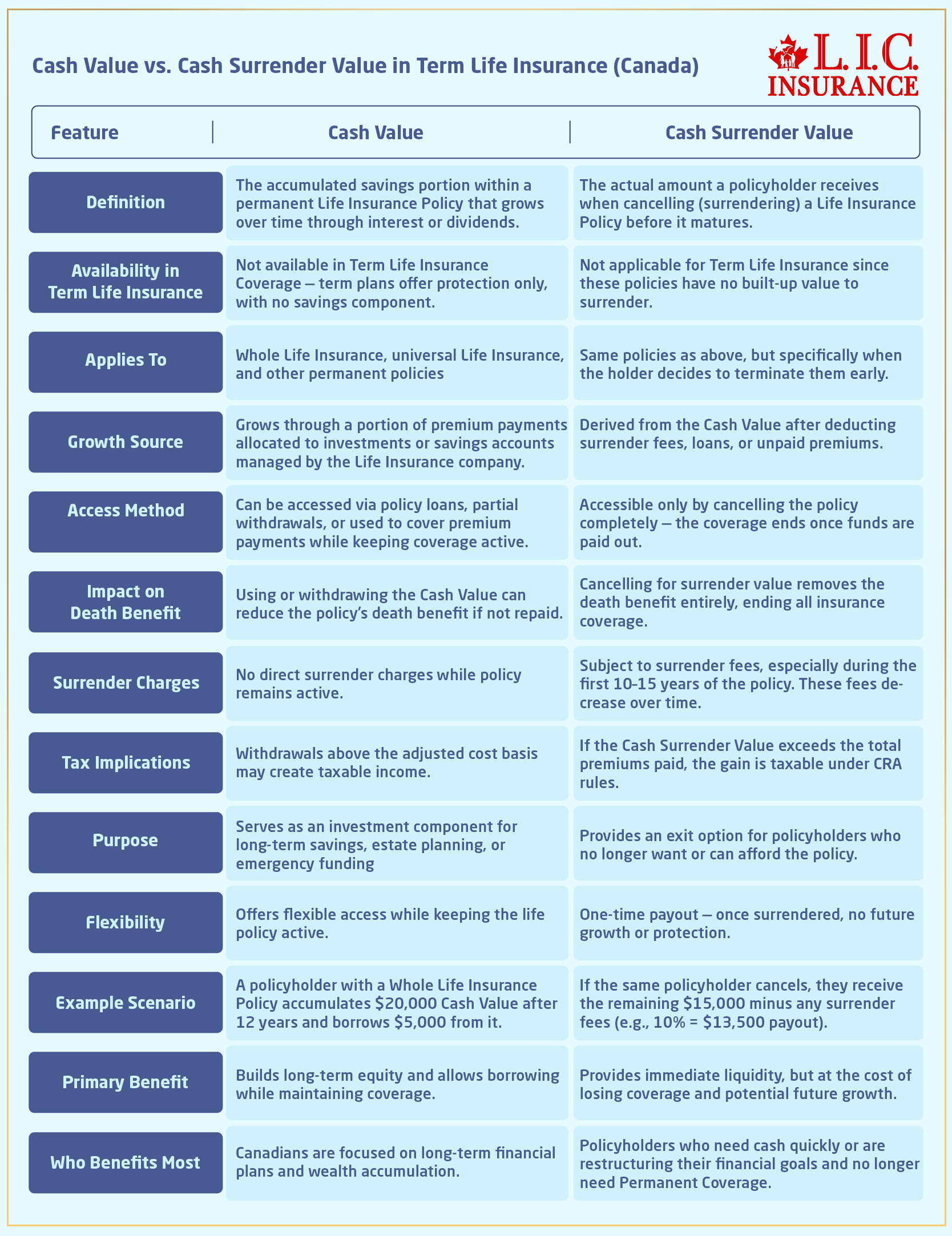
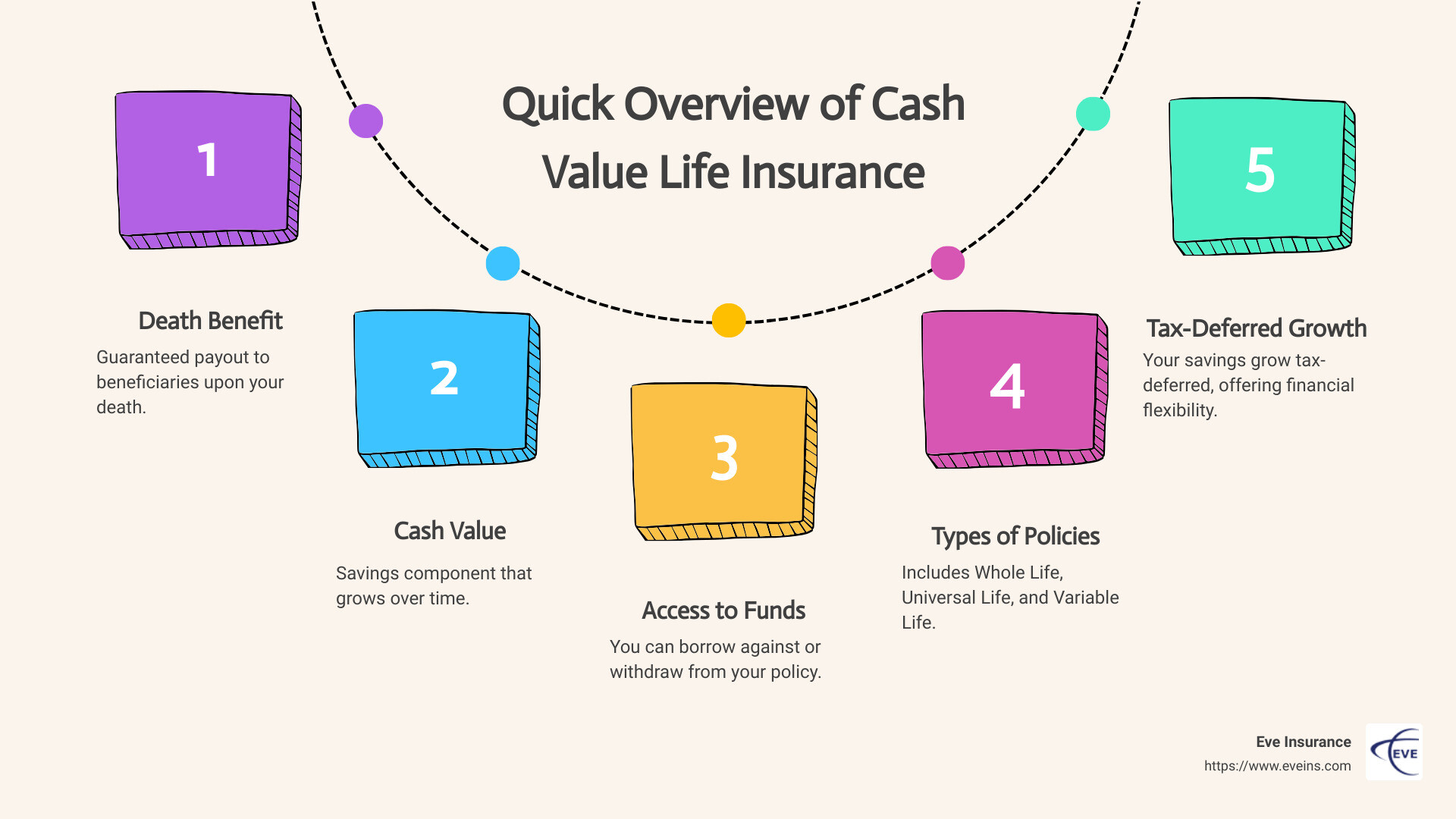
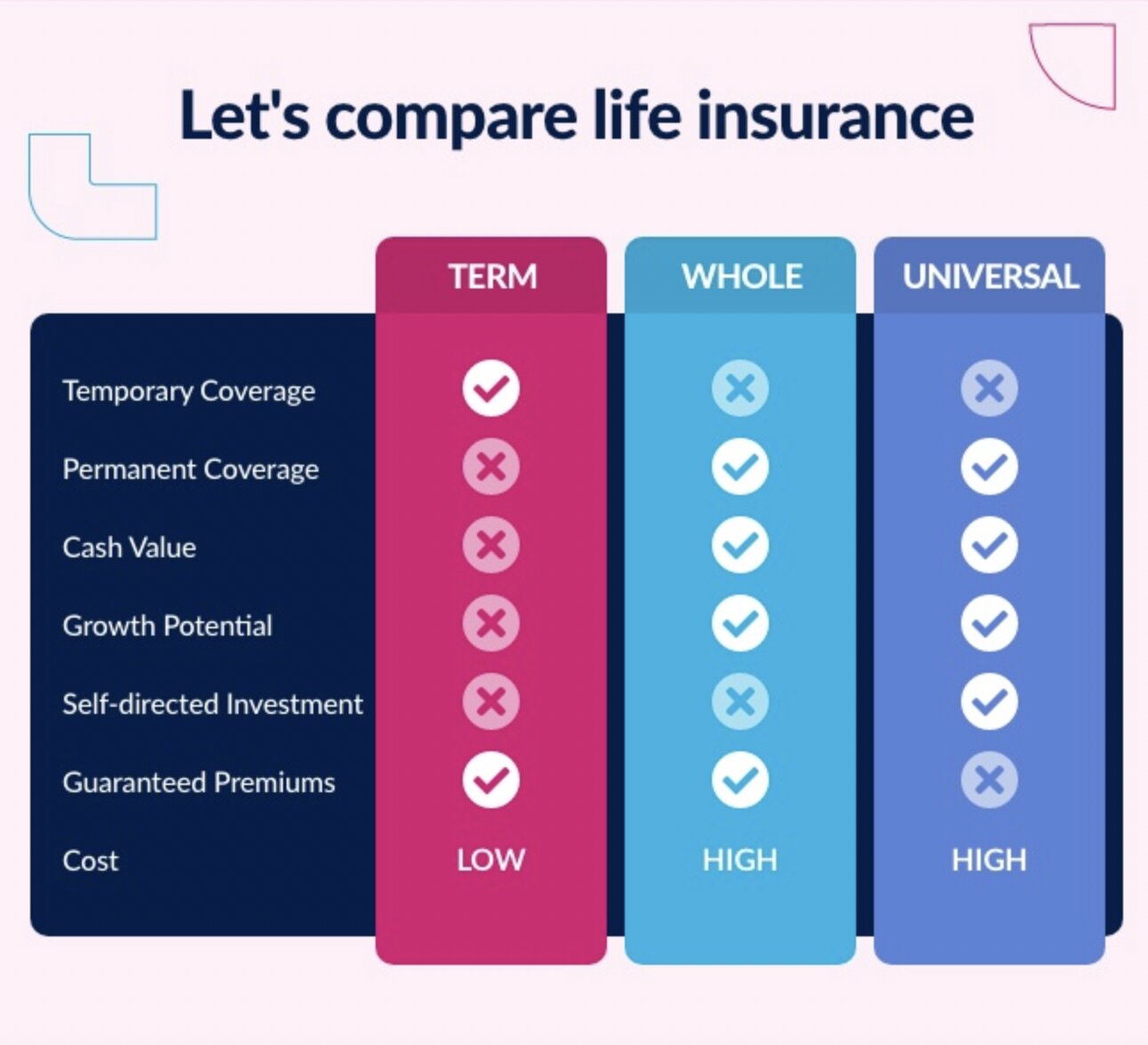
To understand how life insurance interacts with any tax obligation, one must first distinguish between term life and permanent life insurance. Term life insurance provides coverage for a specific period and has no savings component. In contrast, permanent life insurance—including Whole Life, Universal Life, and Variable Universal Life—features a "cash value" component.
How Cash Value Accumulates
A portion of each premium payment is directed into a cash value account. This account grows over time through interest, dividends (in participating policies), or investment returns. In 2026, the primary appeal of this asset remains its tax-advantaged status. According to the Internal Revenue Service (IRS), the internal growth of cash value is generally tax-deferred, meaning you do not pay annual income tax on the gains as they accrue.
Accessing the Capital
Policyholders can access this cash value through three primary methods:
- Policy Loans: You borrow against the death benefit using the cash value as collateral. These loans are typically non-recourse and do not require a credit check.
- Withdrawals: You take cash out of the policy. Withdrawals are generally tax-free up to the "basis" (the total amount of premiums paid).
- Surrender: You cancel the policy and receive the net cash value, though this terminates coverage and may trigger a tax liability on gains.
Federal Property Tax Deductions and the SALT Limit
Property tax is a local tax levied by counties, cities, or school districts. However, the federal government allows taxpayers to deduct these payments from their federal taxable income if they itemize their deductions on Schedule A of Form 1040.
The Itemization Threshold
To benefit from a property tax deduction, your total itemized deductions (which include mortgage interest, charitable contributions, and state and local taxes) must exceed the standard deduction. As of 2026, the standard deduction remains a high bar for many households, making the strategic use of other deductions essential.
The SALT Cap Constraints
A critical factor in property tax planning is the State and Local Tax (SALT) deduction limit. Established by the Tax Cuts and Jobs Act, this cap limits the total deduction for state and local income (or sales) taxes plus property taxes to $10,000 ($5,000 if married filing separately). For homeowners in high-tax states, the property tax bill alone often exceeds this limit, rendering any additional property tax payments non-deductible at the federal level.
Strategic Intersections: Using Cash Value to Manage Property Taxes
The relationship between life insurance cash value and property tax is primarily one of liquidity management. When property taxes are due, especially in jurisdictions where they are paid in large semi-annual installments, homeowners may face a cash flow crunch.
Policy Loans as a Tax Payment Tool
Using a policy loan to pay property taxes is a common strategy for individuals who wish to avoid liquidating high-yield investments or taking high-interest personal loans. Because the loan is secured by the insurance policy, the interest rates are often lower than credit cards or unsecured lines of credit.
Furthermore, since a policy loan is not considered "income" by the IRS, borrowing $15,000 from your insurance policy to pay a property tax bill does not increase your taxable income for the year. This preserves your eligibility for other income-based tax credits.
Preserving AGI for Local Tax Exemptions
Many local governments offer property tax "circuit breakers" or exemptions for seniors, veterans, or low-income households. These programs are often based on the applicant's Adjusted Gross Income (AGI).
- The Strategy: If a homeowner needs supplemental income to live but wants to keep their AGI low to qualify for a $2,000 property tax exemption, they might choose to take a tax-free loan from their life insurance cash value rather than withdrawing funds from a traditional 401(k) or IRA, which would count as taxable income and potentially disqualify them from the property tax relief.
Comparison: Payment Methods for Property Taxes
The following table compares using life insurance cash value against other common methods for settling a property tax bill.
| Feature | Life Insurance Policy Loan | Traditional Savings | Credit Card | 401(k) Withdrawal |
|---|---|---|---|---|
| Tax Impact | Generally Tax-Free | None (Taxed on Interest) | None | Taxed as Income |
| Credit Check | No | No | Yes | No |
| Interest Rate | Low to Moderate | N/A (Loss of Earnings) | High | N/A (Loss of Growth) |
| Repayment Term | Flexible/None | N/A | Monthly | Must be repaid to avoid tax |
| Effect on Net Worth | Neutral (Asset vs. Liability) | Decrease | Decrease | Decrease |
Impact of Life Insurance on Asset-Based Tax Relief
While federal property tax deductions are based on expenditures, some local property tax relief programs are based on net worth or total assets. This is where the cash value of a life insurance policy can become a complicating factor.
Is Cash Value a "Countable Asset"?
In many jurisdictions, when applying for "hardship" property tax deferrals or specific senior exemptions, the local tax assessor may require a statement of assets. Unlike a primary residence, which is often excluded from these calculations (the "homestead" exclusion), the cash value of a life insurance policy is frequently considered a liquid or semi-liquid asset.
If your local government has a "resource limit" of $50,000 to qualify for a property tax reduction, and your life insurance policy has a cash value of $60,000, you may be disqualified from the program despite having a low annual income. It is vital to consult the National Association of Insurance Commissioners (NAIC) or your local tax assessor to understand how life insurance equity is treated in your specific municipality.
Potential Risks and Technical Limitations
Combining life insurance strategies with tax planning is not without risk. There are several technical pitfalls that policyholders must navigate.
1. Modified Endowment Contracts (MECs)
If you fund a life insurance policy too aggressively, it may be classified as a Modified Endowment Contract (MEC) under IRS Section 7702A. Once a policy becomes a MEC, loans and withdrawals are taxed on a "gain-first" basis and may be subject to a 10% penalty if taken before age 59½. This negates the tax-free liquidity advantage for paying property taxes.
2. Policy Lapse Risk
If you take a large loan to pay property taxes and the interest accrues until the loan balance exceeds the cash value, the policy may lapse. A lapsed policy with an outstanding loan can trigger a massive "phantom" tax bill, as the IRS treats the forgiven loan as a distribution of gain.
3. Reduced Death Benefit
Any outstanding loan used to pay property taxes will be deducted from the death benefit paid to beneficiaries. If the primary purpose of the policy is family protection, using the cash value for tax obligations may leave heirs underinsured.
Frequently Asked Questions
Can I deduct the interest paid on a life insurance policy loan used to pay property taxes?
Generally, no. Under current tax laws in 2026, interest on personal loans (including life insurance policy loans) is not deductible. Even if the funds are used for a deductible purpose like property taxes, the interest expense itself is considered a personal expense.
Does paying property taxes with a life insurance loan increase my SALT deduction?
No. The amount of your property tax deduction is based on the amount of tax paid to the municipality, regardless of where the money originated. If you pay $8,000 in property taxes using a life insurance loan, your deduction is $8,000 (subject to the $10,000 SALT cap).
Are life insurance dividends used to pay property taxes taxable?
Dividends from a participating life insurance policy are generally considered a return of premium and are not taxable as long as they do not exceed the total premiums paid into the policy. If you direct your dividends to a cash account to pay property taxes, this is usually a tax-free event.
Can a life insurance company pay my property taxes directly from my cash value?
Most insurance companies do not offer an escrow-style service for property taxes. You must typically request a withdrawal or loan check (or electronic transfer) to your personal account and then issue the payment to your local tax collector.
Does the cash value growth affect my eligibility for the Homestead Exemption?
The Homestead Exemption is usually based on residency and home ownership, not asset levels. However, if your state offers an "enhanced" Homestead Exemption based on income or assets, the cash value of your policy could potentially impact your eligibility depending on local definitions of "financial resources."
Final Recommendations for 2026
When managing the intersection of life insurance cash value and property tax deductions, the most effective approach is one of coordination. Property taxes are a certain, recurring liability, while life insurance cash value is a versatile, growing asset.
- Review the SALT Cap: Before planning a large property tax payment strategy, determine if you are already hitting the $10,000 SALT limit. If you are, the "deduction" aspect of the payment provides no additional federal benefit.
- Evaluate Loan Costs: Compare the interest rate of a policy loan against the "opportunity cost" of the cash value’s growth. If your policy is earning 5% and the loan interest is 4%, the loan is a highly efficient way to cover taxes.
- Consult Local Statutes: If you are seeking local property tax relief or exemptions, verify whether your municipality includes life insurance cash value in its asset testing.
- Monitor Policy Health: Ensure that using cash value for taxes does not jeopardize the longevity of the policy.
For complex estates, it is advisable to consult with both a Certified Financial Planner (CFP) and a tax professional to ensure that accessing life insurance liquidity does not create an unintended tax event or compromise your long-term legacy goals.
Image Gallery