What is Greenwich Village? An In-Depth Guide to New York’s Cultural Heartland
Greenwich Village is a historic residential neighborhood in Lower Manhattan, New York City, renowned for its 19th-century architecture, bohemian legacy, and role as a cradle for modern counterculture. Often referred to simply as "the V...
Greenwich Village is a historic residential neighborhood in Lower Manhattan, New York City, renowned for its 19th-century architecture, bohemian legacy, and role as a cradle for modern counterculture. Often referred to simply as "the Village," it serves as a global center for the arts, LGBTQ+ history, and higher education, primarily housing the main campus of New York University (NYU).
Contents
Defining the Boundaries of Greenwich Village
Greenwich Village occupies a significant portion of Lower Manhattan, characterized by a street layout that famously defies the rigid 1811 grid plan found in most of the borough. To understand what Greenwich Village is, one must first identify its physical and administrative borders.
As of 2026, the neighborhood is generally defined by the following boundaries:
- North: 14th Street, which separates the Village from Chelsea and Union Square.
- South: Houston Street, marking the border with SoHo (South of Houston).
- East: Broadway, though many residents and historians consider University Place or Fourth Avenue the more traditional psychological boundary from the East Village.
- West: The Hudson River, providing the neighborhood with significant waterfront access and the popular Hudson River Park.
Within these borders lies a sub-neighborhood known as the West Village. While the terms are often used interchangeably, the West Village specifically refers to the area west of Seventh Avenue or Sixth Avenue. The Central Village surrounds Washington Square Park and is heavily dominated by New York University’s institutional footprint.
A Historical Evolution: From Marshland to Bohemian Bastion
The history of Greenwich Village is a narrative of resistance against the homogenization of New York City. Unlike the towering glass skyscrapers of Midtown or the Financial District, the Village has maintained a "small-town" feel due to its unique historical trajectory.
Early Origins and the Grid Deviation
Before European settlement, the area was a Lenape village known as Sapokanikan. When the Dutch arrived, they named the area Noortwyck. It wasn't until the British took over that it was renamed Greenwich. During the yellow fever epidemics of the 1820s, many New Yorkers fled the crowded Lower East Side and Financial District for the "fresh air" of the Village, leading to a massive residential construction boom.
One of the most defining characteristics of the Village is its confusing street plan. When the Commissioners' Plan of 1811 was implemented to organize Manhattan into a grid, Greenwich Village was already established. Its streets followed old property lines and natural topography. Consequently, the grid was forced to wrap around the Village, resulting in intersections like West 4th Street and West 12th Street—a geographical anomaly that delights and confuses visitors to this day.
The 20th Century: The Beatniks and Folk Revival
By the early 1900s, the Village had become a magnet for artists, writers, and political radicals. Low rents and a tolerant atmosphere fostered a community of "bohemians." In the 1950s, the Beat Generation took root here, with figures like Jack Kerouac and Allen Ginsberg frequenting the San Remo Cafe and the Gaslight Cafe.
The 1960s saw the neighborhood transform into the epicenter of the American folk music revival. Artists such as Bob Dylan, Joan Baez, and Peter, Paul and Mary performed in the basement clubs of MacDougal Street. This era solidified the Village’s reputation as a sanctuary for those challenging the social and political status quo.
The Stonewall Uprising and Social Activism
Perhaps the most significant historical event to occur in the Village was the Stonewall Uprising in June 1969. Following a police raid on the Stonewall Inn on Christopher Street, the local LGBTQ+ community fought back, sparking the modern gay rights movement. Today, the Stonewall National Monument stands in Christopher Park as a testament to this pivotal moment in civil rights history.
Architecture and the Visual Identity of the Village
The visual landscape of Greenwich Village is protected by some of the most stringent landmarking laws in the United States. The Greenwich Village Historic District, designated in 1969, covers over 2,000 buildings, ensuring that the neighborhood's aesthetic remains largely unchanged.
Federal and Greek Revival Row Houses
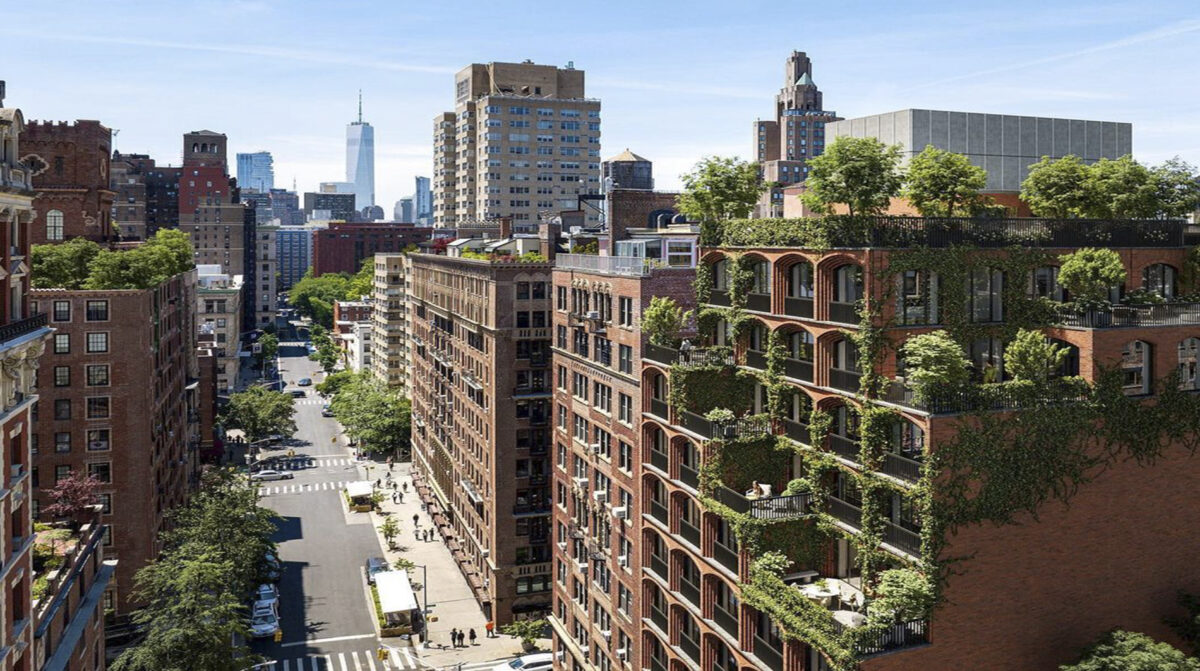
The Village is famous for its "brownstones," but technically, many of its most historic homes are Federal-style or Greek Revival row houses made of red brick. These structures, dating back to the mid-19th century, feature ornate stoops, high ceilings, and intricate ironwork. The preservation of these buildings, advocated for by groups like Village Preservation, prevents the construction of high-rise developments that would disrupt the neighborhood's low-rise scale.
Mews and Hidden Alleys
Tucked away behind the main thoroughfares are "mews"—former stable alleys for the wealthy families who lived on Washington Square North. Washington Mews and MacDougal Alley remain among the most picturesque and expensive residential strips in the city, offering a glimpse into New York’s equestrian past.
Cultural Institutions and Landmarks
Greenwich Village is not merely a residential enclave; it is a functioning hub of education and entertainment.
Washington Square Park
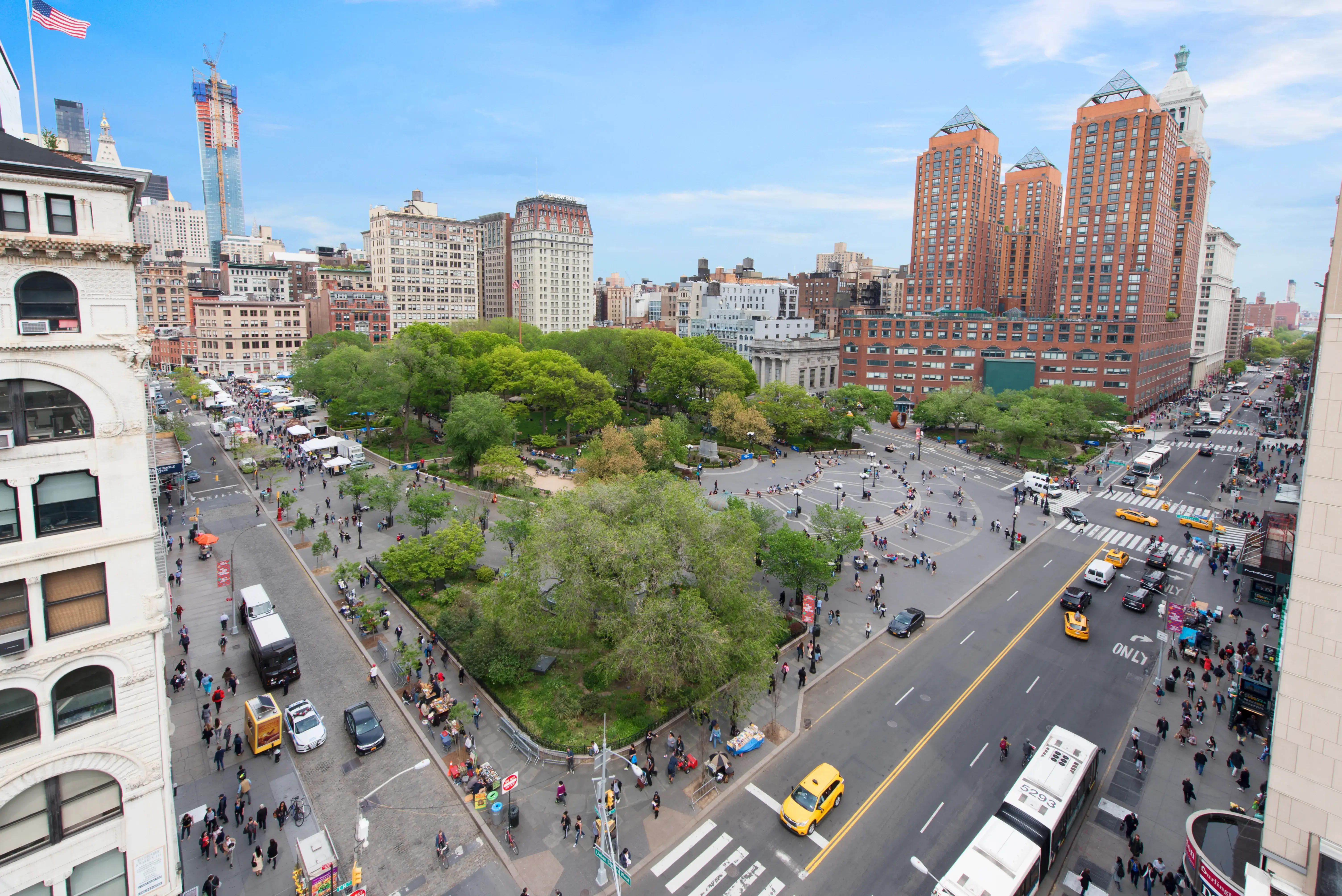
The heart of the Village is Washington Square Park, anchored by the iconic Washington Square Arch. Originally a potter’s field (a public burial ground), the park evolved into a parade ground and eventually a public square. In 2026, it remains a vibrant stage for street performers, chess players, and student life. It is the unofficial "quad" for New York University.
New York University (NYU)
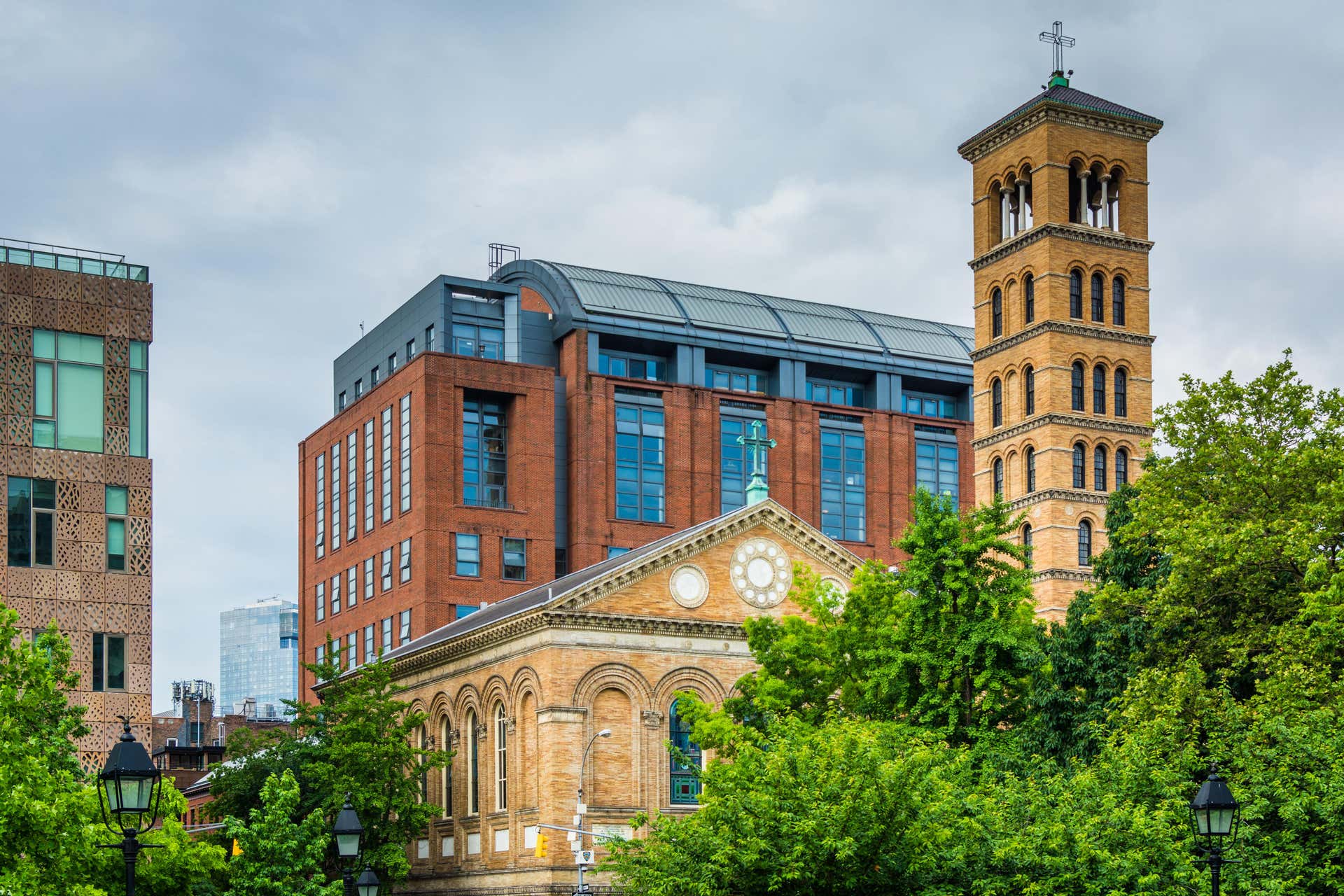
New York University is the largest private research university in the United States and is inextricably linked with Greenwich Village. While the university provides the neighborhood with intellectual energy and economic stability, its expansion has historically been a point of contention with residents who fear the "institutionalization" of the Village. The presence of thousands of students ensures that the area remains lively year-round.
Historic Jazz Clubs and Theaters
The Village maintains its status as a world-class destination for live performance.
- The Blue Note: One of the world's most famous jazz venues.
- Village Vanguard: A basement club that has hosted nearly every major jazz figure since 1935.
- Cherry Lane Theatre: The city's oldest continuously running Off-Broadway theater.
Living in Greenwich Village in 2026
Entering 2026, Greenwich Village remains one of the most expensive and desirable residential areas in the world. The transition from a starving artist’s haven to a billionaire’s row of historic townhomes is a frequently cited example of New York's hyper-gentrification.
Real Estate and Demographics
Real estate in the Village is characterized by limited inventory and high demand. A one-bedroom apartment in a non-elevator building can easily exceed $5,000 per month, while historic townhomes sell for tens of millions of dollars. Despite the high costs, the neighborhood maintains a diverse demographic mix, thanks in part to rent-regulated apartments that have stayed in families for generations and the transient student population of NYU.
The "Village" Lifestyle
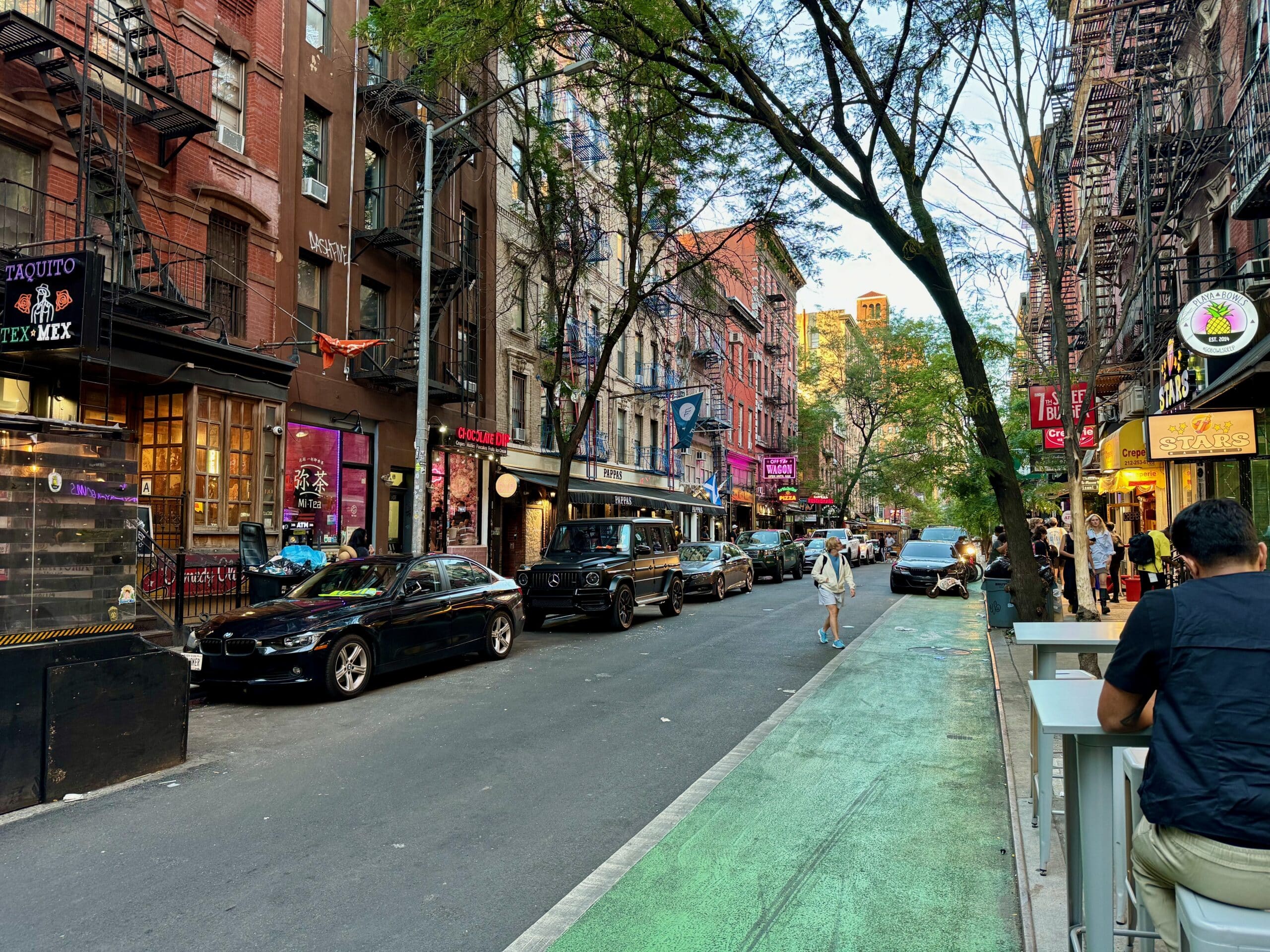
Living in the Village offers a "pedestrian-first" lifestyle that is rare in American cities. Most residents complete their daily errands on foot, frequenting local bakeries, independent bookstores, and corner "bodegas." The neighborhood is also home to a high concentration of Michelin-starred restaurants and historic taverns like the White Horse Tavern and Minetta Tavern.
| Feature | Greenwich Village (Central) | West Village | East Village (Comparison) |
|---|---|---|---|
| Primary Vibe | Academic & Bustling | Quiet & Picturesque | Gritty & Nightlife-Focused |
| Main Landmark | Washington Square Park | Stonewall Inn | Tompkins Square Park |
| Housing Style | Large Apartments/Dorms | Historic Row Houses | Walk-up Tenements |
| Transit Access | Excellent (A/C/E, B/D/F/M, R/W) | Good (1/2/3, PATH) | Limited (L Train, F Train) |
| Noise Level | Moderate to High | Low to Moderate | High |
Navigating the Village: Logistics and Transportation
Because of its diagonal streets and narrow sidewalks, the Village is best explored on foot. However, it is also one of the best-connected areas in Manhattan via public transit.
- Subway: The West 4th Street–Washington Square station is a major hub served by the A, C, E, B, D, F, and M lines. The Christopher Street-Sheridan Square station serves the 1 train, providing easy access to the Upper West Side and the Financial District.
- PATH Train: The Christopher Street and 9th Street PATH stations connect the Village directly to Jersey City and Hoboken.
- Cycling: The Hudson River Greenway on the western edge offers a protected north-south bike path, while many interior streets feature dedicated bike lanes.
Frequently Asked Questions
Is Greenwich Village the same as the West Village?
The West Village is a sub-section of Greenwich Village. While Greenwich Village encompasses everything from Broadway to the Hudson River, the "West Village" specifically refers to the more residential, quieter area west of 6th or 7th Avenue. If someone says they are going to "the Village," they are usually referring to the Central or West portions of this neighborhood.
Why are the streets in the Village so confusing?
The streets do not follow the 1811 grid system because the neighborhood was already developed before the grid was designed. The streets were laid out according to 18th-century property lines. This is why West 4th Street eventually turns north and intersects with West 10th, 11th, and 12th Streets.
Is Greenwich Village safe for visitors in 2026?
Greenwich Village remains one of the safest neighborhoods in New York City. High foot traffic, a strong residential presence, and significant lighting make it very walkable at night. As with any urban area, standard precautions against petty crime like pickpocketing should be observed, particularly in crowded areas like Washington Square Park.
What is the best way to see the "authentic" Village?
To experience the neighborhood's true character, walk away from the commercial hubs like 6th Avenue. Explore the "Alphabet Streets" of the West Village (like Perry, Charles, and West 10th) or visit the quiet courtyards like Patchin Place. Visiting during a weekday morning offers a glimpse of the quiet, residential charm that has attracted residents for centuries.
Can you still find "starving artists" in the Village?
While the neighborhood’s high cost of living has made it difficult for emerging artists to live there, the Village remains a center for artistic output. Many artists maintain studios in the area or perform in its legendary venues, even if they commute from more affordable boroughs. The artistic soul of the neighborhood is preserved through its theaters, galleries, and jazz clubs.
Practical Recommendation for Visitors and New Residents
Whether you are visiting for a day or moving in for a decade, the best way to understand what Greenwich Village is involves leaning into its contradictions. It is simultaneously a world-class academic hub and a quiet residential retreat; a site of radical revolution and a bastion of wealthy preservation. To truly appreciate the area, spend time in Washington Square Park to witness the neighborhood's public energy, then walk west toward the Hudson River to experience the architectural stillness of the historic side streets.
Image Gallery