The 4 Ps of Business: Core Elements of the Marketing Mix Explained
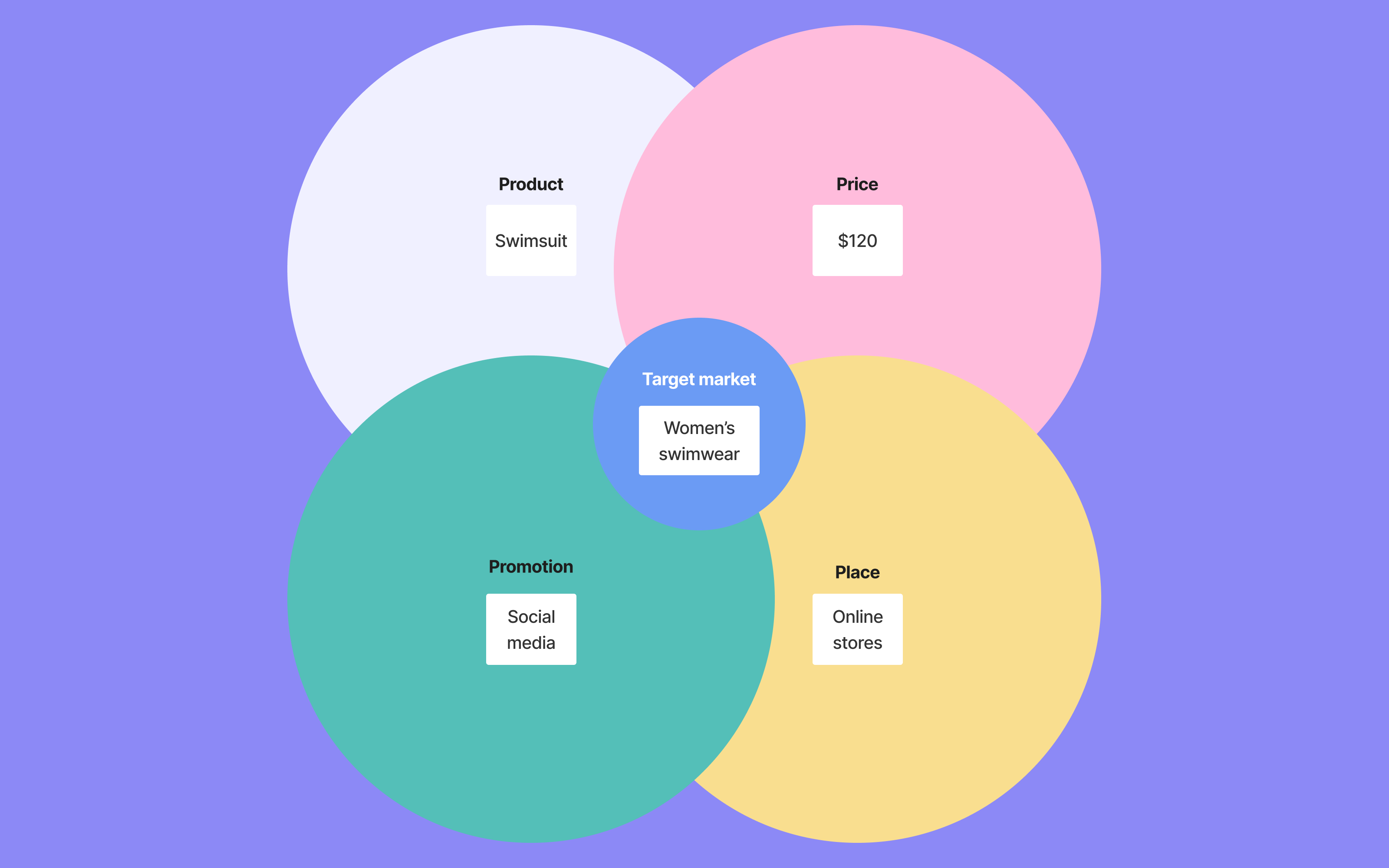
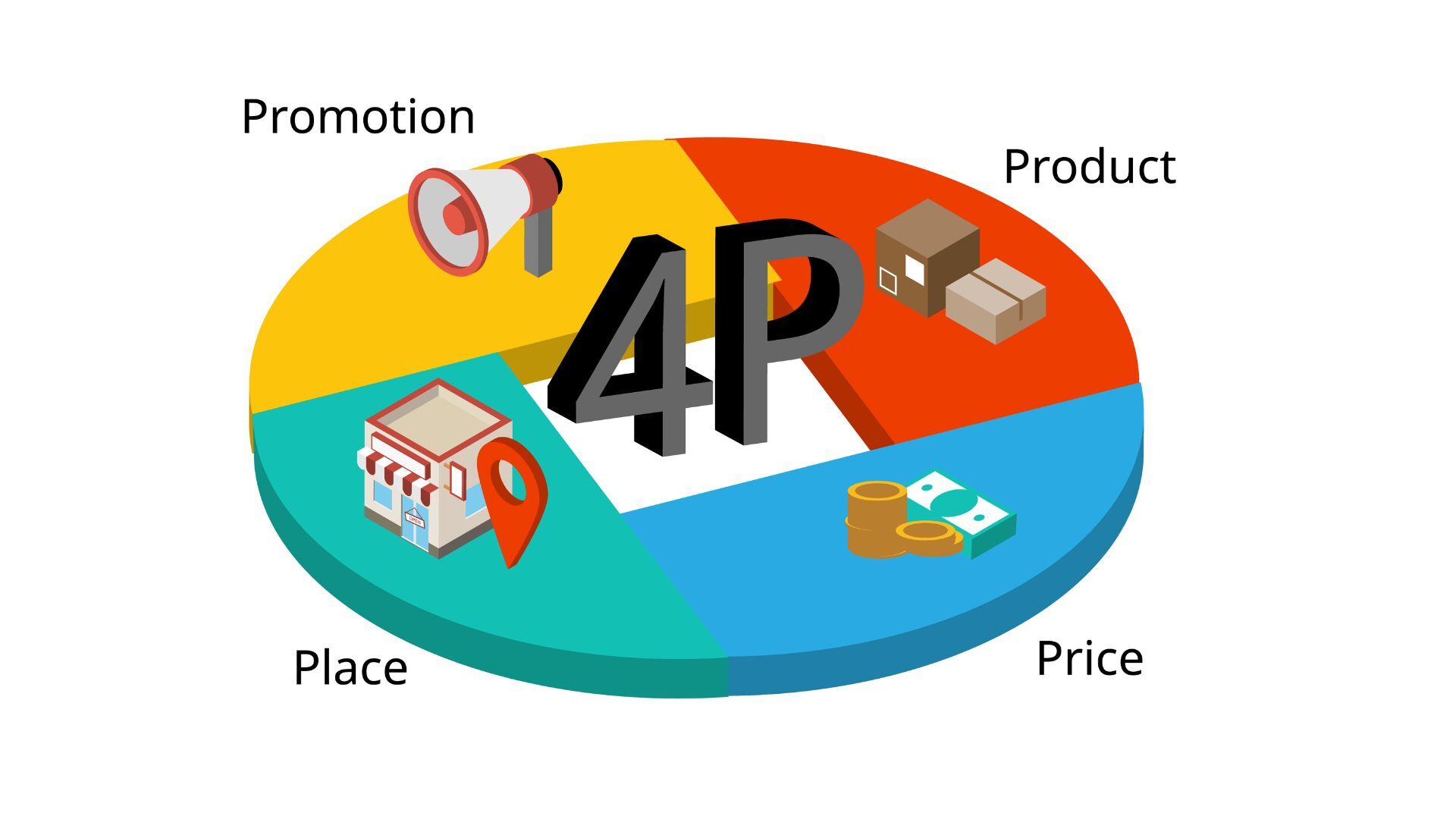
The 4 Ps of business—Product, Price, Place, and Promotion—form the foundational framework known as the marketing mix. Developed to help organizations align operational decisions with market demand, these four interconnected pillars gui...
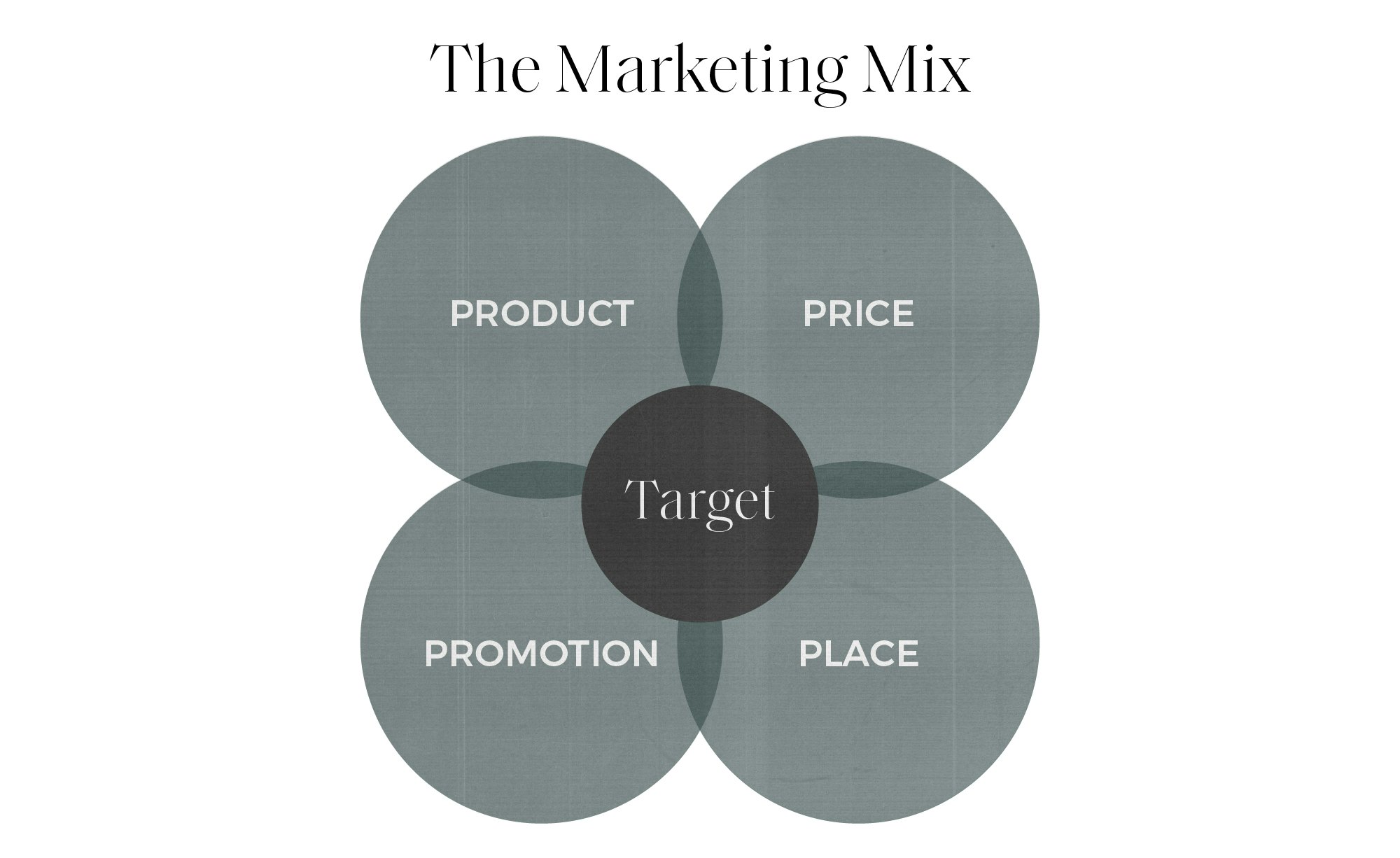
The 4 Ps of business—Product, Price, Place, and Promotion—form the foundational framework known as the marketing mix. Developed to help organizations align operational decisions with market demand, these four interconnected pillars guide businesses in defining what they sell, establishing optimal price points, selecting distribution channels, and building targeted communication strategies to capture market share effectively.
Contents
Understanding the Marketing Mix: Historical Context and Strategic Purpose
The concept of the "marketing mix" was first introduced in the mid-20th century by Neil H. Borden, a professor of advertising at Harvard Business School. Borden described marketers as "mixers of ingredients," individuals who continually adjust enterprise variables to generate a successful commercial outcome. In 1960, marketing academic E. Jerome McCarthy refined Borden’s broad list of enterprise variables into the structured operational model recognized today: the 4 Ps.
Philip Kotler later popularized McCarthy’s framework in his widely adopted textbook Marketing Management, cementing the 4 Ps as an industry standard across corporate strategy, consumer goods, and commercial consulting.
At its core, the marketing mix serves a dual purpose:
- Internal Alignment: It ensures that product development, finance, logistics, and sales teams work toward unified commercial goals.
- External Positioning: It systematically shapes how target consumers perceive, evaluate, access, and purchase a brand's offerings relative to competitors.
While market dynamics have expanded dramatically—incorporating digital channels, automated logistics, and real-time analytics—the strategic intent of the 4 Ps remains fundamental. Every commercial enterprise, whether a multi-national conglomerate, a B2B SaaS startup, or a local service provider, must resolve how these four core elements interact.
The Core Elements of the Marketing Mix
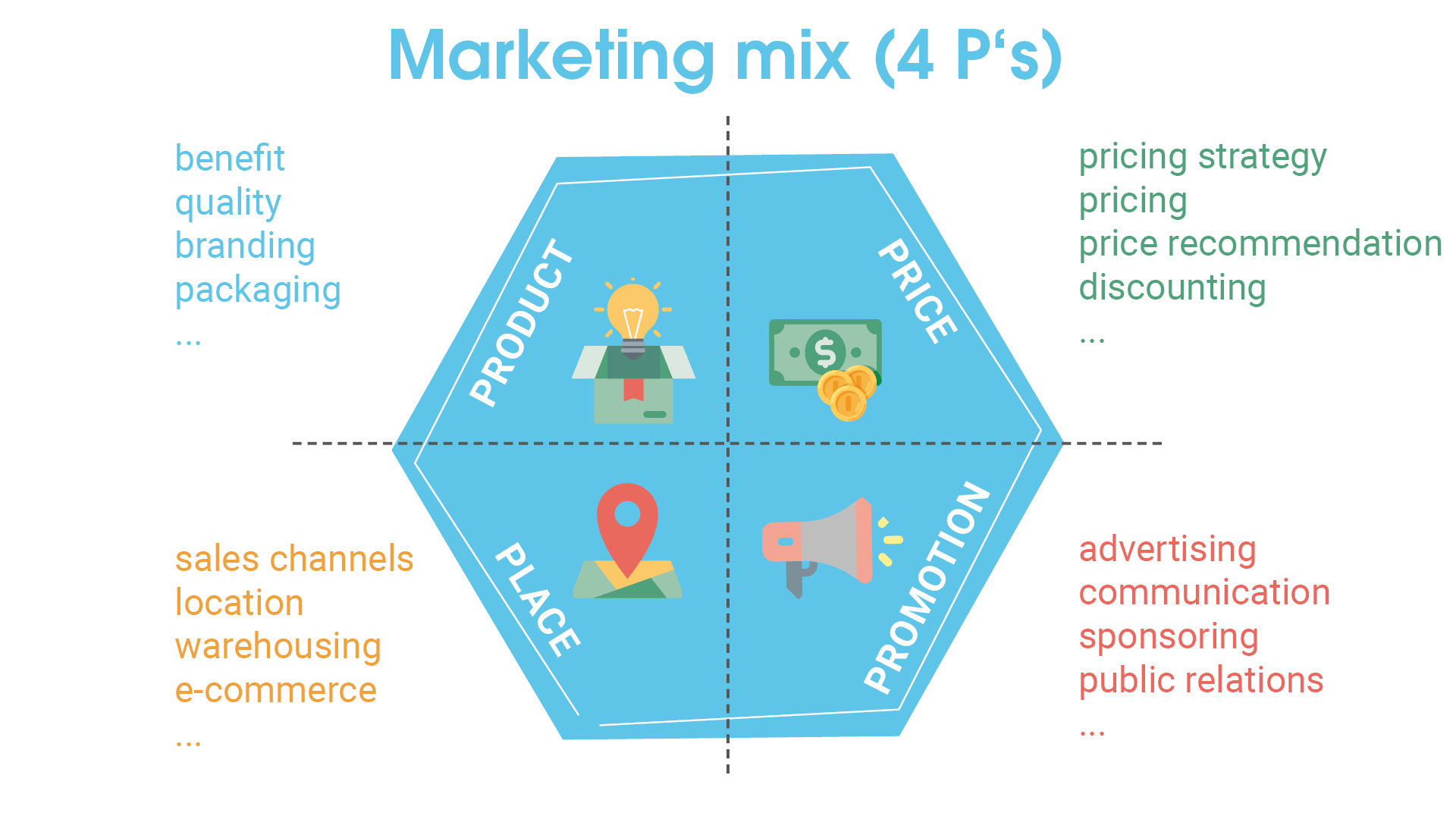
- THE MARKETING MIX
- PRODUCT
- Features
- Quality
- Branding
- Packaging
- PRICE
- Pricing Model
- Discounts
- Elasticity
- Profit Margin
- PLACE
- Distribution
- Logistics
- Retailers
- E-commerce
- PROMOTION
- Advertising
- Public Rel.
- Content/SEO
- Sales Force
- PRODUCT
1. Product: Defining the Value Proposition
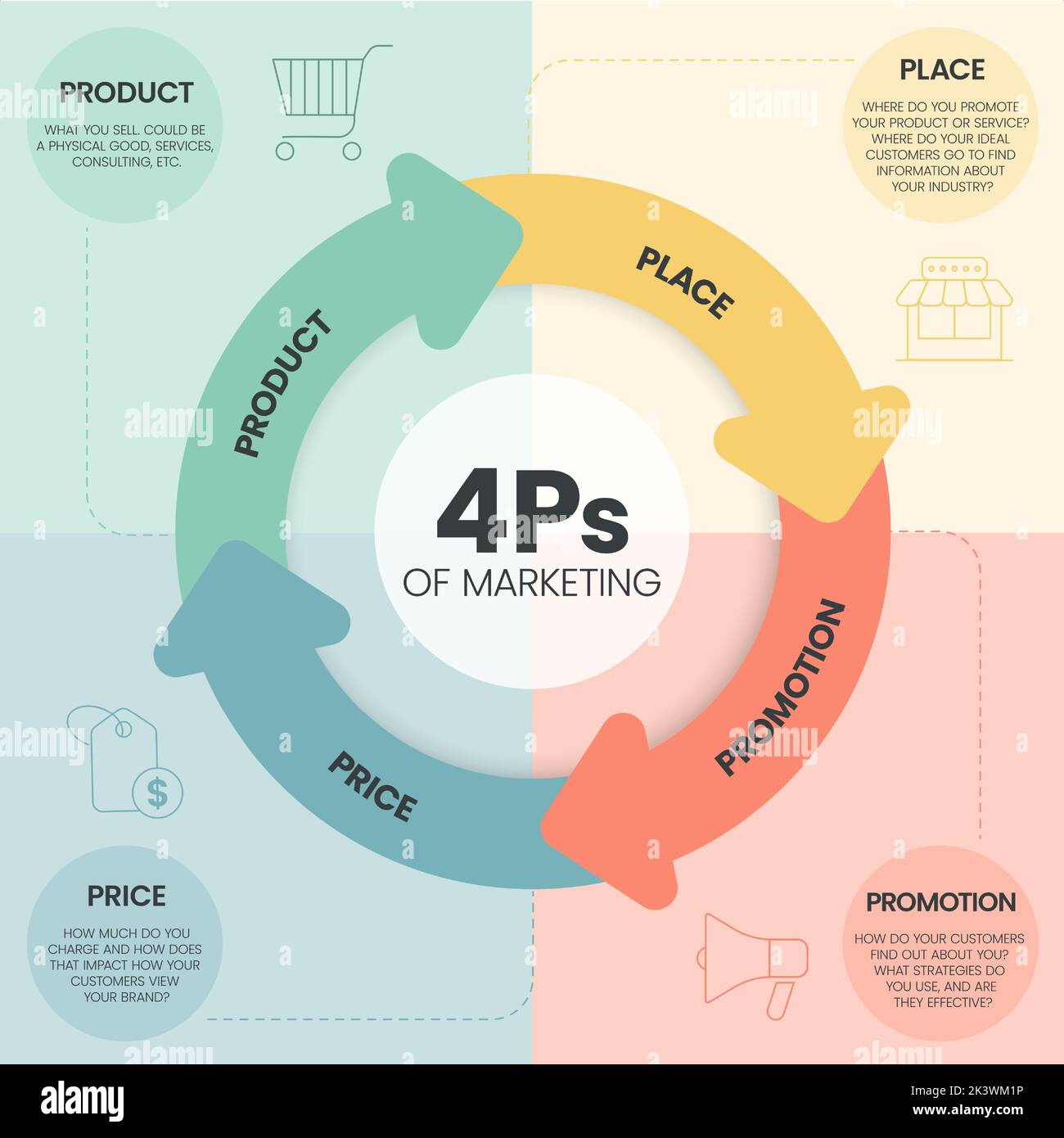
The Product element encompasses any good, service, or digital asset created to satisfy a specific consumer demand or solve a defined market problem. Within the marketing mix, a product is far more than its physical or functional features; it represents the total bundle of benefits, experiences, and post-purchase support delivered to the buyer.
Key Strategic Considerations for Product Strategy
- Core Utility vs. Augmented Value: Marketers distinguish between the core product (the basic problem solved), the actual product (design, quality level, brand name, packaging), and the augmented product (warranties, customer service, delivery terms, software updates).
- Product Line Depth and Width: Organizations must evaluate how many individual items to offer within a specific category (depth) and across different product categories (width). Expanding a product line can increase market coverage, but excessive proliferation risks operational complexity and brand dilution.
- Product Life Cycle (PLC) Management: Every product progresses through four distinct stages: Introduction, Growth, Maturity, and Decline. Marketing mix strategies must adapt at each stage. For instance, introductory products require educational promotion and high initial investment, whereas mature products depend on price optimization and incremental features to protect market share.
- Packaging and Industrial Design: In consumer packaged goods (CPG), packaging serves both functional protection and primary marketing communication at the point of sale. In digital domains, user interface (UI) and user experience (UX) fulfill the structural role of packaging.
2. Price: Balancing Value Perception and Revenue Optimization
Price is the only element within the traditional marketing mix that generates revenue; Product, Place, and Promotion represent operational expenditures. Setting a price requires balancing internal cost structures, market competitive pressures, customer price sensitivity, and long-term financial targets.
Primary Pricing Models and Methods
- Cost-Plus Pricing: The company calculates total direct and indirect unit costs and adds a standard markup percentage. While simple to calculate, it neglects customer perceived value and market willingness to pay.
- Value-Based Pricing: Price is established based on the consumer's perceived utility of the offering rather than production cost. Common in premium hardware, enterprise software, and luxury goods, value-based pricing captures higher gross margins by quantifying economic return for the buyer.
- Competitive Pricing: Setting prices directly relative to industry benchmarks or direct rivals. Companies may choose to price at a premium (to signal superior quality), at parity (to compete purely on product features), or at a discount (to capture volume).
- Dynamic and Algorithmic Pricing: Frequently used in travel, logistics, and digital marketplaces, dynamic pricing adjusts rates automatically based on real-time market demand, inventory constraints, and consumer behavior patterns.
Elasticity and Margin Management
Price elasticity of demand measures how changes in price affect total purchasing volume. Inelastic products—those with few direct substitutes or high customer necessity—allow companies to adjust margins without significant drop-offs in sales volume. Conversely, elastic markets require precise cost controls, as modest price increases can lead customers to switch to alternative vendors.
3. Place: Structuring Distribution and Supply Chain Access
Place refers to the distribution networks, supply chain structures, and operational channels through which products reach target buyers. A well-designed distribution strategy ensures that offerings are available in the right quantity, at the right location, and at the precise time the consumer intends to buy.
Channel Architectures
- Direct-to-Consumer (DTC): The manufacturer sells directly to end users via brand-owned e-commerce platforms, company-owned retail outlets, or direct sales teams. DTC channels offer complete control over brand messaging, direct access to customer data, and higher gross margins, though they require substantial capital outlay for logistics and customer acquisition.
- Indirect Distribution: The business relies on third-party intermediaries—distributors, wholesalers, value-added resellers (VARs), and retailers—to reach consumers. Indirect channels accelerate market coverage and lower operational infrastructure requirements, but they reduce gross margins and limit control over the final sales environment.
- Omnichannel Distribution: Modern enterprises often employ integrated omnichannel frameworks, allowing customers to research, evaluate, purchase, receive, and return products across overlapping physical and digital channels seamlessly (e.g., buying online and picking up in-store).
Channel Logistics and Geographic Strategy
Place management requires rigorous planning around warehouse management, inventory turn rates, order fulfillment SLAs, localized compliance, and last-mile freight logistics. Choosing between selective, intensive, or exclusive distribution depends on brand positioning: luxury brands favor exclusive distribution, while impulse consumer goods require intensive distribution across every available retail outlet.
4. Promotion: Communicating and Driving Market Demand
Promotion encompasses all integrated marketing communications (IMC) used to educate target audiences, foster brand recall, signal competitive differentiation, and prompt purchase behavior. Rather than relying on a single communication channel, robust promotional strategies coordinate diverse tactics to convey a consistent message across consumer touchpoints.
Core Components of the Promotional Mix
- Advertising: Paid, non-personal communication delivered through channels such as digital programmatic ads, search engines, television, audio platforms, print media, and out-of-home (OOH) displays.
- Public Relations (PR) and Earned Media: Unpaid strategic efforts to shape public sentiment, maintain brand reputation, and secure coverage in authoritative industry publications or news media.
- Sales Promotion: Short-term financial incentives—such as introductory discounts, trade allowances, promotional bundles, and consumer loyalty reward programs—designed to trigger rapid conversion.
- Personal Selling: Direct, relationship-driven engagement between company sales representatives and potential buyers. This is particularly critical in complex B2B sales cycles characterized by enterprise decision-making committees and long deal timelines.
- Content and Inbound Marketing: Providing educational materials, research reports, technical documentation, and authoritative media to attract qualified leads organically through search engines and professional networks.
Comparative Matrix: Analyzing the Core 4 Ps
To understand how these elements function in unison, the following matrix outlines the strategic focus, critical operational decisions, metrics, and primary business objectives associated with each P.
| Marketing Mix Element | Core Strategic Focus | Key Operational Decisions | Primary Success Metrics | Primary Strategic Goal |
|---|---|---|---|---|
| Product | Value Creation & Functional Fit | Feature set, quality design, packaging, line extensions, product support | Return rate, customer lifetime value (LTV), Net Promoter Score (NPS) | Solving market pain points effectively |
| Price | Value Capture & Profitability | Pricing model, discount structures, contract terms, price elasticity | Gross profit margin, average order value (AOV), customer acquisition payback | Optimizing bottom-line financial yield |
| Place | Accessibility & Logistics | Channel selection, retail placement, fulfillment speed, inventory levels | Order fulfillment rate, inventory turnover, channel partner margin | Minimizing purchasing friction |
| Promotion | Market Awareness & Conversion | Ad spend distribution, campaign creative, channel selection, PR outreach | Return on ad spend (ROAS), cost per acquisition (CPA), conversion rate | Driving qualified demand and customer action |
Evolution of the Framework: From 4 Ps to 7 Ps and 4 Cs
While the traditional 4 Ps remain foundational for goods manufacturing, changes in service economies, digital platforms, and consumer behavior have led to modern expansions of the original framework.
The 7 Ps Framework for Service Businesses
In 1981, academics Bernard H. Booms and Mary J. Bitner expanded the model to the 7 Ps to address the unique characteristics of service-oriented enterprises (such as healthcare, software, consulting, and hospitality), where production and consumption occur simultaneously:
- People: The staff, customer service agents, sales personnel, and engineers who interact directly with customers and define the service delivery quality.
- Process: The procedures, operational workflows, standard operating procedures (SOPs), and service delivery mechanisms that determine efficiency and customer experience consistency.
- Physical Evidence: The tangible environments and touchpoints associated with a service—such as physical office spaces, digital interface cleanliness, official certifications, and order confirmation emails—that reassure buyers of service quality.
The 4 Cs: shifting to Customer-Centricity
In 1990, Robert F. Lauterborn proposed the 4 Cs model, reframing the traditional 4 Ps from the prospective customer’s point of view:
- Product shifts to Customer Needs / Value: Focuses on solving buyer problems rather than launching features.
- Price shifts to Cost to Satisfy: Considers the total cost of ownership, including time, effort, and integration costs, rather than just the retail sticker price.
- Place shifts to Convenience: Prioritizes how easily consumers can access and acquire the solution across preferred touchpoints.
- Promotion shifts to Communication: Replaces traditional one-way broadcasting with ongoing, two-way dialogue and personalized engagement.
How to Audit and Align Your Organization's Marketing Mix
An unbalanced marketing mix can weaken market execution. For example, promoting a high-end product without luxury retail positioning (Place) or value-justifying pricing (Price) leads to market confusion. Executing a structured marketing mix audit requires three practical steps:
- STEP 1: MARKET & COMPETITOR AUDIT
- Map consumer personas, analyze rival pricing, and assess channels.
- STEP 2: CROSS-P ALIGNMENT VERIFICATION
- Ensure Price matches Product tier; ensure Place fits Promotion.
- STEP 3: MEASUREMENT & ITERATIVE OPTIMIZATION
- Track KPIs (ROAS, Margins, CAC) and adjust elements systematically.
Step 1: Market Research and Competitor Mapping
Begin by gathering empirical market data. Map buyer personas, quantify total addressable market size, analyze competitors' pricing tiers, evaluate their distribution footprints, and audit their promotional messaging. Identify where market gaps exist and determine which element of the mix offers the highest potential for differentiation.
Step 2: Cross-P Consistency Audit
Evaluate whether all four elements reinforce one another:
- Does the price point reflect the technical quality and packaging of the product?
- Are promotional campaigns directing traffic to sales channels where the product is fully stocked and accessible?
- Is the distribution strategy aligned with how the target demographic prefers to research and purchase offerings?
Any misalignment creates friction that reduces conversion rates and squeezes profit margins.
Step 3: Performance Measurement and Optimization
Assign clear performance indicators to each P. Monitor channel sales data (Place), customer acquisition costs against ad channels (Promotion), product usage metrics (Product), and price-discount realization rates (Price). Adjust individual variables controlled by your team rather than changing all four elements at once, allowing you to isolate the business impact of each strategic shift.
Common Mistakes to Avoid in Marketing Mix Management
- Unilateral Pricing Decisions: Adjusting price points purely to boost short-term revenue without assessing the impact on brand perception (Product) or channel partner margins (Place).
- Channel Over-Extension: Attempting to sell across every retail channel or digital platform simultaneously, which spreads operational capacity thin and risks channel conflict between wholesale partners and DTC stores.
- Promotional Isolation: Running ad campaigns that generate demand for products that are currently out of stock or lack sufficient logistics support, resulting in negative customer experiences.
- Ignoring Product Lifecycle Decay: Retaining static pricing and promotional models for legacy offerings whose utility has declined relative to new competitive market entrants.
Frequently Asked Questions
What is the difference between the marketing mix and marketing strategy?
A marketing strategy defines an organization’s high-level direction, including target market selection, competitive positioning, and overarching business objectives. The marketing mix (the 4 Ps) represents the tactical execution framework used to implement that strategy through concrete decisions about products, pricing, distribution channels, and promotional activities.
Can the 4 Ps model be applied to digital and SaaS businesses?
Yes. In software and digital industries, Product refers to digital feature sets, UI/UX, and stability; Price centers on subscription tiers, freemium options, and per-seat licensing models; Place covers app stores, cloud marketplaces, and web portals; and Promotion relies heavily on search engine optimization (SEO), digital advertising, content marketing, and product-led growth (PLG) viral loops.
Which of the 4 Ps is the most critical for enterprise success?
No single element can drive long-term enterprise growth in isolation. A superior Product will underperform if it lacks accessible distribution (Place) or proper customer awareness (Promotion). Similarly, aggressive Promotion cannot sustain a product that fails to deliver value or is priced out of touch with market reality. Sustainable profitability requires cross-element balance.
How often should a company update its marketing mix?
Organizations should conduct a comprehensive review of their marketing mix at least annually, or immediately following major shifts in market dynamics—such as macroeconomic disruptions, regulatory updates, technological breakthroughs, or significant new competitive entries. Operational elements like promotional spend or dynamic pricing may be optimized continuously.
Strategic Recommendation
To maximize the impact of your marketing mix, avoid treating the 4 Ps as static operational silos managed by separate teams. Establish cross-functional working groups combining product managers, sales directors, financial analysts, and marketing leaders. Systematically audit your current product features, pricing models, distribution channels, and promotional channels against real-world customer data to ensure your operational execution matches market expectations.
Image Gallery