How to Report Workplace Drug Use and Impairment Legally and Safely
Reporting a coworker for drug use requires documenting specific, observable behaviors that violate company policy or endanger workplace safety, rather than making personal accusations. Reports should be submitted directly to Human Reso...
Reporting a coworker for drug use requires documenting specific, observable behaviors that violate company policy or endanger workplace safety, rather than making personal accusations. Reports should be submitted directly to Human Resources or legal management, detailing facts such as time, location, safety hazards, and objective physical or behavioral signs of impairment.
Contents
Disclaimer: This guide is for educational and informational purposes only and does not constitute formal legal or Human Resources (HR) advice. Employment laws, drug-testing regulations, and whistleblower protections vary by state and jurisdiction.
Understanding Workplace Drug Policies and the Legal Framework
Workplace drug use is governed by a combination of corporate policies, federal regulations, and state employment laws. When an employee engages in illegal drug use or comes to work impaired, the primary concern for employers is workplace safety, legal compliance, and operational integrity. While an individual may seek to report a colleague with the goal of termination, management and HR handle these situations according to formal legal and corporate protocols rather than employee preference.
Understanding the legal structures surrounding workplace substance abuse helps ensure reports are handled appropriately and within legal limits:
Company Policies and Employee Handbooks
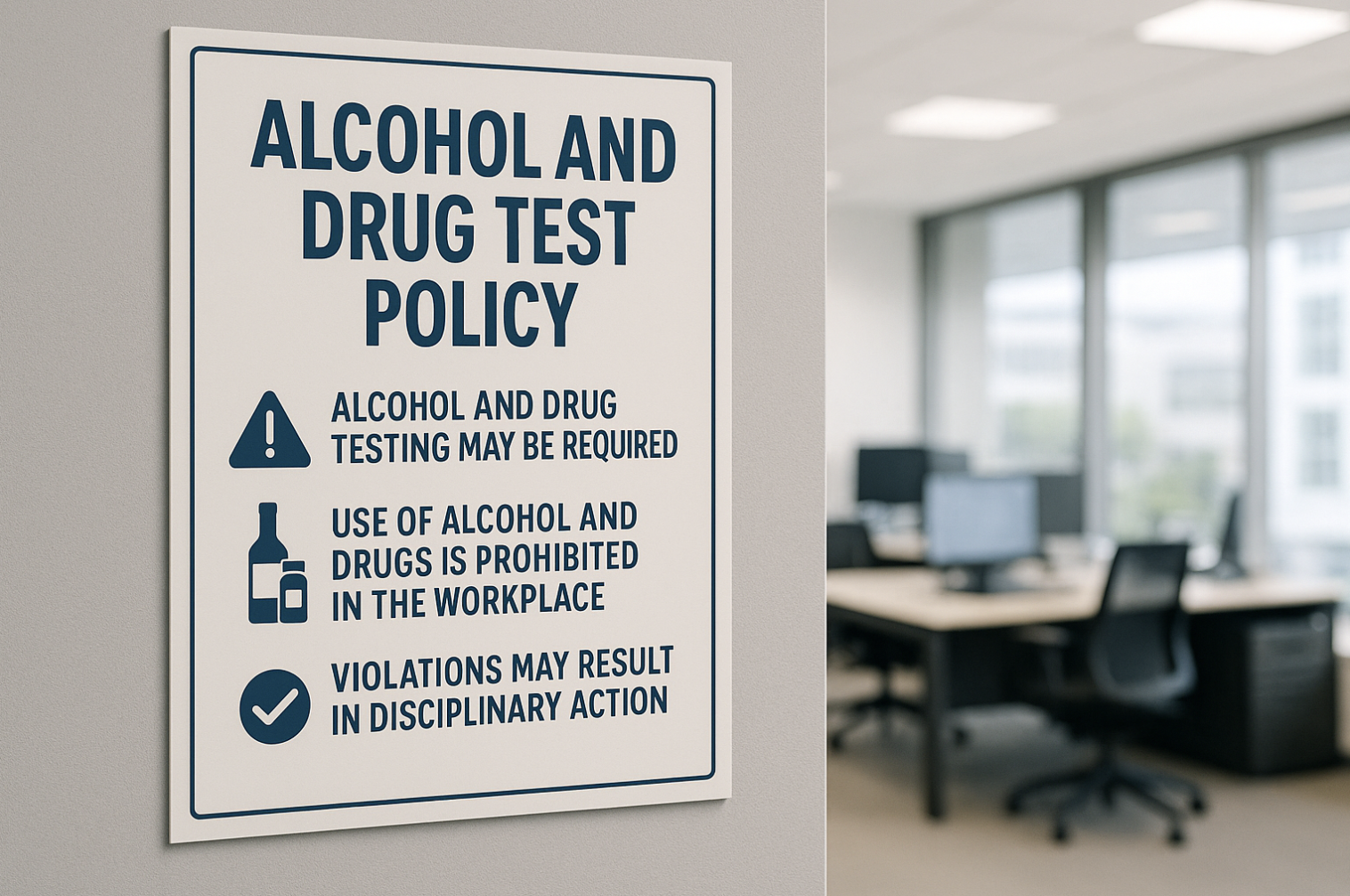
Most organizations outline their drug and alcohol policies in an employee handbook. These policies generally prohibit the possession, use, sale, or working under the influence of illegal substances or unprescribed controlled substances on company premises. Handbook guidelines specify disciplinary procedures, which may range from mandatory Employee Assistance Program (EAP) enrollment to immediate termination of employment.
The Drug-Free Workplace Act of 1988
Federal contractors and grantees receiving federal grants of any amount are mandated by the Drug-Free Workplace Act of 1988 to maintain a drug-free workplace. Covered employers must publish policies prohibiting controlled substances, establish drug awareness programs, and take formal disciplinary actions against employees convicted of workplace drug violations.
OSHA General Duty Clause
Under Section 5(a)(1) of the Occupational Safety and Health Act, known as the OSHA General Duty Clause, employers are legally required to provide a work environment free from recognized hazards that cause or are likely to cause death or serious physical harm. Operating machinery, driving commercial vehicles, or executing safety-sensitive tasks while impaired directly violates safety standards, forcing management to act quickly when credible reports are filed.
The Americans with Disabilities Act (ADA)
The Equal Employment Opportunity Commission (EEOC) enforces Title I of the Americans with Disabilities Act. The ADA distinguishes between current illegal drug use and a history of substance use disorder. Current illegal drug use is not a protected disability under the ADA. Employers may discipline or discharge employees for current illegal drug use or workplace impairment. However, individuals undergoing rehabilitation who are no longer using illegal drugs may be protected against discrimination.
Distinguishing Objective Evidence from Rumor and Speculation
HR departments and corporate legal teams will not initiate disciplinary proceedings or drug testing based on office gossip, personal grudges, or unverified speculation. For management to take action—including reasonable suspicion drug testing or termination—reports must rely on objective, verifiable, and observable indicators of impairment.
- Observed Behavioral / Physical Indicator
- Document Facts (5 Ws & Objective Signs)
- Submit Confidential Written Report to HR/Management
- Management Conducts Reasonable Suspicion Evaluation
- Policy Violation / Failed Test
- Corrective Action / Termination
- Unsubstantiated / Retested
- Documentation Kept Confidential
- Policy Violation / Failed Test
Observable Indicators vs. Unverified Speculation
| Category | Objective, Actionable Indicators | Unverified Speculation (Non-Actionable) |
|---|---|---|
| Physical Appearance | Odor of alcohol or cannabis; slurred speech; bloodshot eyes; extreme tremors; inability to maintain balance. | "They look tired and suspicious." |
| Workplace Conduct | Falling asleep at a workstation; dropping heavy machinery; erratic or aggressive verbal outbursts; visible possession of drug paraphernalia. | "I heard from a coworker that they party on weekends." |
| Performance Data | Direct observation of severe cognitive impairment; unexplained abandonment of a safety-critical post; dramatic uptick in physical near-misses. | "They seem less focused lately." |
| Legal/Policy Scope | Active substance use or distribution on company premises during shift hours. | Off-duty lawful activities that do not impact job performance or violate policy. |
Documenting Specific Incidents (The 5 Ws)
When preparing a report for HR, focus strictly on factual observations using the "5 Ws":
- Who: Name of the individual observed, along with any eyewitnesses present.
- What: The exact physical symptoms or actions observed (e.g., "staggering while walking down Hallway B," "smell of marijuana noted in the breakroom after entry").
- When: Precise dates, times, and duration of the observed behavior.
- Where: Exact physical location within the facility or job site.
- Witnessed Impact: Specific safety risks, property damage, or operational interruptions caused by the behavior.
Step-by-Step Guide: How to Report Workplace Substance Use
Reporting suspected drug use requires adherence to institutional chain-of-command guidelines to ensure company compliance and protect reporting employees from potential liability or workplace retaliation.
Step 1: Review Internal Company Policies
Before taking action, review your employee handbook or corporate compliance policies. Identify the designated reporting officer, who is typically an HR representative, an ethics officer, or a direct supervisor. Note whether your company provides an anonymous compliance hotline or a confidential reporting portal.
Step 2: Compile Objective, Factual Documentation
Create a detailed, written record of observed events. Limit entries to first-hand, verifiable facts. Avoid using accusatory or diagnostic language such as "they are an addict" or "they were high." Instead, describe concrete actions: "On Tuesday at 2:15 PM, Employee X was observed slurring speech during the team meeting and was unable to operate the forklift straight."
Step 3: Schedule a Private Meeting with HR or Management
Request a confidential meeting with HR or your supervisor. If the direct supervisor is the person exhibiting impairment, escalate the report to HR or the next manager in the chain of command. Present your documentation clearly, emphasizing any safety hazards or policy breaches.
Step 4: Submit a Formal Written Statement
Provide HR with a signed, written statement detailing your observations. Formal written reports create an official business record, obligating management to investigate under corporate risk management protocols.
Step 5: Maintain Strict Confidentiality
Do not discuss your report with coworkers, management outside the reporting chain, or external parties. Discussing suspected drug use with colleagues can breach internal policies, compromise HR investigations, and expose you to civil lawsuits for defamation or tortious interference.
What Happens After a Report Is Submitted?
Once a report is filed, management and HR follow standardized protocols to minimize legal liability and ensure fair treatment under employment laws. Reporting an employee does not lead to immediate termination; it initiates a structured investigation.
Reasonable Suspicion Evaluation
HR officers or trained managers evaluate the reported information to determine if it meets the legal threshold for "reasonable suspicion." Many organizations require two trained supervisors to independently observe and confirm physical or behavioral signs of impairment before requesting a drug screen.
Reasonable Suspicion Drug Testing
If reasonable suspicion is established, the employer may direct the employee to undergo mandatory drug testing at an accredited clinic. According to Federal Substance Abuse and Mental Health Services Administration guidelines, standard workplace drug testing uses a two-tiered testing process: an initial screening test followed by a confirmatory gas chromatography-mass spectrometry (GC-MS) or liquid chromatography-mass spectrometry (LC-MS) analysis to rule out false positives.
Disciplinary Action, EAP Referrals, and Termination
Outcome decisions depend on company policy, contract terms, union agreements, and state regulations:
- Immediate Termination: Common in safety-sensitive industries (e.g., transportation, construction, healthcare) upon a confirmed positive test result or refusal to test.
- Last Chance Agreements (LCAs): Some employers offer non-safety-sensitive employees the option to complete a mandatory substance abuse treatment program via an Employee Assistance Program (EAP). Failure to comply or a subsequent positive test results in immediate termination.
- Refusal to Test: In most jurisdictions, an employee's refusal to submit to a lawful reasonable-suspicion drug test constitutes insubordination and grounds for immediate discharge.
Legal Risks, Whistleblower Rights, and Off-Duty Conduct
Reporting workplace substance abuse carries legal responsibilities for both the reporter and the employer. Unsubstantiated claims or reporting off-duty legal activities can create significant civil liability.
- Report Filed with HR / Management
- Substantiated & Safety-Driven
- Protected under Workplace Whistleblower Laws
- False or Malicious Claim
- Risk of Defamation Lawsuits & HR Disciplinary Action
- Substantiated & Safety-Driven
Defamation and Libel Hazards
Making unproven assertions about an employee's drug use outside official reporting channels can lead to civil claims for defamation per se. In many legal jurisdictions, falsely accusing an individual of illegal drug use or professional unfitness is considered inherently damaging to reputation, exposing the accuser to monetary damages. Stick strictly to factual descriptions reported privately to HR.
Whistleblower Protections Against Retaliation
Employees who report genuine safety hazards or unlawful conduct in good faith are protected under federal and state whistleblower protection statutes. Under OSHA whistleblower rules and state labor codes, employers cannot retaliate—such as by demoting, firing, or harassing an employee—for making a good-faith report about workplace safety hazards related to employee impairment.
State-Specific Cannabis Laws and Off-Duty Use
State laws regarding cannabis use have evolved significantly. Certain states prohibit employers from discriminating against employees for off-duty, lawful use of recreational or medical cannabis, unless required by federal law or federal contracts.
However, state laws do not protect employees who possess, use, or are impaired by cannabis during working hours or on workplace property. HR departments evaluate cannabis-related reports based on active workplace impairment and safety violations rather than off-duty drug screens.
Comparing Reporting Channels and Requirements
| Reporting Channel | Primary Use Case | Standard of Evidence Needed | Potential Outcomes | Confidentiality Level |
|---|---|---|---|---|
| Direct Manager / Supervisor | Immediate workplace safety risks; active impairment during shift. | First-hand observation of physical/behavioral symptoms. | Immediate removal from duties; referral to HR for reasonable suspicion testing. | Internal management disclosure on a need-to-know basis. |
| Human Resources Department | Documented patterns of impairment; policy non-compliance; non-urgent reporting. | Written documentation listing specific dates, times, and observable facts. | Formal investigation; mandatory drug screening; EAP referral; termination. | High confidentiality within legal and corporate boundaries. |
| Anonymous Ethics Hotline | Concerns about retaliation; executive or supervisor impairment. | Clear details enabling independent verification by investigators. | Third-party corporate compliance review; independent site audit. | Full anonymity, depending on hotline system design. |
| Regulatory Agencies (e.g., OSHA, DOT) | Unaddressed safety hazards; employer failure to enforce mandated drug policies. | Systematic record of safety failures and unaddressed violations. | Regulatory inspections; corporate fines; mandatory compliance orders. | Protected federal whistleblower status. |
Frequently Asked Questions
Can someone be fired immediately for using drugs at work?
Yes, if company policy provides for immediate termination for drug possession, use, or working under the influence, and the employer confirms a violation through established procedures (such as a failed drug test or direct admission). Safety-sensitive roles subject to federal regulations, such as Department of Transportation (DOT) positions, often carry mandatory removal rules for policy breaches.
What happens if I report a coworker and they test negative?
If a report was filed in good faith based on clear observable facts, HR keeps the matter confidential, and no action is taken against the reporting employee. However, filing false, malicious, or fabricated reports violates corporate compliance policies and can lead to disciplinary action or termination for the accuser.
Does the ADA protect an employee who uses illegal drugs?
No. Title I of the Americans with Disabilities Act explicitly excludes current illegal drug users from disability protections. While individuals in active recovery who are no longer using illegal drugs may be protected from discrimination based on their history, active use or impairment at work is not protected.
Can I report an employee anonymously?
Many organizations maintain anonymous compliance hotlines or web portals managed by third-party vendors. While anonymous reporting protects identity, HR may find it harder to establish reasonable suspicion for drug testing without a named eyewitness who can sign a formal statement detailing observed behaviors.
How do state cannabis laws affect workplace drug reports?
State laws protecting legal off-duty cannabis use generally do not allow employees to work while impaired or consume cannabis on company time. HR focuses on active workplace impairment and policy violations rather than past off-duty consumption, aligning actions with local labor statutes.
Recommended Next Actions
If you observe an employee whose potential drug use creates safety hazards or breaches corporate policy:
- Prioritize Immediate Safety: If an individual's behavior poses an immediate physical danger to themselves or others (e.g., operating heavy machinery while visibly impaired), notify a site supervisor or safety officer immediately to suspend the hazard.
- Document Observed Facts: Record objective, unembellished observations including date, time, specific actions, physical indicators, and witnesses.
- Engage HR Privately: Schedule a confidential meeting with Human Resources to submit your written statement. Avoid discussing the matter with colleagues to prevent defamation risks and preserve confidentiality.
- Follow Corporate Protocols: Allow Human Resources and risk management teams to conduct their legal evaluation, reasonable suspicion testing, and disciplinary actions according to company standards.
Image Gallery