Foreign Currencies Definition Explained: How FX Markets and Exchange Rates Work
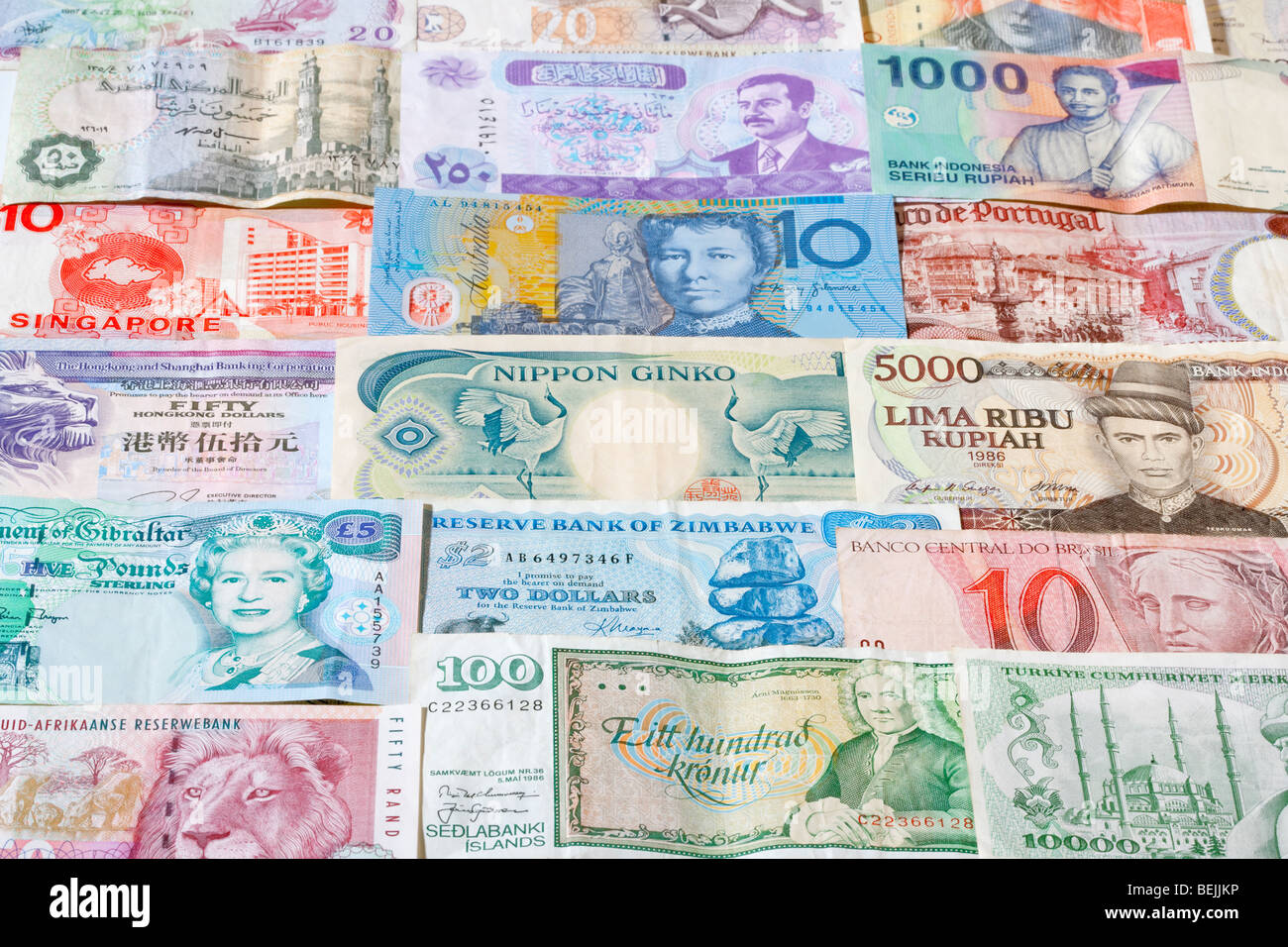
A foreign currency is any official legal tender issued by a government or monetary authority outside a sovereign nation's domestic border or economic jurisdiction. In global finance, foreign currencies act as the primary medium for cro...
A foreign currency is any official legal tender issued by a government or monetary authority outside a sovereign nation's domestic border or economic jurisdiction. In global finance, foreign currencies act as the primary medium for cross-border trade, international investment, central bank reserve management, and foreign exchange (forex) trading across global financial markets.
Contents
Disclaimer: This article is provided for informational and educational purposes only and does not constitute formal legal, tax, accounting, or investment advice. Foreign exchange transactions carry financial risk, and individuals or firms should consult qualified financial professionals regarding specific currency exposures.
What Is a Foreign Currency? Legal Tender and Jurisdictional Context
At its core, a foreign currency represents money recognized as legal tender within its home country or monetary union but treated as a non-domestic unit of account outside that specific boundary. For instance, the Euro (EUR) is the domestic legal tender across the Eurozone countries, but for a business located in the United States, the Euro is classified as a foreign currency. Conversely, the United States Dollar (USD) serves as a foreign currency for entities operating within Japan, Europe, or Australia.
Governments establish money through national legislation, granting a central bank or monetary authority the sole right to issue notes and coins. The legal status of legal tender implies that local creditors are generally required to accept the domestic currency for the settlement of debts within that specific jurisdiction. However, when economic transactions extend beyond sovereign boundaries—such as importing goods from abroad, purchasing international property, or acquiring overseas equities—parties must conduct exchange operations to acquire the foreign currency required by the seller.
The international standardized naming convention for foreign currencies relies on ISO 4217, a standard maintained by the International Organization for Standardization (ISO 4217 Standard). This standard assigns three-letter alphabetic codes to currencies worldwide—such as USD for the United States Dollar, JPY for the Japanese Yen, and GBP for the British Pound Sterling—eliminating ambiguity in cross-border financial transactions and banking operations.
Core Mechanics of Foreign Exchange: How Currencies Gain and Lose Value
Foreign currencies do not trade in isolation; they are priced relative to one another in pairs. The global market where these transactions occur is the foreign exchange market (also referred to as the FX or forex market).
Understanding Currency Pairs
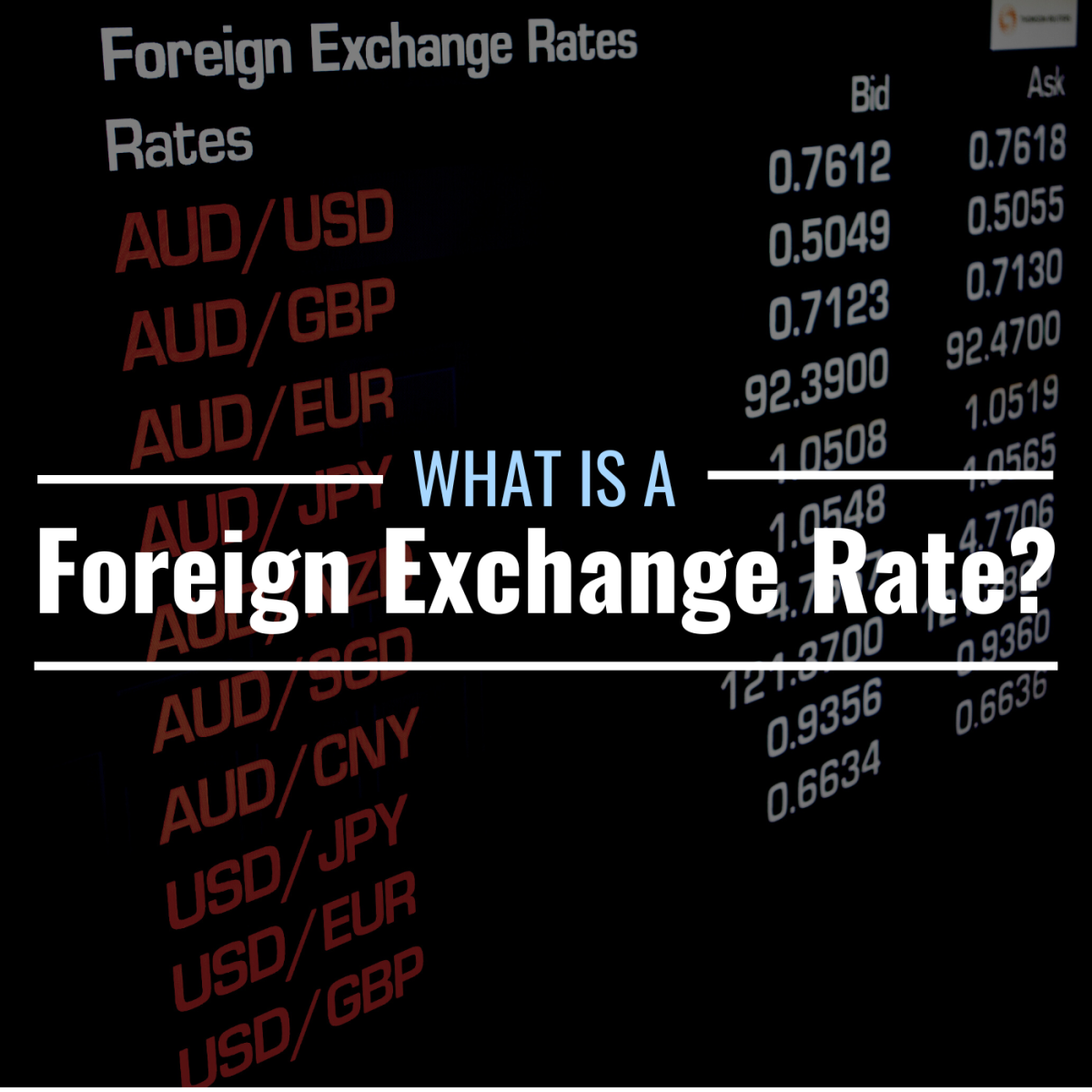
In foreign exchange quotation standards, a currency pair consists of a base currency and a quote currency (or counter currency).
- Base Currency: The first currency listed in a currency pair (e.g., EUR in EUR/USD). It represents the unit being bought or sold.
- Quote Currency: The second currency listed in a pair (e.g., USD in EUR/USD). It indicates the amount of quote currency needed to purchase one unit of the base currency.
If the exchange rate for EUR/USD is quoted at 1.0850, it means that 1 Euro can be exchanged for 1.0850 U.S. Dollars. When the exchange rate rises to 1.1000, the base currency (EUR) has appreciated relative to the quote currency (USD), meaning the Dollar has weakened.
Base Currency / Quote Currency = Exchange RateExample: EUR / USD = 1.0850(1 Euro costs 1.0850 U.S. Dollars)
Exchange Rate Regimes
How foreign currencies fluctuate depends heavily on the exchange rate regime established by national monetary authorities:
- Floating Exchange Rate: The value of the currency is determined purely by market supply and demand dynamics in foreign exchange markets. Major global currencies like the USD, EUR, JPY, and GBP operate primarily under floating regimes.
- Fixed or Pegged Exchange Rate: A government or central bank ties the value of its currency directly to another major currency (such as the USD) or a basket of currencies. The central bank actively buys or sells its own reserves to maintain the fixed peg.
- Managed Float (Crawling Peg): The monetary authority allows market forces to determine exchange rate shifts within a specific operational target band, intervening periodically to limit excessive volatility.
Key Drivers of Exchange Rate Movements
Currency valuations fluctuate constantly based on several macroeconomic and geopolitical indicators:
- Interest Rate Differentials: Central bank policy interest rates strongly influence capital flows. Higher interest rates typically attract foreign capital seeking better risk-adjusted yield, boosting demand for the foreign currency.
- Inflation Rates: Countries with consistently lower inflation rates tend to see their purchasing power strengthen relative to countries with higher inflation, supporting structural currency appreciation over time.
- Current Account Balances: A country with a trade surplus (exports exceeding imports) experiences net structural demand for its currency, whereas a net deficit country supplies more of its currency to global markets to pay for imported goods.
- Economic and Geopolitical Stability: Investors regularly reallocate capital toward currencies issued by nations with stable legal institutions, strong property rights, and reliable economic policy execution during global market stress.
Major Categories of Global Currencies
Not all foreign currencies fulfill identical roles in international commerce. Economists and market participants categorize global currencies based on their liquidity, reserve status, and economic drivers.
1. Global Reserve Currencies
Reserve currencies are foreign currencies held in significant quantities by central banks and major international institutions to settle international debts, back domestic monetary reserves, and influence exchange rate policies. The United States Dollar remains the dominant international reserve currency, followed by the Euro, the Japanese Yen, and the British Pound Sterling. The International Monetary Fund tracks these holdings via its official Currency Composition of Official Foreign Exchange Reserves (COFER) reporting framework.
2. Commodity Currencies
Commodity currencies belong to nations whose economies depend heavily on the export of raw materials, energy, or agricultural goods. Examples include the Canadian Dollar (CAD), the Australian Dollar (AUD), and the Norwegian Krone (NOK). The values of these foreign currencies often correlate directly with fluctuations in global prices for crude oil, industrial metals, or natural gas.
3. Emerging Market and Exotic Currencies
Emerging market currencies (such as the Brazilian Real [BRL], Indian Rupee [INR], and South African Rand [ZAR]) represent rapidly developing economies. While offering potential growth, these foreign currencies generally exhibit higher transaction spreads, lower liquidity, and greater price volatility than major currency pairs.
| Currency Name | ISO Code | Primary Category | Liquidity Level | Primary Value Drivers |
|---|---|---|---|---|
| United States Dollar | USD | Global Reserve / Major | Very High | Fed Interest Rates, Global Reserve Demand, U.S. Macro Data |
| Euro | EUR | Global Reserve / Major | Very High | ECB Monetary Policy, Eurozone Trade Balance, Regional Inflation |
| Japanese Yen | JPY | Global Reserve / Major | High | Bank of Japan Policy, Yield Curve Control, Global Risk Sentiment |
| Canadian Dollar | CAD | Commodity Currency | High | Crude Oil Prices, North American Trade Balances, BOC Policy |
| Australian Dollar | AUD | Commodity Currency | High | Industrial Metal Prices, Chinese Import Demand, Reserve Bank Policy |
| Brazilian Real | BRL | Emerging Market | Moderate | Agricultural/Mineral Exports, Domestic Fiscal Stability, Interest Margins |
Practical Applications: Why Foreign Currencies Matter
Understanding foreign currencies is essential for international corporations, institutional investors, and individual consumers navigating an interconnected economic system.
International Trade and Supply Chain Settlement
When a multinational corporation based in the United States imports electronics manufactured in South Korea, contract terms determine which currency is used for payment. If the vendor invoices in South Korean Won (KRW), the U.S. importer must exchange U.S. Dollars into KRW to satisfy the debt. Currency fluctuations between order placement and payment execution create foreign exchange risk (also known as translation or transaction exposure).
Foreign Direct Investment and Capital Markets
Institutional investors purchasing cross-border assets—such as European sovereign bonds or Japanese equities—must acquire the foreign currency of the target market. The ultimate return on investment depends on two independent factors:
- The asset's local price performance in its native country.
- The exchange rate movement between the asset's native foreign currency and the investor's home currency when converting proceeds back home.
Currency Hedging Strategies
To protect balance sheets from adverse exchange rate movements, international enterprises employ financial hedging strategies:
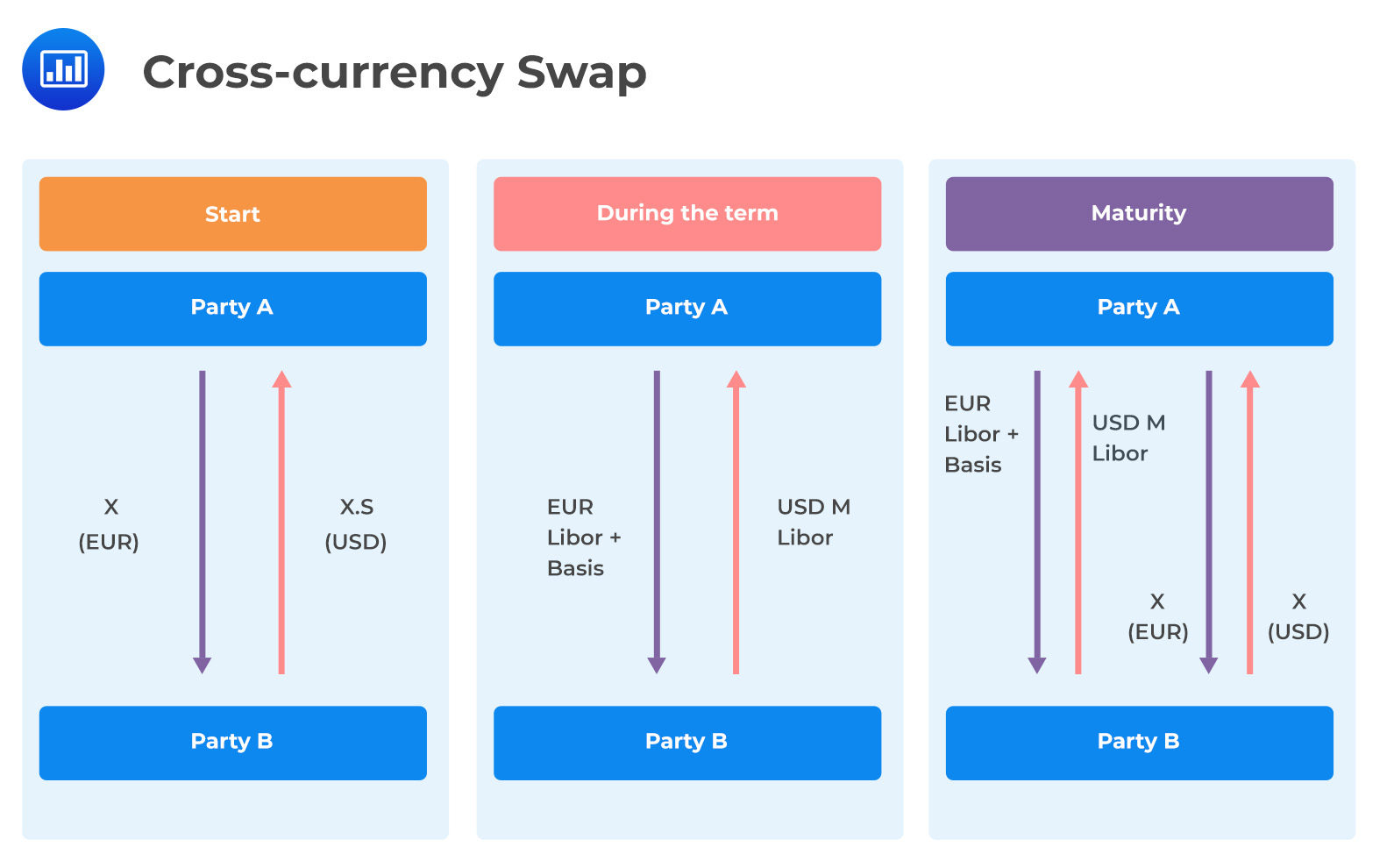
- Forward Contracts: Binding agreements to buy or sell a specified foreign currency at a predetermined exchange rate on a set future date.
- Currency Options: Contracts that grant the holder the right, but not the obligation, to exchange foreign currency at a specified price prior to expiration.
- Natural Hedging: Matching foreign currency revenues with local currency expenses within the same overseas market to minimize cross-border currency conversion.
Consumer and Personal Finance
For individuals, foreign currency considerations arise during overseas travel, international bank transfers, and remittance payments back to family in other countries. Banking institutions, credit card networks, and specialized foreign exchange platforms charge exchange rate markups and processing fees to execute foreign currency conversions.
Market Infrastructure and Regulation
The foreign exchange market is the largest and most liquid financial market in the world, processing trillions of dollars in daily transaction volume. According to the Bank for International Settlements, which conducts comprehensive triennial central bank surveys, global foreign exchange turnover remains dominated by institutional over-the-counter (OTC) trading.
Unlike equity exchanges operating from centralized physical locations, the foreign currency market operates as an interbank, decentralized electronic market spanning financial hubs across London, New York, Tokyo, Singapore, and Frankfurt.
- Global Interbank Market Infrastructure
- Central Banks, Tier-1 Investment Banks, Commercial Banks
- Corporations, Institutional Funds, & Brokerage Platforms
- Retail Investors, Tourists, & Exporters
Oversight and Standards
While the OTC foreign exchange market has no single global regulator, institutions participating in FX transactions are subject to domestic financial market conduct oversight:
- United States: The Commodity Futures Trading Commission (CFTC) and the National Futures Association (NFA) supervise retail FX intermediaries.
- United Kingdom: The Financial Conduct Authority (FCA) regulates currency brokerages and corporate FX dealing institutions.
- European Union: Regulatory oversight is governed under the Markets in Financial Instruments Directive (MiFID II) framework across EU member states.
Frequently Asked Questions
What officially defines a currency as "foreign"?
A currency is classified as foreign relative to a specific economic jurisdiction or reporting entity. Any legal tender issued by a foreign sovereign nation or monetary union that operates outside the domestic legal framework of the individual or company is considered a foreign currency.
What is the difference between spot and forward foreign exchange rates?
The spot exchange rate is the current price for converting one currency into another for immediate delivery (typically settled within two business days). A forward exchange rate is an agreed-upon rate fixed today for a transaction that will be settled at a specific future date, factoring in interest rate differentials between the two currencies.
How do foreign currency fluctuations affect domestic inflation?
When a country's home currency depreciates against major foreign currencies, purchasing imported goods, raw materials, and energy becomes more expensive. This dynamic can drive up domestic consumer prices, creating imported inflation across national supply chains.
Are digital assets or cryptocurrencies legally classified as foreign currencies?
In most sovereign jurisdictions, decentralized cryptocurrencies (such as Bitcoin) are classified as taxable property, digital assets, or financial instruments rather than foreign currencies. However, if a sovereign nation officially adopts a digital asset or issues a Central Bank Digital Currency (CBDC) as legal tender, institutional definitions may shift within relevant international financial regulatory frameworks.
Why do banks charge foreign transaction fees on international cards?
Banks and payment processors assess foreign transaction currency fees to cover foreign currency exchange conversion costs, cross-border settlement risks, and network processing fees involved in routing payments across international banking lines.
Recommended Actions for Managing Foreign Currency Exposure
- Map Your Currency Risk Profile: Identify all operational expenses, supplier contracts, offshore accounts, and foreign revenue channels to measure your net transaction and translation exposures.
- Standardize Naming Practices: Implement strict ISO 4217 three-letter currency code standards across corporate accounting, invoicing, and treasury management software systems.
- Compare FX Settlement Channels: Assess foreign exchange conversion spreads and wire charges across commercial banks, specialized payment service providers, and multi-currency business accounts to reduce processing costs.
- Implement Hedging Policies: For commercial enterprises with significant cross-border cash flows, collaborate with qualified corporate treasury advisors to establish formal forward contracting or currency option strategies.
Image Gallery