Taste the Fresh From the Oven Experience: The Science and Art of True Artisanal Baking
To truly taste the fresh from the oven experience, one must understand the complex interplay of thermodynamics, chemical leavening, and enzymatic activity that transforms raw dough into a textured, aromatic masterpiece. This sensory ph...
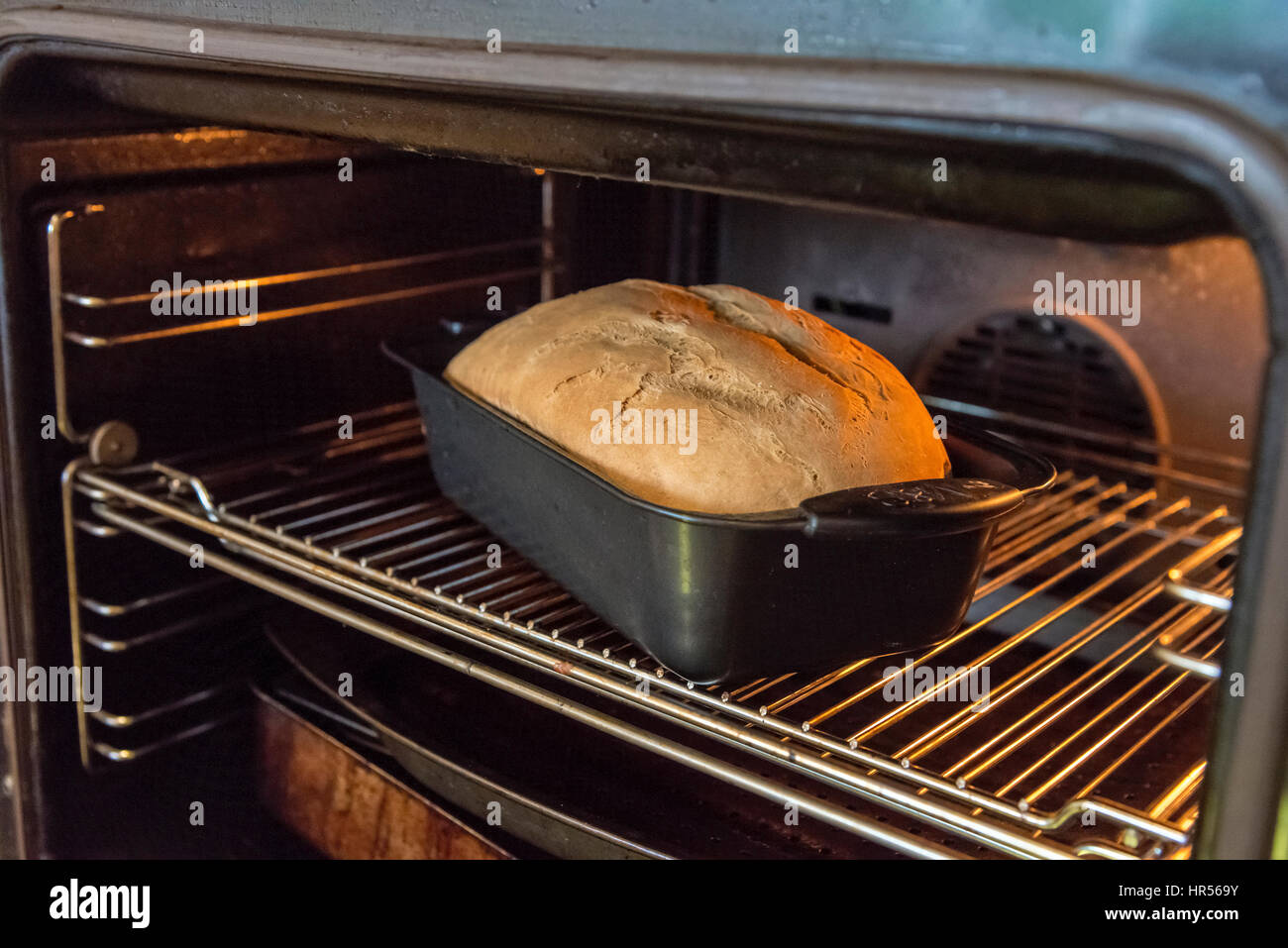
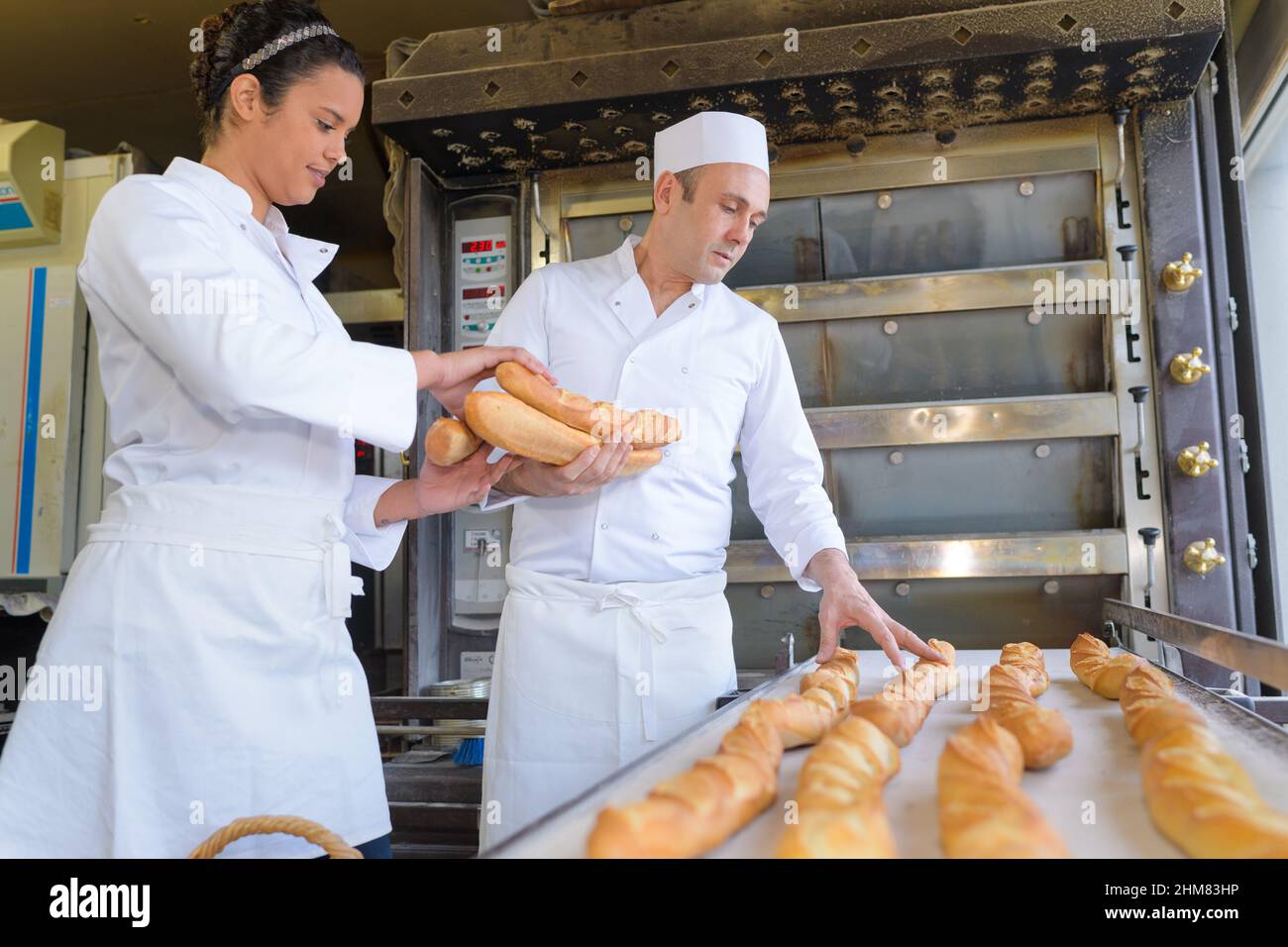
To truly taste the fresh from the oven experience, one must understand the complex interplay of thermodynamics, chemical leavening, and enzymatic activity that transforms raw dough into a textured, aromatic masterpiece. This sensory phenomenon relies on the precise timing of heat transfer, moisture evaporation, and the Maillard reaction to achieve an optimal balance of a crispy crust and a tender, aerated crumb.
Contents
Achieving the ultimate baking result requires moving past routine kitchen practices and examining the foundational elements that dictate bread and pastry quality. Whether you are an amateur home baker or an advanced culinary enthusiast, mastering the physical variables of thermal dynamics, gluten network development, and ingredient quality will permanently change how you approach the oven door.
The Sensory Anatomy of Freshness
The phrase "fresh from the oven" evokes a powerful sensory reaction, but what is actually happening physically when goods emerge from a hot baking chamber? Freshness is not merely a subjective preference; it is a measurable window of peak volatile compound concentration, optimal moisture distribution, and uncompromised structural integrity.
When a loaf of bread or a batch of pastries bakes, internal starches gelatinize, proteins coagulate to set the structure, and hundreds of volatile aroma compounds are synthesized via caramelization and the Maillard reaction. The moment the item exits the oven, a complex cooling process begins.
Volatile Aromas and Temperature
As baked goods cool, volatile flavor compounds—such as pyrazines, furans, and aldehydes—diffuse into the surrounding air. At peak warmth, these compounds are most volatile, which directly enhances the olfactory perception of taste. Once an item cools completely to room temperature, many of these delicate aromatics dissipate or become trapped within hardened fat and starch matrices.
Moisture Migration
Inside a freshly baked product, moisture is distributed relatively evenly due to steam pressure generated during the bake. As cooling occurs, moisture migrates from the interior crumb toward the crust. This gradual movement softens the exterior crust over time, which explains why the ultimate crisp texture has a fleeting lifespan.
The Physics and Chemistry of the Bake
To replicate or optimize the fresh-from-the-oven experience, you must understand the thermal phases every dough or batter undergoes inside the heating chamber. Baking is essentially a controlled dehydration and chemical transformation process.
Phase 1: Oven Spring and Expansion
During the first ten to fifteen minutes in a properly preheated oven, yeast or chemical leavening agents experience a final burst of rapid activity known as "oven spring." Trapped gases expand rapidly under thermal energy, and water turns to steam, creating internal pressure that inflates the gas cells within the gluten or protein network.
Phase 2: Starch Gelatinization and Protein Coagulation
As internal temperatures rise past 60°C (140°F), starches absorb available free water and swell, setting the soft structure of the crumb. Concurrently, gluten proteins coagulate around 70°C to 80°C (158°F to 176°F), locking the expanded volume into place so the product does not deflate.
Phase 3: Crust Browning and Flavor Development
Once the exterior moisture evaporates, surface temperatures rise significantly higher than the interior boiling point of water. This triggers the Maillard reaction—a chemical reaction between amino acids and reducing sugars—alongside caramelization, producing the golden-brown color and deeply savory notes characteristic of artisanal crusts.
Essential Prerequisites for Optimal Results
Replicating a commercial-grade or high-end bakery experience at home requires specific equipment and ingredient controls. Without these foundations, even the finest recipes will yield inconsistent textures.
- Accurate Thermal Control: Standard residential ovens often have significant temperature swings or calibration errors. Utilizing an independent, hanging oven thermometer ensures your baking environment matches recipe specifications.
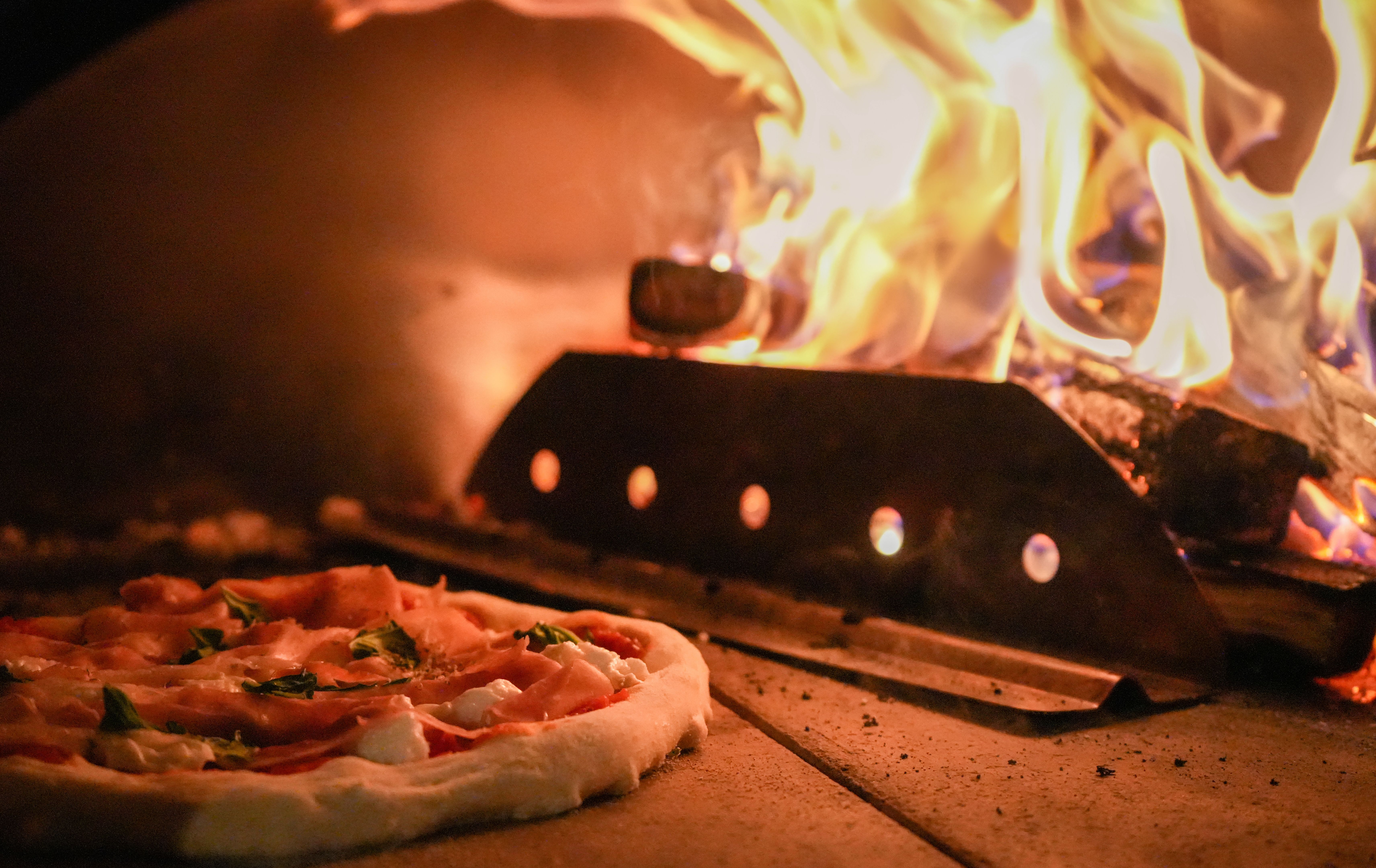
- High-Mass Baking Surfaces: Pizzas, artisan loaves, and flatbreads benefit immensely from thick cordierite baking stones or cast-iron baking steels. These materials store high amounts of thermal energy and transfer it rapidly to the dough upon contact, maximizing oven spring.
- Precision Weighing: Volumetric measuring using cups introduces massive margins of error due to flour compaction. Weighing all ingredients in grams using a digital scale guarantees consistent hydration ratios.
- Steam Management: For crusty breads, introducing steam during the first 20 minutes of baking delays crust set, allowing maximum volume expansion and producing a blistered, shiny exterior.
Comparative Analysis: Baking Methods and Equipment
Different baking apparatuses alter the final structural and textural outcome of your baked goods. Selecting the right tool depends entirely on the desired product profile.
| Baking Method | Primary Heat Transfer | Best Suited For | Key Advantages | Primary Limitations |
|---|---|---|---|---|
| Conventional Oven | Radiant & Natural Convection | Pastries, cakes, delicate cookies | Gentle heat, minimal drying out of sensitive batters | Uneven hot spots, longer preheat times |
| Convection Oven | Forced Air Circulation | Sheet pan items, roasts, multi-rack baking | Even heat distribution, faster bake times | Can dry out exposed dough surfaces prematurely |
| Cast-Iron Dutch Oven | Radiant & Direct Steam Sealing | Artisan sourdough, rustic boule loaves | Traps internal steam naturally, mimics commercial deck ovens | Heavy handling, single-loaf capacity |
| Baking Steel / Stone | Conductive Contact Heat | Neapolitan pizza, hearth breads | Incredible bottom crust blistering and crispness | Requires long preheat periods (45-60 mins) |
Step-by-Step Execution: Maximizing Freshness at Home
Executing a successful bake requires a disciplined workflow. Follow this sequential guide to ensure your final product delivers the ultimate fresh-from-the-oven experience.
- Preheat Thoroughly: Set your oven to the maximum required temperature at least 45 to 60 minutes before baking. A hot ambient air temperature is insufficient if the internal oven walls and baking surfaces have not fully saturated with heat.
- Prepare the Microclimate: If baking bread, set up a cast-iron skillet inside the oven during preheating to receive ice cubes or boiling water, creating the necessary steam environment right at loading time.
- Execute Clean Transfers: Score dough swiftly and decisively with a razor-sharp lame to direct the final expansion. Transfer the product onto your preheated stone or baking surface smoothly to prevent deflation.
- Monitor the Thermal Curve: Avoid opening the oven door during the first half of the bake. Sudden influxes of cooler air can collapse rising starches and ruin the oven spring.
- Cool with Ventilation: Once removed from the heat, transfer baked goods immediately to a wire cooling rack. Leaving items inside baking pans or on solid counters traps condensation on the bottom crust, creating a soggy texture.
Common Mistakes and Troubleshooting
Even experienced home cooks encounter structural failures that ruin the desired texture. Review these common pitfalls to correct your workflow.
- Premature Slicing: Cutting into hot bread right out of the oven disrupts the final setting of the crumb. The internal starch matrix is still holding excess moisture as steam; cutting prematurely results in a gummy, compressed texture. Allow bread to cool completely to an internal temperature below 35°C (95°F) before slicing.
- Inadequate Steam: A pale, thick, and chewy crust on artisan bread usually indicates a lack of sufficient steam during the initial bake phase. Ensure moisture is introduced effectively within the first ten minutes.
- Expired Leavening Agents: Using old baking powder or exhausted sourdough starters leads to dense, flat products that lack internal aeration and fail to develop proper oven spring.
- Over-kneading or Under-kneading: Failing to develop adequate gluten results in flat, crumbly structures, while over-working certain doughs can tear delicate protein strands, destroying gas retention.
Frequently Asked Questions
Why does bread lose its crispy crust so quickly after cooling?
Crust crispness depends on low surface moisture. Once a baked good leaves the oven, internal moisture continuously migrates outward toward the drier crust. In humid environments, the crust also absorbs ambient moisture from the air, softening the cellular structure within hours.
How can I restore the fresh-from-the-oven texture to day-old bread?
To revive day-old bread, run the loaf quickly under running water to dampen the hardened crust without soaking the interior. Place the dampened loaf directly into a preheated oven at 200°C (400°F) for 5 to 8 minutes. The external water flashes into steam, recrisping the crust while gelatinizing residual starches to restore soft crumb texture.
Does the type of flour fundamentally alter the baking experience?
Yes. Protein content varies wildly between flours. Bread flour contains roughly 12-14% protein, which creates strong gluten networks necessary for chewy, well-risen loaves. Cake flour contains only 7-9% protein, producing tender, fine crumbs unsuitable for structural hearth breads.
Why is preheating a baking stone mandatory?
Placing dough onto a cold stone ensures that the bottom of the item heats up slowly, allowing the dough to spread flat rather than puffing upward. A scorching hot stone initiates instant yeast activity and bottom-crust setting, driving the gas upward for maximum vertical volume.
Can convection settings ruin delicate pastries?
Convection fans circulate air aggressively, which can blow asymmetrical shapes into delicate batters like choux pastry or soufflés. However, for cookies and laminated pastries like croissants, convection provides even heat that accelerates butter layer separation and flakiness.
Next Actions for the Dedicated Baker
To elevate your baking craft beyond standard recipes, audit your current kitchen inventory. Invest in a reliable digital scale, a heavy baking steel or Dutch oven, and a precision oven thermometer. Practice thermal discipline by strictly adhering to preheat times and cooling protocols. By treating baking as an applied science of heat, moisture, and chemistry, you will consistently achieve the ultimate fresh-from-the-oven experience.
Image Gallery