The Average Net Worth of a Native American Family: Economic Realities in 2026
As of 2026, the median net worth of a Native American family is estimated to be approximately $9,500 to $11,000, while the mean (average) net worth is significantly higher due to wealth concentration among a small segment of the popula...
As of 2026, the median net worth of a Native American family is estimated to be approximately $9,500 to $11,000, while the mean (average) net worth is significantly higher due to wealth concentration among a small segment of the population. This figure represents a fraction of the national median net worth for White households, highlighting a persistent and structural wealth gap rooted in historical land policies, limited access to traditional credit, and geographical isolation.
Contents
Understanding the financial standing of Indigenous households in the United States requires moving beyond a single number. Net worth—the total value of assets like homes, bank accounts, and investments minus liabilities like mortgages and student loans—is a primary indicator of economic resilience. For Native American families, this metric is influenced by a unique set of legal, geographic, and historical factors that distinguish their economic experience from any other demographic in the country.
The Statistical Landscape of Native American Wealth
Quantifying the wealth of Native American families has historically been a challenge for economists. Due to relatively small sample sizes in national surveys like the Federal Reserve’s Survey of Consumer Finances (SCF), Indigenous households are frequently categorized under "Other," which obscures the specific economic realities of the approximately 9.7 million people who identify as American Indian or Alaska Native (AI/AN).
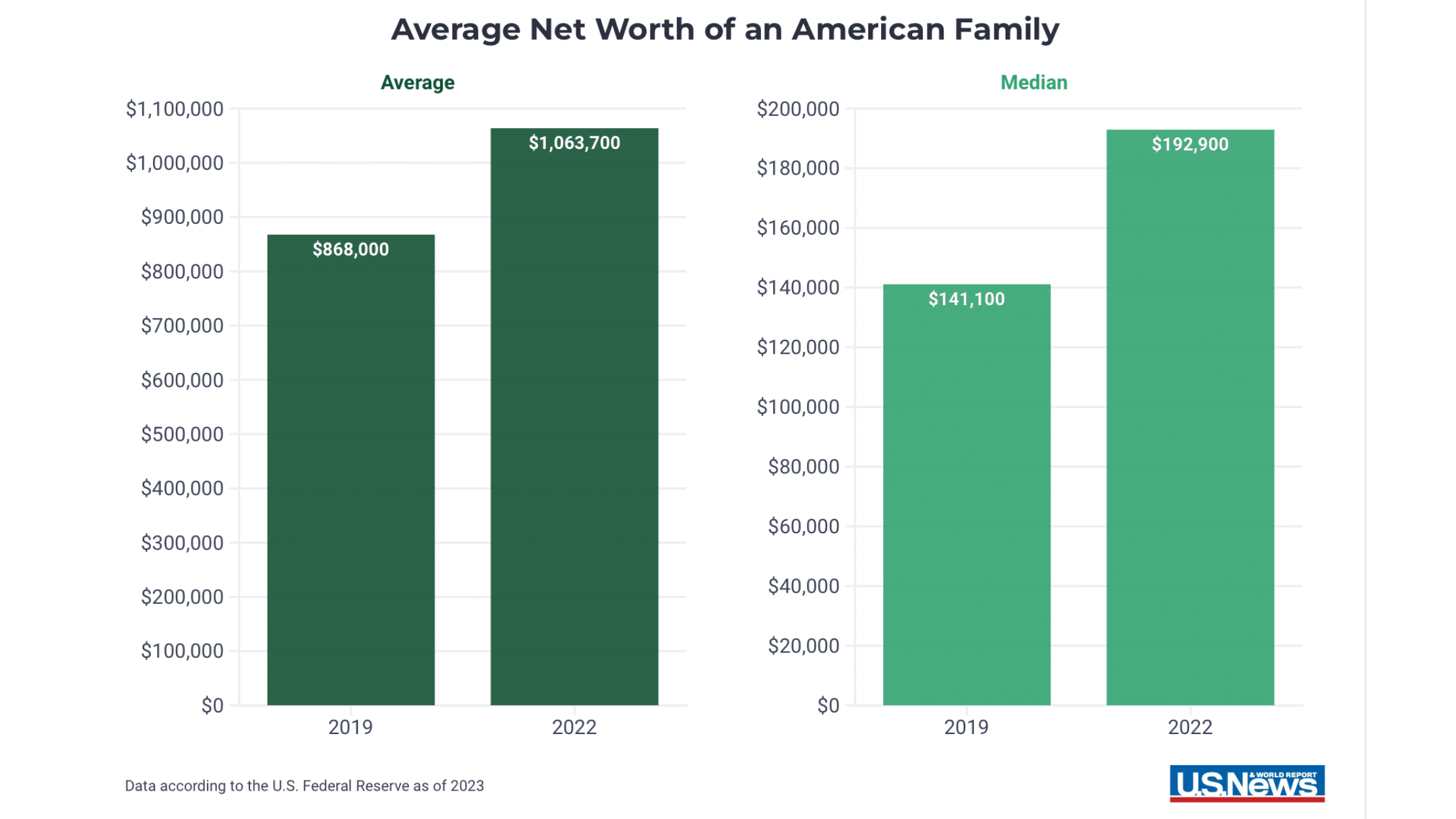
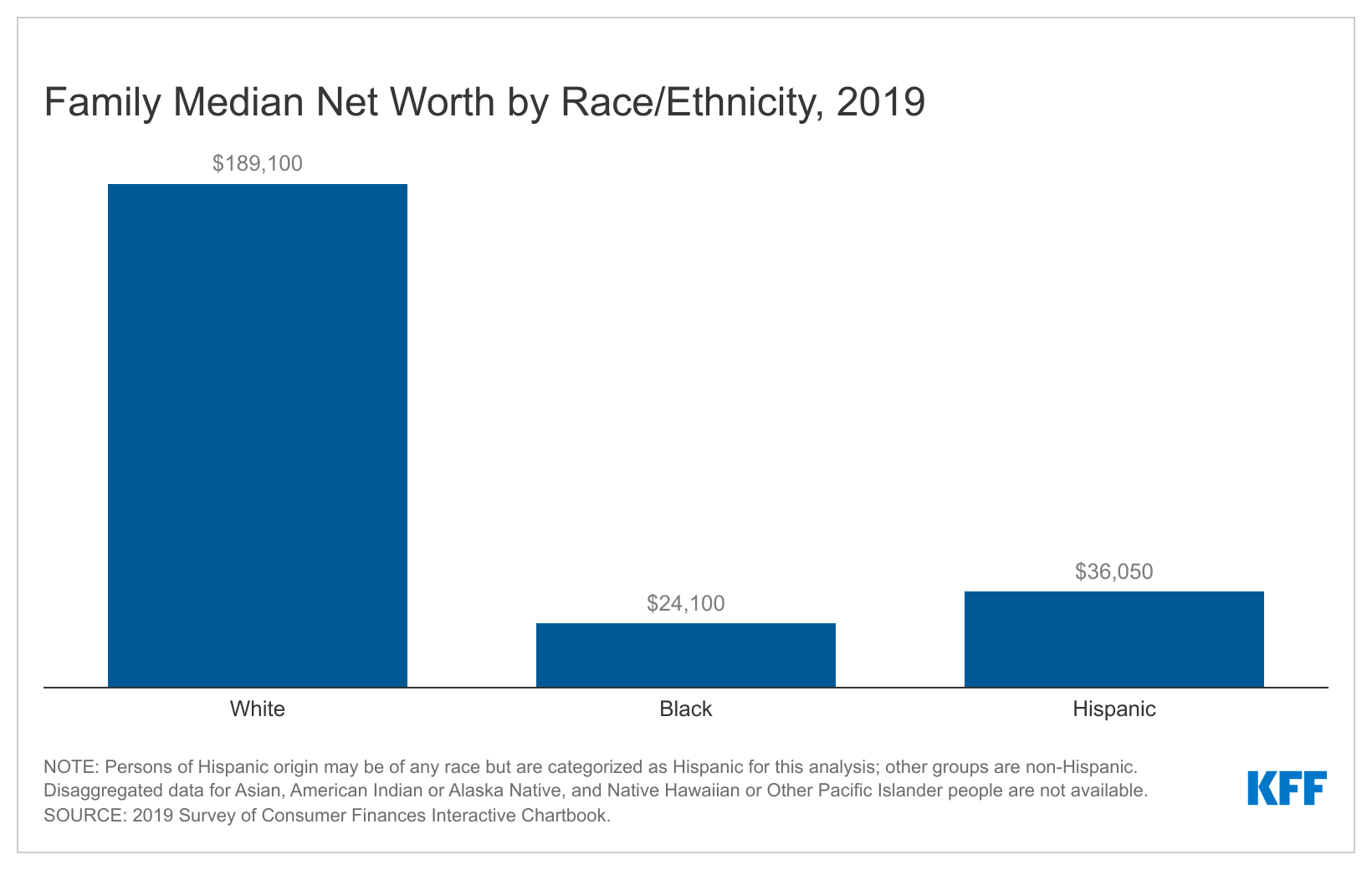
However, data from the Federal Reserve Bank of Minneapolis and independent research organizations indicates that the wealth gap remains stark. While the median net worth of White families has historically hovered above $250,000 in recent years, the median Native American family often possesses less than 10 cents for every dollar of wealth held by their White counterparts.
Median vs. Mean Net Worth
The distinction between median and mean is critical when discussing Native American wealth. The mean net worth is often skewed upward by a small number of high-net-worth individuals and successful tribal business owners. In contrast, the median net worth—the midpoint where half of families have more and half have less—provides a more accurate reflection of the "typical" family’s financial health. For many Indigenous families, net worth is tied closely to liquid assets and personal property, as homeownership on reservation land does not always translate into transferable equity in the same way it does in the private market.
The Impact of Land Status on Asset Accumulation
The single greatest driver of the wealth gap for Native American families is the unique legal status of tribal lands. In the United States, a significant portion of reservation land is held in "trust status" by the federal government. This means that while an individual or tribe may occupy and use the land, the title is held by the U.S. Department of the Interior.
The Collateral Paradox
For the majority of American families, home equity is the primary vehicle for building net worth. When a family owns a home in "fee simple" (outright ownership), they can use that home as collateral for loans to start businesses, pay for education, or cover emergency expenses.
On trust land, this is often impossible. Because the land cannot be alienated or encumbered without federal approval, traditional banks are frequently unwilling or unable to issue standard mortgages. This leads to several economic consequences:
- Reduced Homeownership Rates: Native Americans have some of the lowest homeownership rates in the nation, particularly on-reservation.
- Stagnant Equity: Even when homes are built, the lack of a traditional real estate market on trust land means these homes do not appreciate in value at the same rate as off-reservation properties.
- Higher Interest Rates: Families often rely on "chattel loans" (loans for mobile or manufactured homes) which carry significantly higher interest rates than traditional mortgages, further draining household wealth.
Historical Drivers of the Modern Wealth Gap
To understand why the average net worth remains low in 2026, one must look at the cumulative effect of historical policies. Wealth is intergenerational; it is passed down through inheritance, education, and stable housing. Native American families have faced centuries of policies specifically designed to disrupt this transfer.
The Dawes Act and Land Fractionation
The General Allotment Act of 1887 (Dawes Act) broke up tribal lands into individual plots. Over generations, as these plots were inherited by multiple heirs, the land became "fractionated." Today, a single 40-acre plot might have hundreds of individual owners, making it nearly impossible to use the land for productive economic activity like agriculture or development. This "locked" capital prevents families from generating income from their own ancestral holdings.
The Education and Wage Gap
While educational attainment has risen significantly among Native American youth, a wage gap persists. According to the U.S. Census Bureau, Indigenous workers are often concentrated in lower-wage sectors or face "geographic traps" where the only available jobs are in remote areas with limited upward mobility. Lower wages directly translate to a lower capacity to save and invest, which are the cornerstones of building net worth.
Tribal Enterprises and Their Influence on Family Wealth
A common misconception is that the "casino boom" has made all Native American families wealthy. While tribal gaming and diversified enterprises (such as energy, federal contracting, and tourism) have transformed the economies of some nations, the impact on individual family net worth varies wildly by tribe.
Per Capita Payments
Some tribes distribute a portion of gaming or natural resource revenue directly to tribal members through "per capita" payments. For families in these tribes, these payments can provide a baseline of financial security and an opportunity to invest. However, the majority of federally recognized tribes do not have large-scale gaming operations or choose to reinvest profits into tribal services—such as healthcare, housing, and education—rather than direct payments.
The Multiplier Effect
The real impact of tribal enterprises on family net worth is often indirect. By providing stable, living-wage jobs on or near reservations, tribal governments allow families to remain in their communities while building savings. Tribes that have successfully diversified into tech, aerospace, and renewable energy are seeing a gradual rise in the median net worth of their citizens as the local "middle class" expands.
Comparative Wealth Data (Estimated 2026)
The following table compares the estimated median net worth across different demographic groups to contextualize the Native American experience.
| Demographic Group | Estimated Median Net Worth (2026) | Primary Wealth Driver |
|---|---|---|
| White (Non-Hispanic) | $285,000 | Home Equity & Stock Market |
| Asian | $210,000 | Education & Professional Income |
| Hispanic/Latino | $48,000 | Emerging Small Business & Housing |
| Black/African American | $32,000 | Increased Homeownership |
| Native American | $10,200 | Tribal Employment & Personal Property |
Note: These figures are projections based on historical growth rates and 2023-2025 economic trends. Native American data is synthesized from multiple sources, including the Urban Institute and the Federal Reserve Bank of Minneapolis.
Barriers to Financial Inclusion and Credit Access
Net worth is not just about what you own, but also about the cost of what you owe. Native American families frequently face "banking deserts." Many reservations have no physical bank branches, forcing residents to rely on high-cost alternative financial services like payday lenders or title loan shops.
The Role of Native CDFIs
Community Development Financial Institutions (CDFIs) that specifically serve Native communities have become essential in bridging the wealth gap. These organizations understand the complexities of trust land and provide specialized loan products for first-time homebuyers and small business owners. By providing credit to those "unbanked" or "underbanked," Native CDFIs are one of the most effective tools for increasing household net worth.
Debt-to-Income Challenges
High levels of medical debt and student loan debt disproportionately affect Indigenous households. Because Native Americans have higher rates of chronic health issues—often linked to environmental factors and historic lack of access to care—medical bills frequently wipe out family savings, preventing the accumulation of net worth.
Future Outlook: Building Indigenous Wealth
Despite the challenges, there are signs of economic resilience. Native-owned businesses are growing at a rate faster than the national average. As more tribes assert their sovereignty over their economic systems, we are seeing a shift toward "Nation Building" models that prioritize individual family prosperity alongside tribal government success.
Key factors that could increase the average net worth by 2030 include:
- Digital Infrastructure: Expansion of high-speed internet to tribal lands, allowing for remote work and global entrepreneurship.
- Land Reform: New federal and tribal initiatives to consolidate fractionated land and streamline the mortgage process on trust land.
- Educational Investment: Targeted scholarships and vocational training in high-growth fields like green energy and cybersecurity.
Frequently Asked Questions
Does tribal membership guarantee a high net worth?
No. Tribal membership does not equate to personal wealth. While some tribes provide "per capita" payments from business revenues, most Native American families rely on standard employment, and many live in areas with limited economic opportunities. Net worth remains tied to individual employment, savings, and debt management.
Why is there such a large gap between Native American and White household wealth?
The gap is the result of over a century of "compounded disadvantage." This includes the inability to build equity in homes on trust land, lower historical wages, and a lack of inherited wealth. While White families often benefit from "intergenerational transfers" (inheritances or help with down payments), many Native families are starting from zero or negative net worth.
How do "Per Capita" payments affect a family's net worth?
For families receiving them, per capita payments can significantly boost liquid assets. However, these payments are often treated as taxable income. If a family uses the payment for immediate consumption rather than investment or debt reduction, the long-term impact on their net worth may be minimal.
Is the wealth gap closing in 2026?
There is evidence of a slow narrowing of the gap in specific regions, particularly where tribes have successfully diversified their economies. However, on a national scale, the gap remains wide because the assets held by White and Asian households (like stocks and urban real estate) have appreciated faster than the assets typically held by Native American families.
How does the "Trust Land" system affect small business owners?
Native entrepreneurs on reservations often cannot use their land or homes as collateral for business loans. This forces many to rely on personal credit cards or high-interest micro-loans, which limits the scale at which they can grow their businesses and, consequently, their personal net worth.
Practical Recommendation for Economic Growth
For individuals and organizations looking to support the growth of Native American wealth, the most effective path is through investment in Native CDFIs. These institutions are uniquely positioned to navigate the legal complexities of Indian Country, providing the capital necessary for homeownership and entrepreneurship—the two most reliable engines for increasing family net worth.
Image Gallery