Analyzing the Professional Career and Estimated Net Worth of Karl Dunbar
Karl Dunbar is a highly respected figure in professional football coaching, primarily recognized for his extensive tenure as a defensive line coach in the National Football League (NFL) and collegiate ranks. While precise figures regar...
Karl Dunbar is a highly respected figure in professional football coaching, primarily recognized for his extensive tenure as a defensive line coach in the National Football League (NFL) and collegiate ranks. While precise figures regarding his personal net worth are not publicly disclosed by financial institutions or personal filings, his accumulated wealth is derived from his long-standing career at the highest levels of competitive football, spanning multiple decades of coaching roles.
Contents
The Trajectory of a Coaching Career
To understand the financial standing of an NFL coach like Karl Dunbar, one must first look at the professional path he forged. A former defensive lineman himself, Dunbar played for the New Orleans Saints, Phoenix Cardinals, and the World League of American Football’s Frankfurt Galaxy in the early 1990s. This foundation as a player is often the prerequisite for a long-term coaching career, providing the necessary credibility and tactical understanding required to lead elite athletes.
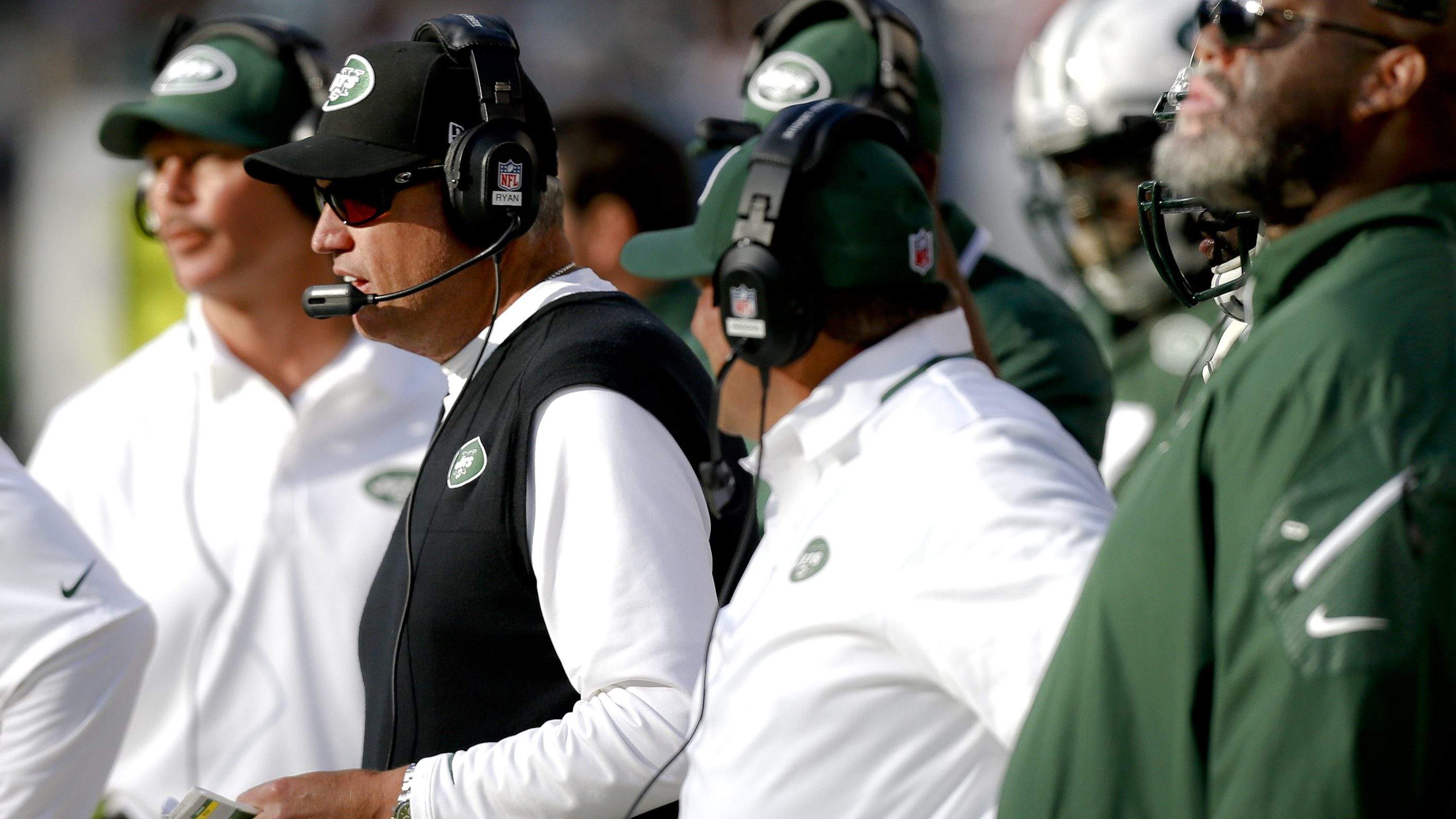
Dunbar’s coaching career began in the collegiate ranks before transitioning into the NFL. His stops include positions at Louisiana State University (LSU), Oklahoma State, and the University of Alabama, where his reputation for developing defensive talent—particularly along the defensive line—was solidified. In the NFL, he has held significant roles with the Chicago Bears, Minnesota Vikings, New York Jets, Buffalo Bills, and the Pittsburgh Steelers. Coaching at this level involves high-pressure environments, multi-year contracts, and performance-based incentives, all of which contribute to the total career earnings of an assistant coach.
Factors Influencing NFL Assistant Coach Compensation
Unlike head coaches, whose salaries are often public knowledge due to the high-profile nature of their contracts, assistant coach salaries are rarely made public. However, several industry standards provide a framework for understanding how compensation is structured in the NFL.
- Tenure and Experience: Coaches with decades of experience, particularly those who have served as defensive coordinators or specialized positional leads, command significantly higher salaries. Dunbar’s decades of service place him in the veteran category of the profession.
- Organizational Scale: The financial health of the NFL franchise plays a role. Teams with consistent playoff appearances and higher revenue streams typically have larger salary pools for their coaching staff.
- Contract Guarantees: Coaching contracts in the NFL are often multi-year agreements. While these are subject to the volatility of the league, established coaches like Dunbar often negotiate stability into their terms, providing a predictable income stream over several years.
- Performance Incentives: It is common for high-level coaches to have performance clauses tied to team success, such as playoff berths, division titles, or defensive statistical milestones.
Estimated Financial Profile
When evaluating the net worth of an individual in a profession without public financial reporting, observers often look to lifestyle indicators, investment duration, and industry peers. It is important to distinguish between gross annual income and net worth. While an NFL coach’s salary is substantial—often ranging from hundreds of thousands to over a million dollars annually depending on the specific role—the "net worth" figure represents the total value of assets minus liabilities.
For a career spanning over 30 years in professional and collegiate coaching, wealth accumulation is typically driven by:
- Compounded Retirement Contributions: NFL coaches often participate in league-sponsored pension and 401(k) plans.
- Real Estate Holdings: Long-term coaches often acquire property in the various cities where they work or maintain a primary residence in regions with favorable tax environments.
- Secondary Revenue Streams: Experienced coaches often engage in private clinics, speaking engagements, and specialized training programs during the offseason, which serve as supplementary income.
Comparison Table: Factors in Coaching Compensation
The following table illustrates the variables that typically impact the financial trajectory of a career in professional football coaching.
| Factor | Impact on Earning Potential | Considerations |
|---|---|---|
| Experience Level | High | Veterans command higher base salaries and tenure-based bonuses. |
| Positional Focus | Moderate | Specialized roles, like defensive line, are essential to scheme success. |
| League Tier | High | NFL coaching staff generally earn higher base pay than collegiate staff. |
| Post-Season Success | Moderate | Performance bonuses for playoff appearances are standard. |
| Tenure at Franchise | Low to Moderate | Job security fluctuates; turnover is common in the NFL. |
The Nature of Financial Privacy for NFL Personnel
It is a common misconception that individuals employed by professional sports teams have their net worth monitored by the public in the same manner as athletes or public CEOs. Because coaches are classified as employees rather than stakeholders or shareholders of the franchises for which they work, they are under no legal obligation to file public financial disclosures.
Financial estimates found on various online platforms are frequently speculative, relying on algorithmic calculations that do not account for individual spending, personal debt, tax obligations, or private investment portfolios. Readers should approach such estimates with caution, recognizing that they do not reflect certified financial data. A realistic assessment of an individual in this role should focus on the stability of their profession and the longevity of their career rather than specific numerical figures that cannot be verified through official documentation.
Professional Guidance and Financial Planning
For individuals in high-earning but volatile professions like professional sports coaching, financial planning is critical. Many coaches utilize private wealth management services to navigate the challenges of frequent relocation and the inherent uncertainty of the sports industry.
- Asset Allocation: Managing a portfolio across different tax jurisdictions is often required for coaches who move between states during their careers.
- Tax Efficiency: Given the high tax brackets associated with professional coaching salaries, financial advisors often focus on tax-advantaged accounts and long-term tax planning.
- Estate Planning: Ensuring that wealth is preserved for family and beneficiaries is a priority for professionals whose income is tied to personal service contracts.
Frequently Asked Questions
How is a coach's salary determined in the NFL? Salary is determined by negotiation between the coach and the franchise, based on the coach’s historical performance, years of experience, and the specific demands of the coaching role.
Are NFL coaching salaries public information? No, NFL coaching contracts are private agreements between the club and the employee. Only head coach salary estimates are sometimes reported by sports journalists, but these are rarely confirmed by teams.
Does Karl Dunbar’s defensive scheme influence his market value? Yes. Dunbar is highly regarded for his technical expertise in developing defensive linemen. In the NFL, coaches who have a track record of improving player performance are viewed as high-value assets, which provides leverage during contract negotiations.
How does an NFL coach build wealth over time? Wealth is built through the accumulation of salary over long periods, the benefits of NFL-sponsored retirement plans, prudent real estate investments, and the potential for secondary income from coaching clinics and public appearances.
Should I rely on online net worth calculators for coaching figures? No. These figures are generally estimates derived from incomplete data and often lack accuracy regarding an individual's private financial situation, debt, and tax burdens.
Next Steps for Interested Observers
If you are tracking the career of Karl Dunbar for professional or research purposes, focus on his coaching achievements and his impact on team defensive rankings. His career is characterized by his ability to maintain relevance and success across different organizations over three decades. For those interested in the broader financial mechanics of the NFL, exploring league-wide collective bargaining agreements and the standard practices of professional coaching contracts offers a more accurate understanding of the industry than focusing on individual net worth estimates.
Image Gallery