Jaguars in Arizona: Understanding the Status of the Northernmost Population
Jaguars in Arizona represent the northernmost extent of the species' range, primarily found within the "Sky Island" mountain ranges of the southern part of the state. These elusive apex predators are transient individuals migrating fro...
Jaguars in Arizona represent the northernmost extent of the species' range, primarily found within the "Sky Island" mountain ranges of the southern part of the state. These elusive apex predators are transient individuals migrating from established populations in Sonora, Mexico. Conservation efforts, legal protections, and cross-border habitat connectivity are essential to the ongoing presence of these cats in the region.
Contents
The Historical and Current Context of Jaguars in the Southwest
The jaguar (Panthera onca) was historically present across much of the southwestern United States. Throughout the 19th and early 20th centuries, predator control programs—often incentivized by livestock interests—led to a significant decline in the population. By the mid-20th century, the species was largely considered extirpated from the American Southwest, with only sporadic, unverified sightings reported over the subsequent decades.
In the 21st century, the status of the jaguar in Arizona has shifted from that of a vanished resident to a rare, transient visitor. The modern reality is that there is no established, self-sustaining breeding population within Arizona. Instead, the individual jaguars documented in the state—such as the well-known males nicknamed "El Jefe" and "Sombra"—are almost exclusively males moving north from the nearest breeding population located in the Sierra Madre Occidental of Sonora, Mexico. These animals utilize the unique corridors provided by the rugged, biodiverse Sky Islands, which act as a biological bridge connecting the tropical habitats of the south with the temperate environments of the north.
Understanding the Habitat: The Sky Islands
The primary reason jaguars are occasionally found in Arizona is the presence of the Madrean Archipelago, more commonly known as the Sky Islands. This region consists of isolated mountain ranges separated by desert or grassland valleys. This topographical diversity provides a wide range of elevations and vegetation types, offering prey, cover, and water sources necessary for a wide-ranging apex predator.
The success of a jaguar in Arizona depends on habitat connectivity. If the valleys between these mountain ranges are fragmented by urban development, highways, or border infrastructure, the ability of these cats to traverse the landscape is severely compromised. Conservationists emphasize that maintaining these natural corridors is the most critical factor in allowing individual jaguars to reach Arizona and potentially return to Mexico to breed.
Legal Status and Federal Protections
The legal framework governing the protection of the jaguar in the United States is robust, primarily rooted in the Endangered Species Act (ESA) of 1973. The jaguar was listed as an endangered species under the ESA in 1997. Following a series of legal challenges and petitions, the U.S. Fish and Wildlife Service (USFWS) finalized a critical habitat designation in 2014.
This designation identifies specific areas in southern Arizona and southwestern New Mexico as essential for the conservation of the species. It is important to note that a "critical habitat" designation does not create a federal reserve or grant the government new powers over private land, but it does mandate that federal agencies ensure their actions do not adversely modify or destroy these areas. The primary regulatory impact is on federal projects, such as the construction of major infrastructure, which must undergo formal consultation to ensure they do not jeopardize the survival of the species.
Comparison of Key Factors for Jaguar Presence
The following table outlines the factors that influence the presence and study of jaguars in the Arizona region compared to their core range.
| Factor | Arizona (Northern Range) | Sonora/Mexico (Core Range) |
|---|---|---|
| Population Status | Transient individuals only | Established breeding population |
| Primary Interaction | Rare, camera-trap documentation | Regular ecological monitoring |
| Habitat Type | Marginal, northern Sky Islands | Tropical/Subtropical forest |
| Legal Protection | U.S. Endangered Species Act | NOM-059-SEMARNAT (Mexico) |
| Connectivity | Highly dependent on corridors | Contiguous wilderness areas |
Challenges to Conservation and Monitoring
Monitoring a species as secretive as the jaguar in such rugged terrain presents significant technical and logistical challenges. Researchers primarily rely on non-invasive methods to track these cats.
Camera Trap Technology
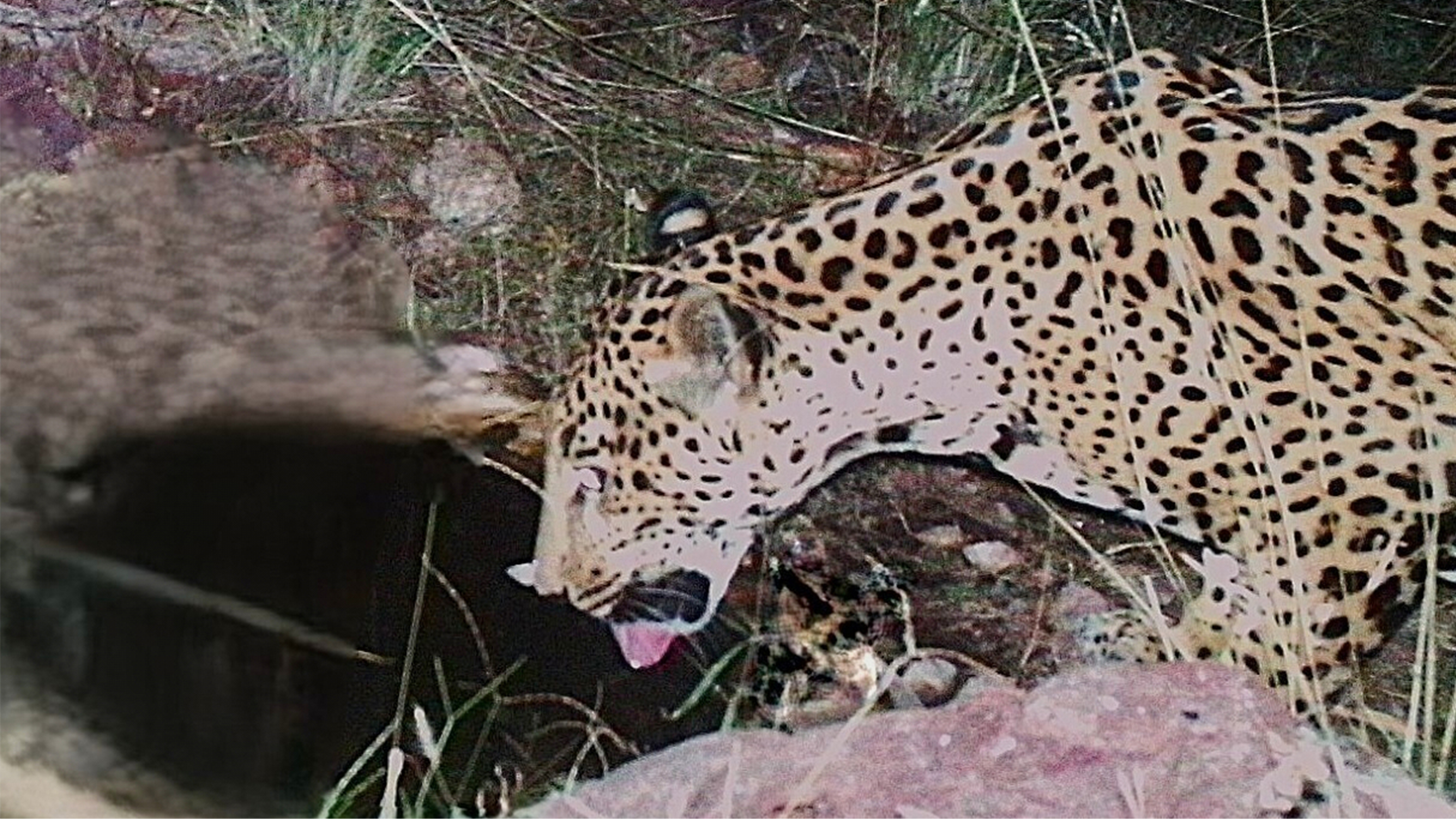
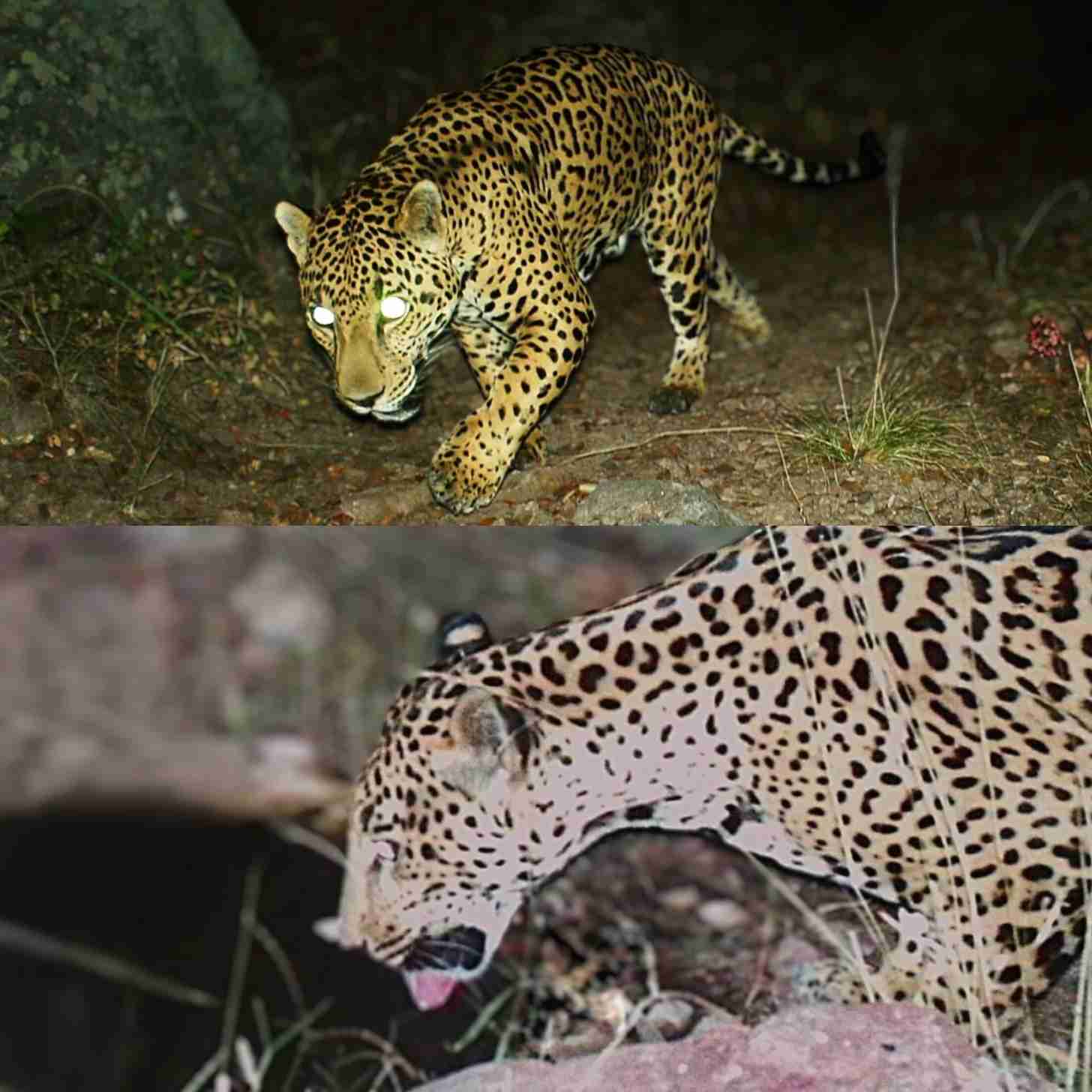
The most effective tool in the modern study of jaguars is the network of camera traps deployed by government agencies, environmental organizations, and academic researchers. These devices are triggered by motion and heat, allowing biologists to capture images that can be used to identify individual jaguars based on their unique spot patterns. Because each cat’s rosette pattern is as distinct as a human fingerprint, researchers can confirm whether a specific individual has returned to a site or if a new cat has moved into the area.
Human-Wildlife Conflict
While the presence of a jaguar in Arizona is a cause for celebration among conservationists, it often creates friction with local livestock owners. Jaguars are opportunistic predators. Even though their primary diet consists of javelina, deer, and other wild prey, the potential for livestock depredation is a valid concern for the ranching community. Managing these conflicts requires a multifaceted approach, including non-lethal deterrents and the development of collaborative programs that provide compensation or support for ranchers working to coexist with large carnivores.
Frequently Asked Questions
Are there breeding populations of jaguars in Arizona today? No. Current scientific consensus confirms that all jaguars documented in Arizona in recent years have been transient males. There is no evidence of breeding females or a self-sustaining population within the state.
How can I help support the conservation of jaguars? Support involves contributing to land trust efforts that protect habitat connectivity. Organizations focusing on the "borderlands" region work to ensure that mountain ranges remain linked, preventing the isolation of wildlife populations.
Is it dangerous to hike in areas where jaguars have been spotted? The risk to humans from a jaguar is extremely low. Jaguars are naturally shy and generally avoid human interaction. While standard safety precautions for hiking in the backcountry (such as being aware of your surroundings and keeping pets leashed) are recommended, an encounter with a jaguar is an exceptionally rare event.
What is the "critical habitat" for jaguars? Critical habitat is a legal term defined by the U.S. Fish and Wildlife Service. It identifies specific geographic areas that contain the physical and biological features necessary for the recovery of an endangered species. In Arizona, this includes specific mountain ranges with appropriate cover, water, and prey density.
How do researchers know if a jaguar is the same one seen before? Biologists use "pattern recognition" software and manual comparison to analyze the unique rosette spots on the sides and shoulders of the jaguar. By comparing photos taken months or years apart, they can determine if the individual is a repeat visitor.
Recommendations for Further Engagement
For those interested in the ongoing status of these animals, the best action is to follow updates from the Arizona Game and Fish Department (AZGFD) and the U.S. Fish and Wildlife Service. These agencies provide the most accurate, fact-based reports on confirmed sightings and conservation initiatives. If you are a resident or visitor in the southern mountain ranges, you can contribute to citizen science by reporting sightings to the appropriate regional wildlife office, as verifiable documentation is the foundation of modern conservation management.
Image Gallery