The Definitive Guide to Choosing Moisturizing Makeup for Mature Skin
Choosing moisturizing makeup for mature skin involves selecting formulas enriched with humectants like hyaluronic acid and emollients like squalane. These products prevent pigments from settling into fine lines while restoring a youthf...
Choosing moisturizing makeup for mature skin involves selecting formulas enriched with humectants like hyaluronic acid and emollients like squalane. These products prevent pigments from settling into fine lines while restoring a youthful, dewy glow. Prioritize liquid or cream-based textures over heavy powders to maintain skin elasticity and hydration throughout the day.
Contents
Understanding the Evolution of Mature Skin in 2026
As we navigate 2026, the beauty industry has shifted significantly toward "skin-first" cosmetics. For those with mature skin—typically defined by the appearance of fine lines, loss of elasticity, and increased dryness—the goal of makeup is no longer just to mask imperfections but to supplement the skin’s biological needs.
The physiology of mature skin involves a decrease in sebum production and a thinning of the epidermal layer. Consequently, traditional makeup products that rely on heavy talc or kaolin clay can act as desiccants, drawing moisture out of the skin and causing the "cakey" appearance many hope to avoid. Moisturizing makeup acts as a secondary barrier, locking in the serums and creams applied during your skincare routine while providing an even skin tone.
When we talk about mature skin, we are addressing a spectrum of concerns. Some may deal with hyperpigmentation or age spots, while others focus on texture and sagging. Regardless of the specific concern, the common denominator is a need for moisture. In 2026, the most effective makeup products are essentially tinted skincare treatments that offer buildable coverage without compromising the skin's barrier function.
Key Ingredients to Look For in Hydrating Cosmetics
The efficacy of moisturizing makeup is dictated by its ingredient profile. When scanning labels, look for "biocompatible" ingredients that mimic the skin’s natural oils or provide deep hydration.
Humectants: The Moisture Magnets
Humectants are substances that attract water from the atmosphere and the deeper layers of the skin into the stratum corneum (the top layer).
- Hyaluronic Acid (HA): A staple in 2026 formulations, often appearing in multiple molecular weights. Low-molecular-weight HA penetrates deeper to plump the skin, while high-molecular-weight HA sits on the surface to smooth fine lines.
- Glycerin: A classic but highly effective humectant that prevents irritation and maintains the moisture barrier.
- Urea: Often found in higher-end "medical grade" makeup, urea helps exfoliate dead skin cells while providing intense hydration.
Emollients and Occlusives: The Smoothing Agents
While humectants draw water in, emollients fill the gaps between skin cells to create a smooth surface.
- Squalane: Derived from olives or sugarcane, squalane is a lightweight oil that mimics the skin's natural sebum. It provides a "slip" to foundations, making them easier to blend.
- Ceramides: These are lipids that help form the skin's barrier and help the skin retain moisture. Makeup infused with ceramides is particularly beneficial for those with thinning or "crepe-like" skin.
- Shea Butter and Jojoba Oil: Found frequently in cream blushes and lipsticks, these provide a rich, nourishing feel that lasts for hours.
Antioxidants and Peptides
Mature skin benefits from "active" makeup that protects against environmental damage.
- Vitamin C and E: These work synergistically to brighten the complexion and protect against oxidative stress.
- Peptides: These amino acid chains encourage collagen production, providing a subtle firming effect over time as you wear your makeup.
Primary Categories of Moisturizing Makeup
Selecting the right category of product is just as important as the ingredients. For mature skin, the general rule is "liquid over powder."
Serum Foundations
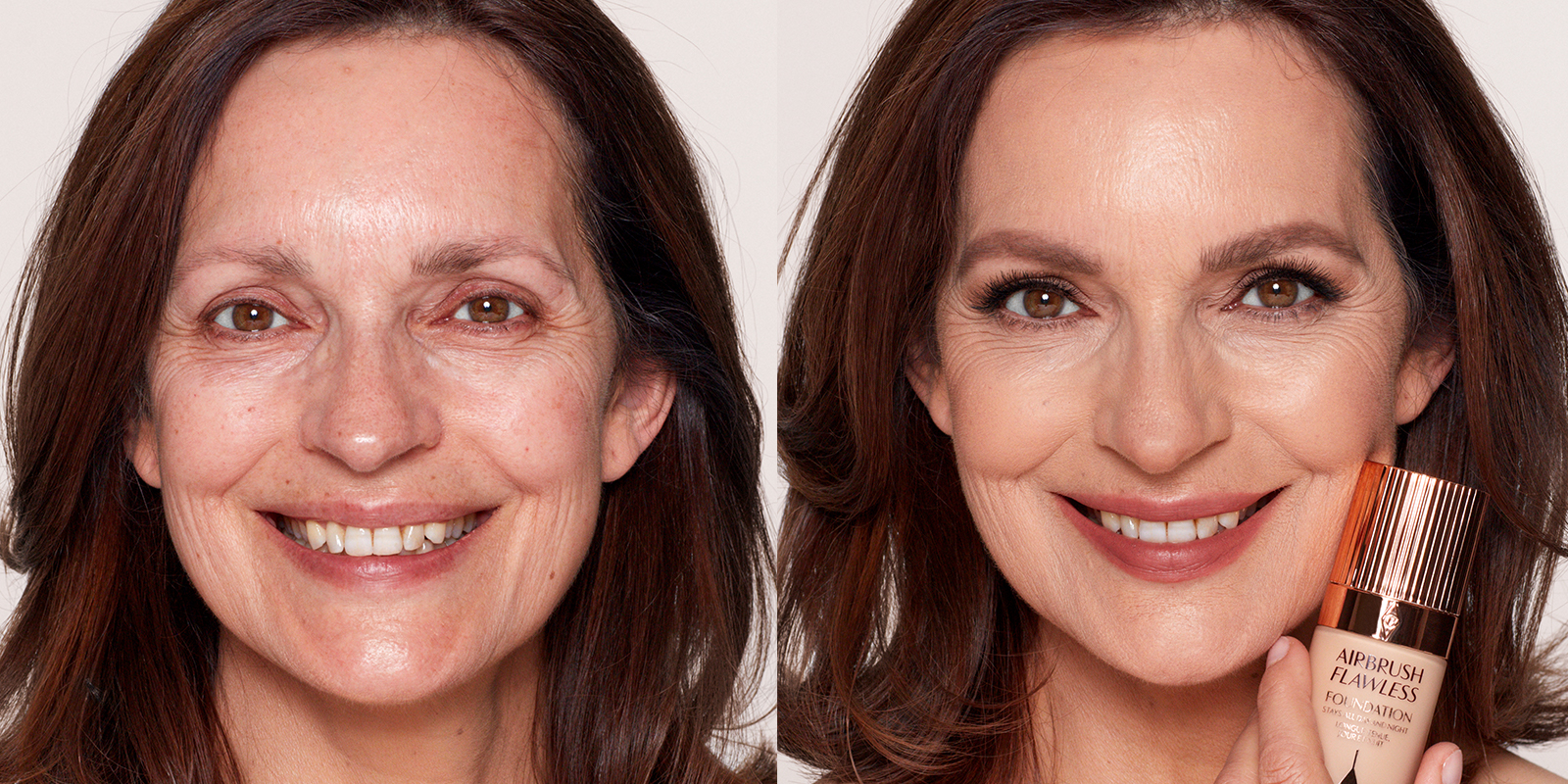
The serum foundation is perhaps the most significant advancement for mature skin in recent years. Unlike traditional liquid foundations, these have a very high concentration of skincare actives and a lower pigment load. This results in a "your skin but better" finish. They are incredibly thin in consistency, which prevents them from pooling in deep-set wrinkles.
Tinted Moisturizers and CC Creams
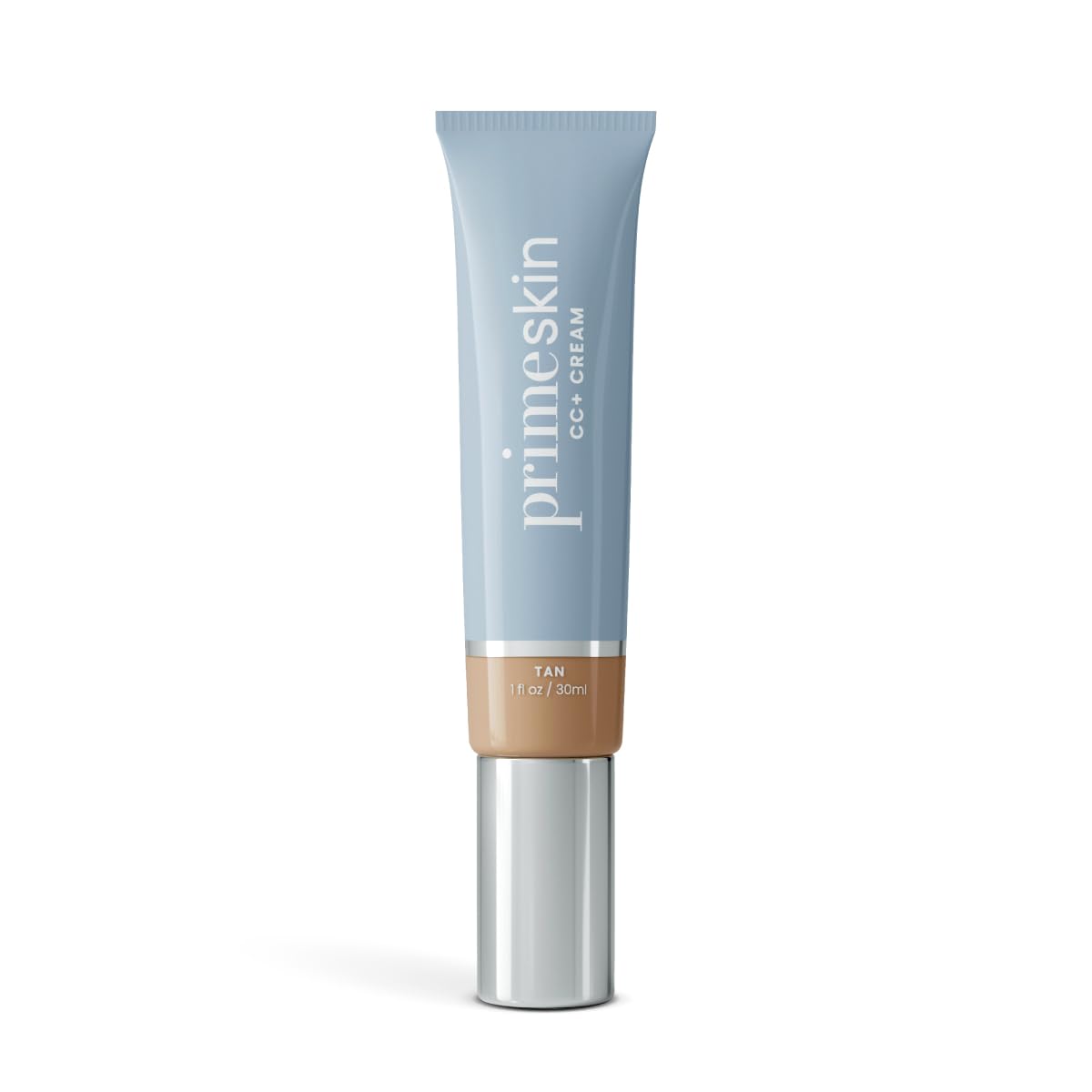
For daily wear, a Tinted Moisturizer or a Color Correcting (CC) cream is often the best choice. CC creams are particularly useful for mature skin as they often contain higher levels of SPF and ingredients targeted at redness or sallowness. In 2026, many CC creams also include "blurring" technology—light-reflecting particles that visually soften the appearance of pores and lines without the need for heavy coverage.
Cream-Based Color Cosmetics
Powder blushes and bronzers can emphasize skin texture and dryness. Transitioning to cream or liquid blushes provides a more natural, "lit-from-within" flush. These formulas blend seamlessly into the foundation rather than sitting on top of it, creating a unified, hydrated look.
Comparison: Foundation Types for Mature Skin
| Feature | Serum Foundation | CC Cream | Traditional Liquid Foundation |
|---|---|---|---|
| Finish | Dewy / Radiant | Natural / Satin | Varies (often Matte) |
| Coverage | Sheer to Medium | Medium | Medium to Full |
| Key Benefit | Intense Hydration | Color Correction + SPF | High Camouflage |
| Texture | Ultra-Lightweight | Creamy | Viscous |
| Ideal For | Fine lines, dry patches | Redness, age spots | Occasional heavy-duty wear |
Step-by-Step Application Guide for a Youthful Finish
The best moisturizing makeup can still fail if the application method is incorrect. Follow these steps to ensure a flawless, hydrated look.
- Preparation is Paramount: Never apply makeup to dry skin. Start with a hydrating toner, followed by a serum containing hyaluronic acid. Apply a rich moisturizer and allow it to "sink in" for at least five minutes. If you skip this, your skin will try to absorb the moisture from your foundation, leaving the pigment stranded on the surface in a cakey mess.
- The Primer Choice: Use a radiance-boosting or hydrating primer. Avoid "mattifying" or "pore-filling" primers that contain high amounts of drying silicones, as these can create a barrier that makes moisturizing makeup look artificial.
- Use a Damp Sponge: The tool you use matters. A damp beauty sponge is the preferred method for mature skin. The moisture in the sponge adds an extra layer of hydration and helps "press" the product into the skin rather than dragging it across lines.
- Targeted Concealing: Instead of applying foundation heavily over the whole face, use a light layer of serum foundation and then go back with a hydrating concealer only where needed—such as the inner corners of the eyes or around the nose.
- Selective Setting: If you must use powder to keep makeup in place, use a finely milled, "hydrating" loose powder. Apply it only to the T-zone (forehead, nose, chin) using a small, fluffy brush. Avoid the cheek area and under the eyes, as powder in these areas will instantly highlight wrinkles.
Common Mistakes to Avoid
Even with the best intentions, certain habits can undermine the performance of moisturizing makeup.
- Over-cleansing in the morning: For mature skin, a heavy foaming cleanser in the morning can strip the very oils your makeup is trying to replenish. Try a gentle cream cleanser or just a lukewarm water rinse before your skincare routine.
- Using "Long-Wear" or "24-Hour" formulas: These are typically formulated with volatile silicones that evaporate to "set" the makeup. While they stay in place, they are notoriously drying and will eventually crack on moving areas of the face (like around the mouth).
- Neglecting the Neck and Décolletage: Makeup that stops at the jawline is a tell-tale sign of "heavy" application. Use the leftovers on your sponge to blend your moisturizing foundation down the neck for a seamless transition.
- Ignoring Exfoliation: Moisturizing makeup looks best on a smooth canvas. Use a gentle chemical exfoliant (like Lactic Acid) once or twice a week to remove dead skin cells that might otherwise cause the makeup to look "patchy."
Expert Tips for Longevity in 2026
To ensure your moisturizing makeup lasts through the day without losing its glow, consider these professional tactics:
- Setting Sprays: Instead of powder, use a hydrating setting spray. Look for formulas containing rosewater, aloe, or glycerin. This "locks" the makeup while adding a final burst of moisture.
- Mid-Day Refresh: If your skin begins to feel tight or look dull by 3:00 PM, do not add more powder. Instead, use a face mist or a tiny drop of facial oil pressed over your makeup with your palms to reactivate the glow.
- Check the Light: Always check your makeup in natural light. Moisturizing formulas can sometimes look overly shiny under harsh bathroom LEDs but appear perfectly radiant outdoors.
Frequently Asked Questions
Can moisturizing makeup cause breakouts on mature skin?
While mature skin is generally drier, "adult acne" or sensitivity can still occur. Look for labels that say non-comedogenic, which means the product is formulated not to clog pores. Many 2026 moisturizing foundations use squalane, which is generally safe for acne-prone skin as it mimics natural sebum without being heavy or greasy.
Do I still need a separate moisturizer if my foundation is "moisturizing"?
Yes. Makeup is a secondary source of hydration. Your primary skincare routine provides the deep-level moisture and treatment your skin needs. Think of moisturizing makeup as a "support system" that prevents that hydration from evaporating, rather than a replacement for your daily cream.
Why does my moisturizing foundation still look cakey under my eyes?
The skin under the eyes is the thinnest on the body and has very few oil glands. Cakeyness here is often due to using too much product. Switch to a hydrating concealer specifically designed for the eye area and use the "dot and dab" method, applying product only to the dark areas rather than the entire under-eye.
How do I choose the right shade in a moisturizing formula?
Moisturizing formulas often have a more "sheer" quality, meaning they are more forgiving than matte, high-coverage foundations. However, because they are dewy, they can sometimes appear slightly darker once they meld with your skin's natural oils. It is often safer to go with a shade that has a neutral or slightly warm undertone to counteract the sallow tones that can appear with age.
Is SPF in makeup enough for sun protection?
No. While many moisturizing foundations in 2026 include SPF 30 or higher, you would need to apply a very thick layer of makeup to achieve that level of protection. Always apply a dedicated, broad-spectrum sunscreen underneath your makeup to ensure your skin is protected from UVA and UVB rays.
Practical Recommendation
When selecting your next product, prioritize a serum-infused foundation containing hyaluronic acid and squalane. Begin by testing the product on your jawline to ensure the undertone matches your neck, and always apply it over a well-prepped, hydrated base. For the most natural look, use a damp sponge and avoid setting the entire face with powder.
Image Gallery