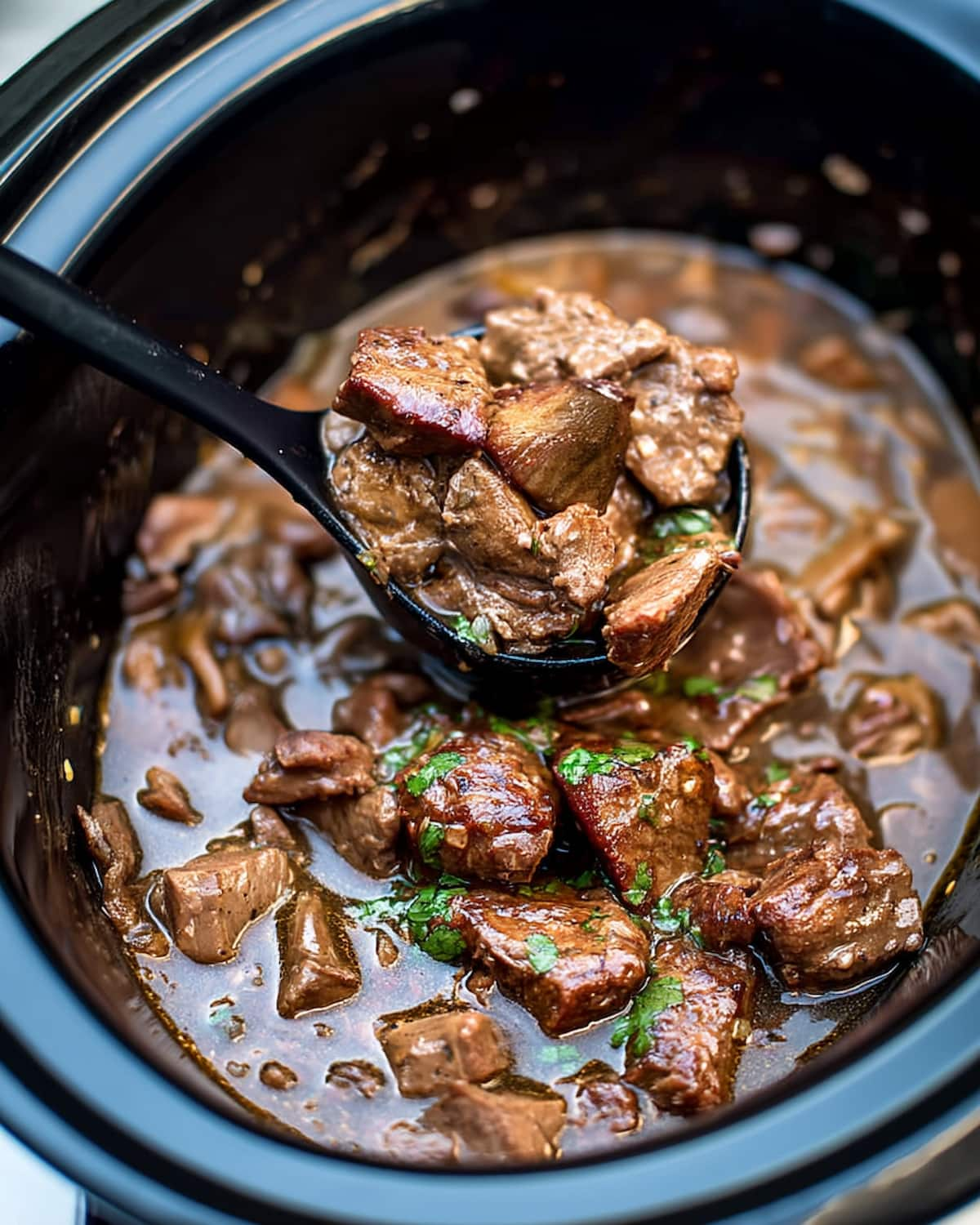
Mastering Tender Slow Cooker Beef Tips: A Comprehensive Guide
To cook beef tips in a slow cooker, sear seasoned beef chunks in a hot skillet to develop flavor, then transfer them to the slow cooker with beef broth, aromatics like onions and garlic, and Worcestershire sauce. Cook on low for 6–8 ho...
To cook beef tips in a slow cooker, sear seasoned beef chunks in a hot skillet to develop flavor, then transfer them to the slow cooker with beef broth, aromatics like onions and garlic, and Worcestershire sauce. Cook on low for 6–8 hours or high for 3–4 hours. Finish by stirring in a cornstarch slurry to thicken the juices into a rich gravy.
Contents
Understanding the Cut: Selecting the Best Beef for Tips
The term "beef tips" is often used loosely in culinary contexts, leading to confusion at the butcher counter. In most grocery stores as of 2026, packages labeled "beef tips" are typically pre-cut pieces of sirloin, tri-tip, or sometimes tenderloin trim. However, for the slow cooker, the specific cut you choose significantly impacts the final texture and cooking duration.
Sirloin tips are the traditional choice. They come from the "tip" of the sirloin, near the round. While leaner than chuck, they possess enough connective tissue to remain moist during a medium-length braise. If you prefer a "fall-apart" texture similar to a pot roast, you might choose to cut a chuck roast into 1.5-inch cubes yourself. Chuck contains higher levels of intramuscular fat and collagen, which break down into gelatin over long periods, providing a velvety mouthfeel.
Round tips (from the hindquarters) are another common option. These are leaner and can become dry if overcooked. If using round, it is imperative to use a shorter cooking window or ensure the meat is fully submerged in liquid to prevent the fibers from toughening. In 2026, many premium meat providers also offer "stew meat" blends that combine various cuts; while convenient, selecting a single consistent cut ensures all pieces reach the desired tenderness simultaneously.
Essential Ingredients and Flavor Foundations
A successful dish of beef tips relies on a balance of savory (umami), salt, and acid. The slow cooker environment is moist and enclosed, meaning flavors do not reduce and concentrate as they do in an oven or on a stovetop. Therefore, the initial seasoning must be robust.
The Aromatics and Liquids
- Beef Broth or Stock: Use a high-quality, low-sodium beef stock. Low-sodium varieties allow you to control the saltiness of the final gravy, which can become overly salty as the flavors meld over eight hours.
- Alliums: Onions and garlic are non-negotiable. Yellow onions provide a sweetness that balances the savory beef, while smashed garlic cloves infuse the liquid with depth.
- Acidic Components: A splash of red wine (such as Cabernet Sauvignon or Merlot) or a tablespoon of balsamic vinegar serves two purposes: it helps tenderize the muscle fibers and cuts through the richness of the fat.
- Umami Boosters: Worcestershire sauce and soy sauce are standard additions. In 2026, many chefs also recommend a teaspoon of tomato paste or a dash of mushroom powder to enhance the "beefiness" of the sauce without adding bulk.
Herbs and Spices
Dried herbs often perform better than fresh ones in a slow cooker because they can withstand the prolonged heat. Thyme, rosemary, and bay leaves are the classic trio for beef. If using fresh herbs, add them in the final 30 minutes of cooking to preserve their volatile oils and bright color.
Step-by-Step Preparation: From Pan to Pot
While the primary appeal of a slow cooker is "set it and forget it," skipping the preparation phase is the most common mistake home cooks make. Follow these steps to ensure professional-grade results.
1. The Maillard Reaction: Why You Must Sear
The Maillard reaction is a chemical reaction between amino acids and reducing sugars that gives browned food its distinctive flavor. Because a slow cooker never reaches temperatures high enough to induce this reaction (usually peaking around 209°F or 98°C), you must achieve it on the stovetop first.
Pat the beef tips dry with paper towels. Moisture on the surface creates steam, which prevents browning. Season the meat generously with salt and black pepper. Heat a heavy-bottomed skillet (cast iron is ideal) over high heat with a high-smoke-point oil like avocado or grapeseed oil. Sear the beef in batches to avoid overcrowding the pan, which would drop the temperature and cause the meat to boil in its own juices. Aim for a deep, dark brown crust on at least two sides of each piece.
2. Deglazing the Pan
After removing the beef, you will notice brown bits stuck to the bottom of the skillet—this is "fond," and it is concentrated flavor. Pour a half-cup of your beef broth or red wine into the hot pan, scraping the bottom with a wooden spoon. Pour this liquid directly into the slow cooker; it acts as the foundation for your gravy.
3. Layering in the Slow Cooker
Place the seared beef tips into the ceramic crock. Add the onions, garlic, and any starchy vegetables like mushrooms or carrots if desired. Pour over the remaining broth and seasonings. The liquid should not completely cover the meat; it should come up about two-thirds of the way. The beef will release its own juices as it cooks, increasing the liquid volume.
The Science of Low and Slow: Time and Temperature
Modern slow cookers in 2026 generally have two main settings: Low and High. It is a common misconception that "High" simply means a higher temperature. In reality, both settings eventually reach the same simmer point; the difference is the rate at which they reach it.
| Setting | Temperature Reach Rate | Recommended Time | Best For |
|---|---|---|---|
| Low | Slow and steady (approx. 200°F) | 6 to 8 Hours | Tougher cuts (Chuck, Round) |
| High | Rapid climb (approx. 300°F initial) | 3 to 4 Hours | Leaner cuts (Sirloin) |
For beef tips, the Low setting is almost always superior. The extended time allows the collagen—the tough connective tissue—to transform into gelatin. This process is time-dependent, not just temperature-dependent. If you cook beef tips too quickly on high, the muscle fibers may contract and squeeze out moisture before the collagen has a chance to soften, resulting in meat that is technically "done" but functionally "tough."
Finishing with Perfection: Creating the Gravy
A bowl of beef tips is only as good as its gravy. When the cooking time is complete, you will likely have a delicious but thin broth. To transform this into a silky gravy, you need a thickening agent.
The Cornstarch Slurry Method
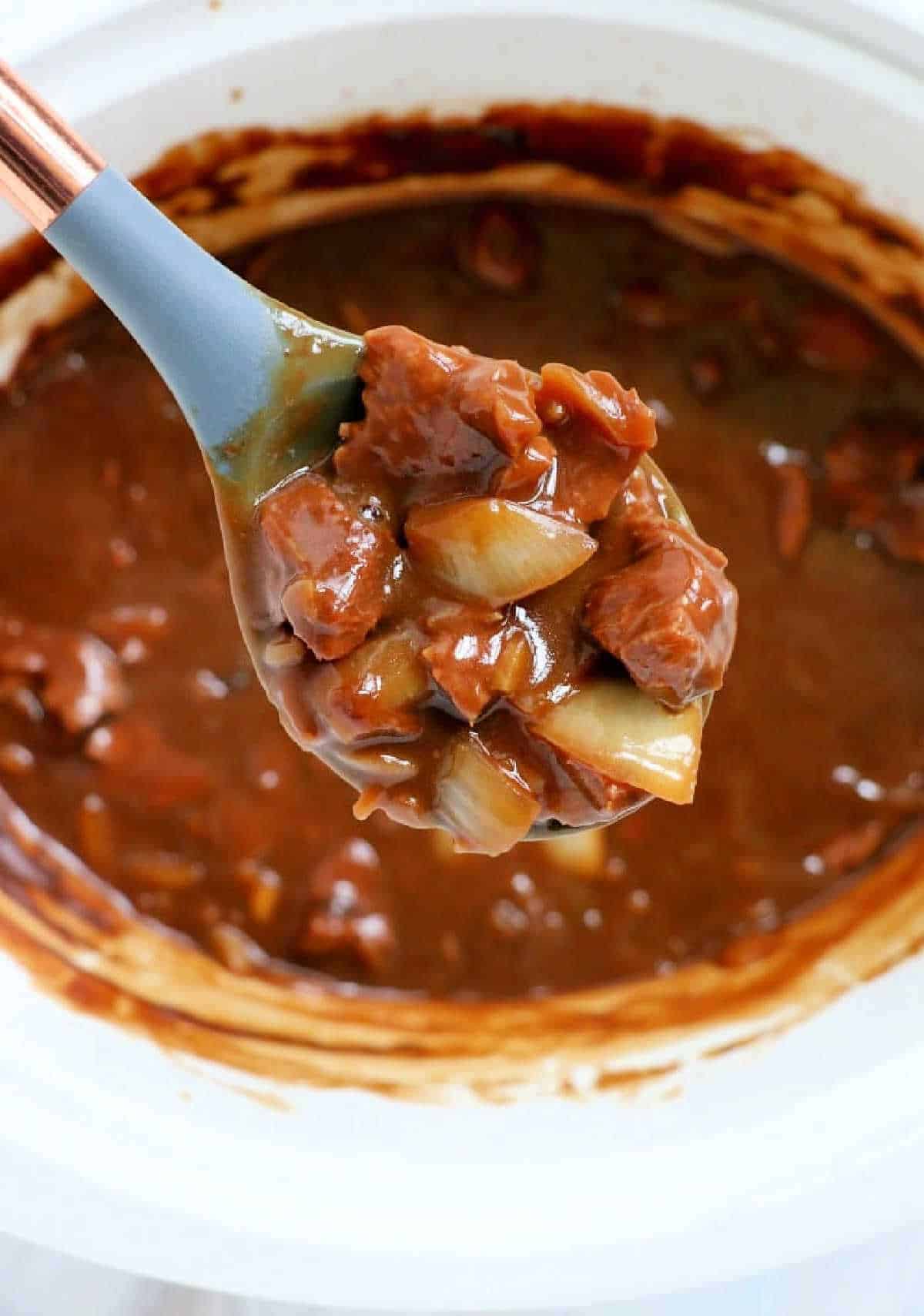
This is the most reliable method for slow cookers. In a small bowl, whisk 2 tablespoons of cornstarch with 2 tablespoons of cold water until smooth. Turn the slow cooker to "High." Stir the slurry into the bubbling liquid. Cover and cook for an additional 15–20 minutes. The heat will activate the cornstarch, thickening the sauce into a glossy gravy that clings to the meat.
The Flour and Butter Roux (Alternative)
If you prefer a more traditional, opaque gravy, you can create a roux on the stovetop using equal parts butter and flour. Slowly whisk the slow cooker liquid into the roux until thickened, then return everything to the crock. This adds a buttery richness that cornstarch lacks but requires an extra pot and more active labor.
Common Pitfalls and Troubleshooting
Even with a slow cooker, things can go wrong. Understanding the mechanics of braising helps you pivot if the results aren't what you expected.
- Tough Meat: If the beef is still rubbery after 6 hours, it likely needs more time. People often mistake "undercooked" for "overcooked" in a slow cooker. If the fibers haven't separated, keep cooking.
- Bland Sauce: This usually happens if too much water was used or if the meat wasn't seared. You can fix this at the end by adding a splash of Worcestershire sauce, a teaspoon of "Better Than Bouillon" beef base, or a pinch of salt.
- Greasy Gravy: If you used a fatty cut like chuck, you might see a layer of oil on top. Use a wide spoon to skim the fat off the surface before adding your thickener, or use a specialized fat separator cup.
- Vegetables are Mushy: If adding potatoes or carrots, cut them into large, uniform chunks. Delicate vegetables like peas or pearl onions should only be added in the last 20 minutes of cooking.
Variations and Modern Adaptations for 2026
As culinary trends evolve, the classic beef tip recipe has seen several popular iterations:
- Red Wine and Mushroom: Replace half of the beef broth with a dry red wine and add 16 ounces of sliced cremini mushrooms. This creates a flavor profile similar to Boeuf Bourguignon.
- Creamy Stroganoff Style: After the cooking is complete and the heat is turned off, stir in a half-cup of full-fat sour cream or Greek yogurt. This creates a tangy, creamy sauce perfect for serving over egg noodles.
- Low-Carb / Keto Adjustments: Instead of using cornstarch or flour, you can thicken the sauce by blending some of the cooked onions and a few pieces of the beef into the liquid using an immersion blender. Alternatively, use xanthan gum (start with 1/4 teaspoon) to achieve thickness without the carbohydrates.
Serving Suggestions
Beef tips are a versatile main course that pairs best with starches capable of soaking up the gravy.
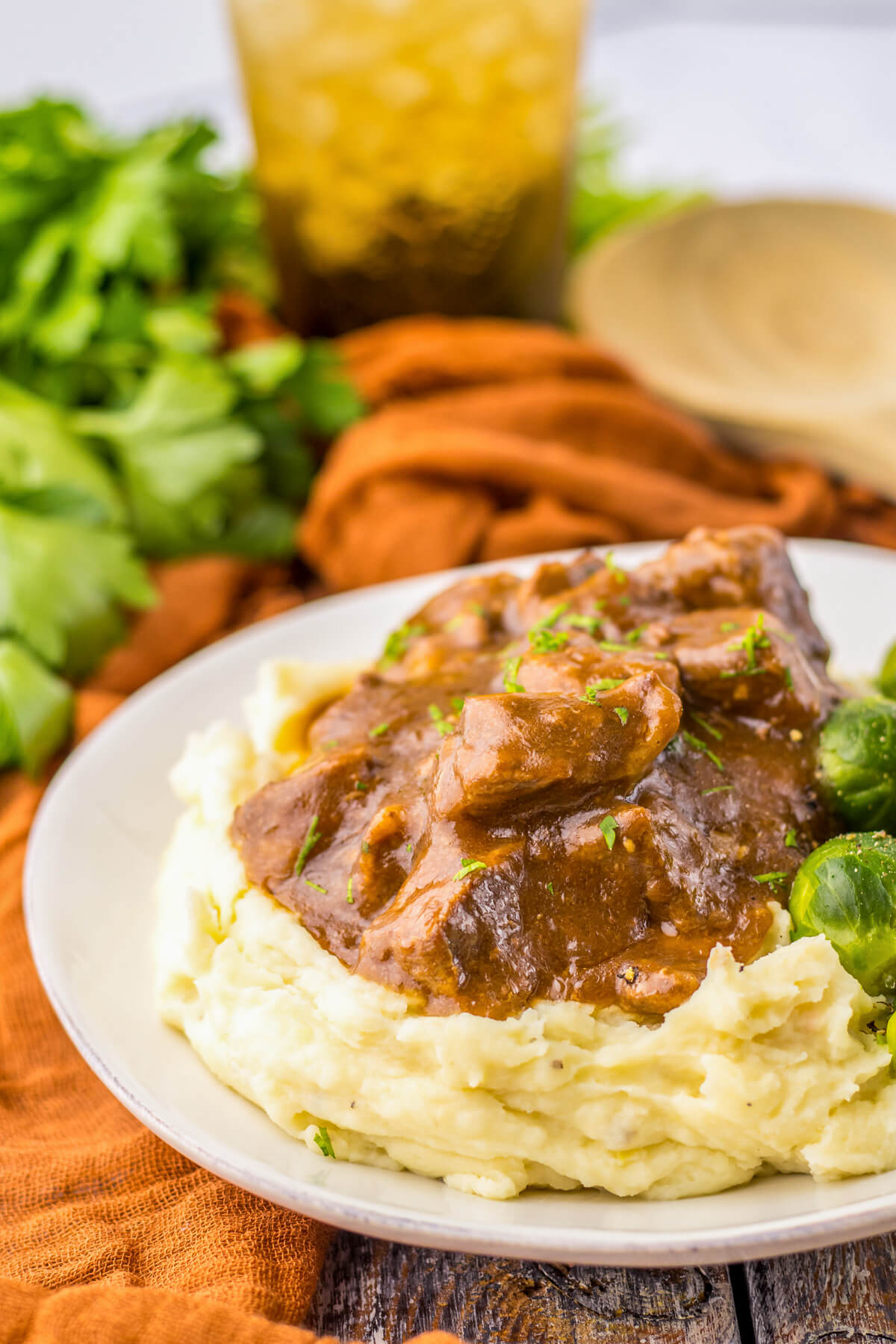
- Mashed Potatoes: The gold standard. For a 2026 twist, try a "smashed" potato with skins left on and infused with roasted garlic and chives.
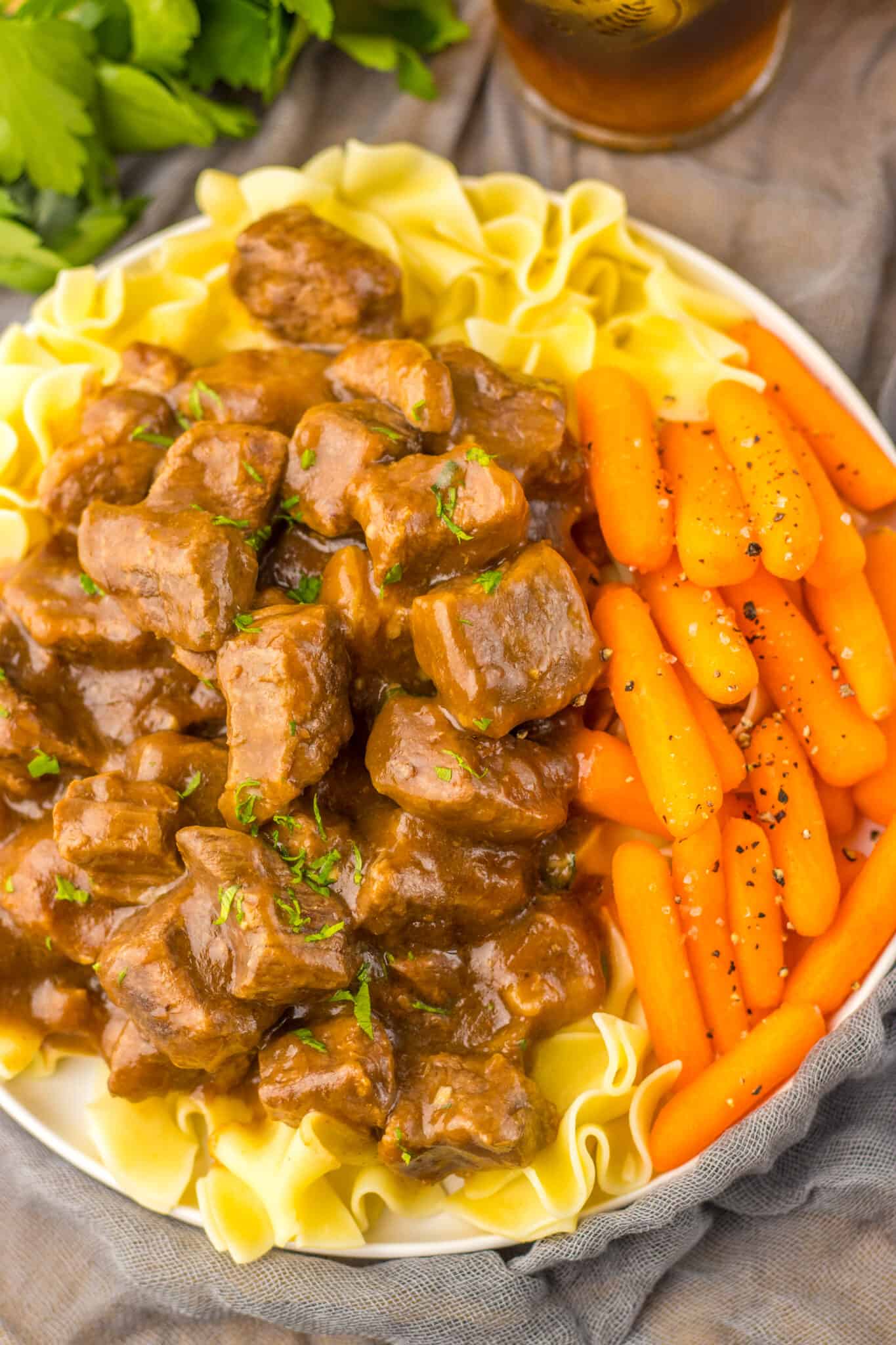
- Egg Noodles: Wide, buttery noodles are the traditional choice for a comfort-food feel.
- Polenta or Grits: The creamy, slightly grainy texture of stone-ground polenta provides a sophisticated base for the rich beef.
- Rice Pilaf: A simple long-grain rice with toasted vermicelli helps keep the meal lighter.
FAQs
Can I put frozen beef tips directly into the slow cooker?
It is not recommended by the USDA or food safety experts to put frozen meat directly into a slow cooker. Because the appliance takes several hours to reach a safe temperature, frozen meat will spend too much time in the "danger zone" (40°F–140°F), where bacteria like Salmonella and E. coli can multiply rapidly. Always thaw your beef in the refrigerator before cooking.
Can I skip the searing step if I am in a hurry?
Yes, the meat will still cook and become tender, but you will sacrifice significant depth of flavor and visual appeal. Without searing, the meat can look gray and unappetizing, and the gravy will lack the complex "roasted" notes provided by the browned crust.
Why does my beef taste dry even though it's in liquid?
This is a sign of overcooking. When meat is subjected to high heat for too long, the muscle fibers contract tightly and squeeze out all their internal moisture. Even if the meat is sitting in broth, the fibers themselves can feel dry and stringy to the tongue. Stick to the 6–8 hour window on "Low" for best results.
How long do leftovers stay fresh in the refrigerator?
Slow-cooked beef tips store exceptionally well because they are submerged in gravy, which prevents oxidation. They will stay fresh in an airtight container for 3 to 4 days. In fact, many find the flavor improves on the second day as the spices continue to permeate the meat.
Can I use a multi-cooker (like an Instant Pot) for this?
Yes. Most multi-cookers have a "Slow Cook" function. However, be aware that many multi-cookers heat only from the bottom, whereas traditional ceramic slow cookers heat from the sides as well. You may need to increase the cooking time by 1–2 hours on the "Slow Cook" setting of a multi-cooker to achieve the same tenderness.
Practical Recommendation
For the best results, prioritize the quality of the sear and the patience of the cook time. Using a cast-iron skillet for the initial browning and allowing the beef to simmer for a full 7 hours on the "Low" setting will produce a restaurant-quality meal. Always finish with a cornstarch slurry to ensure the sauce is thick enough to coat a spoon, and serve immediately over a bed of garlic mashed potatoes for the ultimate comfort experience.
Image Gallery