Navigating Credit Cards for a Low Credit Rating: Options, Requirements, and Smart Strategies
Finding credit cards for a low credit rating requires looking past standard rewards cards and focusing on specialized products designed to help you rebuild your financial standing. Secured credit cards, which require a refundable cash...
Finding credit cards for a low credit rating requires looking past standard rewards cards and focusing on specialized products designed to help you rebuild your financial standing. Secured credit cards, which require a refundable cash deposit, and certain unsecured cards designed for bad credit are the most reliable tools for establishing a positive payment history and improving your credit score over time.
Contents
Securing a credit card when your credit score has dipped can feel like an uphill battle. Traditional issuers often reject applications automatically if your credit history reveals missed payments, high debt utilization, or a bankruptcy. However, a low credit score is not a permanent financial sentence. Financial institutions offer specific products tailored to individuals working to restore their creditworthiness. Understanding how these products function, recognizing the differences between secured and unsecured options, and adopting responsible repayment habits will help you choose the right card and safely navigate your rebuilding journey.
Understanding the Landscape of Bad Credit Credit Cards
A low credit rating typically falls below 580 on the FICO scoring model, placing you in the "Poor" category. Lenders view applicants in this tier as high-risk borrowers. Consequently, standard credit cards with low interest rates, cash-back rewards, and zero-percent introductory periods are generally out of reach. Instead, issuers market specific financial instruments aimed at high-risk segments.
The primary options available for individuals with subprime credit include secured credit cards, unsecured cards for bad credit, and retail store cards. Each category carries distinct mechanics, costs, and risk profiles. Before submitting an application, you must evaluate how each option reports to the major credit bureaus—Equifax, Experian, and TransUnion—because positive reporting is the fundamental mechanism for raising your score.
Secured Credit Cards vs. Unsecured Cards for Bad Credit
The most significant distinction in subprime lending lies between secured and unsecured products. Knowing how they differ will save you money on fees and protect you from predatory lending practices.
- Secured Credit Cards: These cards require a security deposit that typically serves as your credit limit. For example, if you deposit $300, your credit limit will usually be $300. Because the issuer holds your cash as collateral against default, approval rates are exceptionally high. Secured cards are widely considered the safest and most effective tool for repairing damaged credit.
- Unsecured Credit Cards for Bad Credit: These cards do not require a cash deposit upfront. While appealing because they tie up none of your liquid cash, they frequently come with steep annual fees, high maintenance costs, and exceptionally high annual percentage rates (APR) compared to secured alternatives.
Key Factors to Evaluate Before Applying
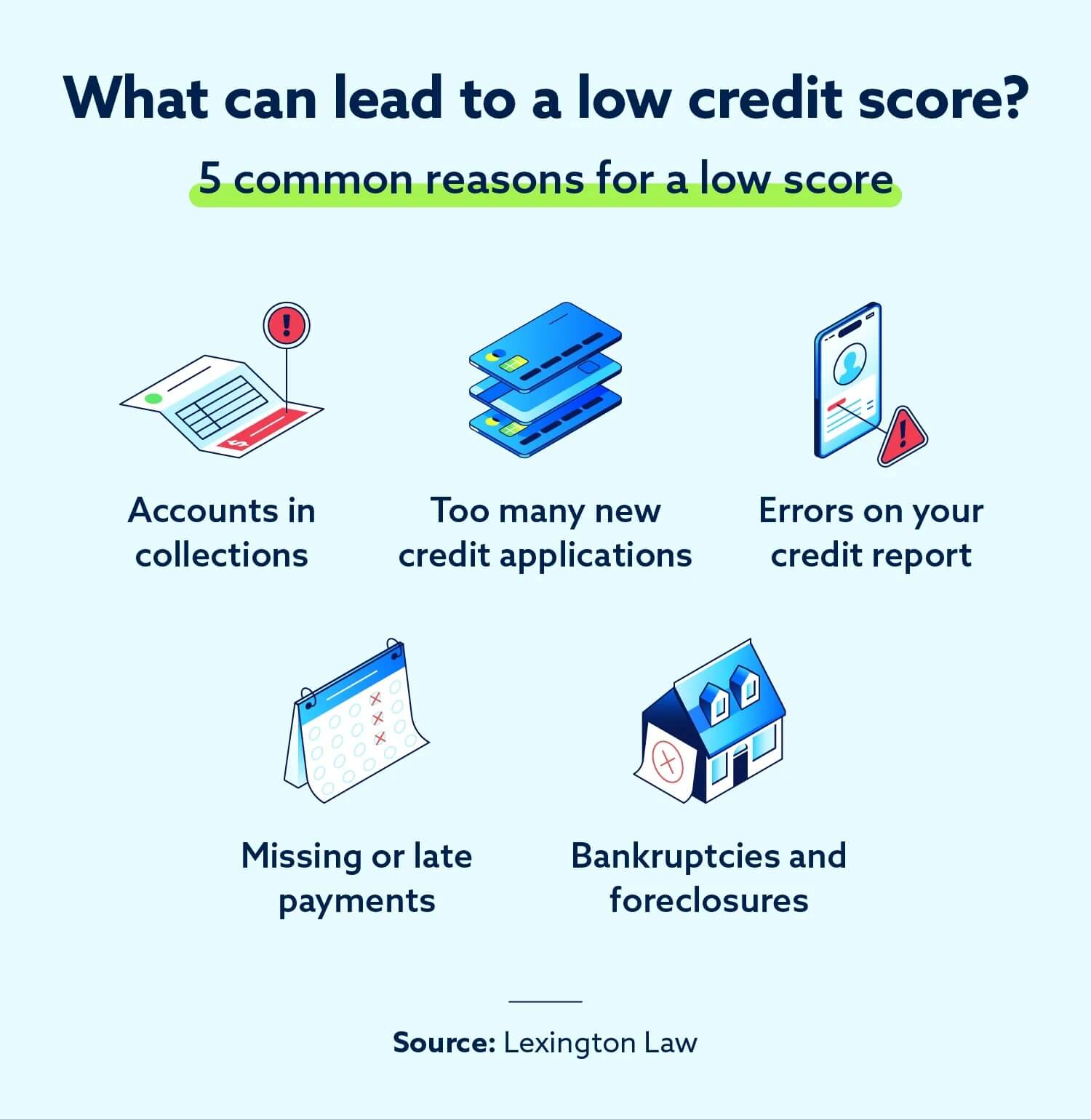
Submitting multiple credit card applications in a short window triggers hard inquiries on your credit report, which can temporarily lower your score even further. To maximize your chances of approval on the first try, carefully evaluate specific criteria before filling out any application forms.
Credit Bureau Reporting
The entire objective of getting a card for a low credit rating is to improve your financial standing. Confirm that the issuer reports your account activity to all three major credit bureaus (Equifax, Experian, and TransUnion) on a monthly basis. If a card issuer reports to only one or two bureaus, the positive impact on your overall credit profile is diminished.
Fees and Financial Costs
Cards designed for low credit ratings often carry a heavy burden of fees. You must calculate the total cost of ownership before signing up. Look out for:
- Application or Processing Fees: One-time charges just to open the account. Avoid cards that charge these if possible.
- Annual Fees: Yearly maintenance fees charged regardless of whether you use the card.
- Monthly Maintenance Fees: Recurring fees billed every month, which can quickly drain your balance.
- High APRs: While you should always aim to pay your statement balance in full every month to avoid interest entirely, a high APR can become disastrous if you carry a balance.
Deposit Requirements (For Secured Cards)
Determine whether you can afford the minimum security deposit. Deposits typically start around $200, though some cards allow initial deposits as low as $49. Look for issuers that periodically review your account to see if they will return your deposit and upgrade your account to an unsecured card without requiring a new application.
Comparison of Credit Card Types for Low Credit Ratings
| Card Type | Security Deposit Required? | Typical Approval Odds | Impact of Fees | Bureau Reporting |
|---|---|---|---|---|
| Secured Credit Cards | Yes (Equal to credit limit) | High | Low to Moderate (Watch for annual fees) | Usually all three bureaus |
| Unsecured Bad Credit Cards | No | Moderate to Low | High (Annual fees, monthly maintenance fees) | Varies (Check terms) |
| Retail Store Cards | No | Moderate | Moderate (High APRs, restricted use) | Usually all three bureaus |
Best Practices for Rebuilding Credit with a High-Risk Card
Obtaining a credit card with a low credit rating is only the first step. How you manage the card dictates whether your credit score rises or falls. Lenders look for consistent, predictable patterns of responsible behavior over extended periods.
Keep Your Credit Utilization Low
Credit utilization—the ratio of your current credit balance to your total credit limit—accounts for 30% of your FICO score. If your secured card has a $300 limit, keeping your balance below $90 (30% utilization) is vital, but keeping it below $30 (10% utilization) is even better. Pay down your balance multiple times a month if necessary to ensure low utilization is reported to the bureaus.
Automate Payments and Avoid Late Fees
Payment history is the single most influential factor in your credit score, making up 35% of your total calculation. A single payment reported 30 days late can severely damage an already fragile credit profile. Set up automatic minimum payments—or better yet, automatic full-balance payments—to ensure you never miss a billing cycle.
Monitor Your Progress
Utilize free credit monitoring tools provided by banks, credit card issuers, or independent financial platforms to track your score month over month. Review your complete credit reports annually through official channels to verify that your card issuer is accurately reporting your on-time payments.
Common Mistakes to Avoid
When navigating credit cards for a low credit rating, consumers often fall into traps that exacerbate their financial difficulties.
- Carrying a Balance to Build Credit: A persistent myth suggests that carrying a monthly balance and paying interest helps build credit faster. This is entirely false. Paying your statement balance in full every month avoids interest charges while still proving your creditworthiness to the bureaus.
- Applying for Too Many Cards at Once: Each application triggers a hard inquiry. Submitting numerous applications in a brief period signals financial distress to lenders and lowers your score.
- Ignoring the Fine Print on Unsecured Cards: Some subprime unsecured cards advertise low monthly payments but bury hundreds of dollars in setup fees within the terms and conditions, reducing your available credit before you even make a purchase.
Frequently Asked Questions
Can I get a credit card with a low credit rating without a security deposit?
Yes, unsecured credit cards designed for bad credit do not require a security deposit. However, they frequently charge high annual or monthly maintenance fees and carry high interest rates. Secured cards require a refundable deposit but generally offer much better terms and lower overall costs.
How long does it take to improve a low credit score with a credit card?
Most people begin to see noticeable improvements in their credit scores within three to six months of consistent, responsible card usage. This requires keeping your credit utilization low, making all payments on time, and avoiding new hard inquiries.
What happens to my security deposit when I close a secured credit card?
Your security deposit is fully refundable, provided you have paid off any remaining balance on the account. If you close the account with an outstanding balance, the issuer will use your deposit to cover the debt and return any remaining funds to you.
Will checking my own credit score hurt my rating?
Checking your own credit score or pulling your credit report is considered a soft inquiry. Soft inquiries have zero impact on your credit score, allowing you to monitor your financial progress as often as you like without penalty.
Can I upgrade a secured credit card to an unsecured card?
Many major issuers offer automatic or requested reviews of secured accounts after 6 to 12 months of consecutive on-time payments. If you qualify, the issuer will refund your security deposit and transition your account to a standard unsecured credit card.
Next Steps and Action Plan
Start your credit-rebuilding journey by checking your credit reports to identify and dispute any reporting errors. Next, research secured credit cards with no annual fees and low minimum deposit requirements to find an option that fits your budget. Once approved, charge only small, manageable expenses—such as a monthly subscription or a tank of gas—and pay the balance off in full every single month to steadily climb out of subprime territory.
Image Gallery