What Do Spider Veins Mean: Causes, Medical Significance, and Treatment Options
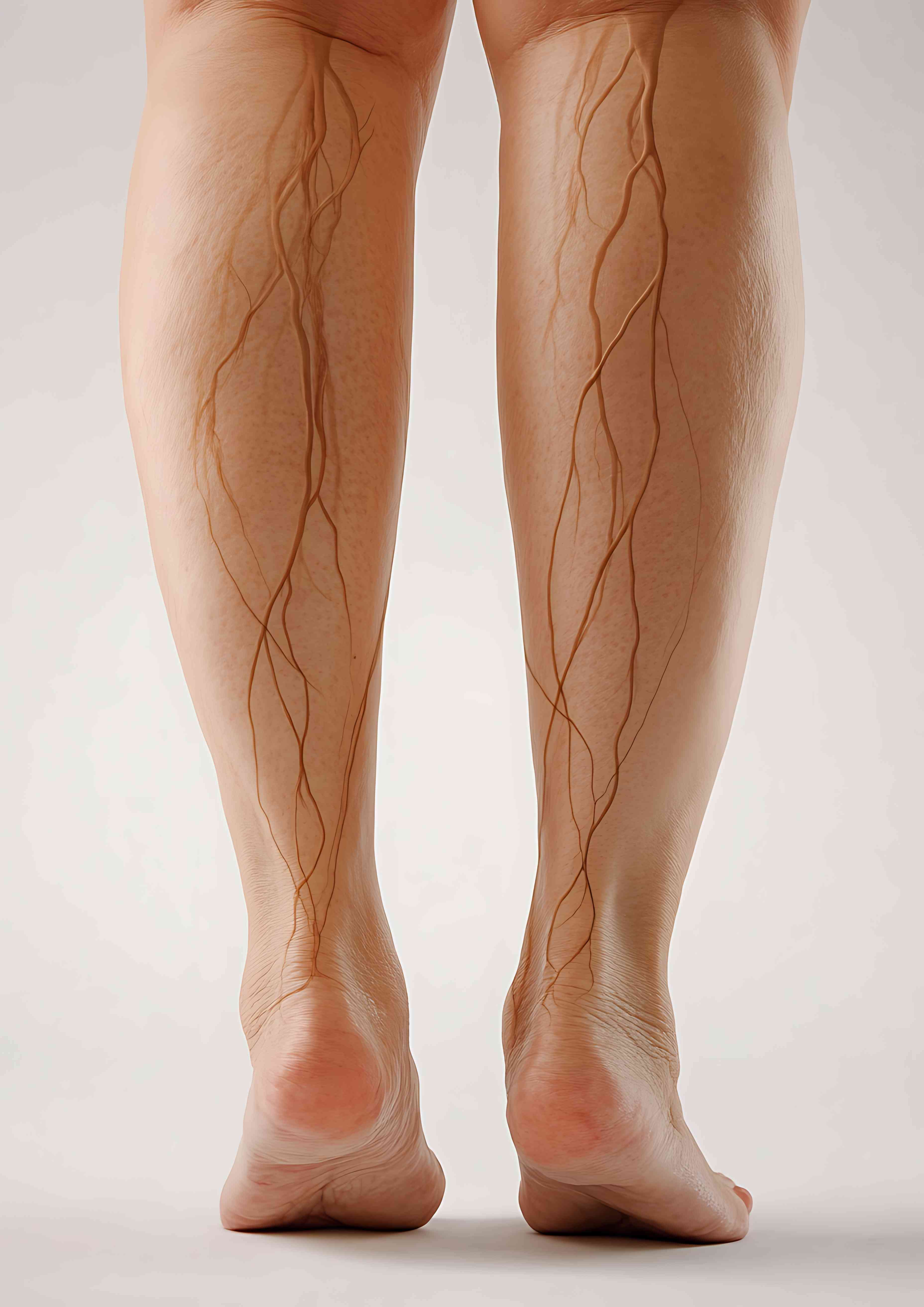
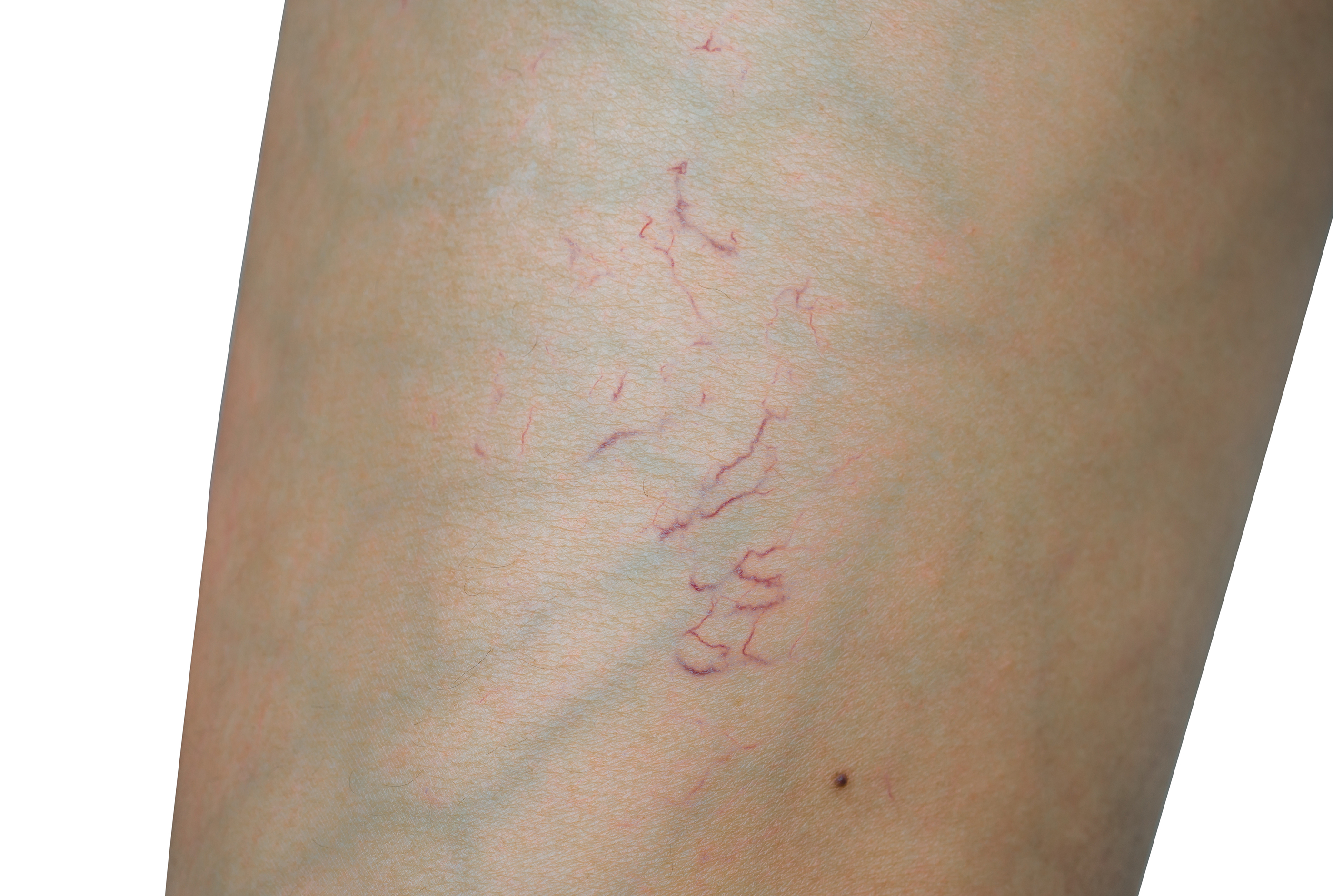
Spider veins, medically known as telangiectasias, are small, damaged blood vessels that develop near the surface of the skin. They typically appear as red, blue, or purple lines and often resemble a spiderweb or tree branches. While ma...
Spider veins, medically known as telangiectasias, are small, damaged blood vessels that develop near the surface of the skin. They typically appear as red, blue, or purple lines and often resemble a spiderweb or tree branches. While many people view them merely as a cosmetic issue, spider veins can sometimes serve as an early warning sign of underlying vascular conditions, such as chronic venous insufficiency. Understanding what these visible marks mean requires looking beneath the skin to examine how blood flows through the veins and why these tiny vessels dilate.
Contents
The Anatomy and Physiology of Spider Veins
To understand what spider veins mean, it helps to review how the circulatory system functions in the legs and other parts of the body. Arteries carry oxygen-rich blood away from the heart to the rest of the body, while veins return the deoxygenated blood back to the heart against gravity.
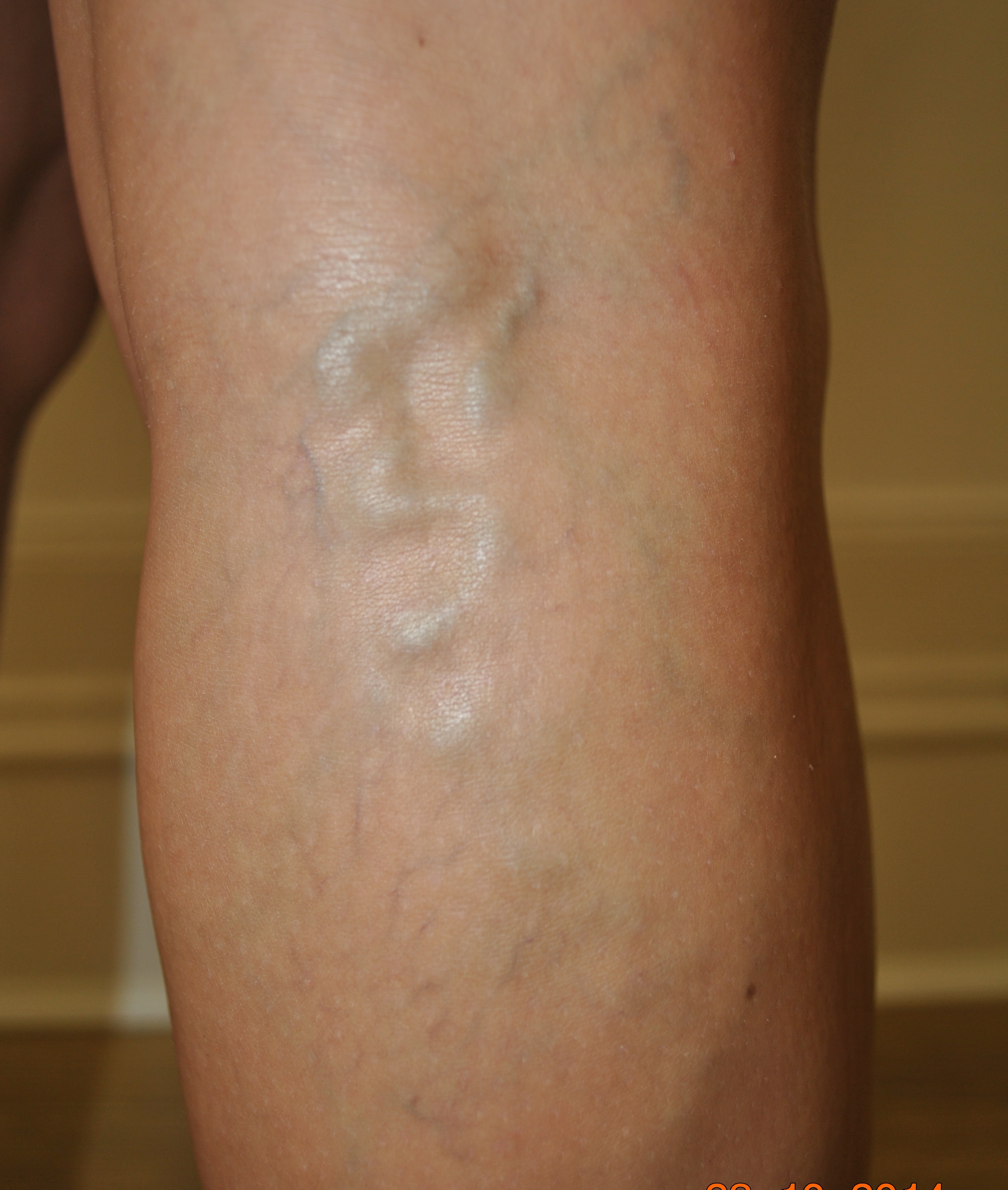
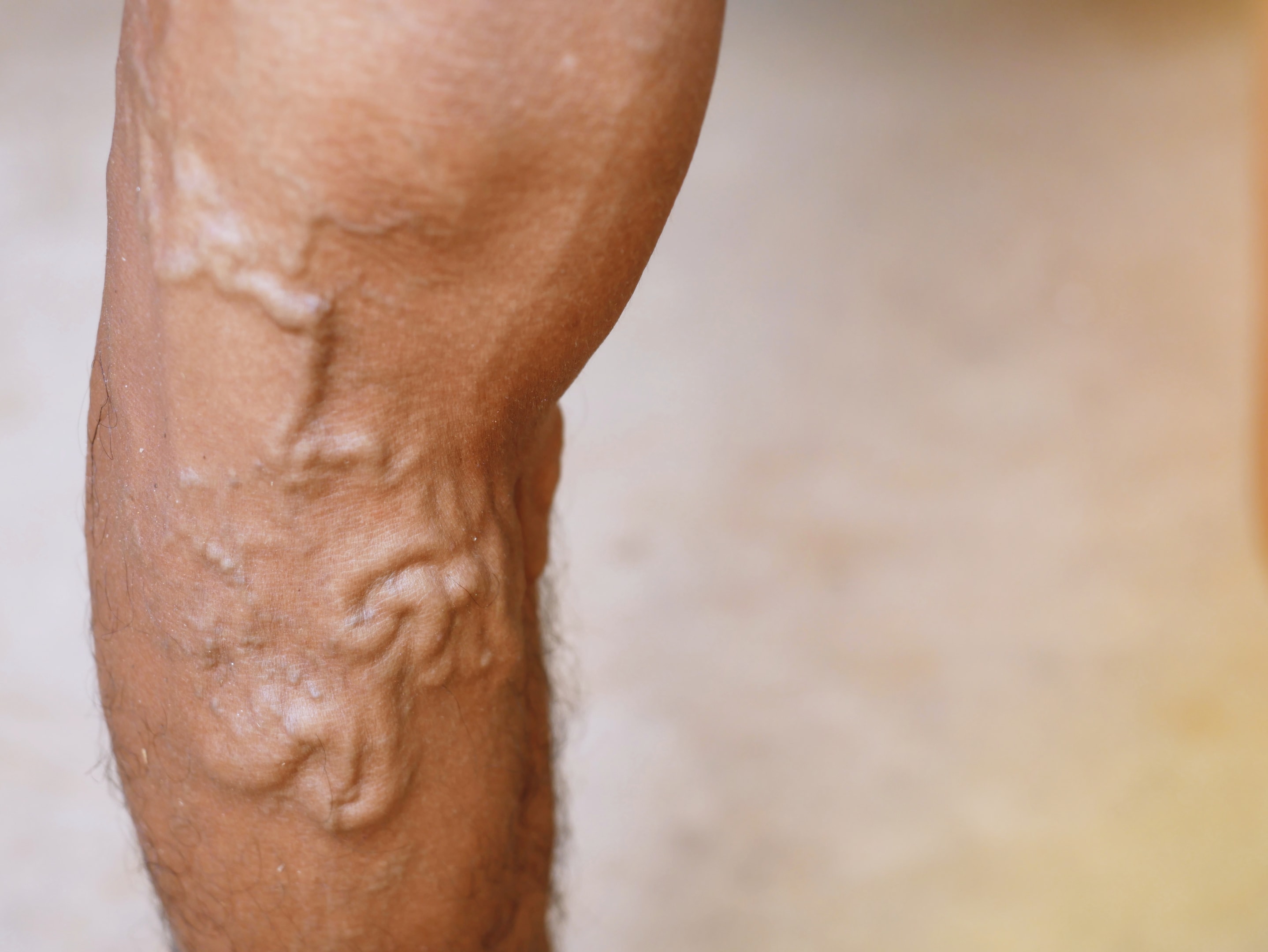
In the legs, veins feature tiny, one-way valves that open to let blood pass upward and close to prevent it from flowing backward. When these valves weaken or become damaged, blood can pool backward in the vein, a condition known as venous reflux. This increased pressure forces tiny capillaries and venules near the skin's surface to dilate and branch out, creating the visible web-like patterns recognized as spider veins. Unlike larger varicose veins, which are swollen, bulging, and raised above the skin surface, spider veins are typically flat and confined to the uppermost layers of the dermis.
Primary Causes and Risk Factors
Spider veins do not appear without reason; they develop due to a combination of genetic, lifestyle, and physiological factors that weaken vein walls and compromise valve function. Identifying these triggers helps explain why certain individuals are more prone to developing them than others.
- Genetics and Family History: Heredity plays a major role in vein health. If parents or close relatives have spider or varicose veins, an individual has a significantly higher likelihood of developing them.
- Hormonal Fluctuations: Estrogen and progesterone can weaken vein walls. Consequently, hormonal changes during puberty, pregnancy, or menopause, as well as the use of birth control pills or hormone replacement therapy, frequently trigger or worsen spider veins.
- Prolonged Standing or Sitting: Occupations or habits that require standing or sitting in one position for extended periods hinder efficient blood circulation. Without the natural muscle contractions of the calf muscles, blood must work harder against gravity to return to the heart, increasing pressure on superficial veins.
- Age: As people age, vein walls and valves naturally lose elasticity and become weaker, making them more susceptible to stretching and pooling blood.
- Sun Exposure: Ultraviolet rays can damage the collagen and elastin in the skin, particularly on the face, causing tiny blood vessels to rupture and become permanently dilated (facial telangiectasias).
- Obesity and Pressure: Excess body weight places additional downward pressure on the lower extremities, straining the venous system and impeding proper blood flow.
Are Spider Veins a Sign of a Serious Medical Condition?
For many individuals, spider veins are entirely benign and present no physical discomfort beyond aesthetic concerns. However, they can occasionally signal a deeper medical issue.
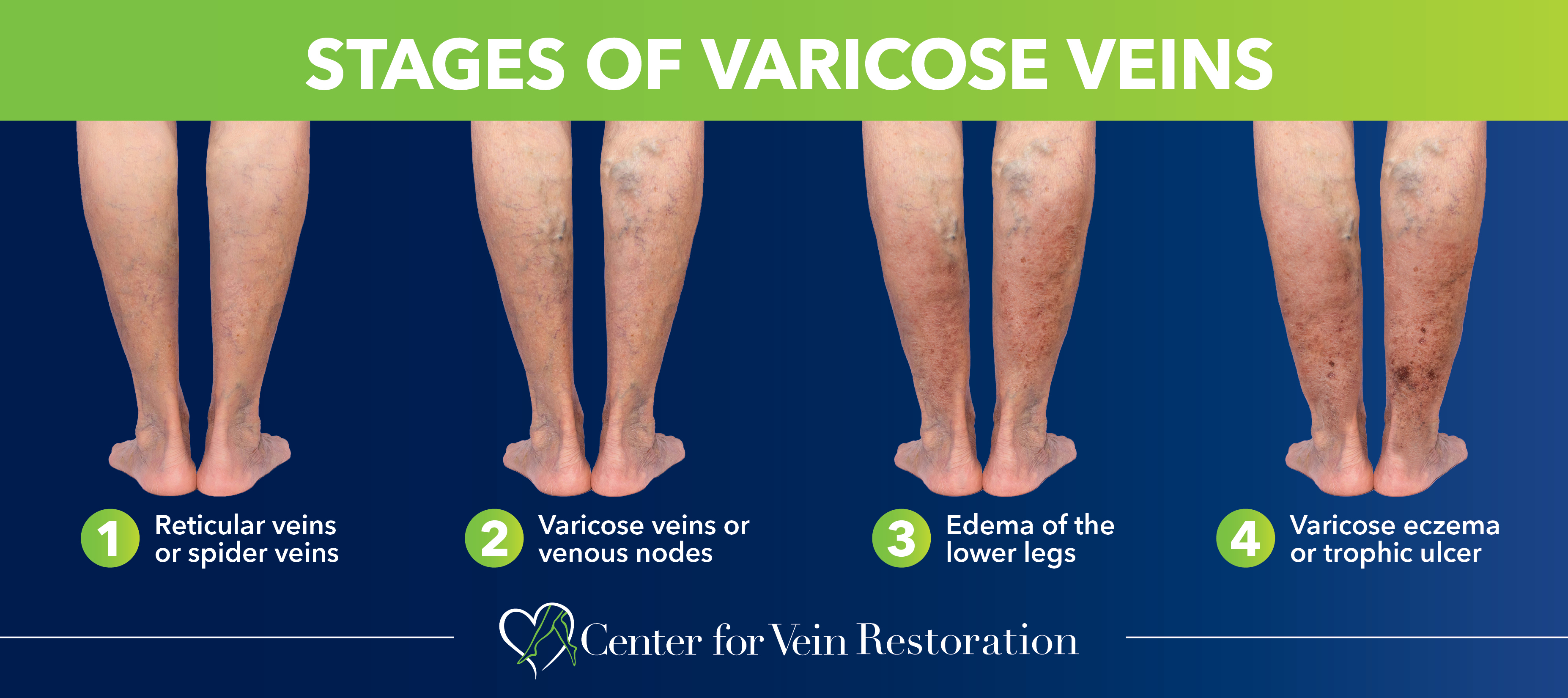
When spider veins appear alongside symptoms such as aching, heaviness, fatigue, burning, or throbbing in the legs, they may indicate underlying chronic venous insufficiency (CVI). CVI occurs when the larger, deeper veins fail to pump blood efficiently. Even if the deep veins are healthy, localized venous hypertension can cause surface vessels to stretch.
It is important to consult a vascular specialist or phlebologist if spider veins are accompanied by persistent swelling, skin discoloration, or open sores. A medical evaluation—often utilizing a non-invasive duplex ultrasound—can map blood flow and determine whether the surface blemishes are connected to faulty deeper veins.
Differentiating Spider Veins from Varicose Veins
While both spider veins and varicose veins stem from venous pressure and valve dysfunction, they differ significantly in appearance, physical sensation, and medical implications. The following table contrasts the two conditions.
| Feature | Spider Veins (Telangiectasias) | Varicose Veins |
|---|---|---|
| Size & Appearance | Very thin (less than 1mm), flat, red, blue, or purple web-like lines. | Large (3mm or wider), bulging, twisted, and raised cords beneath the skin. |
| Location | Commonly found on the face, thighs, calves, and ankles. | Primarily found on the thighs, calves, and inner legs. |
| Physical Symptoms | Usually asymptomatic, though minor itching or burning may occur. | Frequently cause pain, leg heaviness, fatigue, cramping, and throbbing. |
| Medical Risk | Mostly cosmetic, though they can rarely indicate minor CVI. | Higher risk of complications, including blood clots, phlebitis, and venous ulcers. |
| Primary Treatments | Sclerotherapy, surface laser therapy, and topical protection. | Endovenous ablation, radiofrequency ablation, phlebectomy, and compression therapy. |
Available Treatment and Management Options
Because spider veins do not resolve on their own, individuals seeking to remove them for cosmetic or comfort reasons have access to several established medical procedures.
Sclerotherapy
Considered the gold standard for treating spider veins on the legs, sclerotherapy involves injecting a specialized solution (a sclerosant) directly into the affected blood vessel. This solution irritates the lining of the vessel, causing it to collapse, stick together, and eventually fade as the body naturally absorbs the treated tissue over several weeks.
Surface Laser Therapy
Laser treatments use targeted bursts of light directed at the spider veins. The energy from the laser heats the blood vessel, destroying it without damaging the surrounding skin. This method is particularly effective for small spider veins on the face and chest where needle injections may be difficult.
Compression Therapy
While compression stockings do not eliminate existing spider veins, wearing medical-grade gradient compression hosiery helps manage symptoms, improves overall circulation, and prevents new veins from forming by supporting vein walls and assisting calf muscle pumps.
Frequently Asked Questions
Can spider veins disappear on their own?
No, once a spider vein forms, it does not go away without medical intervention. While lifestyle changes can prevent new veins from developing, existing dilated surface vessels require procedures like sclerotherapy or laser therapy to be removed.
Do spider veins indicate poor heart health?
Generally, no. Spider veins reflect localized issues within the superficial venous system or micro-capillaries, rather than a failure of the heart muscle itself. However, they do point to compromised venous circulation in the affected limbs.
Can exercise prevent spider veins?
Regular physical activity, particularly exercises that strengthen the calf muscles such as walking, running, and swimming, promotes healthy blood circulation and reduces venous pressure, which helps lower the risk of developing new spider veins.
Are spider vein treatments covered by insurance?
Because spider veins are typically classified as a cosmetic issue, most health insurance policies do not cover their removal. However, if diagnostic testing reveals underlying chronic venous insufficiency that causes physical pain, treatments for the primary venous disease may qualify for coverage.
Do spider veins return after treatment?
While treated veins are permanently destroyed and fade away, new spider veins can develop over time due to aging, genetics, or ongoing hormonal changes. Maintaining a healthy lifestyle and managing risk factors can help minimize future occurrences.
Next Actions and Professional Guidance
If you are noticing new or spreading spider veins, start by evaluating lifestyle habits such as prolonged sitting or standing, and incorporate regular movement and leg elevation into your routine. For individuals experiencing discomfort, or those seeking cosmetic removal, scheduling a consultation with a board-certified dermatologist, vascular surgeon, or vein specialist is the most effective next step. A professional assessment will accurately diagnose whether your spider veins are purely cosmetic or linked to an underlying circulation disorder, ensuring you receive an appropriate and safe treatment plan.
Image Gallery