Fattoush in Mediterranean Cuisine Explained: History, Ingredients, and Cultural Significance
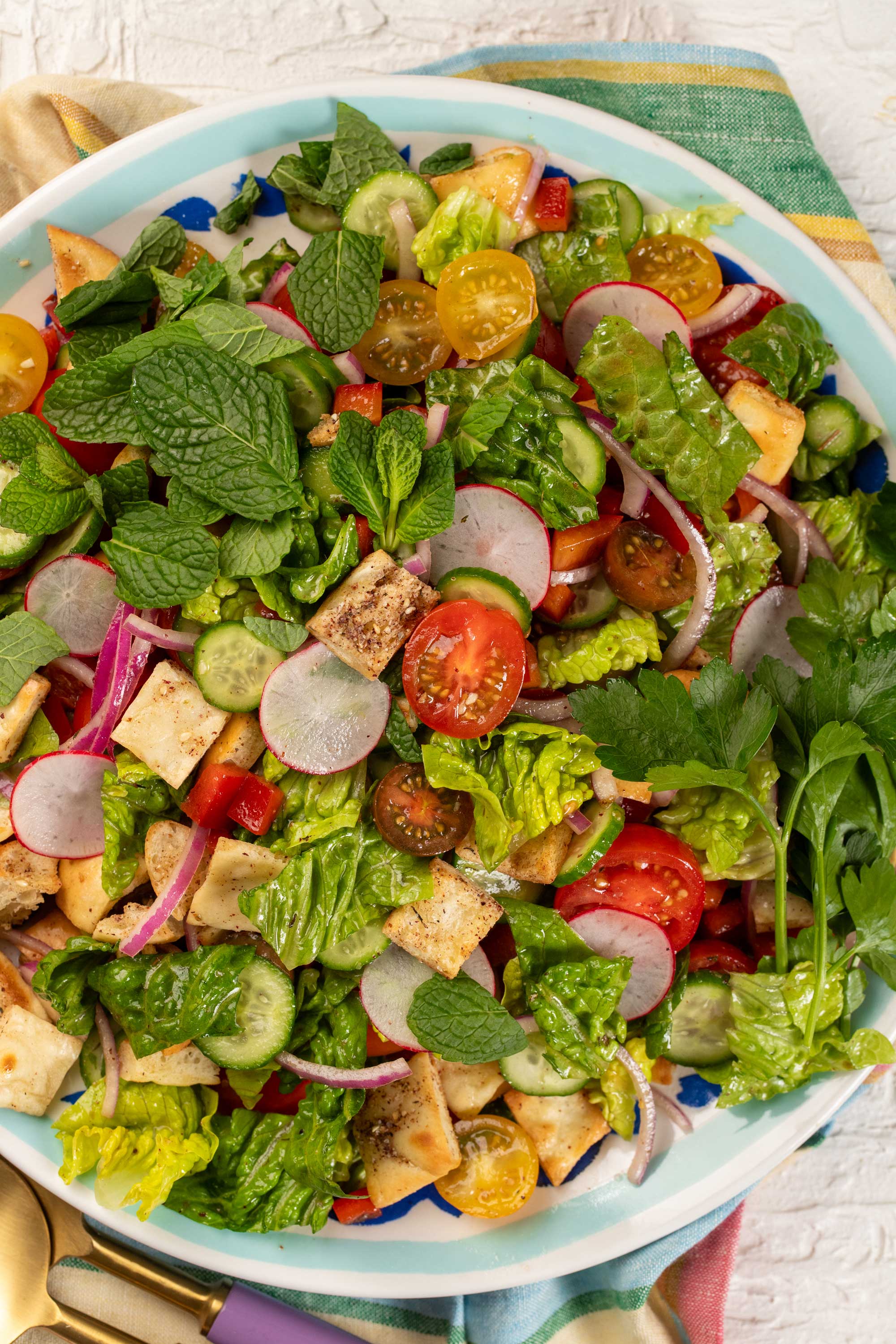
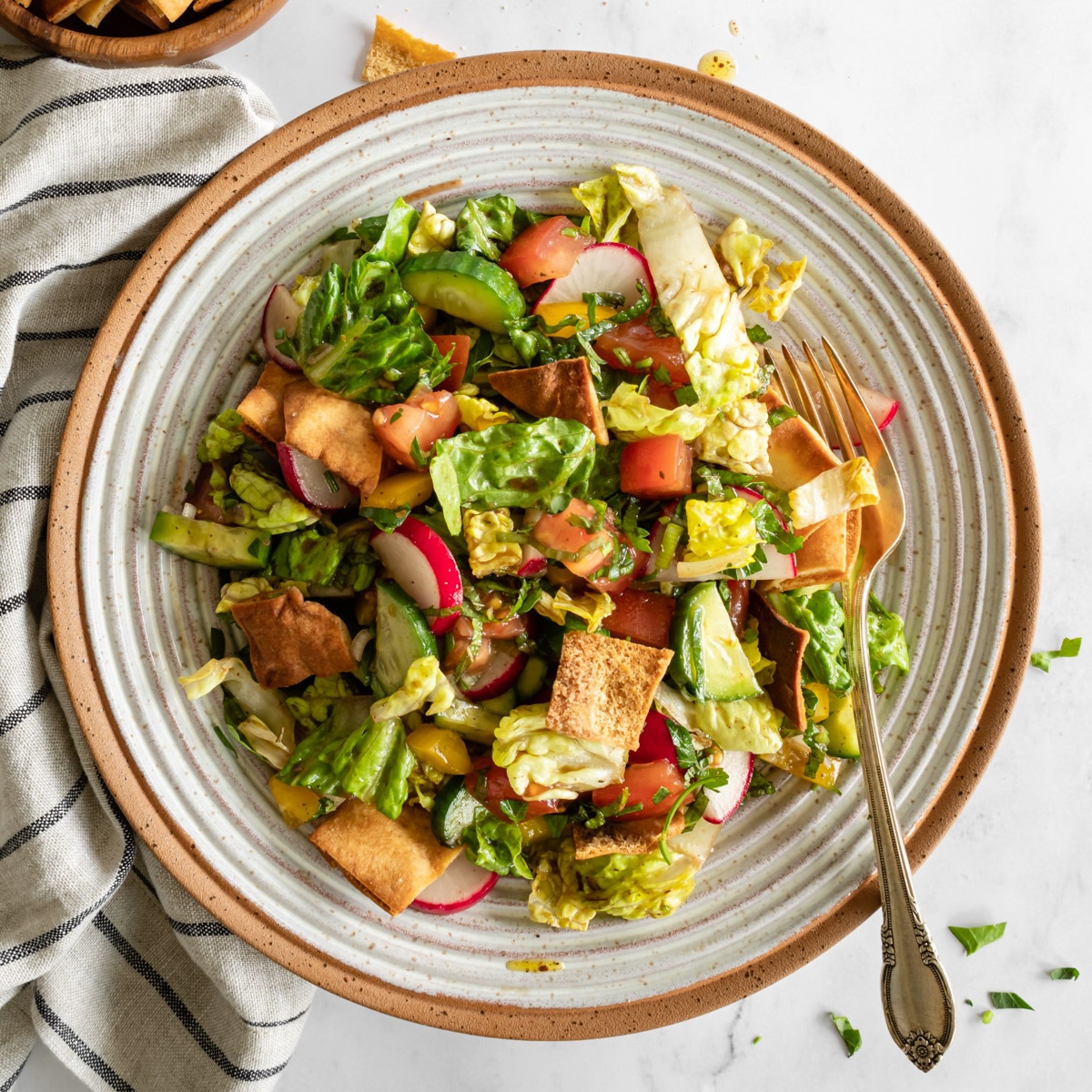
Fattoush is a vibrant, textured bread salad deeply rooted in Levantine Mediterranean cuisine, celebrated for its bright sumac-laced dressing, fresh garden vegetables, and crispy fried or toasted pieces of flatbread. This culinary stapl...
Fattoush is a vibrant, textured bread salad deeply rooted in Levantine Mediterranean cuisine, celebrated for its bright sumac-laced dressing, fresh garden vegetables, and crispy fried or toasted pieces of flatbread. This culinary staple brilliantly marries crunch with acidity, serving both as a refreshing standalone dish and as a classic accompaniment to rich, savory proteins.
Contents
Understanding the Origins and Cultural Roots of Fattoush
To fully appreciate fattoush in Mediterranean cuisine, one must examine its historical and geographical foundations. Originating in the Levant region—traditionally encompassing Lebanon, Syria, Jordan, and Palestine—fattoush is fundamentally a product of resourcefulness and culinary pragmatism. The word fattoush derives from the Arabic root fatta, which means "to crush" or "to break into pieces," referring directly to the practice of utilizing stale flatbread.
In traditional rural households across the Levant, wasting bread was strictly avoided. When flatbread (such as traditional Arabic pita or khubz) began to dry out and harden, home cooks found creative ways to restore its utility and palatability. Rather than discarding it, they toasted or fried the stale bread scraps and tossed them into a communal bowl alongside seasonal, ripe vegetables harvested straight from the garden. This practical approach transformed leftover scraps into a prized, texturally dynamic dish that eventually transcended its utilitarian beginnings to become a permanent fixture on modern restaurant menus and festive tables alike.
Beyond its economic origins, fattoush reflects the agricultural abundance of the Mediterranean climate. The dish relies heavily on what grows natively and abundantly during the warmer months: cucumbers, tomatoes, radishes, scallions, and wild or cultivated herbs like mint and parsley. It represents a culinary philosophy where simplicity, freshness, and zero waste intersect, embodying the broader spirit of Mediterranean cooking that prizes seasonal ingredients over heavy manipulation.
Core Ingredients That Define an Authentic Fattoush
The defining characteristic of an authentic fattoush lies in its precise balance of textures, colors, and flavors. Every component plays a distinct role in creating the characteristic crispness and sharp tang that distinguishes fattoush from other Mediterranean salads, such as the Greek horiatiki or the Middle Eastern tabbouleh.
The Bread Element: Pita
The bread is non-negotiable. Traditional flatbread, specifically thin Arabic pita, is torn or cut into bite-sized pieces. These pieces are either brushed with olive oil and baked until golden and crunchy or shallow-fried in oil for a richer flavor profile. The bread must maintain its structural integrity long enough to absorb the dressing without becoming entirely mushy, providing a satisfying crunch that contrasts with the tender vegetables.
Fresh Vegetables
The vegetable base is raw, hydrating, and heavily varied based on seasonal availability. Standard inclusions feature:
- Cucumbers: Persian or English cucumbers chopped into bite-sized cubes, offering a cool, crisp snap.
- Tomatoes: Ripe, firm tomatoes diced to contribute natural juiciness and subtle sweetness.
- Radishes: Thinly sliced red radishes that introduce a sharp, peppery bite.
- Scallions and Onions: Green onions or finely minced red onions providing a savory, allium punch.
Herbaceous Freshness
A generous quantity of fresh herbs separates a mediocre salad from a masterclass in Levantine flavor. Flat-leaf parsley and fresh mint leaves are chopped—sometimes left relatively coarse—to infuse the salad with bright, clean, aromatic notes that lift the heavier elements of the dressing and oil.
The Secret Signature: Sumac and Dressing Dynamics
What elevates fattoush from a simple vegetable-and-bread mixture into a culinary icon is its dressing. Unlike creamy mayonnaise-based dressings or heavy emulsified vinaigrettes, a traditional fattoush dressing is remarkably light, sharp, and acidic, designed to cut through rich dishes served alongside it.
At the heart of this dressing is sumac, a spice ground from the dried dark-red berries of the Rhus coriaria shrub. Sumac delivers a distinctively tart, fruity, and astringent flavor profile reminiscent of lemon juice, but with a deeper, more earthy resonance. Combined generously with high-grade extra virgin olive oil, freshly squeezed lemon juice, salt, and occasionally crushed garlic or pomegranate molasses, the dressing coats every surface of the salad ingredients evenly.
When the sourness of the sumac and lemon meets the rich, grassy notes of cold-pressed olive oil, it creates a chemical and sensory harmony. This acidic backbone not only seasons the fresh vegetables but also softens the toasted pita just enough around the edges while keeping its core delightfully crunchy.
Comparing Levantine Salads: Fattoush vs. Tabbouleh and Horiatiki
Within Mediterranean and Middle Eastern culinary traditions, several fresh salads utilize similar ingredients, leading to frequent confusion. Understanding how fattoush compares to its regional and international counterparts clarifies its unique culinary niche.
| Salad Name | Primary Region | Defining Characteristics | Key Ingredients | Bread Component |
|---|---|---|---|---|
| Fattoush | Levant (Lebanon, Syria, Palestine) | Textural contrast of crisp vegetables and toasted/fried bread; tart sumac dressing. | Tomatoes, cucumbers, radishes, mint, parsley, sumac. | Toasted or fried Arabic flatbread (pita). |
| Tabbouleh | Lebanon and Syria | Herb-dominant micro-salad where grains play a secondary, supportive role. | Finely chopped flat-leaf parsley, mint, tomatoes, onions, fine bulgur wheat. | None. |
| Horiatiki (Greek Salad) | Greece | Chunk-cut vegetables served without lettuce, topped with a block of feta cheese and whole kalamata olives. | Tomatoes, cucumbers, red onion, green bell pepper, feta cheese, olives, oregano. | None. |
This comparison highlights that while tabbouleh focuses on the herbaceous volume of parsley and bulgur, and Greek salad emphasizes chunky vegetables and cured dairy, fattoush stands alone through its utilization of crisp, repurposed flatbread and the unmistakable tang of wild sumac.
Culinary Pairings and Serving Suggestions
In Mediterranean dining culture, salads are rarely eaten in isolation; they function as integral components of a multi-course spread or as counterweights to rich main dishes. Fattoush serves as a versatile anchor on the dining table due to its ability to balance heavier, fat-rich foods.
- Grilled Meats: Fattoush pairs exceptionally well with charcoal-grilled kebabs, skewered lamb (shish taouk), and minced meat kofta. The acidity of the salad cuts through the rendered animal fats, cleansing the palate between bites.
- Mezze Spreads: As part of a traditional mezze spread alongside hummus, baba ghanoush, stuffed grape leaves (warak enab), and falafel, fattoush provides necessary moisture and texture variation.
- Seafood Accompaniment: Along the Mediterranean coastline, the salad is frequently served alongside whole grilled fish seasoned with cumin, garlic, and citrus.
Common Preparation Pitfalls and How to Avoid Them
Achieving an exceptional fattoush requires attention to technical details, particularly regarding timing and moisture control. Even experienced home cooks occasionally encounter common pitfalls that compromise the final dish.
- Soggy Bread: Adding the toasted pita too early causes the bread to absorb excess moisture from the tomatoes and cucumbers, resulting in an unappealing, mushy texture. Solution: Always toss the dressing through the vegetables first, and fold the crispy bread into the salad immediately before serving at the table.
- Watery Vegetables: Slicing juicy tomatoes and cucumbers without considering their water content can dilute the olive oil and sumac dressing. Solution: Dice the vegetables uniformly, and if using exceptionally watery tomatoes, gently squeeze out excess seeds before chopping.
- Over-Salting: Because sumac and lemon juice provide intense natural acidity, adding too much salt can overpower the delicate balance. Solution: Season conservatively at first, allowing the sumac to carry the flavor profile, and adjust salt just before plating.
Frequently Asked Questions
What makes fattoush different from a standard green salad?
Fattoush is distinguished by the inclusion of crispy fried or toasted flatbread (pita) and its signature dressing seasoned heavily with sumac. Unlike standard Western green salads that rely on lettuce bases, traditional fattoush features a robust mix of chopped non-leafy vegetables, herbs, and bread, creating a dense, crunchy texture profile.
Can I make fattoush ahead of time?
You can chop the vegetables and mix the dressing ahead of time, storing them separately in the refrigerator. However, you should never assemble the salad or add the toasted bread until right before serving to maintain the signature crunch of the pita and prevent the vegetables from releasing excess water.
Is sumac strictly necessary for authentic fattoush?
While innovative kitchen adaptations occasionally substitute lemon zest or extra lemon juice when sumac is unavailable, sumac is considered an essential authentic component. It provides a unique astringent, fruity tartness that standard citrus juice alone cannot fully replicate.
What kind of bread is best to use if Arabic pita is unavailable?
If traditional thin Middle Eastern flatbread or pocket pita is inaccessible, you can substitute other rustic, sturdy flatbreads, lavash cut into squares, or even high-quality European sourdough pita chips. The key is ensuring the bread holds up well when toasted and tossed.
Is fattoush naturally vegetarian and vegan?
Yes. Authentic traditional fattoush is entirely plant-based, consisting solely of vegetables, herbs, toasted flatbread, olive oil, lemon juice, salt, and spices. It requires no animal products, making it naturally suitable for vegan and vegetarian diets.
Conclusion and Next Action
Mastering fattoush in Mediterranean cuisine requires respecting its humble origins while executing its technical components with precision: fresh seasonal produce, careful timing to preserve the crisp bread, and a vibrant sumac dressing. For your next culinary endeavor, source fresh organic herbs, authentic ground sumac, and quality flatbread to prepare an authentic batch as a refreshing side to grilled mains or as the centerpiece of a traditional mezze spread.
Image Gallery