Evaluating When to Resign Due to a Hostile Work Environment
Resigning from a position due to a hostile work environment is a significant decision that requires balancing mental health, professional reputation, and financial security. When workplace conditions—such as harassment, systemic intimi...
Resigning from a position due to a hostile work environment is a significant decision that requires balancing mental health, professional reputation, and financial security. When workplace conditions—such as harassment, systemic intimidation, or discriminatory practices—prevent you from performing your duties or undermine your well-being, documenting the environment, understanding your legal standing, and planning a strategic exit are essential steps toward protecting your long-term career.
Contents
Defining a Hostile Work Environment
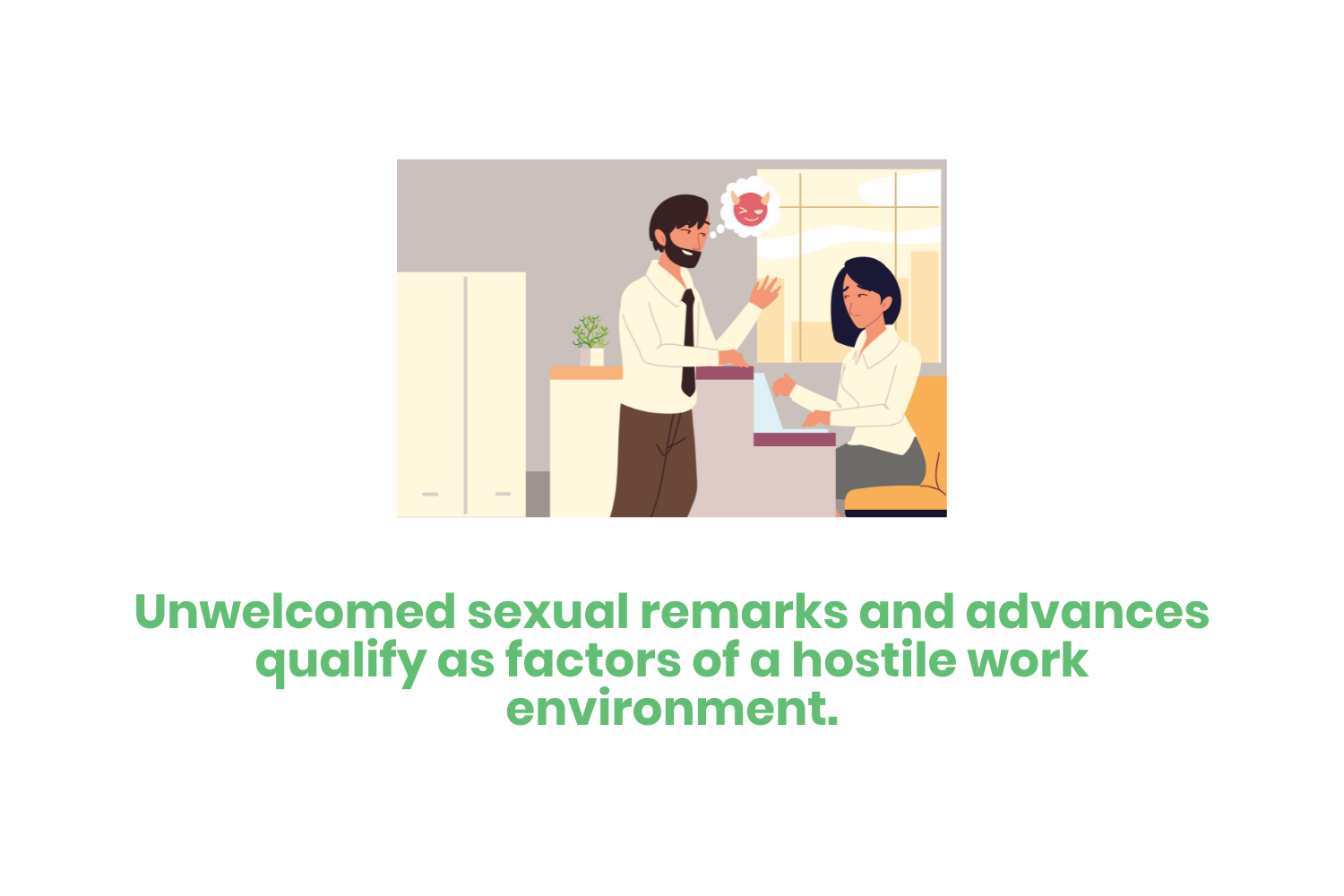
In a professional context, the term "hostile work environment" is often used colloquially, but it carries a specific legal weight in many jurisdictions. Under the Equal Employment Opportunity Commission (EEOC) standards in the United States, a hostile work environment is created when unwelcome conduct based on protected characteristics—such as race, color, religion, sex, national origin, age, disability, or genetic information—becomes so pervasive or severe that it creates an abusive or intimidating work atmosphere.
It is important to distinguish between a "hostile work environment" and general workplace friction. Disagreements with management, high-pressure deadlines, or a demanding boss do not typically reach the legal threshold of hostility. However, if the behavior interferes with your ability to perform your job and is rooted in discriminatory animus or illegal harassment, you are operating within an environment that may necessitate legal or administrative intervention.
Documenting Incidents Before Resignation
Before you make the decision to resign, rigorous documentation is your most valuable asset. If you eventually seek unemployment benefits or legal recourse, "he said, she said" arguments rarely hold weight. You must maintain a precise, chronological log of incidents.
Include the following details for every instance of problematic behavior:
- The Date, Time, and Location: Be as specific as possible.
- The Individuals Involved: Note who initiated the behavior and any witnesses present.
- The Nature of the Incident: Record verbatim quotes if possible, or describe the specific actions taken.
- Impact on Work: Document how the incident hindered your performance, caused physical or mental distress, or violated company policy.
- Supporting Evidence: Preserve emails, screenshots, meeting invitations, or performance reviews that contradict the hostile behavior.
Keep this documentation on a personal device, not on company-owned equipment or servers, to ensure you maintain access if your employment is abruptly terminated.
The Financial Implications of Resignation
Resigning from a job, even under difficult circumstances, is generally viewed as a voluntary separation. In many jurisdictions, voluntary resignation disqualifies an individual from receiving unemployment insurance benefits. However, there is a legal concept known as "constructive discharge."
Constructive discharge occurs when an employer makes working conditions so intolerable that a reasonable person would feel compelled to resign. If you can prove that you were effectively forced to leave because the employer failed to address illegal or discriminatory conduct after being put on notice, you may still be eligible for unemployment benefits. Because this is a complex legal area, it is advisable to consult with an employment attorney or a labor board representative in your jurisdiction before submitting a resignation letter.
Comparing Exit Strategies
Navigating an exit requires careful tactical planning. The table below outlines common approaches to leaving a hostile environment and their relative considerations.
| Strategy | Primary Benefit | Potential Risk |
|---|---|---|
| Immediate Resignation | Immediate relief from psychological stress. | May forfeit unemployment or severance eligibility. |
| Documented Complaint | Creates a paper trail for future legal claims. | May lead to retaliation before you are ready to leave. |
| Negotiated Departure | Potential for severance pay and neutral references. | Requires negotiation leverage and company cooperation. |
| Medical/FMLA Leave | Provides time off to plan an exit while protected. | Requires medical documentation and has time limits. |
The Role of Internal Reporting
Most organizations have Human Resources (HR) departments designed to mediate internal conflicts. While HR primarily exists to protect the organization from liability, they also serve as the first line of defense against policy violations.
If you have not done so already, verify the company’s internal grievance policy in your employee handbook. Formally reporting the behavior to HR or a neutral ombudsman serves two purposes: it forces the company to address the issue, and it establishes that you gave the employer an opportunity to rectify the situation. If the company fails to take corrective action, this record becomes critical if you proceed with a constructive discharge claim.
Preparing for Your Next Career Move
Once you have decided that the hostile environment is untenable, your focus should shift to a professional exit. Your resignation letter should be brief, neutral, and professional. Avoid detailing the reasons for your departure in the letter itself; these documents are often kept in personnel files and can be discoverable in legal proceedings. Simply state your final date of employment and offer a standard transition of duties.
Simultaneously, begin your job search quietly. Ensure your professional network, resume, and LinkedIn profile are updated. When interviewing for new roles, never disparage your former employer. Frame your departure as a pursuit of new challenges or an alignment with a different organizational culture.
Frequently Asked Questions
1. Is a "hostile work environment" always illegal? Not necessarily. Legally, the term refers to discrimination based on protected classes. If you are being mistreated for reasons unrelated to these protected characteristics—such as general workplace bullying—it may be unethical or against company policy, but it may not be a legal violation of federal labor laws.
2. Should I tell my employer exactly why I am quitting? Generally, no. If you plan to pursue legal action or unemployment benefits, consult an attorney first. Statements made during an exit interview can be used against you if they are viewed as admissions or if they contradict the narrative required for a constructive discharge claim.
3. Does reporting a hostile environment guarantee my protection from retaliation? Laws like the Title VII of the Civil Rights Act of 1964 protect employees from retaliation for reporting discrimination. However, proving retaliation can be difficult. Always keep your documentation of reported incidents and the subsequent actions (or inactions) of management.
4. Can I collect unemployment if I quit due to a hostile boss? It depends on state or regional laws. You generally must prove that the conditions were so intolerable that no reasonable person could remain, and that you attempted to resolve the issue through proper company channels first.
5. How long should I wait after the first incident before resigning? There is no fixed timeframe. The priority is your safety and mental health. If the environment is causing severe medical distress, seek professional health advice immediately. Do not prioritize a job over your physical or psychological well-being.
Recommendation for Next Steps
If you find yourself in a hostile work environment, do not act impulsively. First, consult your employee handbook to understand your rights and the internal complaint process. Second, begin documenting every relevant event in a private log. Third, reach out to an employment lawyer or your local labor department to assess your specific jurisdiction's rules regarding constructive discharge. Your primary goal is to secure your financial and professional future while removing yourself from an environment that inhibits your success.
Image Gallery